


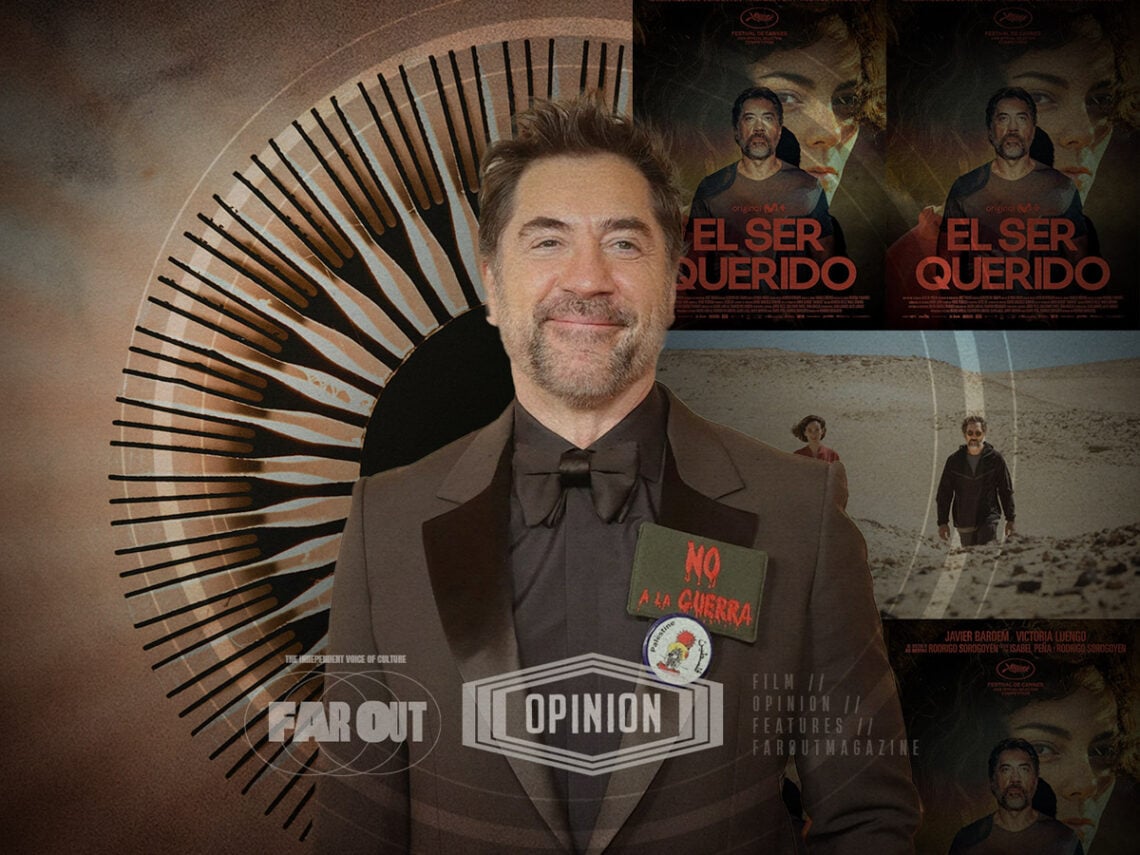
This is what a Great Man looks like: On Javier Bardem and 19th-century theory

In 2018, during a press conference at the Cannes Film Festival for the Asghar Farhadi movie Everybody Knows, a reporter asked Javier Bardem, who is married to fellow Spanish actor Penelope Cruz, what it was like to be the only man in the world who enjoys working with his wife.
Bardem paused for a moment and then leaned toward the microphone. “That question is in extremely bad taste,” he said, his voice calm but firm. It was just one of the many, many examples over the past two decades in which Bardem has refused to give in to the inertia of collective cowardice. Over the years, he and Cruz have been some of the few voices in Hollywood consistently condemning the genocide in Gaza.
As early as 2014, they openly denounced Israel’s attacks on Palestine and received such aggressive backlash that they both released statements to clarify their position. More than a decade later, as the genocide continues and many major news outlets have turned their attention to newer crises, Bardem is still using his platform to remind people of the ongoing conflict.
While walking the red carpet at the Emmys in 2025, Bardem chose to talk about Gaza rather than his Emmy-nominated performance in Monsters: The Lyle and Erik Menendez Story. This year, as the Trump administration and its billionaire allies wage war on journalistic independence and take control of news outlets, the place of politics in cinema has been downgraded from “how” to “whether.”
It’s no longer a question of how filmmakers address genocide and the chilling of free speech, but whether filmmakers should say anything about politics at all. Bardem is one of the few celebrities who has refused to back down.
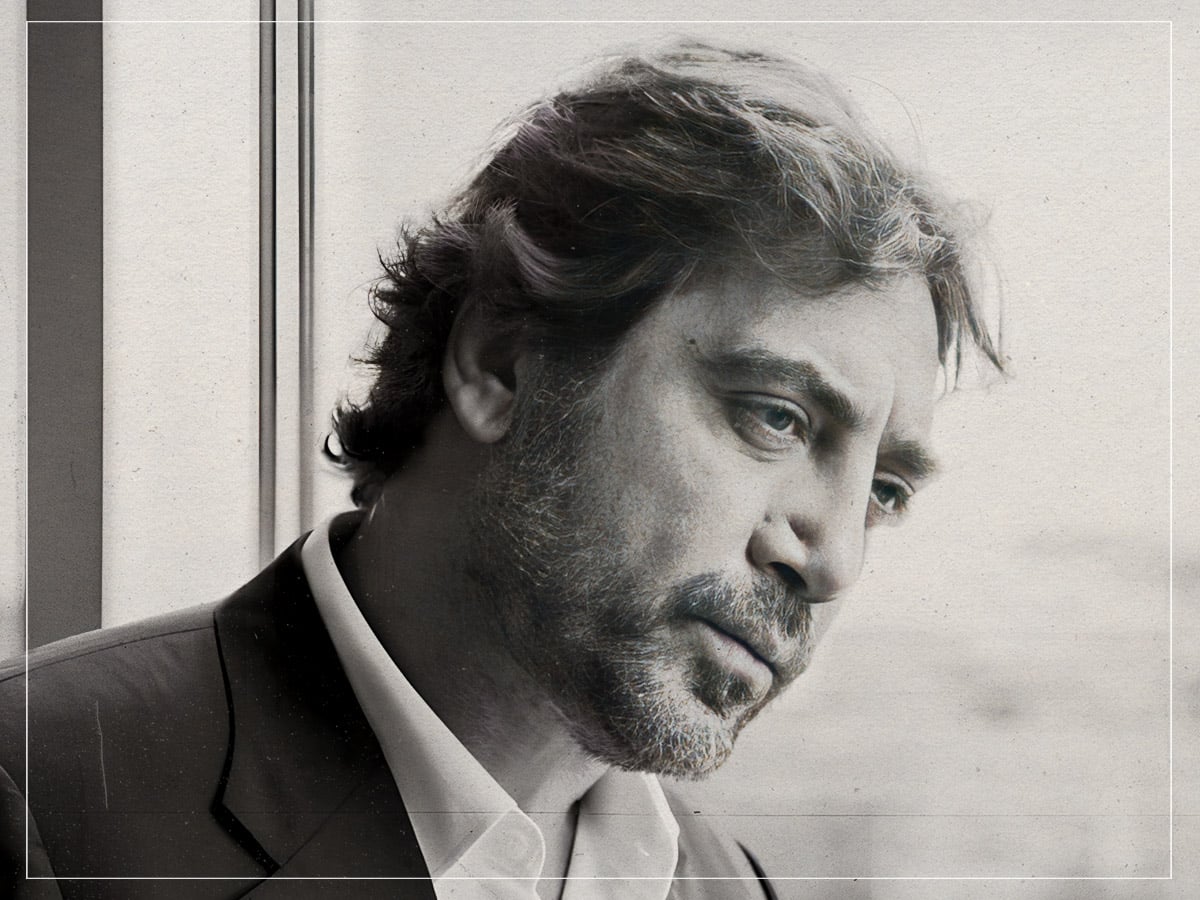
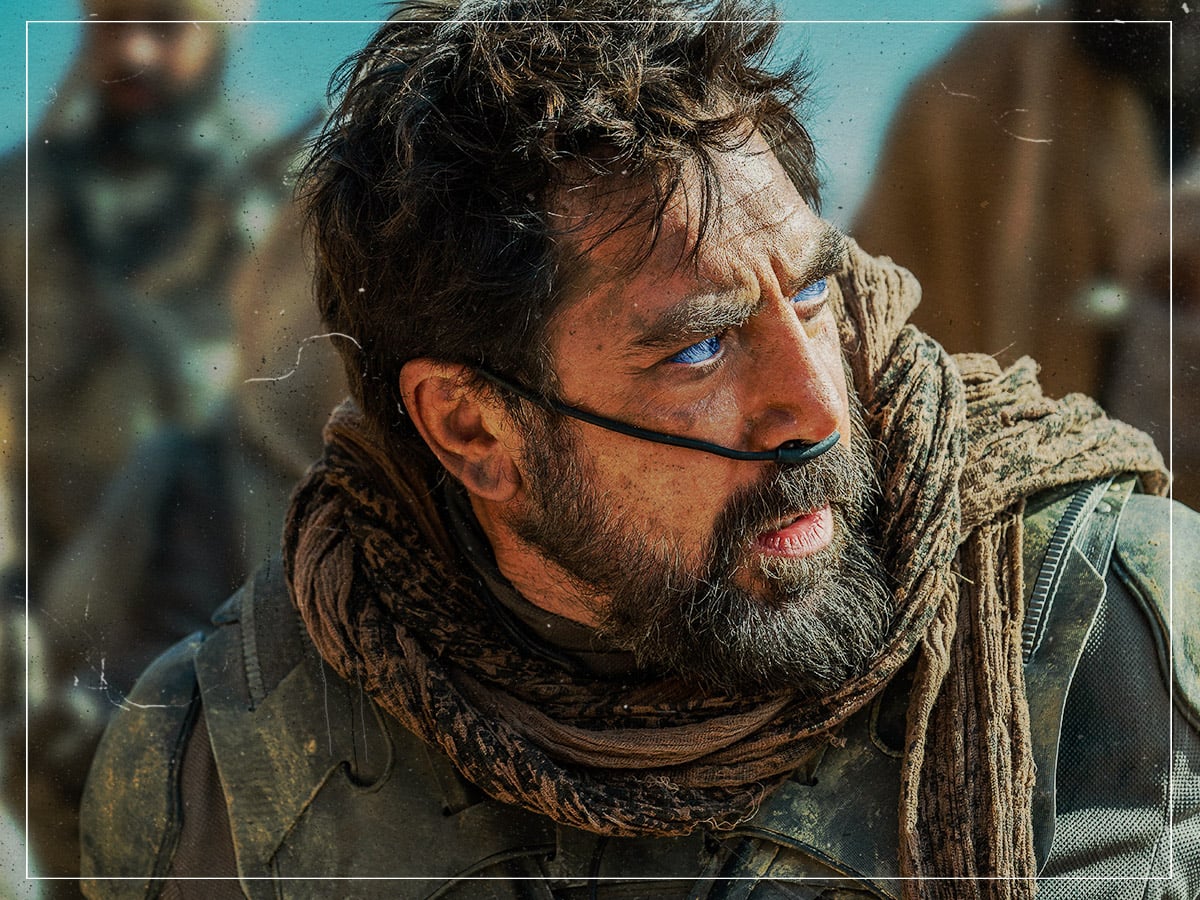
At Cannes this year, he is promoting his latest film, The Beloved, in which he plays a cinematic auteur who exhibits a chilling version of poisoned masculinity. Bardem has been asked about politics throughout the festival, but as usual, he has also pivoted to Gaza and violence against women, even when they aren’t broached by the interviewer. “You have to be able to look at yourself in the mirror and look at yourself in the eyes, and that was my case,” he said in a press conference. “My mother taught me to be the way I am.”
There aren’t many men, especially ones who come from patriarchal cultures, who would so openly credit their mother for giving them their integrity, but this was far from the first time Bardem has done so. In interviews, he frequently talks about how hard his mother had to work to raise him and his siblings as a working actor and single parent. In a conversation with The Talks, the Oscar winner described the strength and dignity with which she raised him, saying, “We men are the weaker sex. Her strength is something I will always worship.”
There is a theory that emerged in the 19th-century that history can be told through the heroism of a handful of Great Men. In the view of these theorists, we need only study the lives of people like Alexander the Great, Julius Caesar, and Napoleon Bonaparte to understand the world. It is an absurd premise that erases context and champions patriarchy, but it is also highly seductive, especially to the sort of narcissists who hitch a ride to power and pull the ladder up with them. In recent years, the Great Man complex seems to have become an epidemic, with tech bros and politicians revelling in an echo chamber of praise that makes them believe, on a psychotically sincere level, that they belong in the Great Man pantheon.
Donald Trump and his profoundly witless pursuit of the Nobel Peace Prize is the most obvious example. For more than a decade, he has been complaining about the Nobel committee’s supposed oversight, even as he kidnaps the presidents of foreign countries, causes the deaths of hundreds of thousands through humanitarian aid cuts, starts unprovoked wars, and amasses personal wealth through unparalleled levels of corruption.
In a recent piece for The Atlantic, Ashley Parker and Michael Scherer reported that Trump has been bypassing his usual self-comparisons to George Washington and Abraham Lincoln and pointing instead to the aforementioned Alexander the Great, Julius Caesar, and Napoleon Bonaparte. From reposting images of himself as Jesus to putting his own face on passports, National Parks passes, and mock-ups of Mount Rushmore, he is the Typhoid Mary of his own Great Man complex.
Elsewhere in this noxious aether, Elon Musk has turned the Great Man complex into a god complex, claiming that he will save humanity with artificial intelligence and fathering untold numbers of children in order to repopulate the Earth in his own image. So far, his AI ventures seem to have done little more than produce a Hitler-loving chatbot and allow sickos to post nudified photos of women and children.
One of his own children has legally changed her surname and severed ties with him completely, and his former partner, Grimes, has repeatedly accused him of being an all-time deadbeat dad. Meanwhile, he was waving a chainsaw around, doing copious amounts of ketamine (allegedly), and slashing millions of dollars in life-saving aid to people around the world.
The whole concept of the Great Man is laughably reductive and misogynistic, and it tends to prop up the sort of figures who cause mass-scale atrocities and die bloody deaths when karma catches up to them. But if you really want to know what a great man looks like, 19th-century hysteria aside, it’s Javier Bardem. This former rugby player-turned actor, who accepts his limitations but consistently uses his platform to defend the powerless, exhibits exactly the sort of behaviour that could, if adopted en masse, save humanity from itself.
As a woman, it is hard to describe just how profoundly moving and exhilarating it is to see a man shut down another man’s jovial sexism in a press conference when it would have been so easy for him to just laugh along with the joke. It’s even more refreshing to see that man deal with the situation so quickly, with so little grandstanding. It’s nice to hear a man proclaim his feminism and scold other men for misogyny, but it’s so much more powerful and telling when he chooses not to make it about himself. By responding to the Cannes reporter with few words, Bardem turned the focus onto the questioner, not himself.
There are problems with venerating anyone, particularly celebrities whom we do not know and whose lives are largely hidden from us. Bardem himself, even in public, has shared some views that are difficult to reconcile, particularly when it comes to his continued defence of Woody Allen. But at a time when it seems like the conversations about men either revolve around championing narcissistic villains or decrying the ‘crisis of masculinity,’ it’s worth highlighting the men who rise above both camps. Bardem, whatever his flaws, has shown that courage goes hand-in-hand with being anti-misogynistic and anti-war, no matter the personal consequences.
“I have been beaten up for speaking out,” he said in a 2017 interview with GQ. “Maybe it means some people won’t go see a movie I’m in – that’s fine… But if you see that something is unjust, you’d better denounce it, brother. Otherwise, you are simply complicit.” Does that sound a bit cliché? Perhaps. But when you think of most clichés, the only reason they sound toothless is that people are so rarely able to follow them.
“Live in the moment” and “pick your battles” might be tired phrases, but think of how much better off we’d be if people could actually follow them. For decades, Bardem has been doing much more than lip service and virtue signalling, and we should be spending a lot more time championing him and people like him than entertaining the childish antics of the world’s smallest men.
