


10 movies from 1986 that should be deleted from history

1986 is remembered as not just a great year for cinema, but a novelty moment in which critics, audiences, and cinephiles seem to agree on the standout achievements.
Although the Academy Award for ‘Best Picture’ is traditionally handed to a more arthouse title that doesn’t rank among the year’s biggest hits, the year saw the release of Platoon, the Oscar-winning war epic that was also a box office success because it captured the public sentiment regarding Vietnam.
Many of the year’s highest-grossing films were also some of its most acclaimed, such as Aliens, Ferris Bueller’s Day Off, and Stand By Me. There was also the release of films like Top Gun and Big Trouble in Little China, which were gradually accepted as being cult classics after receiving somewhat mixed reactions upon their debut.
There was a culture of films in 1986 that is irreparable, as it is hard to imagine studios handing over so much power to their directors in today’s cinematic ecosystem. However, the rise of ‘80s nostalgia that has engulfed current pop culture risks lionising a decade in which there were a fair number of misses; not every 1986 film is going to be a classic like Blue Velvet or Hannah and Her Sisters, and there are some all-time disasters that nostalgic throwbacks don’t always look at.
Granted, some of the biggest misfires in 1986 are at least somewhat interesting, as a movie like Howard the Duck is such a confounding anomaly that it is worth seeking out, but that doesn’t mean that there aren’t other films that should be left in the past.
10 movies from 1986 that shouldn’t exist:
‘Poltergeist II: The Other Side’ (Brian Gibson, 1986)
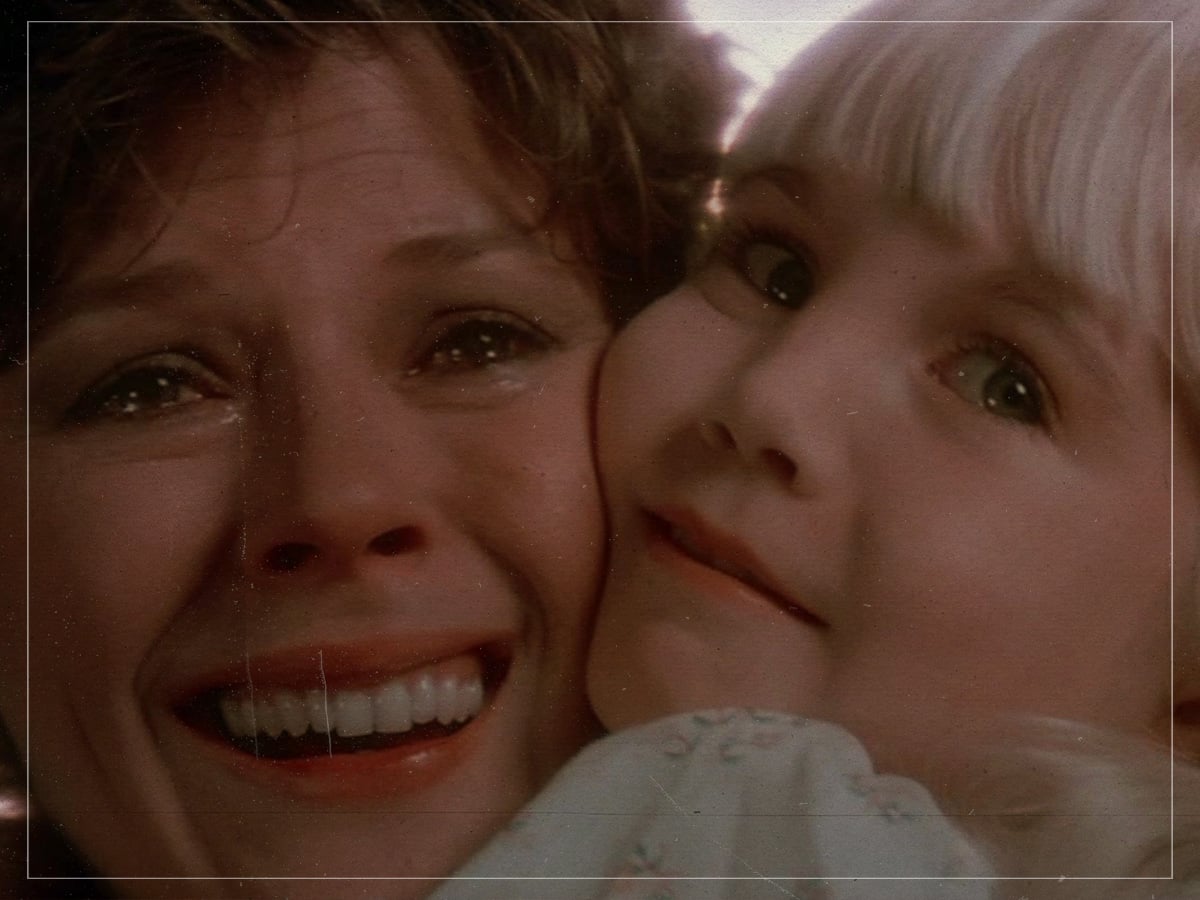
Horror sequels weren’t exactly in a good place in 1986, as it was a time in which franchises were churning out subsequent instalments in order to make iconic villains, even if that was not the intention of the original creators. While the year saw the release of one of the greatest horror sequels ever in The Texas Chainsaw Massacre 2, with director Tobe Hooper returning to the world of his 1974 classic, he unfortunately didn’t get hired to helm the follow-up to his other great horror masterpiece, Poltergeist.
While there is some dispute over whether Hooper actually directed the original Poltergeist, as some have alleged that Steven Spielberg was the one responsible, both of their presences were sorely missed from Poltergeist II: The Other Side, which turned one of the scariest family horror films into yet another haunted house thriller with cheap jump scares.
‘Maximum Overdrive’ (Stephen King, 1986)
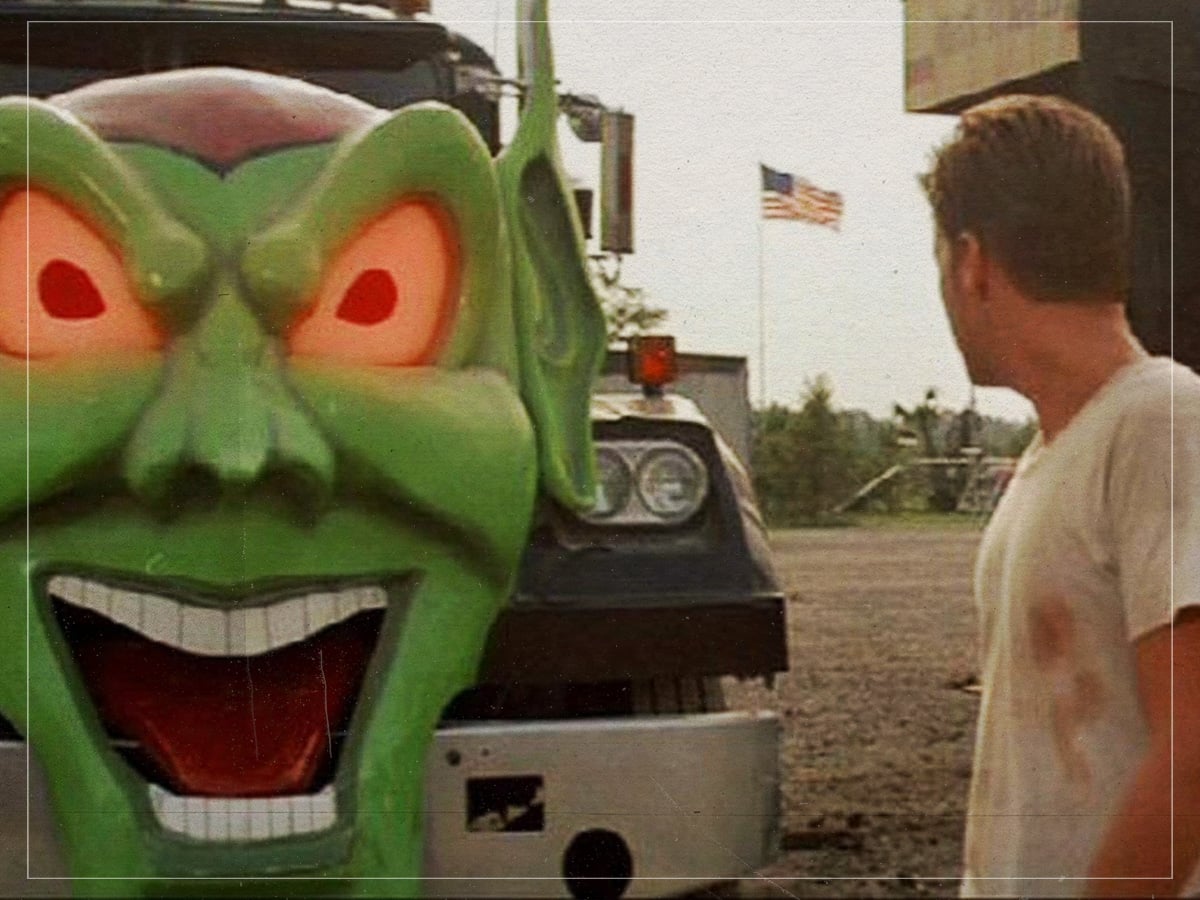
Stephen King commanded an incredible amount of clout in the ‘80s because he was releasing new hit novels that were being adapted into some of the decade’s biggest hits, which led him to become more opinionated about the directorial process, mistaking faithfulness to his work with filmmaking skill. After notoriously criticising Stanley Kubrick for making a film adaptation of The Shining that was nothing like the novel, the one time he decided to take things into his own hands, he proved himself to be an utterly incompetent filmmaker with his solo directorial debut, Maximum Overdrive.
Since then, he has stayed away from the directorial chair because of how terribly Maximum Overdrive turned out, as it seemed to expose weaknesses in his ability to tell stories for the screen. King’s reputation only survived because Stand by Me, the adaptation of his short story ‘The Body’, was released the same year to critical acclaim.
‘The Golden Child’ (Michael Ritchie, 1986)
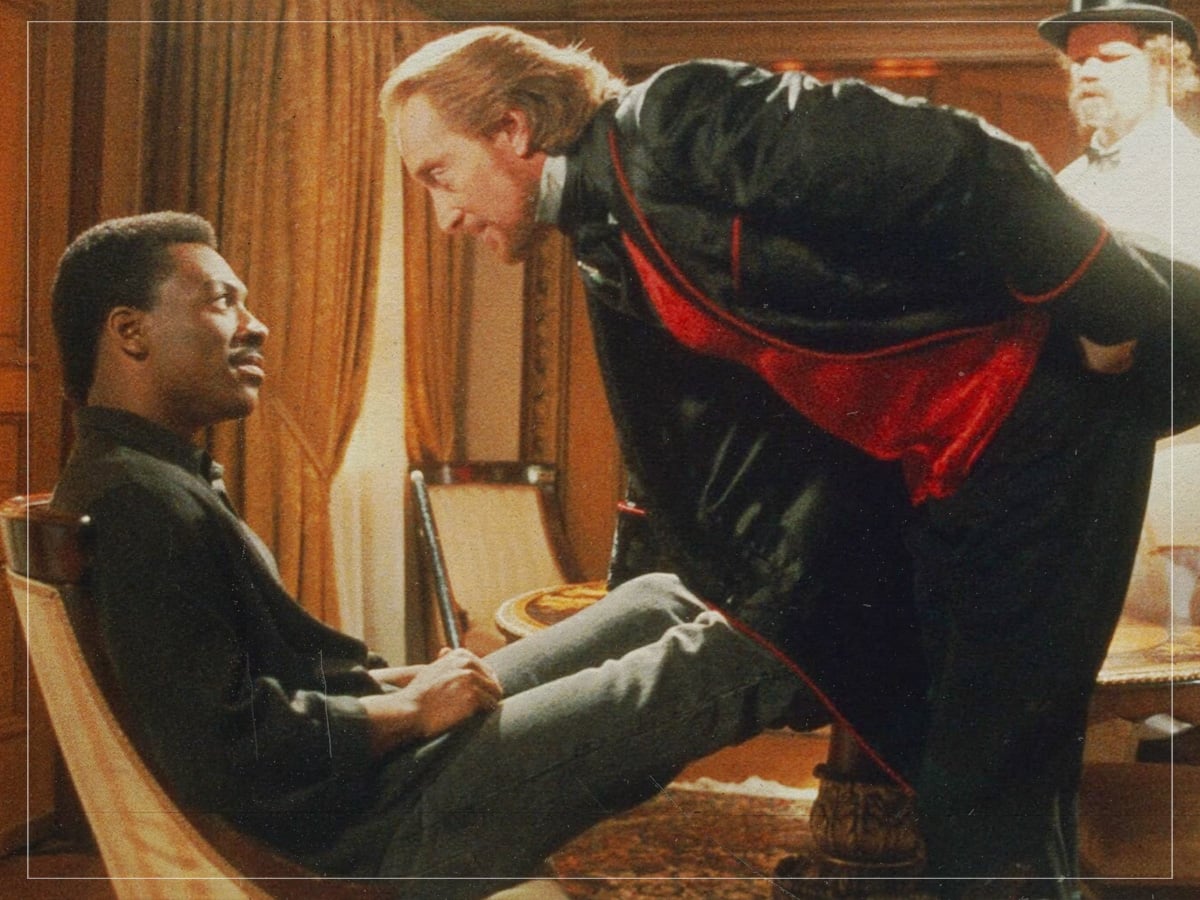
Eddie Murphy famously turned down the opportunity to co-star in Star Trek IV: The Voyage Home, one of the best films of 1986, to make the high-concept comedy The Golden Child that was too serious for children, but far too goofy to be taken seriously by adults. Although weren’t on the same page, resulting in a film
Murphy had succeeded because he made R-rated films like Beverly Hills Cop and Trading Places that could realistically be enjoyed by younger audiences, as they didn’t include anything too inappropriate. However, director Michael Ritchie, who is otherwise brilliant, was clearly not on the same page as Murphy, for the film showed the actor was willing to ‘tone down’ his humour in order to do a family film, which is something that would devastate his career by the time that he did Meet Dave, A Thousand Words, and Daddy Day Care.
‘The Morning After’ (Sidney Lumet, 1986)
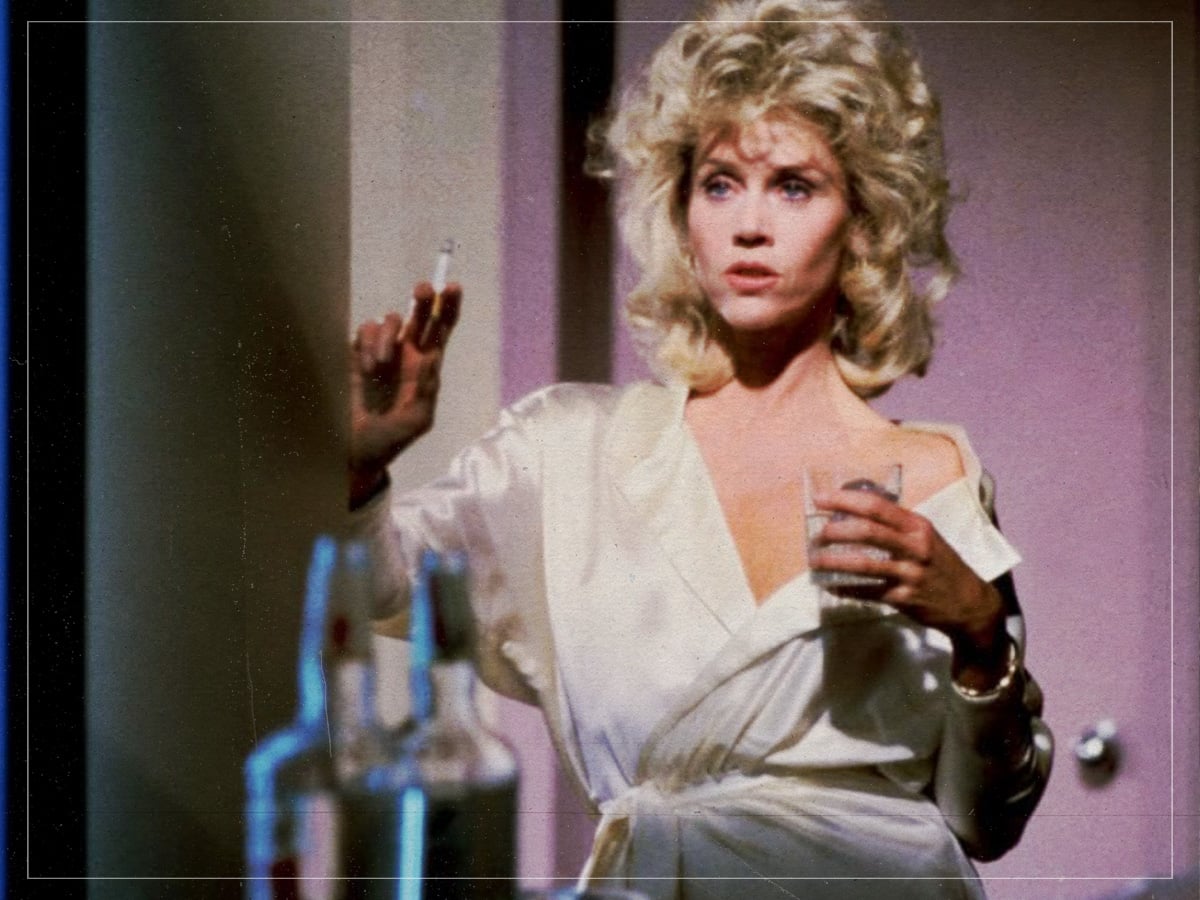
Sidney Lumet is one of the greatest filmmakers in history, which makes it all the more baffling that the psychological thriller The Morning After simply didn’t work at all. Despite strong performances from Jane Fonda and Jeff Bridges, two actors who are almost never bad, The Morning After is just never as interesting in reality as the premise seems on paper. Lumet had gone through a turbulent ‘80s and ‘90s, as The Wiz flopped and his brilliant cop drama Q&A was dramatically underseen.
The Morning After should have been right up Lumet’s alley, but its creative failure suggested that he had lost his edge in pursuit of something more agreeable by Hollywood standards. The fact that it isn’t a very interesting creative failure is perhaps even more damning for an artist like Lumet.
‘Under the Cherry Moon’ (Prince, 1986)
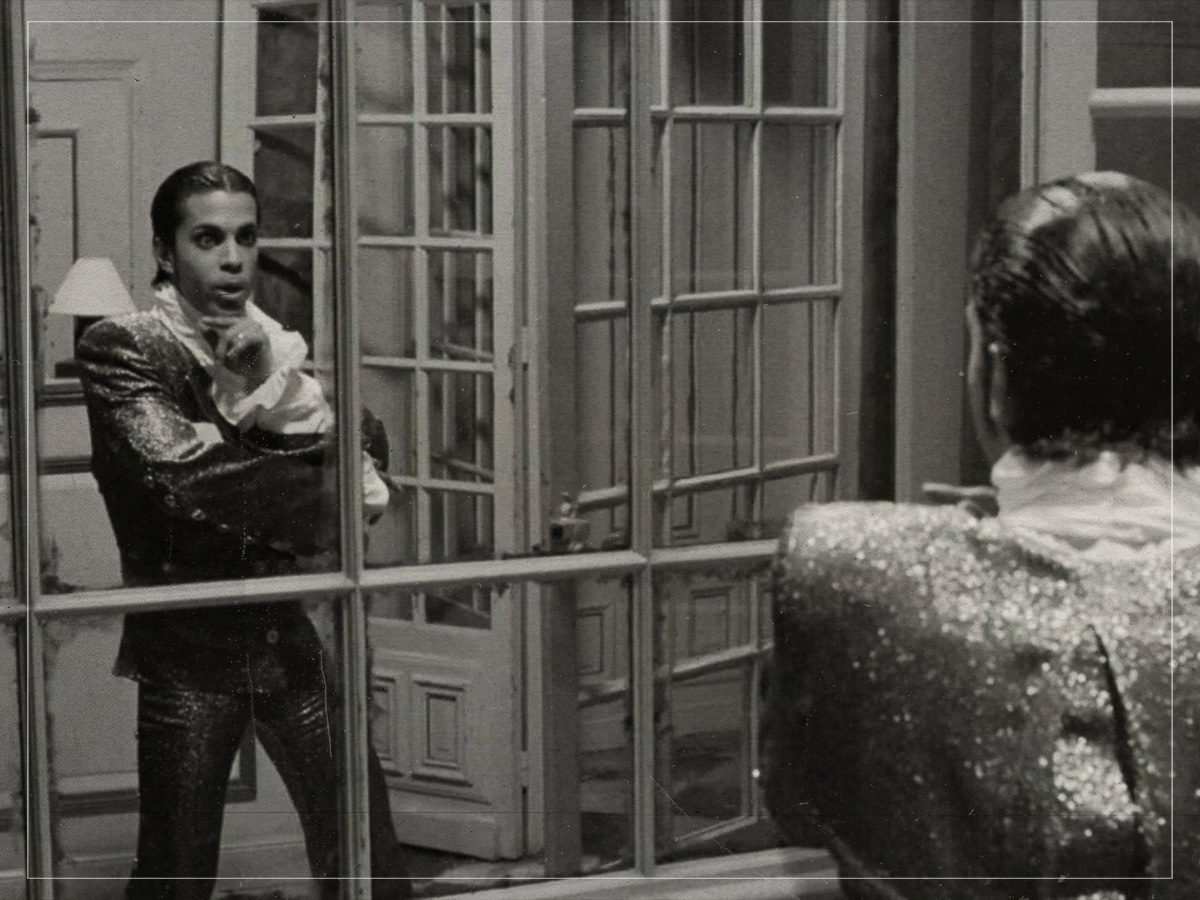
Prince was perhaps the biggest star of the ‘80s in terms of being a popular musician whose work was also agreed upon to be brilliant; while Michael Jackson may have sold more records, Prince’s work has held up better under scrutiny because of how inventive his production process was. The success of Purple Rain gave him so much freedom that he had the opportunity to direct a film, Under the Cherry Moon, a musical drama that was nostalgic in all the wrong ways.
While Prince was clearly trying to make a film that evoked the style of Old Hollywood, Under the Cherry Moon couldn’t help but feel like a poor man’s impression of Billy Wilder and Howard Hawks. It also started his unfortunate directorial career, and while he could be quite a striking actor, he never belonged in the director’s chair.
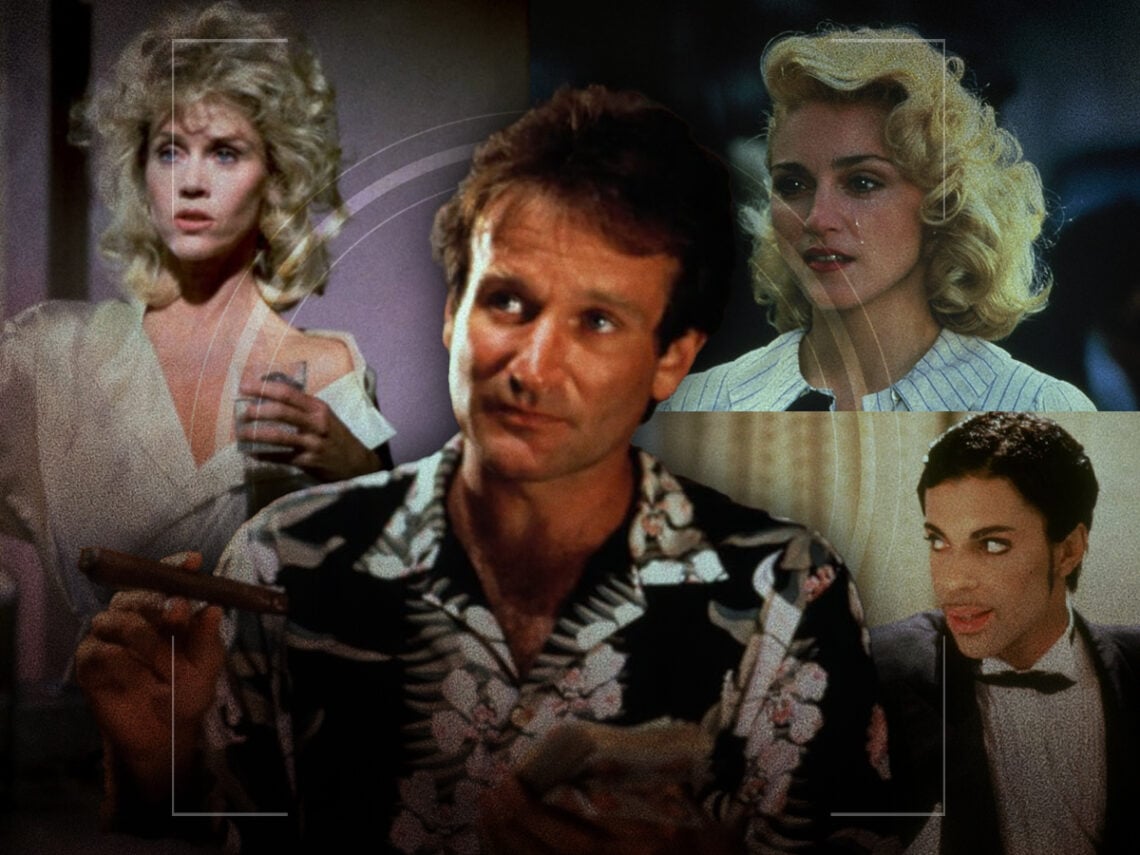
‘Shanghai Surprise’ (Jim Goddard, 1986)
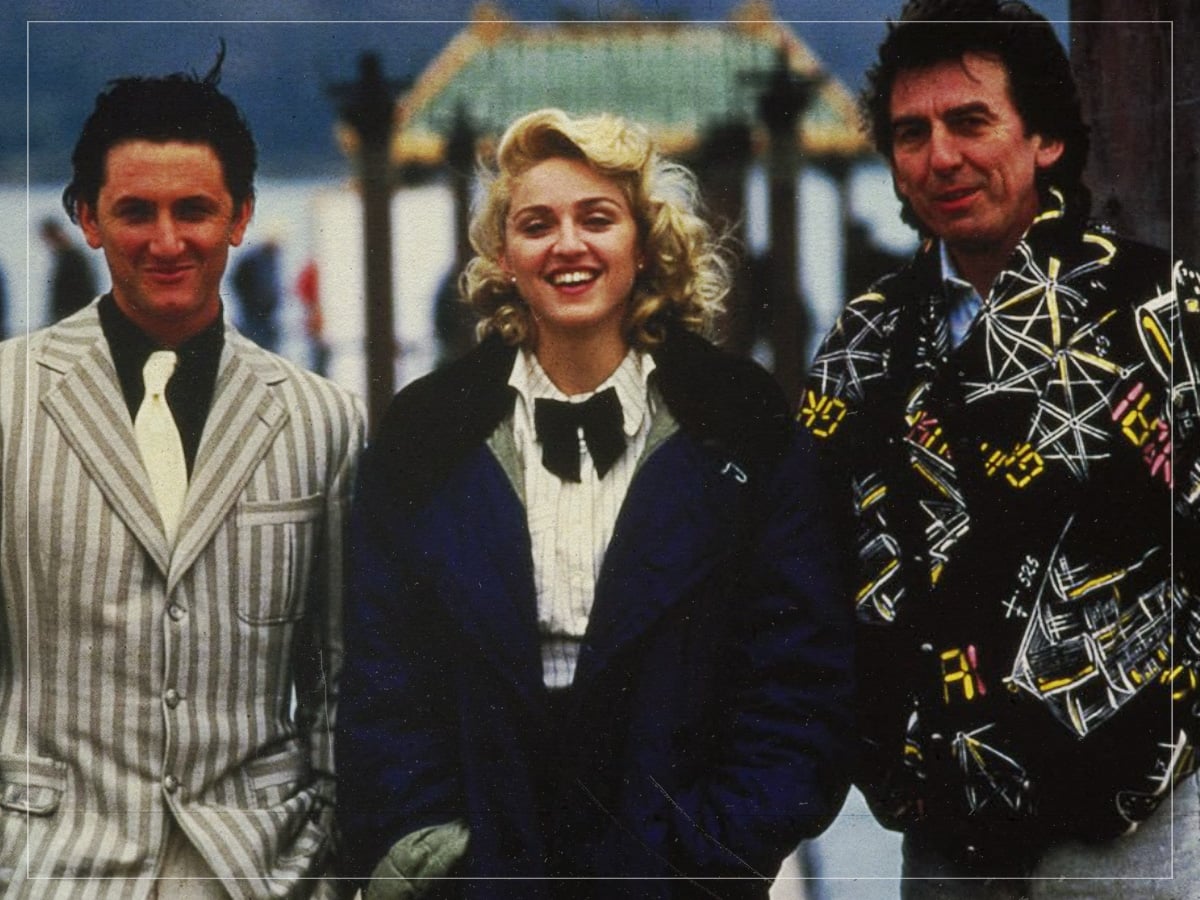
Madonna and Sean Penn had a somewhat infamously temperamental marriage and had developed a reputation for being creatively uncooperative on the set of Shanghai Surprise, a bizarre adventure comedy. Directed by Jim Goddard, George Harrison served as a producer on the film, who got into such a feud with them that it lasted up until his death.
Madonna is an actor best suited for exaggerated, often satirical roles, and Penn is best when he can do something dramatically captivating, but neither was a good choice for an adventure comedy in the vein of Indiana Jones, especially when they surprisingly had little chemistry onscreen. While the duo seemed to have reconciled in real life after their highly publicised divorce, neither looks good based on how everything with Shanghai Surprise went down.
‘Blue City’ (Michelle Manning, 1986)
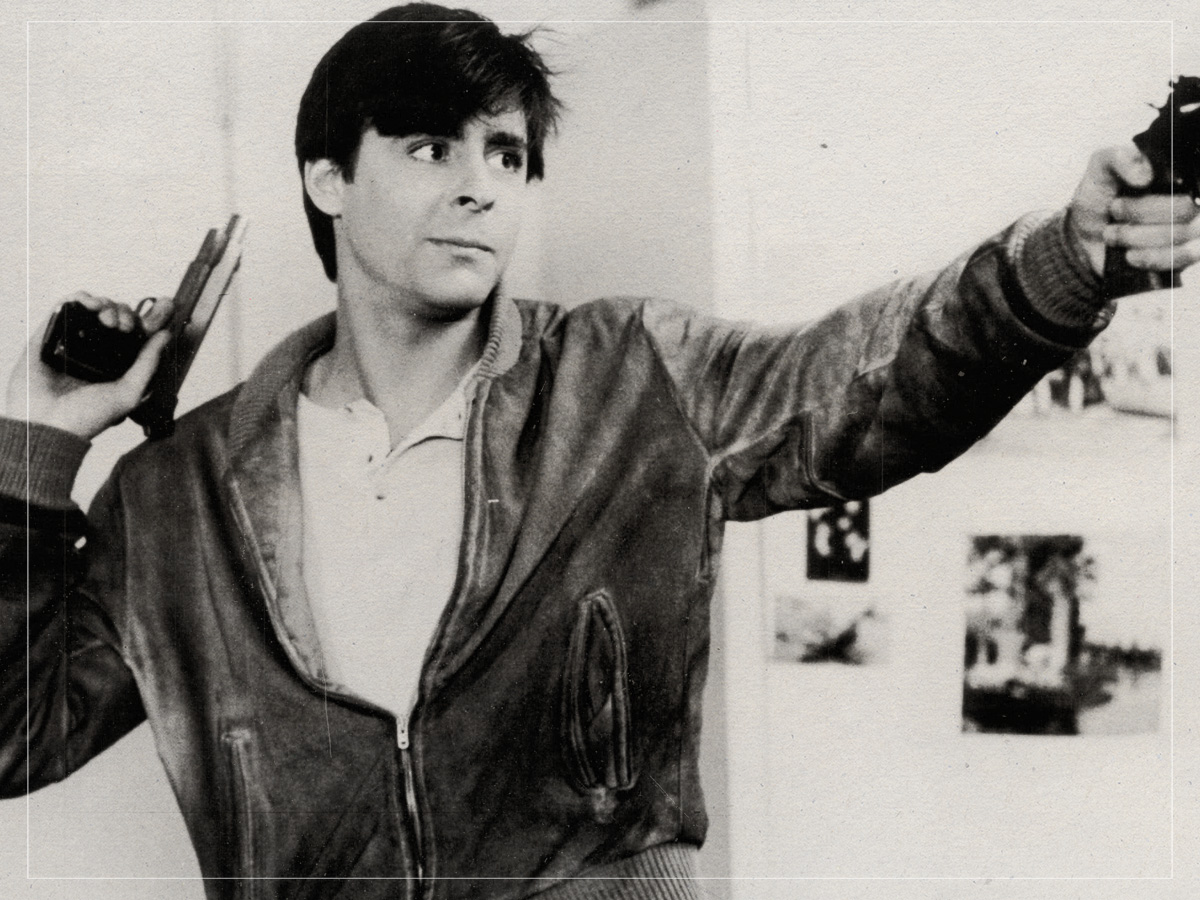
People had started to get sick of the group of young actors known as ‘the Brat Pack‘ in 1986, as they started to be perceived as narcissists who couldn’t deviate much from the same types of roles. It became increasingly clear that it was writer/director John Hughes who was responsible for much of the early films’ success. However, he made Ferris Bueller’s Day Off in 1986, which didn’t star any of the original Brat Pack members, but The Breakfast Club‘s Judd Nelson and Ally Sheedy struck out on their own to make the action thriller Blue City.
Blue City was an embarrassment because it showed that Nelson was completely ill-suited for ‘serious’ roles, as he still came off as very childish in what should have been a gritty revenge thriller. It unfortunately destroyed his reputation as a leading man, as he didn’t get another great role until he popped up in New Jack City five years later.
‘King Kong Lives’ (John Guillermin, 1986)
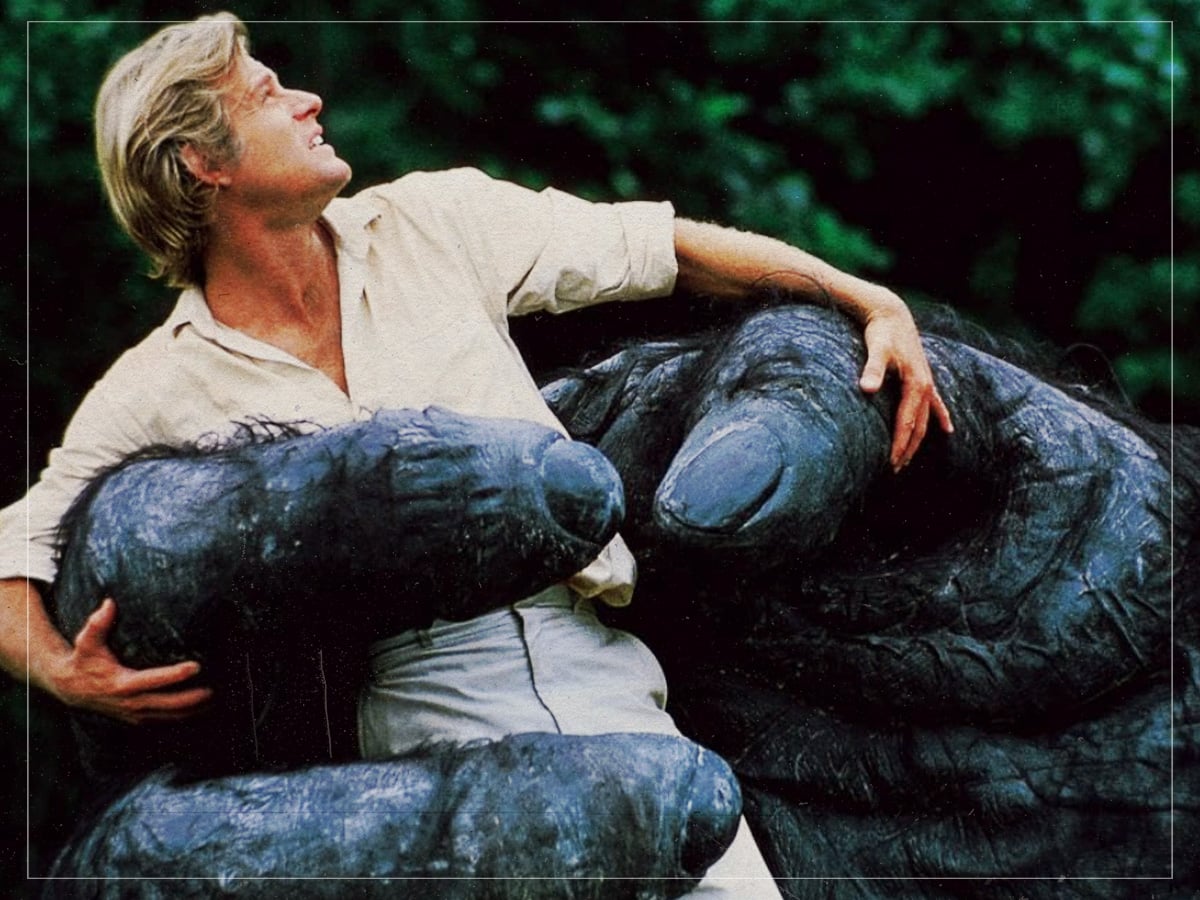
The original 1933 King Kong has such a legendary reputation that the 1976 remake basically didn’t change anything, which is why it has mostly been forgotten, but King Kong Lives was a cheaply produced sequel meant to capitalise on the beloved character’s popularity, despite the fact that it had almost nothing to do with the previous instalment.
This cheapened the legacy of the monster Kong, making him indistinguishable from other movie monsters who appeared in low-quality films. King Kong Lives was so destructive to the brand of the character that he didn’t have a full-on return until the 2005 remake from Peter Jackson, who was only able to get it off the ground because of his recent success with The Lord of the Rings.
‘Club Paradise’ (Harold Ramis, 1986)
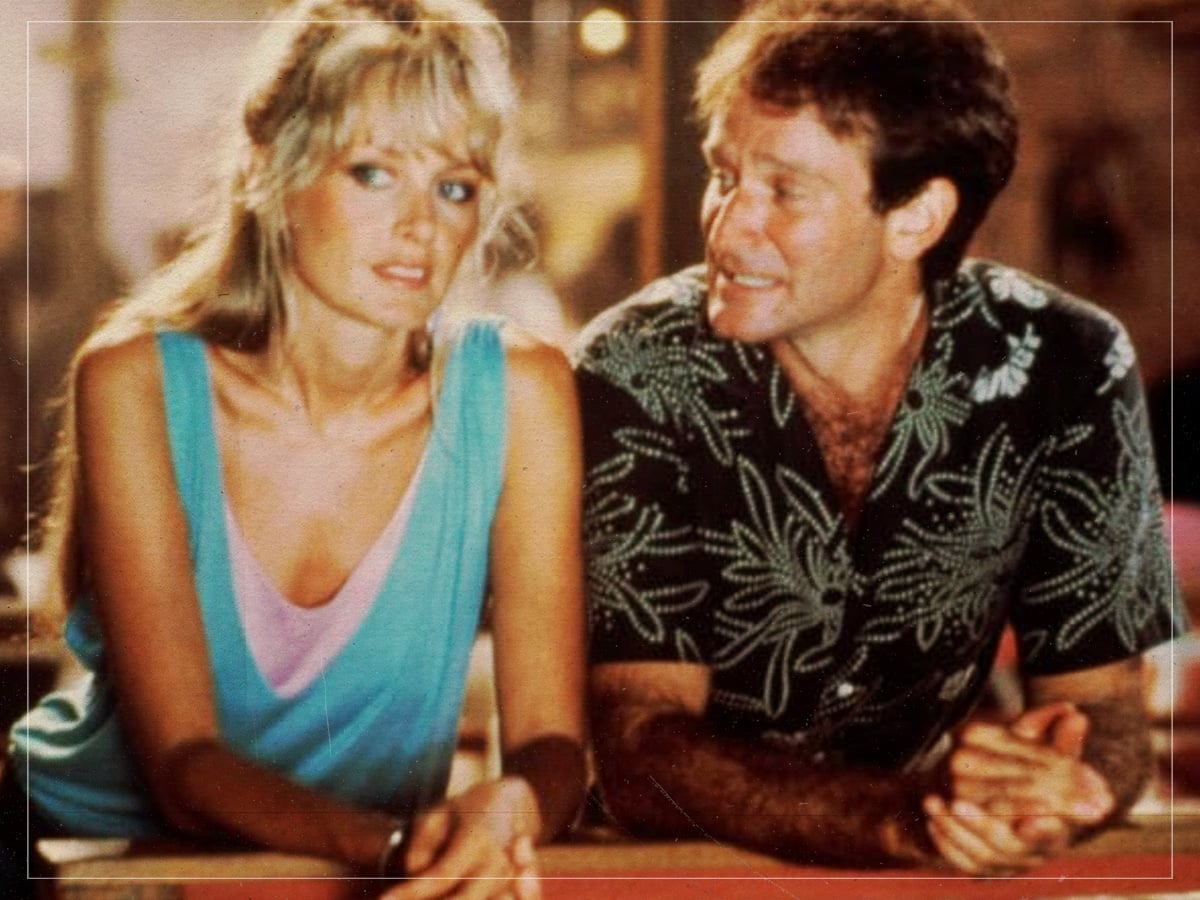
Harold Ramis was a brilliant comedic actor who admitted that he had to learn a lot as a director and evolved significantly as his films got more massive in scale. While the chaos behind-the-scenes on Caddyshack, his directorial debut, worked because it was intended to be irreverent and silly, Ramis wasn’t able to capture the same aesthetic when he made the ensemble comedy Club Paradise.
With Caddyshack, Ramis understood that the guys from National Lampoon had an unorthodox creative style that involved throwing things against the wall to see what would stick, but Club Paradise had a different vibe because it was largely cast from his show SCTV. There’s truly nothing worse than an unfunny film that has a lot of funny people in it, and the amazing cast included Robin Williams, Eugene Levy, Peter O’Toole, and Rick Moranis, and it still couldn’t stand up.
‘Pirates’ (Roman Polanski, 1986)
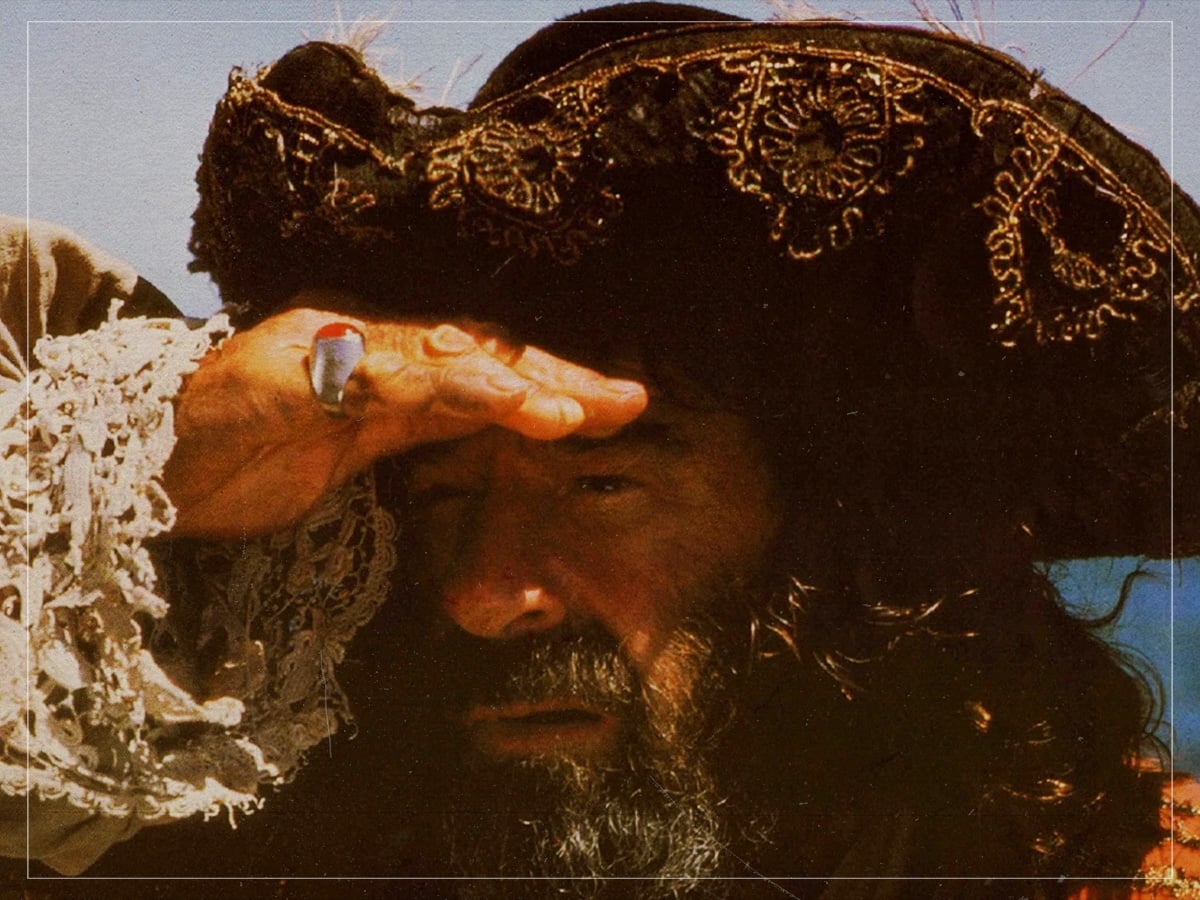
It can be very difficult to separate the art from the artist when it comes to Roman Polanski, a brilliant director who is also a terrible person, but there’s no such separation that is needed when assessing the catastrophic failure of Pirates, which would be a terrible film no matter who directed it. Polanski had such an aptitude for dark psychological thrillers that making a light-hearted adventure was the completely wrong choice because he does not seem to have a sense of humour.
Pirates didn’t just prove that Polanski was fallible, but managed to dissuade more studios from making films about the golden age of pirates. The entire era seemed impossible to adapt to the big screen, despite the innumerable pieces of source material to be drawn from, and there wasn’t a major pirate film until Cutthroat Island, another notorious disaster.
