



Brotherly loathe: The brief but messy breakup of The Black Crowes

Back in 2021, Liam Gallagher tweeted that The Black Crowes were “the only rock and roll band in America as far as I’m concerned”, and that’s a statement that says a lot about what Liam sees as qualifiers for a club that, once upon a time, America invented.
When the Crowes burst on the scene in 1990 with their debut album Shake Your Money Maker, the Atlanta-based band felt like a nice breath of fresh air; a high-octane blues rock outfit that mixed the down-home rootsiness of The Allman Brothers with the swagger of early Aerosmith and the ‘60s soulfulness of The Faces.
The singles ‘Hard to Handle’ and ‘She Talks to Angels’ were major radio hits, and to the credit of brothers Chris and Rich Robinson, the tsunami of grunge rock that followed their success didn’t motivate them to chase trends or re-invent their sound on their next album, 1992’s The Southern Harmony and Musical Companion. Instead, led by the anthemic lead single ‘Remedy’, that album went straight to number one in the US and achieved a career-best number two in the UK, as well.
Despite their success, though, The Black Crowes are rarely mentioned among the great or influential ‘90s bands, probably first and foremost because they seemed to exist wholly outside the decade, focused instead on reigniting some version of rock and roll’s past, a criticism that has sometimes been lobbed at their admirers, Oasis.
Part of the Crowes’ ‘traditionalist’ approach went beyond the musical part of the job, and included establishing the sort of bad public reputation that any proper rock and roll band ought to have, as far as they saw it. Cocky interviews? Check. Some trashed hotel rooms? Naturally. Making enemies from all corners of the industry? Might as well.
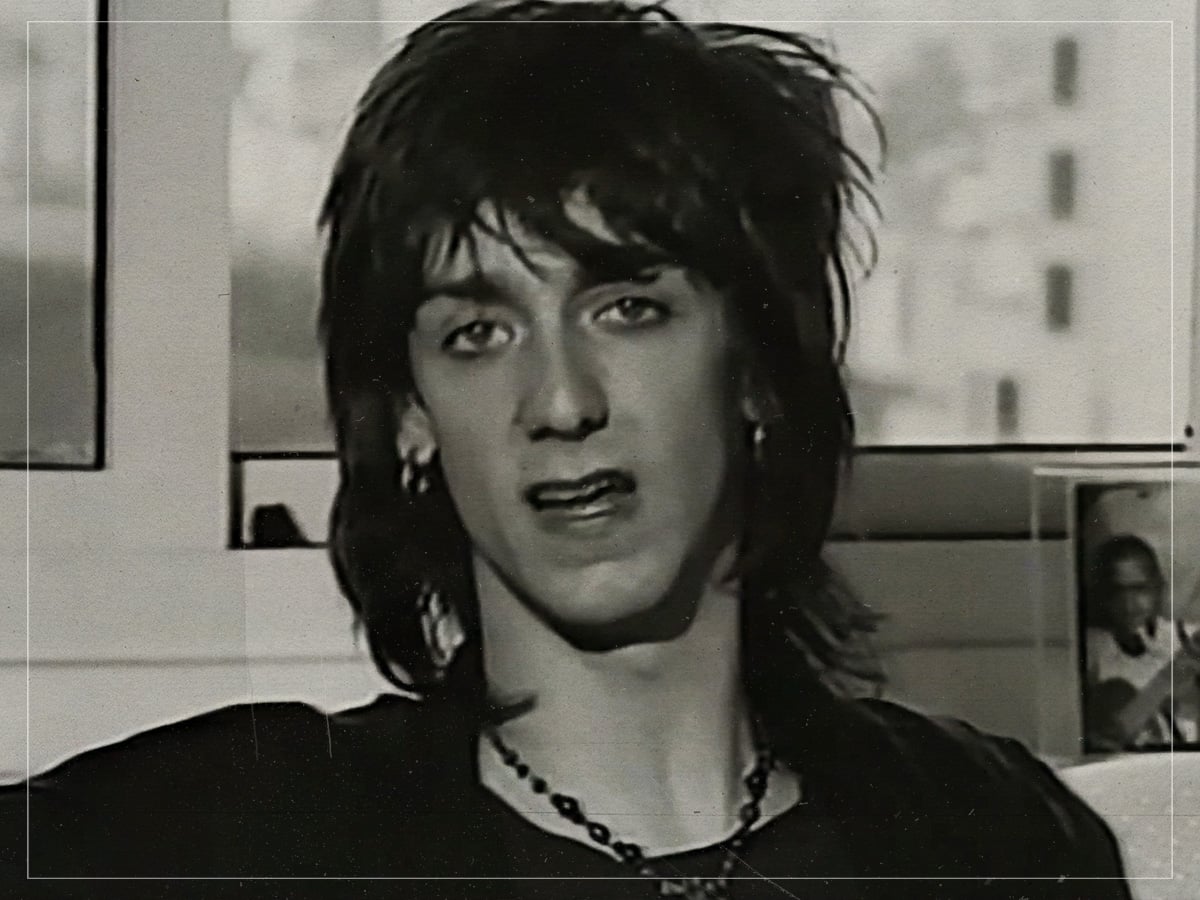
By 1993, the band had already started a feud with their fellow Georgians, the then height-of-their-powers REM, whom Chris Robinson referred to as “adult-oriented rock”. They were also kicked off a tour with ZZ Top for slagging off the tour’s sponsors on stage, got in hot water for criticising Aerosmith’s use of backing tracks on another tour, and butted heads with Tommy Stinson, who they fired as their own opening act after learning he’d made some less than complimentary remarks about the Crowes’ music.
More famously, in 1991, Chris Robinson’s fragile ego got him arrested after an incident at a 7/11 convenience store in Denver. After a woman recognised him as ‘Chris Robinson from the Black Crowes’, the woman’s friend responded, ‘Who are the Black Crowes?”, allegedly hearing which, Robinson was absolutely fuming. Like any good rock star would, he then spat on the poor, ignorant 7/11 shopper and exited the establishment without paying for the two cases of beer he took with him. He was eventually hit with a six-month probation for the crime, and later, seven years of marriage to Kate Hudson.
Of course, when it comes to the factors that really made the Black Crowes a ‘true’ rock band in the mould and spirit that Liam Gallagher could appreciate, it was the spiteful feud between the band’s two siblings, frontman Chris Robinson and younger brother/guitarist Rich Robinson, that really delivered the goods. While the Robinsons might have been slightly less willing to air their dirty laundry in the press, as compared to the Gallaghers, their reputation for despising one another, while simultaneously needing one another, was strikingly similar.
In 1995, after Chris Robinson had relocated to California during work on the friction-heavy Amorica album, things got particularly ugly on the ensuing tour, as the power struggle between the brothers threatened to implode the Crowes for the first time.
“Chris and I sort of reached this point,” Rich Robinson told the Orange County Register in 1996, “where he said, ‘I’m not budging,’ and I said, ‘Fuck you, I’m not budging either’. The band gets in the middle. No one wins… It reached a really bad point where we were both saying, ‘If that guy doesn’t shut his fucking mouth, I’m going to kill him’.”
The Robinsons were still in their late 20s at this point, but the petty power-plays were already getting tiresome, especially when their bandmates were left having to constantly defend the behaviour of their songwriters.
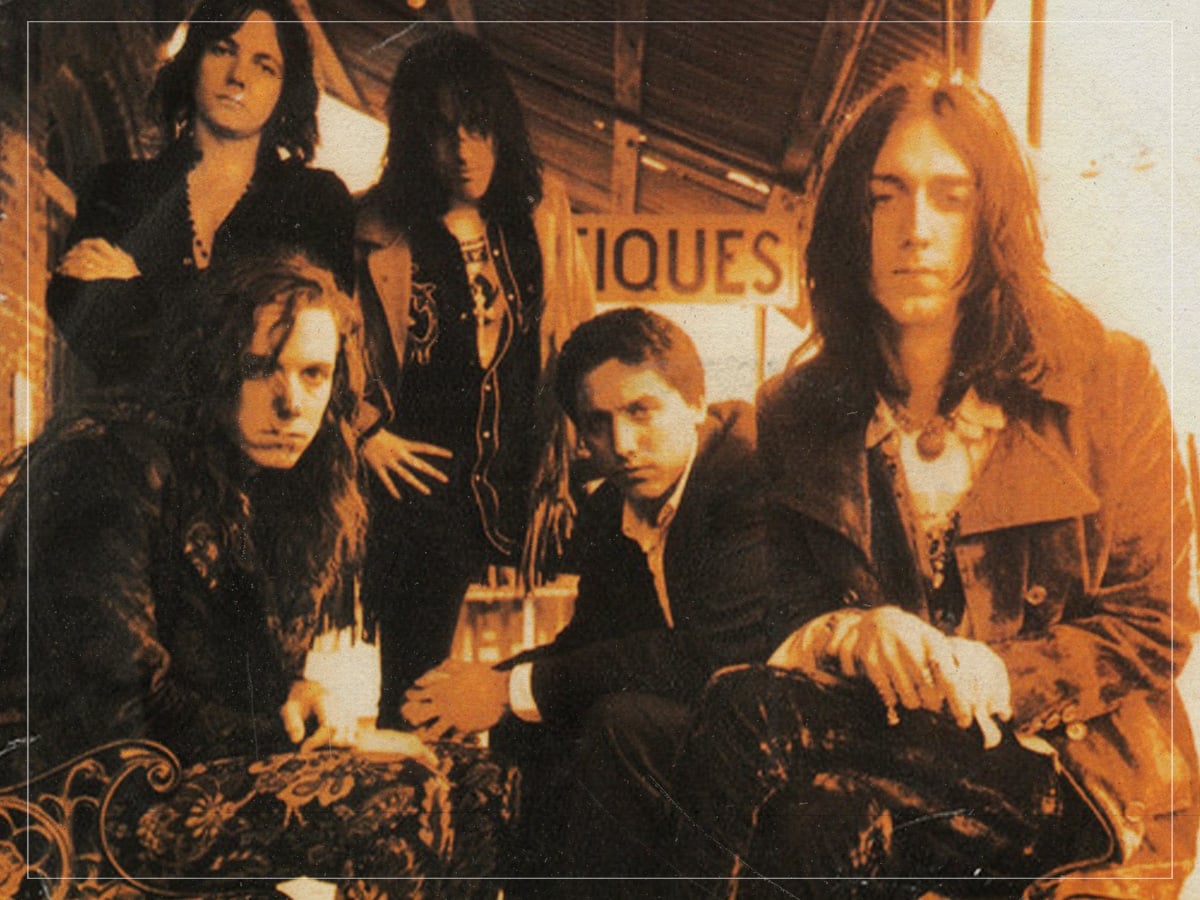
“The issue between Chris and Rich is simple,” drummer Steve Gorman told the Record-Journal in 1996, “They are brothers… It’s always been that way with brothers in bands. The thing is, we’ve been doing this for so long now that there isn’t such a clear-cut line anymore. Now everyone is treating each other like brothers. There are plenty of flare-ups, but to me, that is normal. You put any six people on a bus for two years, and it’s bound to happen.”
Rather than gradually resolving their issues and settling into their 30s, the Robinsons continued to clash over the next five years, almost embracing their dysfunction as part of their brand. This, by no coincidence, led to a high-profile, double-headlining tour in 2001 with Oasis, complete with the tongue-in-cheek name, The Tour of Brotherly Love. Both sets of sibs were being quite kumbaya during the press junket for the tour, saying they’d calmed down and learned to work with their brothers at long last.
When a reporter for the Chicago Tribune asked Chris Robinson if he and Rich might serve as a positive example for the Gallaghers on the road, Chris responded, “Hey, everyone has to go through what they’re gonna go through. When you’re there with your brother, no one can tell you what to do. Anyone who has ever tried, just made it worse.
“Besides,” Robinson added, “Rich and I never had the flair for the dramatic that [the Gallaghers] have anyway”.
Just a year later, in 2002, the Black Crowes announced that drummer Steve Gorman was leaving the line-up and that the band was now on an indefinite hiatus. Not unlike Oasis, it was usually the other musicians who came and went across the tumultuous history of The Black Crowes, rather than the two siblings at the centre of the storm.
When the band eventually returned with a new album, 2008’s Warpaint, it seemed like peace might have finally been achieved between the now middle-aged Robinsons, but this new era ultimately ran into the same issues as the first, and by 2014, the inner-band turmoil had reached its worst levels yet. In January of the following year, Rich Robinson released a statement, officially pulling the plug on the Crowes.
“It is with great disappointment and regret that after having the privilege of writing and performing the music of The Black Crowes over the last 24 years, I find myself in the position of saying that the band has broken up,” Robinson wrote.
While Rich was careful to frontload some warm and cuddly feelings about his appreciation for the band’s achievements, he also made no bones about why the train had finally derailed.
“I love my brother and respect his talent,” Rich wrote, “but his present demand that I must give up my equal share of the band and that our drummer for 28 years and original partner, Steve Gorman, relinquish 100% of his share, reducing him to a salaried employee, is not something I could agree to.”

Yes, the break-up of the Crowes was certainly framed as a villainous Chris Robinson production, something that seemed unthinkable from a friendly chap who used to spit on women who didn’t recognise him at corner shops. Maybe, some Chris apologists thought, this was an unfair, biased assessment from kid brother Rich. In fact, though, Chris Robinson has since acknowledged that all of Rich’s brutal accusations were essentially true.
“I was angry,” Chris explained on a recent episode of Jay Mohr’s Mohr Stories podcast, noting that he’d felt the group had become motivated by commercial gains rather than making good music.
His response, oddly, was to focus even more on the money himself, adding, “At the time, the manager goes, ‘Well, what would you want to keep doing this?’ And I knew this would be the nail in the head. I knew I could also set it down. I said, ‘Oh, I want more money then. If this is a cash cow, then I want my side of beef’.”
“I did it to be cruel in a way, too,” Chris admitted, “because my heart was broken, and I wasn’t gonna allow my spirit to be broken [by] the business and the attitude and culture that the band had cultivated at that time.”
Chris and Rich didn’t speak for several years after the ugly breakup, but, like their pals from Manchester, no amount of scorn could keep them away from the glory of the spotlight. Patching up their issues yet again, the brothers got together for a tour in 2019, and eventually released their first album of new, original material in 15 years with 2024’s Happiness Bastards. A follow-up, A Pound of Feathers, arrived earlier this year, and so far, like the Gallaghers, it’s all peace and harmony at the Robinson family dinner table, even if some of their fans are now trying to start a new beef.
