


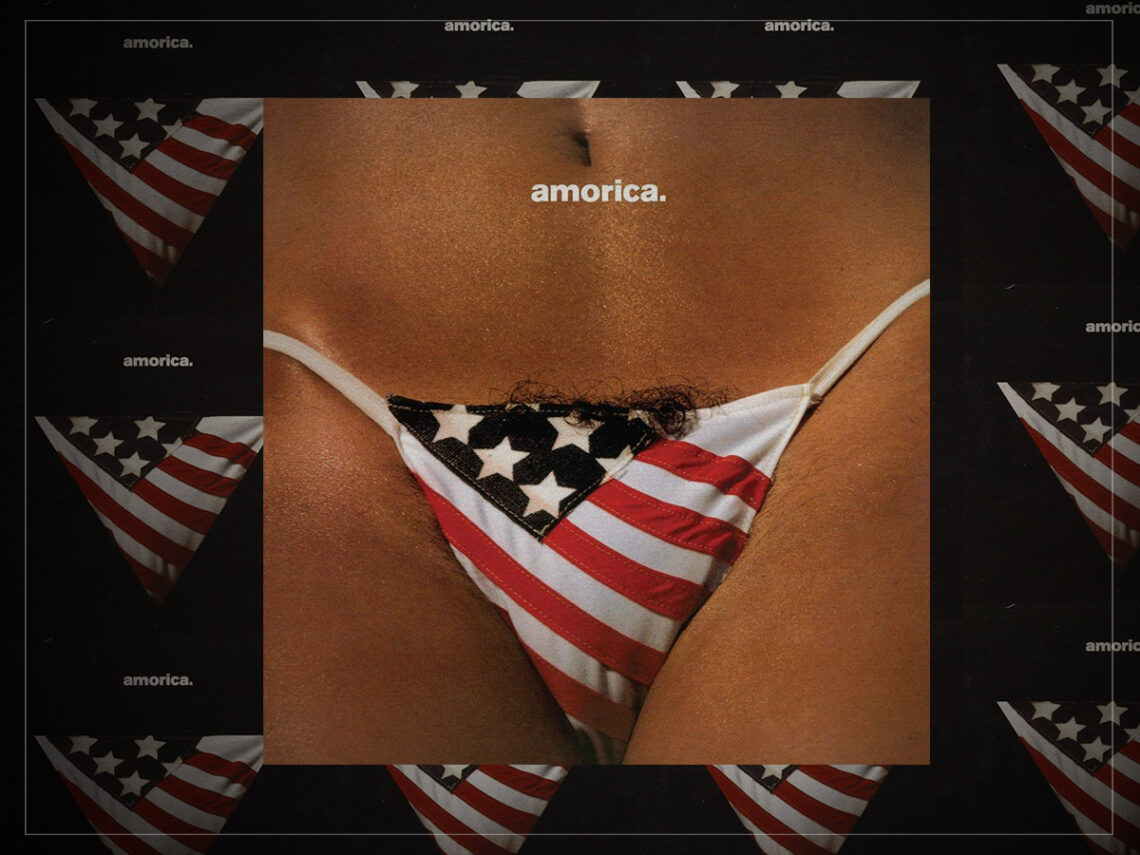
‘Amorica’: How pubes saw The Black Crowes banned for being too erotic

Across the early 1990s, The Black Crowes pursued a vintage slice of yesteryear’s rock that both won a fervent fanbase while also bewildering the alternative wave sweeping the nation.
Classic rock revivalism had reared its head. Once the 1980s’ new wave sheen and MTV hair metal died a death upon the new decade’s dawn, the likes of Soundgarden, Jane’s Addiction, and The Smashing Pumpkins all owed a debt to Led Zeppelin, their albums dominating the Billboard 200 at the time packed with such unmistakable Zep DNA frontman Robert Plant had made wry comments at the time of encountering a strange sense of pop déjà vu 20 years on from his arena monster.
Yet, The Black Crowes’ overt veneration of the previous generation’s countercultural offerings rankled some, seeing their rootsy boogie as too much of a pastiche to take seriously. While kids with Nine Inch Nails shirts may have failed to grasp what the fuss was about, plenty fell in love with brothers Chris and Rich Robinson’s authentic channel of The Rolling Stones and The Faces, a thoroughly Anglophile affinity with the British Invasion yet utterly American in just the manner The Glimmer Twins had plundered the US songbook for Exile on Main St.
The Black Crowes proved to be no mere vintage parody act. Soaking up the era’s renewed appetite for clamouring toward the ‘real’ on a level unseen since Woodstock, the brothers poured a deep love of their garage, dashes of punk, and blues grounding saw 1990’s Shake Your Money Maker debut and follow-up The Southern Harmony and Musical Companion, heralded by the fanbase as rock’s great return.
Before long, a reputation for pissing off corporate sponsors saw a booting off ZZ Top’s arena tour that only added to their rebellious glow. “We’re anti-authority,” Chris told The New York Times in 2024. “That’s the whole point of being in a band. We’ve always felt a romantic connection to things that we felt were authentic”.
Such sticking it to the man would play out spectacularly for their third album. Playing with the triple portmanteau of “America”, “amoral”, and “amore”, Chris wished to anchor 1994’s Amorica with a fitting image of unabashed passion and quiet subversion by lifting the cover of a July 1976 edition of Hustler magazine featuring the close-up of a woman’s bikini bottom sporting the stars and stripes.
Yet, what seemed to cause retailer anxiety was a bunch of offending pubic hair poking out the top of the underwear. Such a transgression, monster stores like Walmart and Kmart refused to stock the record. Agreeing on a limited compromise, a censored version was issued with the skin and hair blacked out, leaving just the underwear in the frame.
“It’s OK to see guns and violence, but God forbid if we see pubic hair,” manager Pete Angelus told the Los Angeles Times in the run-up to Amorica’s release.
The times were changing, and the Billboard top spot that The Black Crowes had previously enjoyed ebbed with Amorica, despite its critical acclaim. Yet, it’s likely that further sales would have been bestowed upon the band had the corporate giants seen fit to stock an image of pubic hair just as easily as firearms.
