‘Beautiful Thing’ is an underrated queer coming-of-age movie that should be a staple

Queer cinema blossomed in the 1990s with the likes of American filmmakers such as Gregg Araki, Cheryl Dunye, Todd Haynes, and Jamie Babbit, whose films defined an era of increased visibility for LGBTQ+ stories on screen.
In the wake of the AIDS crisis that had made such an impact in the ‘80s, these filmmakers told stories of queer relationships and identities which were totally real and honest – they were a political cry, even when they were wrapped in candy colours and dressed with campy humour.
Movies like Totally Fucked Up, The Watermelon Woman, and But I’m A Cheerleader attempted to break down taboos by depicting characters who were interested in same-sex relationships as normal people – not deviants or morally bankrupt figures. That almost feels ridiculous to write, but at the time, these movies really were revolutionary. They simply demanded acceptance because, after all, gay marriage was still outlawed in the United States.
Across the pond, there were various filmmakers making their own mark on the British queer canon, but only a few of these movies have had as lasting a legacy as their American counterparts. That’s not for lack of brilliance, though. Most LGBTQ+ movies of the era just weren’t given big budgets, and paired with the fact that they were dealing with a topic considered ‘taboo’, it’s no surprise that many films failed to find much widespread success.
Yet, these films, like Beautiful Thing, paved the way for increased LGBTQ+ visibility and acceptance in the United Kingdom, and without them, we might not have the existence of recent successes, like Heartstopper and Sex Education.
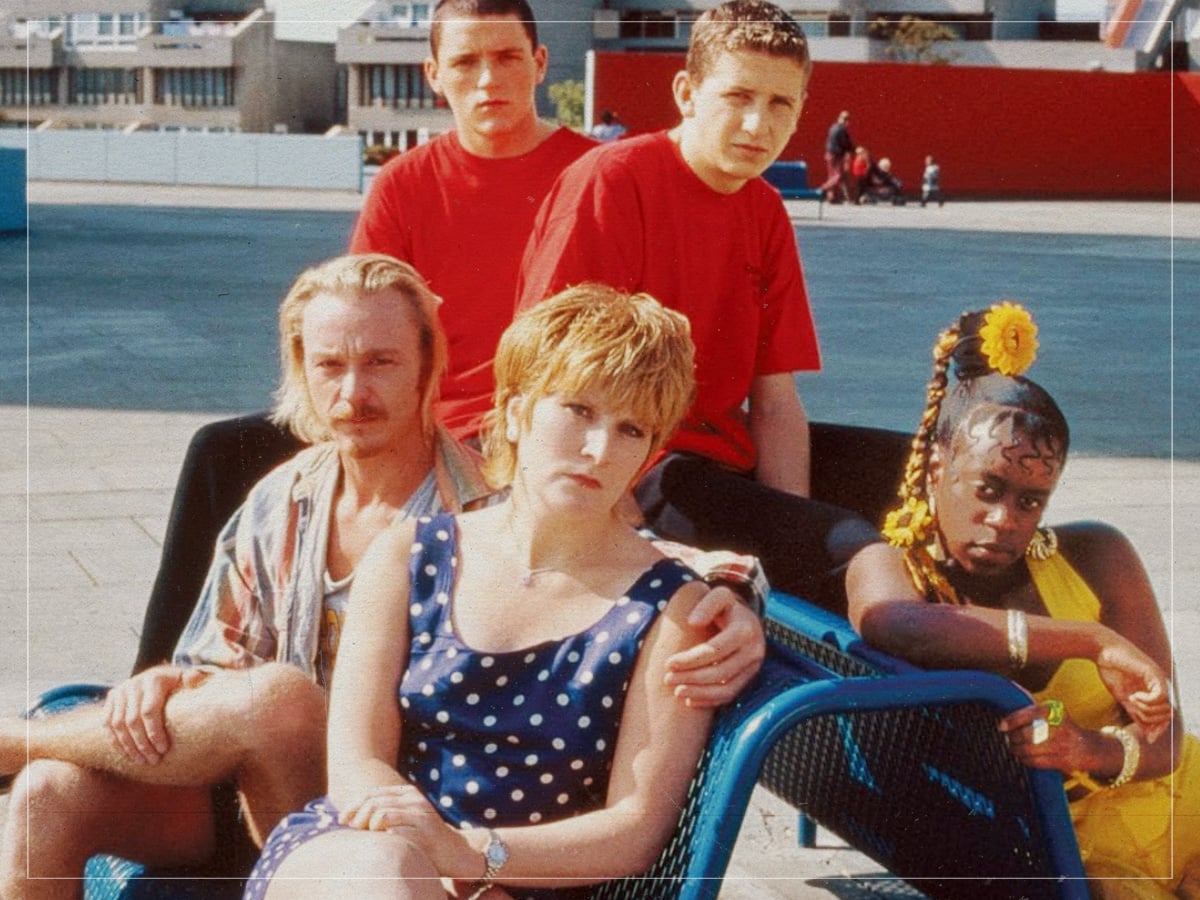
Released in 1996, Hettie MacDonald’s tender coming-of-age comedy takes us to a council estate in London, where a teenage boy named Jamie lives with his mother. Reserved and disinterested in sports like the other boys, Jamie is relentlessly bullied, but soon he finds companionship in his neighbour, Ste, who lives in a violent household.
After Jamie’s mother takes Ste in for the night, letting him share Jamie’s room, the pair get closer, eventually acting on romantic feelings for one another. In traditional British comedy style, we meet some eccentric characters, like Jamie’s loudmouthed mother and her neo-hippie boyfriend, yet the movie never draws attention away from the inequalities faced by Jamie and Ste, who just want to be together without anyone bullying them, judging them, or worse.
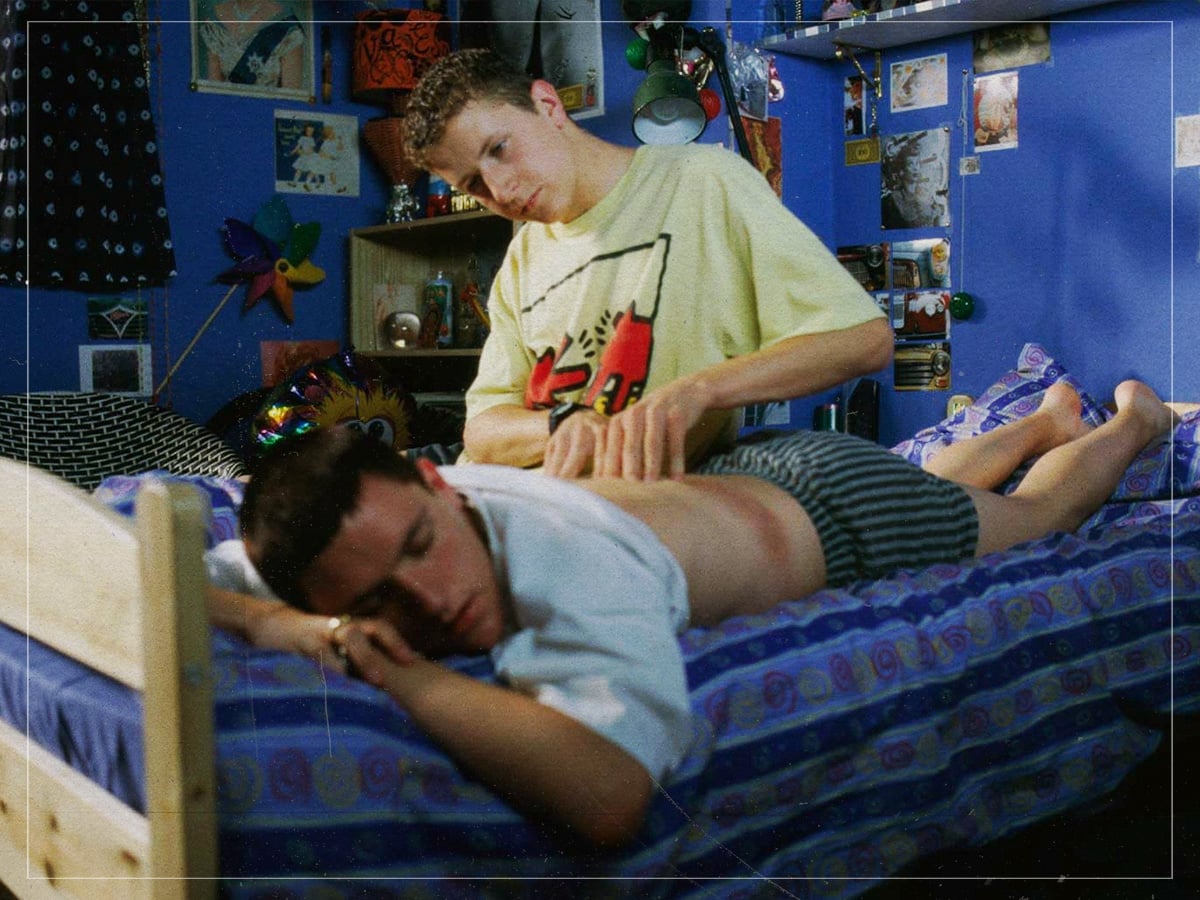
MacDonald, who’d go on to direct Normal People, and screenwriter Jonathan Harvey, carefully depict the simultaneous apprehension and excitement of opening up to someone through the unfolding relationship between Jamie and Ste. In one standout scene, Jamie gives Ste a massage after he complains of his back hurting, and it’s a quiet and gentle moment, in which the pair operate with their nerves almost overriding them, yet slowly, they allow themselves to give in to something intimate.
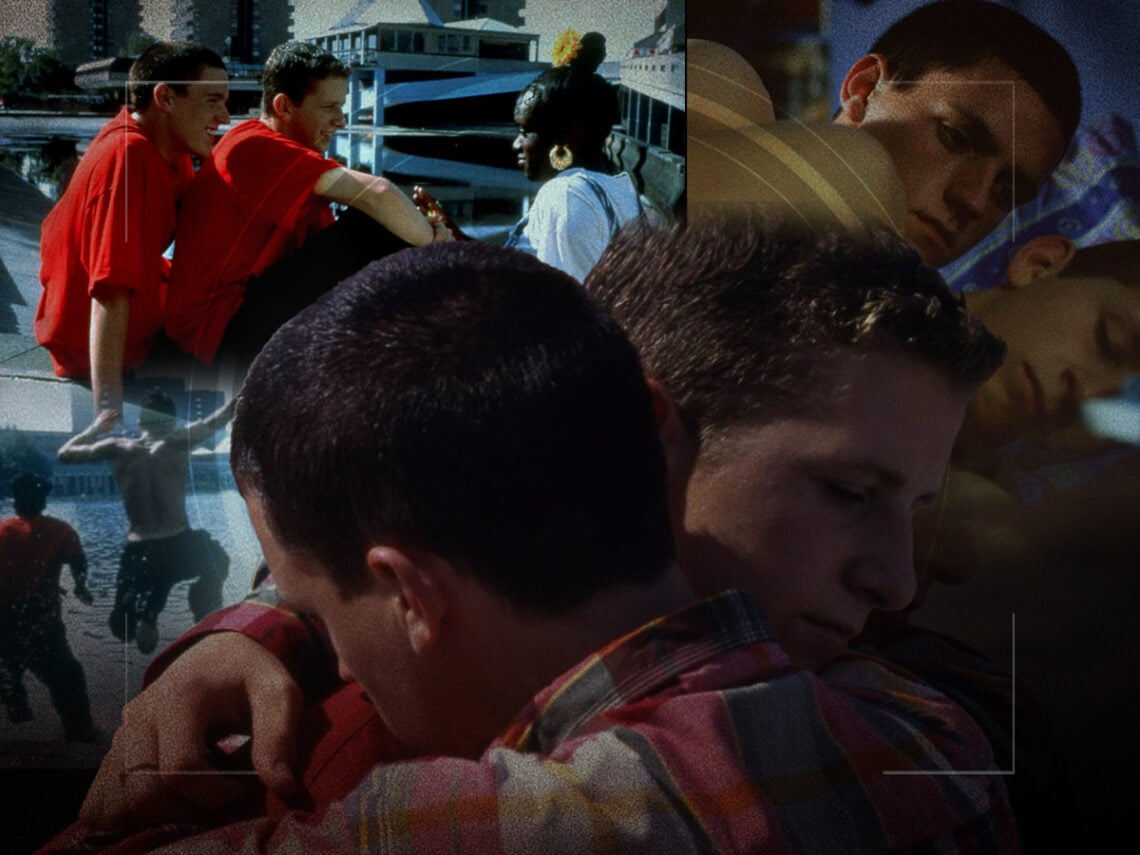
Beautiful Thing is a special viewing experience, because for all of the scenes which emphasise experiences of insecurity, homophobia, and violence, there are enough that suggest that queer relationships can be a happily ever after, too.
It’s rare that a film about gay relationships actually ends as positively as this one, and for a movie made in the post-Thatcher era, in which homosexuality was banned from being taught in schools under Section 28 (and this wasn’t actually repealed until 2003), that was really quite groundbreaking. Just think about how many young British boys grappling with their sexuality might have found a sense of acceptance in themselves because of a story as understanding and celebratory as Beautiful Thing.
Adolescence is sometimes depicted with a level of corniness or artificiality in glossy American pictures, but in Beautiful Thing, it’s all stripped back. Coming of age feels raw and fully realised here, in all of its complexities, and with its almost crushingly realistic performances from Glenn Barry and Scott Neal, the movie stands as one of the greatest coming-of-age movies the country has ever produced.
30 years on, and Beautiful Thing remains underrated in terms of the British cinematic canon, though, not least because it emerged during the same year as a much more successful classic, Trainspotting. Yet, Beautiful Thing is essential viewing that deserves to be much more widely celebrated.