


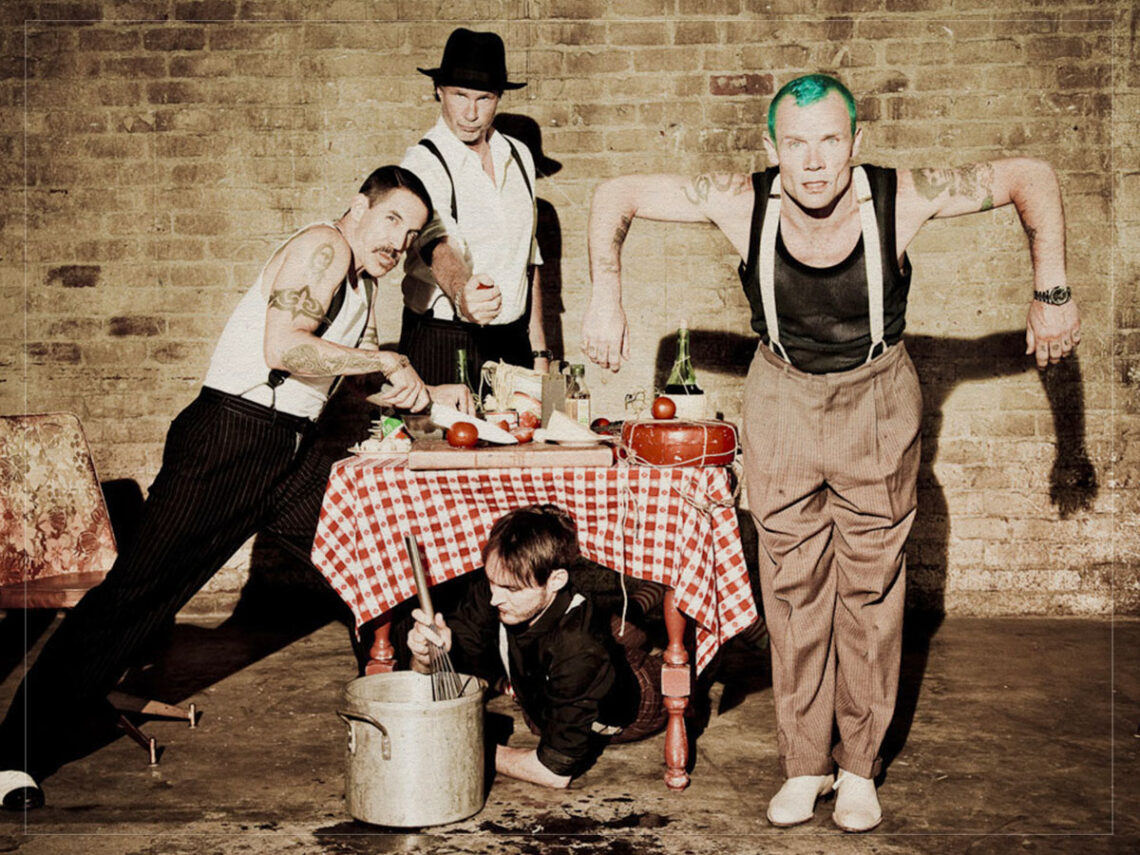
Heroin, sobbing, and solo records: The manic backstory of the Red Hot Chili Peppers’ best record

Red Hot Chlli Peppers are a by-product of music’s obsession with funk-infused genres, which ran throughout the 1980s and ‘90s.
It seems that regardless of the kind of music a band was making, it was impossible for them not to pop in a little bit of funk here and there. You want rock? You have the Red Hot Chili Peppers. You want thrash? You have Primus. You want metal? Put on a Living Colour album. That infectious rhythm was in the air, and everyone who breathed it couldn’t help but replicate it. Even Chili’s lead singer, Anthony Kiedis, himself said the band saw themselves as “This hardcore, bone-crunching, psychedelic sex-funk band from heaven.”
A huge part of that sound was John Frusciante, the band’s guitarist. He was able to put together guitar lines that were undeniably rock-centric but also complemented the funk theme, which rang through the band. It was a huge loss to the Red Hot Chili Peppers when his drug addiction became too much, and he ended up leaving the group.
Flea, Kiedis and Chad Smith all decided they wanted to continue making music even without Frusciante, but recognised they needed to find a replacement. It was tricky trying to pin down exactly who would be best for the band. They felt as though they had stumbled upon a miracle in the form of Dave Navarro, Jane’s Addiction’s guitar player, who turned down an offer from Guns N’ Roses to join the band.
Ultimately, Navarro wasn’t a good fit. There were a few reasons, the first being that he and the band didn’t quite see eye to eye on things such as ethos, attitude, and set design. This was abundantly clear when they headlined Woodstock in 1994, intending on wearing lightbulbs on their head, an idea that Navarro pushed back on.
“It was daunting for Dave,” said Kiedis when discussing the show, “With a light bulb on your head you can’t see the frets, and if you’re in a new band you want to see what you’re playing. Plus, it’s hard to look cool with a light bulb on your head.”
Of course, the main issue came in the form of the music itself, as Navarro was more of a rock-centric guitarist and wasn’t able to inject the necessary elements of funk into the band that they had built their reputation on. Ultimately, the album they made together, One Hot Minute, fell short of the mark.
Kiedis didn’t want the band to break up, but he did kick Navarro out, something which he later attributed to issues surrounding a particularly heavy drug addiction that Navarro was struggling to shake. Of course, Navarro found this somewhat ironic, stating Kiedis’s addiction was just as bad.
“Anthony says it was because I tripped and fell over an amp while on drugs,” he said, “I say that he was on more drugs than me at that point. We both had a loose relationship with reality.”
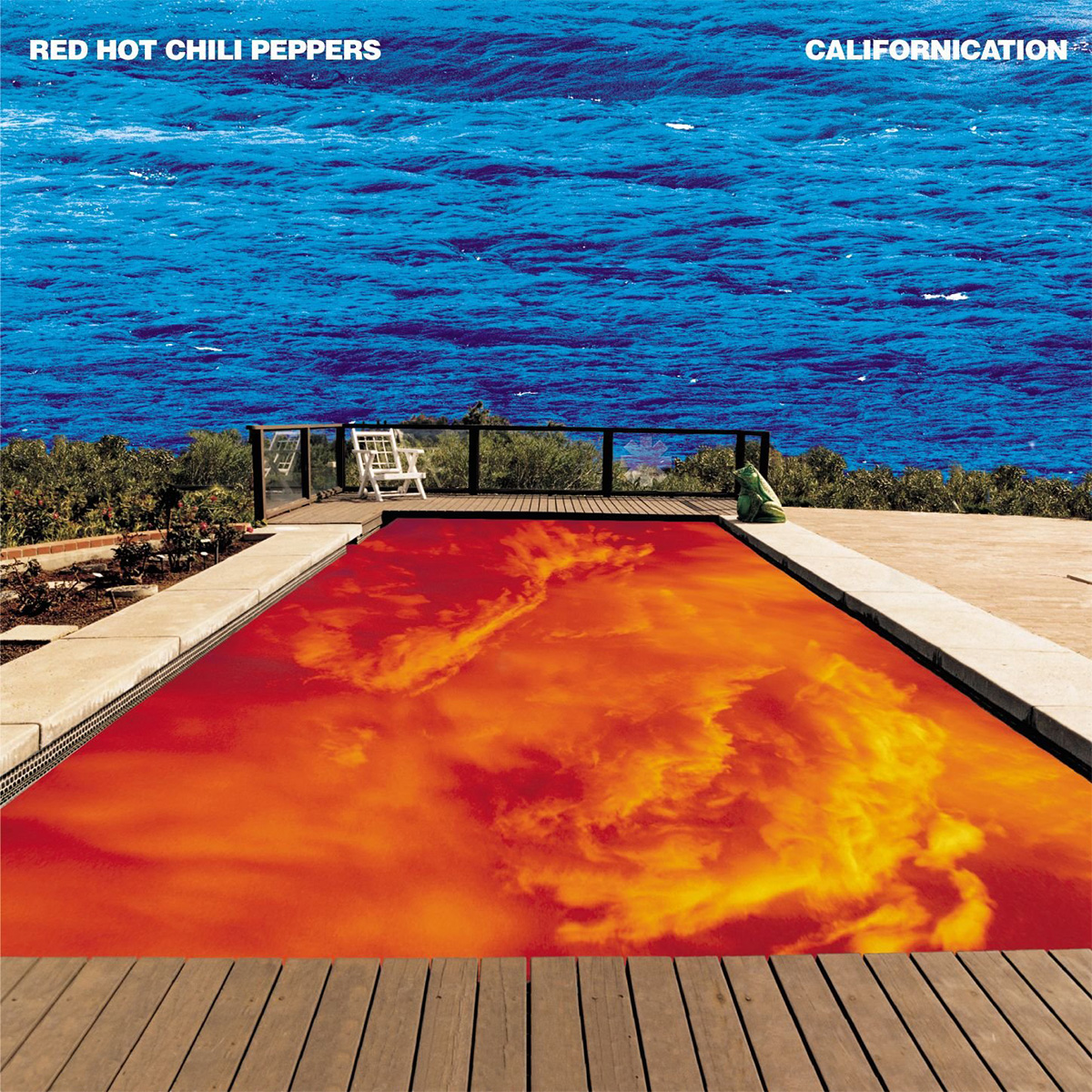
Band members went soul-searching. Flea wound up on a beach somewhere; meanwhile, Kiedis travelled the world in search of enlightenment. It wasn’t until he wound up back home, embracing his former guitarist John Frusciante, that he realised what was truly important. After reconciliation, a few tears, and a cleaning up of acts, the band got back together, started jamming, and wound up coming up with some of their most emotional, energetic and honest music ever, all in the form of the album Californication.
“I became just giddy with joy, really, hearing that combination of musicians playing together,” said Kiedis, “It was kind of miraculous.”
Californication remains one of the band’s most successful and celebrated records. Every now and then, musicians need time away from one another to realise the gold they have stumbled upon within their own band, and that seems to form the basis of the album. “[Californication] tells tales of wandering souls,” admitted the lead singer, “Who’ve lost their way searching for the American dream in California.”
