

Watch the new trailer for ‘Avatar: The Way of Water’
Read More


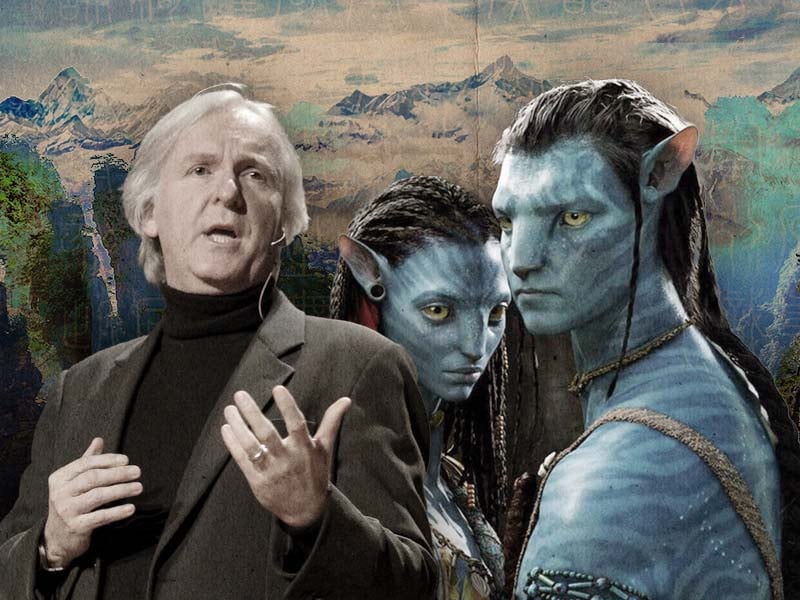
The natural world is home to some of the most stunning architectural marvels, from Arizona’s Grand Canyon to the Victoria Falls of the Zambezi River. Though, arguably, neither of these wonders compare to the sheer majesty of Zhangjiajie National Forest Park and the mountains that rise from its floor like jutting organic skyscrapers.
Located in Zhangjiajie, Hunan Province, China, the park is one of seven in the Wulingyuan Scenic Area, but was the very first to be recognised as a national park in the country. The Zhangjiajie National Forest is actually part of a much larger Wulingyuan Scenic Area that was officially recognised as a UNESCO World Heritage Site in 1992, with the site receiving a renewed amount of attention when filmmaker James Cameron was inspired by its scenic beauty during the making of 2009s Avatar.
Starring Sam Worthington, Zoe Saldaña and Sigourney Weaver, the film remains the highest-grossing movie of all time, being one of a small handful of releases that has topped $2billion worldwide. An enormous environmental fantasy blockbuster, the movie takes audiences into the world of Pandora, a jungle utopia that features unfathomable creatures and stunning CGI vistas.
Contrary to popular belief, Cameron didn’t actually film in the stunning national park. However, the director filmed footage of the mountains before editing them into the final movie in the form of the Hallelujah Mountain. Studying the area, the designers drew inspiration from the stunning landscape, seeing the fantastical vista as the perfect backdrop for Cameron’s vibrant tale of otherworldly fantasy.
Dylan Cole, the production designer for the movie, told Gizmodo at the time, “the best way to show that they are floating is by having a nice sense of atmosphere or a cloud between the mountain and the ground”. Creating a grand 360-degree panorama of the mountain region, Cameron used these virtual sets during his motion-capture scenes and also used the images as a style guide throughout the filmmaking process.
Speaking about his ambition for the project, Cole further added: “One idea that really didn’t make it into the movie is that these mountains are drifting like boats in the water. There was talk about having them collide and have bits crumble away. I think it would have been a great way of showing the power and the danger of the place. Hopefully in the sequel!”.
Formed over thousands of years through the result of expanding ice in the winter and plants that grow on their exterior, these towering pillars in the Zhangjiajie park have come to represent the iconic Hollywood movie. One of the quartz-sandstone pillars, the 1,080-metre Southern Sky Column was even renamed ‘Avatar Hallelujah Mountain’ in 2010 in honour of the movie, drawing some controversy from locals who disapproved of the western influence on the region.
Sure to be used in the sequel, Avatar: The Way of Water, the landscape has come to represent the fantasy series for its remarkable beauty and flourishing greenery that twists with vines, shrubs and towering canopies. As Cameron recognised very early on, Zhangjiajie National Forest is truly a land like no other that defies the reaches of one’s own imagination.
