


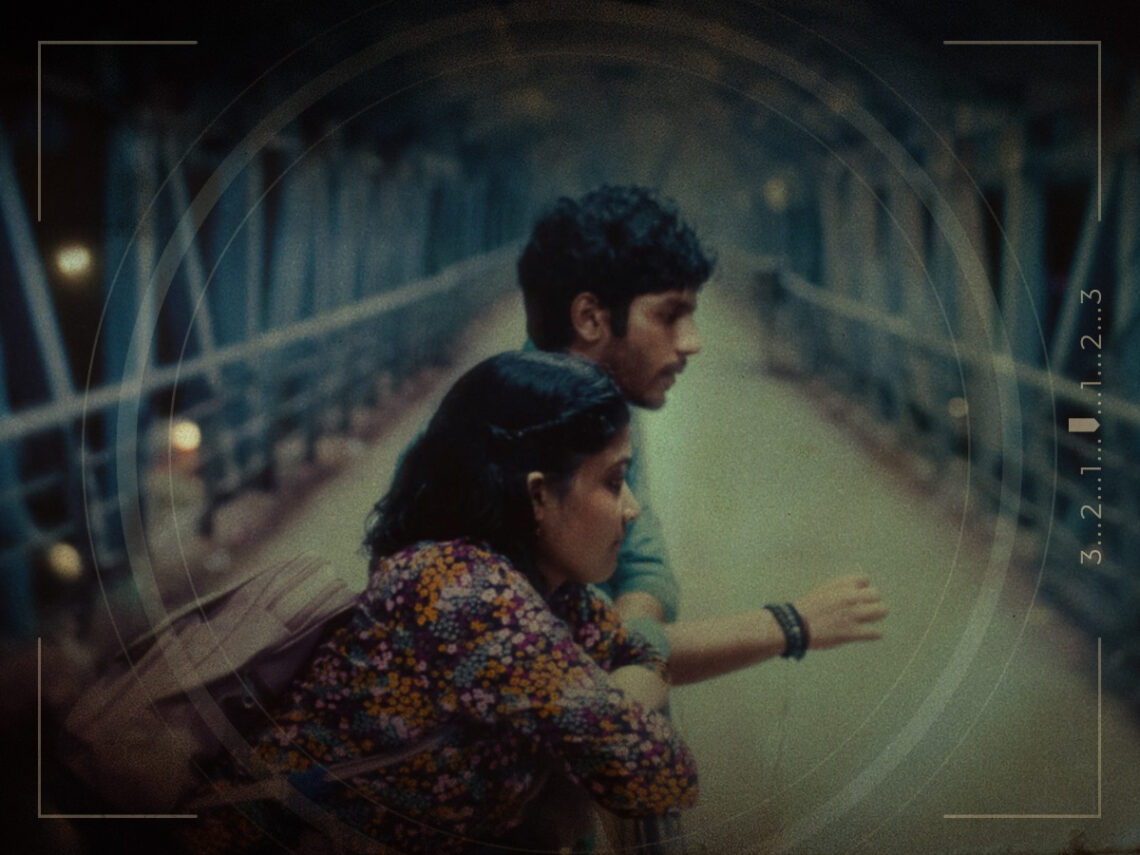
‘All We Imagine As Light’ and the dream world of modern Mumbai

Every now and then, you watch a film so uplifting that it shakes you free from any sense of cynicism or absence of hope, temporarily making your heart sing as you lose yourself in the landscape of a world that feels most different to our own. Whether it be the dreamscape of Coraline, The Virgin Suicides or The Worst Person in the World, there are some films that transport us to a realm that somehow feels rooted in familiarity while operating on some non-human level that we cannot fully grasp or relate to, existing within an ethereal world that lifts us into a magical dimension of spectatorship.
It’s both grounded in reality while having this tainted quality that feels other-worldly, leaving us in a blissfully meditative state as we let go and embrace the magical realism and melancholy of a distantly relatable life. In recent memory, there is one film that most shines amongst the others, taking place in the vibrant city of Mumbai.
All We Imagine as Light, directed by Payal Kapadia in 2024, follows Prabha and Anu, two women who are navigating the ups and downs of their individual romantic journeys. One is pining for her estranged husband in Germany and finds herself startled by the arrival of a strange present, and the other is looking for a secret place to be intimate with her boyfriend, facing unwelcome scrutiny about her relationship.
While the story sounds simplistic, it is beautifully subtle, and it finds a rich sense of meaning in each moment. Every frame is dripping with colour and emotion, creating this vibrant tapestry that weaves together the experiences of these women in one full and evocative portrait. From the dripping trees of the trees during monsoon season to the silent pining of Prabha, as she hugs a rice cooker between her legs, each image adds to this sense of distant dreams that are slowly merging into the realities of these women. They long for fulfilment and intimacy without always being able to express this, with Kapadia instead portraying this through the way she paints their inner and outer worlds.
The natural business and exuberant sense of life in Mumbai only adds to this dream-like state, with the characters being absorbed in the richness of their inner fantasies despite being surrounded by constant chaos and noise. They are both detached from the world around them while also being painfully aware of the voices that try to dampen their desires, creating a wonderful cognitive dissonance that adds to the interiority of the characters because, despite the commotion, they are most in tune with their own dreams.
Each scene feels incredibly intentional and assured, with Kapadia never reaching for big moments but instead creating a cumulative effect through the build-up of everyday feelings, leaving us with the idea that we truly know these women through the layering of intimate moments. There’s a celestial-sounding score that drifts over the top of each scene, creating the feeling that there is some omnipresent presence in their lives, almost existing as an auditory reflection of their unspoken dreams that linger over them. It follows them at work, during quiet moments at dinner, on the bus. Despite being burdened by very real problems, they are never weighed down by them, instead finding fun in the endless possibilities of these unrealised ideas and where it could take them.
All We Imagine as Light is a true reflection of slice-of-life filmmaking, never feeling like a film and instead feeling like real life simply unravelling in front of you while also being elevated into this dream-like realm that lifts us out of our everyday lives. Kapadia creates depth in tiny moments, allowing life to flow between quiet scenes and imbuing depth into each frame, weaving between organic conversations and magical imagery that allows for an expressive and sentimental portrait of hope and tenderness in a modern world and how we can reach our dreams in the most unsuspecting of places.
