


‘Bulbbul’: India’s postmodern feminist gothic horror

India might not be the first place one thinks of when the horror genre comes to mind. However, the truth is that there have been some brilliantly spooky works to come out of the South Asian country over the years, none more so than Anvita Dutt’s 2020 Hindi-language film Bulbbul.
Produced by siblings Anushka and Karnesh Sharma under their Clean Slate Filmz banner, Bulbbul takes place in the late 19th century Bengal presidency. It unflinchingly focuses on themes of societal and cultural oppression, misogyny, patriarchy and the imperative of empowering women.
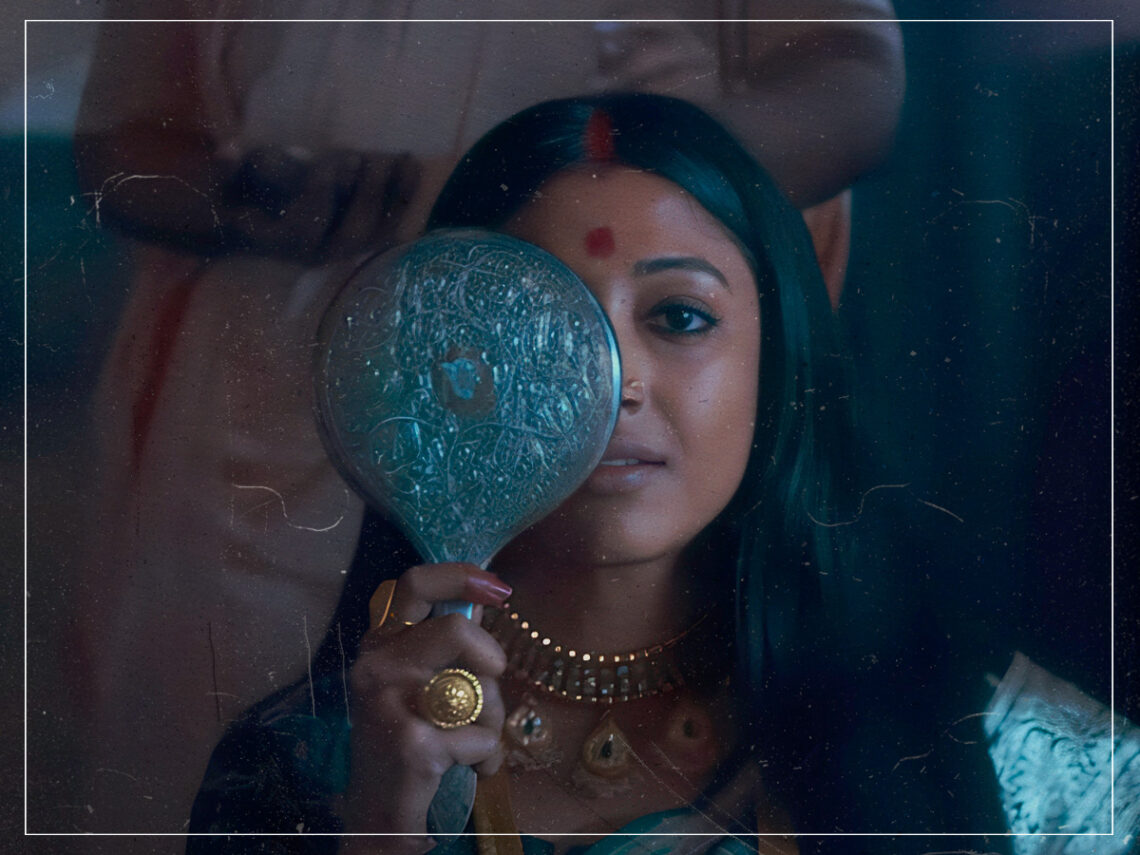
Narratively, Dutt’s film focuses on the titular Bulbbul, played by Tript Dimri, a woman who grows up in a patriarchal and traditional household with all its gender roles and norms. Bulbbul is a child bride married to a much older man and soon becomes trapped in a loveless, abusive and neglectful marriage.
This is where the movie begins to lean more into its horror stylings, though, as Dutt adds in elements of the supernatural, giving Bulbbul a transformation from victim to avenger with folklore, mythology and feminist theory all coming to the fore. The narrative is aided by some truly stunning cinematography and imagery, bringing ancient tales into the present with a fearsome velocity.
Bulbbul taps into the terror of unchecked male privilege in a world that’s undoubtedly cruel to women through the brilliance of Dimri – who showcases a quiet resilience in her character. However, it’s by confronting that patriarchy that Dutt is able to explore the importance of female relationships and those from different generations in particular.
While the film certainly details the abuse of a person in full detail, what occurs in real life is, of course, far worse. In addition, Dutt has been unashamed of admitting such a fact, with the hope that the movie would bring light and even justice to such acts of male sexual violence and cruelty.
In an interview with HuffPost, Dutt opened up on a prolonged violent rape scene within the film, noting, “To write it was very difficult. Then, to shoot it with a clinical detachment, sit and do the shot breakdown even more so. Why was it written? Because I wanted to take my character through the extremes of male violence. I don’t want to show what is being done. No. I want to show what it’s doing to her.”
The greatest and most positive consequence for Dutt following the release of Bulbbul was that young boys began “reaching out and talking about their mothers”. The director admitted, “That shift of awareness is powerful. Many women wrote it to say that it resonates with their experience. Bulbbul isn’t just a sweet little fable but something that is a product of my pain and angst and inner turmoil.”
Ultimately, Bulbbul is a thoughtful work of horror that transcends the boundaries of the genre by providing a critique of society that is sometimes starkly missing from movies within the category. Cinema indeed possesses the ability to change and provoke society, and Dutt certainly crafted a film with such a prospect. A directorial debut of genuine importance, one that dives into the history and mythology of South Asia while pointing out all that is wrong with its patriarchal societies, Bulbbul might just be the best horror movie to ever come out of India.
Check out the trailer below.
