


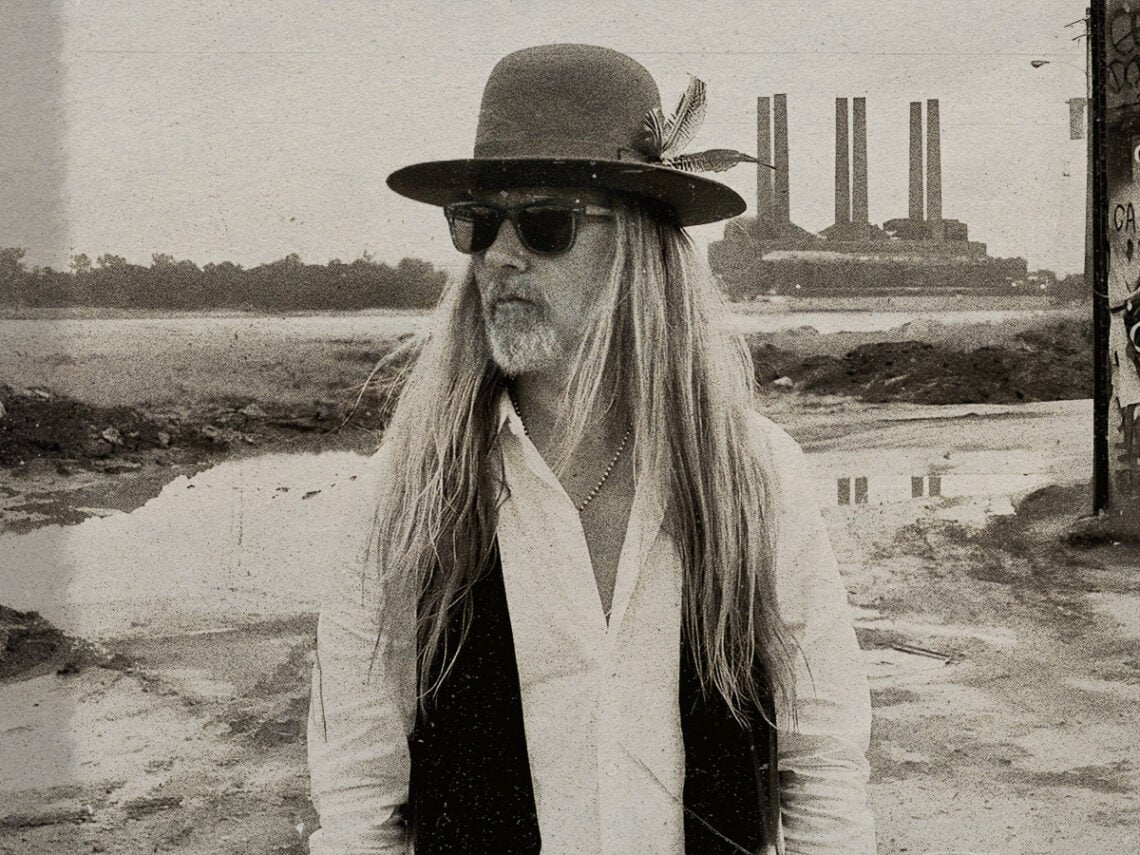
“A mistake”: Jerry Cantrell on the Alice in Chains song created by accident

One of the most difficult parts of being a contemporary artist is navigating evolution. For those fortunate enough to achieve a breakthrough, maintaining momentum becomes one of the toughest challenges. While Alice in Chains leader Jerry Cantrell seems to understand this better than most, he also knows that there’s no definitive right or wrong when it comes to authenticity.
In Cantrell’s world, the music often thrives on those moments of uncertainty. For instance, while some might have felt the immense mounting pressure following up a debut like Facelift, Cantrell understood the value in being authentic in ways that refined the sound and its themes, not only drawing from his own darkness but understanding that it was also a significant risk to take.
The resulting Dirt wasn’t only a refreshed take on everything Alice in Chains had to offer, it also saw Cantrell newly navigating the challenges of laying his soul bare, with the record’s sharp jilt towards a more confrontational disposition leaving him feeling torn between appreciating success and burdened by his own mind. As he once said, “[It’s] good and bad; it’s good artistically, but it’s bad because if you are going to be that honest, then you’ll struggle to live it down.”
That said, where Facelift differed immensely was that, strangely, it presented an Alice in Chains that had nothing to prove, despite the pressure and expectations often placed on an artist’s debut. Instead, they presented their sound in a way that effectively said “take it or leave it”, echoing the sluggish, detached mantra of the burgeoning grunge scene with a quiet confidence, with songs like ‘It Ain’t Like That’ proving their feverish angst as much as their technical precision.
Throughout the record, the band thrived on explosive riffing and sonic cohesion without the refinement that would later define Dirt. At the same time, however, the music appeared considerably more refined than many of their peers, even the most seasoned ones who had been at it for several years prior. Songs like ‘Love, Hate, Love’ appeared as masterpieces as a result of their resignation, with so much charm that Cantrell himself even later called it a masterpiece.
Part of this appeal, however, was also the spontaneity behind the scenes. With ‘It Ain’t Like That’, in particular, Cantrell recalled how the riff was actually a “mistake” that came together when he was toying around one day with his guitar. The other members saw something in it, so they urged him to play it again, planting the seeds for what would eventually become one of the record’s biggest anthems.
“[That was] A great dinosaur riff that was actually a mistake,” he explained in the Music Bank liner notes, adding: “I whipped out this stupid huge riff and the guys loved it and told me to play it again. I said ‘What I was jerkin’ off?’, but they insisted, so me and Mike Starr made it into something.”
Clearly, Cantrell knew how to go the whole nine yards from the beginning, unknowingly sprinkling magic everywhere he went, even in his most unsuspecting moments. That, along with his ability to coast the line between timelessness and authenticity, meant that Alice in Chains were always destined to make it, no matter how saturated their shared pool became during their breakout years.
