


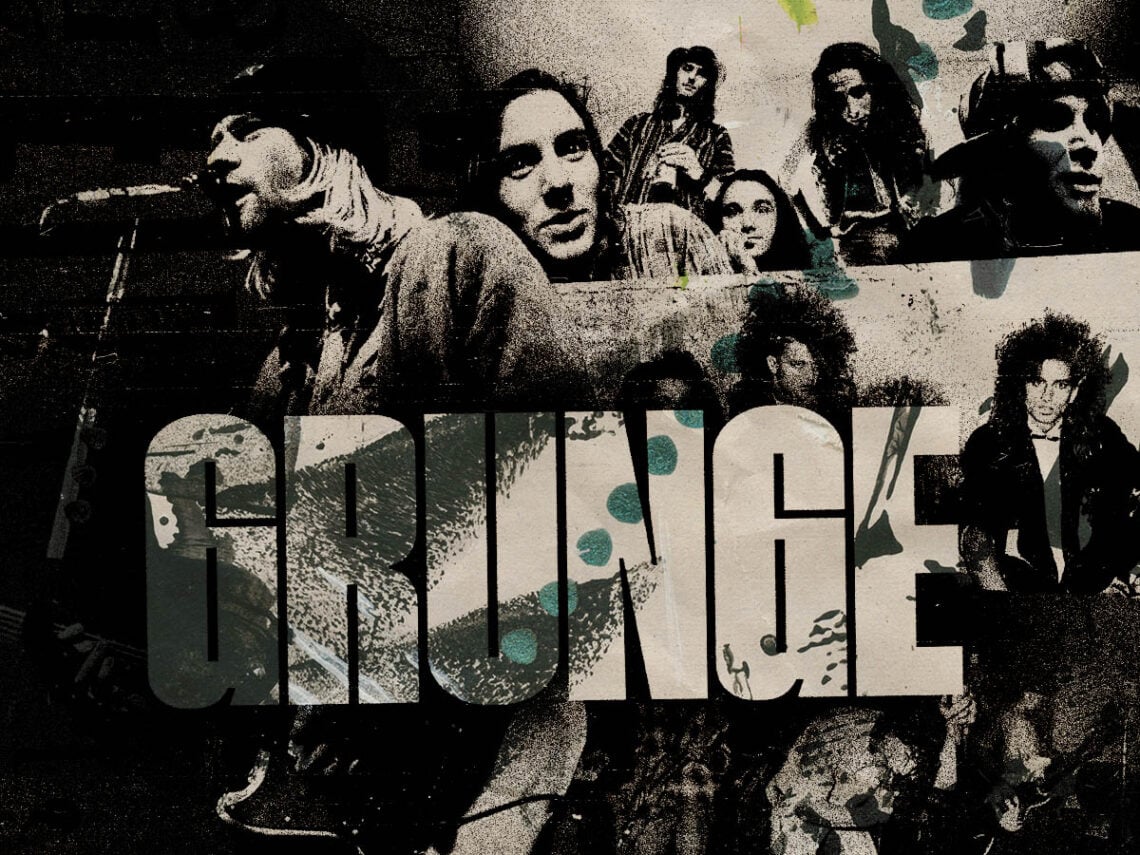
A timeline tracing the first five years of grunge

Angst was in the air in Seattle, the bands breathed it in, and upon exhale came grunge.
This is a genre that burned bright and fast. For a moment, it was the biggest sound in the world, with grunge bands completely dominating the musical sphere with this new style that was a combination of hopelessness, romance and the aggressive. While people were drawn to the sound, it didn’t have the same longevity that other genres did, but it still gave rise to some great music.
When we look at the first five years of grunge, we can see the genre gain form, rise to the top, and begin to dwindle, all in one fell swoop. It’s fascinating to look at, and even more so with the benefit of a couple of decades passing, as while people don’t talk about the genre a great deal, its influence, and some of those albums which were made in those initial years, can still be heard in a lot of modern releases.
The first five years of grunge were the most important years of the genre, and in the midst of it all, some truly great albums came out. So, let’s take a look at them.
A journey through the first five years of grunge:
1986
The formation of Sub Pop
Technically, grunge kicked off a year earlier, in 1985, with the release of Green River’s EP, Come on Down, which many credit as being the first-ever grunge record.
However, things truly ramped up in 1986, once Bruce Pavitt and Jonathan Poneman formed Sub Pop, aiming to supercharge the ‘Seattle sound’ and make it into something marketable.
March 21st, 1986

The release of Deep Six
In 1986, Seattle-based grunge label C/Z Records also launched the compilation album Deep Six, featuring six Seattle-based grunge bands, many of which we now consider to be heroes of the entire movement, including Soundgarden, Melvins, Skin Yard, The U-Men, and Green River.
A major stepping stone in the launch of the entire grunge movement, the record packaged the entire Seattle offering, introducing this new offshoot of rock as something that was slower, heavier, and more sluggish than previous iterations of heavy rock or aggressive punk.
1987

The formation of two major bands
As hindsight tells us, 1987 was perhaps the most important year in the history of grunge, with the formation of two bands that would eventually revolutionise the entire concept: Nirvana and Alice in Chains.
Nirvana, in particular, went on to lead the charge, with Kurt Cobain effectively refining everything the ‘Seattle sound’ was to begin with, injecting his own personal pain and struggles into his music, and allowing space for rock to spotlight a different kind of mindset that didn’t centre solely around hedonism.
1987
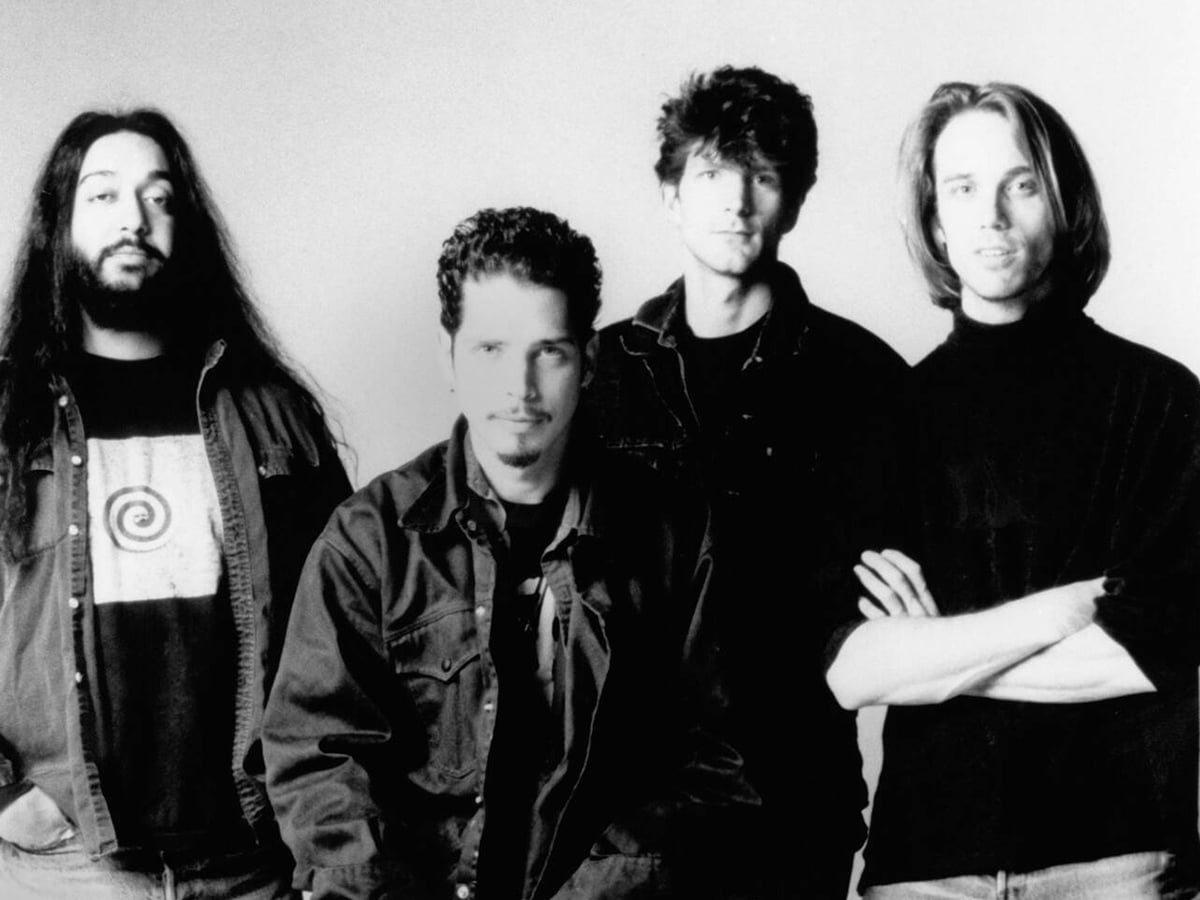
Soundgarden release Screaming Life
In 1987, things were moving even faster elsewhere, particularly with the release of Soundgarden’s “pretty raw” debut EP, Screaming Life.
This was a major turning point for Soundgarden, mainly because their single, ‘Hunted Down’, drew attention to their era-defining sound, and once record labels heard it, many of them began contacting the band, which ultimately led to them signing with A&M a couple of years later.
1988

Nirvana release ‘Love Buzz’
In 1988, Nirvana officially arrived with the release of their debut single, ‘Love Buzz’, a cover version of a 1969 Shocking Blue song that blended rock and pop, culminating in a complex arrangement that people couldn’t get enough of.
The success of the single also set the stage nicely for another grunge milestone: the band’s explosive introduction onto the scene, Bleach, released the following year.
1989
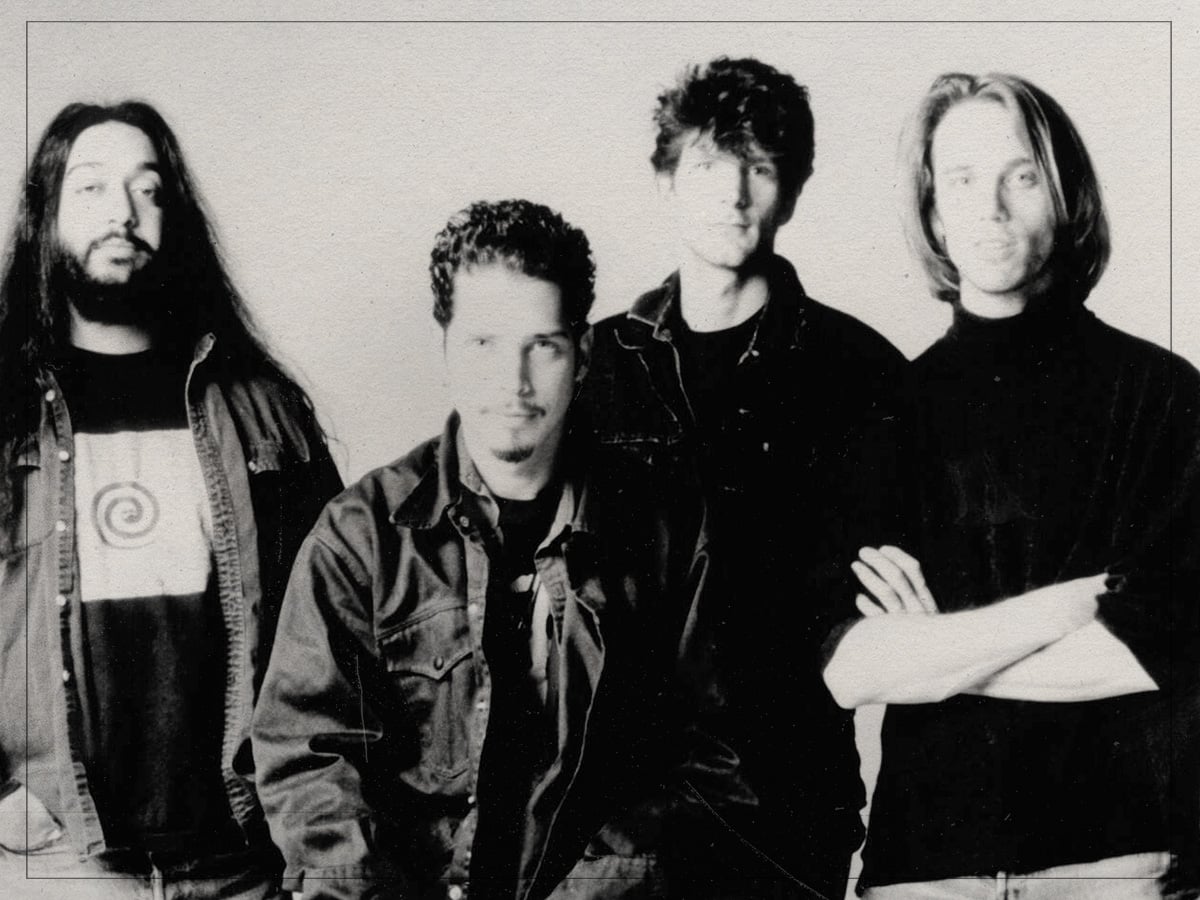
Soundgarden sign to A&M Records
In 1989, Soundgarden made history by becoming the first-ever grunge band to sign to a major label, before Nirvana, and before even the formation of Pearl Jam, one year later.
This was a major breakthrough that no doubt preceded the emergence of several other grunge milestones, the least of which was Nirvana signing with Geffen just before the release of one of the most era-defining albums, Nevermind.
June 15th, 1989

Nirvana release Bleach
Nirvana’s debut record, Bleach, is one of the most important releases of the entire grunge era, made on a low budget following the success of their first single, ‘Love Buzz’.
With timeless grunge classics like ‘About a Girl’, ‘Blew’, and ‘Negative Creep’, Bleach no doubt withstood the test of time, providing a strong framework for everything grunge became known for.
1990

The death of Andrew Wood, the formation of Pearl Jam
Following the death of Mother Love Bone’s Andrew Wood, remaining band members Stone Gossard and Jeff Ament formed Pearl Jam, later taking in one of the most definitive musicians of all time, Eddie Vedder.
Later, Pearl Jam would be credited with bringing grunge to the masses, sort of the same way other pioneers of stadium rock gave the entire genre a bigger and more explosive sound that infiltrated the mainstream like a perfect storm.
August 28th, 1990

Alice in Chains release Facelift
There are many significant turning points in the first five years of the grunge era, and Alice in Chain’s Facelift is undeniably one of them.
One of the first grunge records to explode to new commercial heights, Facelift effectively paved the way for what was possible, sparking another major broadcast milestone once MTV caught wind of ‘Man in the Box’ and played it on heavy rotation.
1990

Nirvana signs with Geffen Records
In April 1991, Nirvana officially signed with Geffen Records, a few months before the release of their second studio album, Nevermind.
This deal would give the band all the means necessary to create their next magnum opus, launching them into the stratosphere as global grunge pioneers.
September 24th, 1991

Nirvana release Nevermind
A record that quite literally needs no introduction, Nevermind is one of the grunge hallmarks for a reason, not only because it’s incredible but also because it effectively took over the entire rock scene, transforming what was once a musical silo into a dominant force.
There are several moments in history when a band almost single-handedly steered an entire cultural moment, and Nirvana inexplicably managed this with Nevermind, proving that music didn’t have to be sanitised to be popular; it just needed to be real.
