


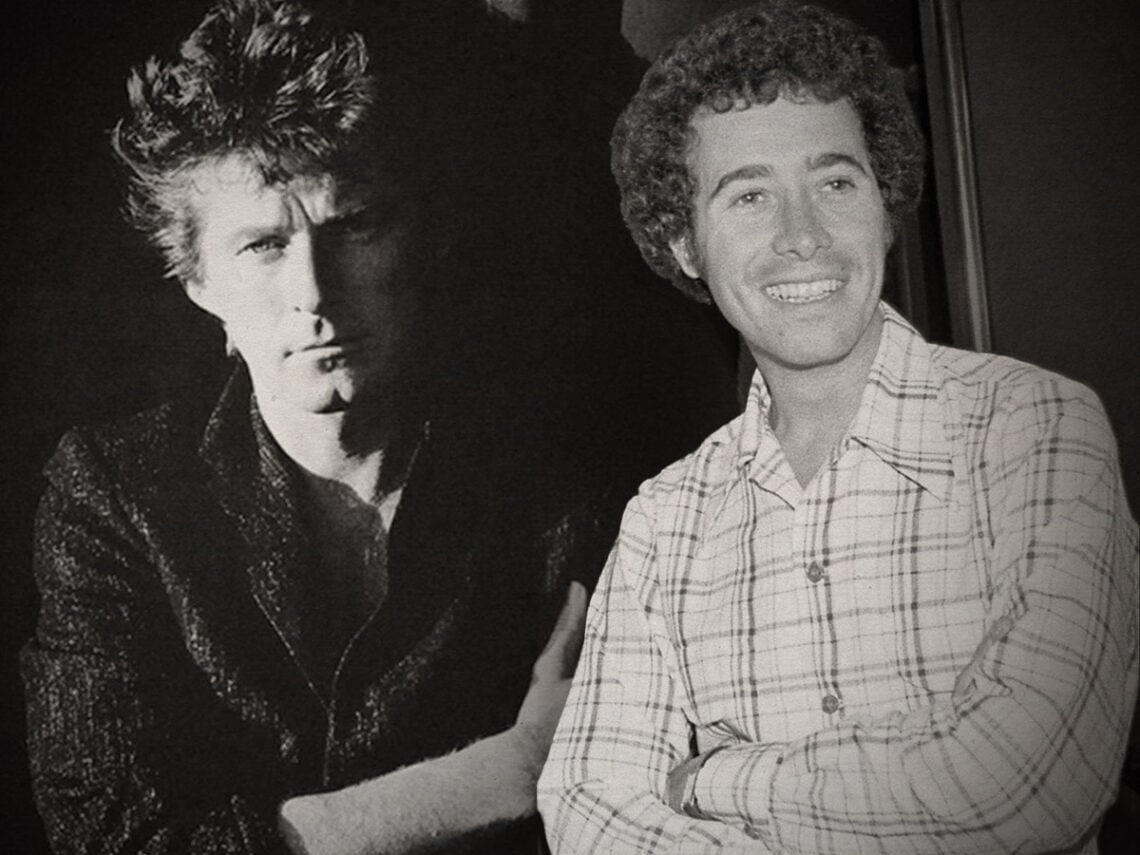
Don Henley vs “the devil”: How David Geffen fooled an American icon

Nobody knows the dark inner workings of the music industry quite as well as the Eagles.
As one of rock’s biggest bands, in its most heightened era of hedonism, they followed the financial breadcrumbs right into the heart of darkness and quickly realised that what existed was a sham. The bright lights of Los Angeles had a seedy underbelly to it, with men in suits wringing their hands at the possibility of profiting off their own artistry.
One of the chief inspirations behind this outlook that ultimately created their seminal album Hotel California was David Geffen. The ruthless music mogul signed as the band’s manager at Asylum, platforming their success in the early 1970s. But then the relationship soured when contractual disputes about Geffen’s managerial concerns all came to the fore, and the band sued him.
In the band’s ‘77 lawsuit, they alleged that Geffen was leveraging a conflict of interest and allegedly manipulating his role as their manager to shoehorn deals that ultimately profited his own company, Asylum Records. At this point, he wasn’t operating solely as a manager, advising career decisions and fielding off corporate advances, but was in fact facilitating them.
But despite escaping his clutches, joining with Irving Azoff and then sparking successful solo careers, the battle continued into the ‘90s. Somehow, Henley found himself back in Geffen’s trap, resigning with him in the ‘80s to help launch his solo career. Then, when the former eventually wanted to leave in ‘84, Geffen shot back and filed a $30million breach-of-contract lawsuit against Don Henley. How Henley found himself in this never-ending love/hate cycle with the mogul, bouncing between his love and betrayal throughout his career, is only known to him.
But he tried to justify his position, claiming to Uncut, “He’s very slick, and he’s got a good line of bullshit. He came to me and he said, ‘Nobody understands you like me, I’m still your biggest fan, you know I love and respect your music’, and it was just enough at that time, he was the devil I knew, and so I went with it, and it was a big mistake.”
Success was dangled in front of Henley like a carrot, held on a string by Geffen, whose sharp suits and continued promise of success had the Eagle caught in a relentless trap. Even today, with the legal troubles in the past, Geffen’s allure still has Henley defending him.



“At the end of the day, he did give us a contract, which I appreciate, the fact that he signed us to the label and got us into the spotlight. But then he went and sold the company, and we woke up one day and found ourselves on a different label,” he noted.
Maybe we music fans have Geffen’s evil to thank for the hatred of manipulation forged some of Henley’s most iconic records, not least Hotel California. But as we move further into the music business and bureaucracy almost threatens the artist into existence, I think I would happily lose Hotel California if it meant a figure like Geffen would go with it.
