


‘A Room With A View’: the operatic style of James Ivory

The collective body of work created by Merchant Ivory Productions, the production company created by James Ivory and his partner Ismail Merchant, was once described as coming from the “Laura Ashley school of filmmaking”, with critics dismissing the stories as nothing but overly romantic fluff pieces. But from the devastating doomed relationship in Maurice to the tale of crippling indecision and societal pressure in A Room With a View, Ivory’s films are rich not only in the lush landscapes and exquisite interiors but in the depth of subject matter explored, often looking at characters who are outcasts within Edwardian high society and an era ruled by tradition.
The Edwardian era has not typically been ripe with queer stories, with Ivory infusing his experiences of queer identity, repression and self-discovery into a time in which these experiences were not documented or acknowledged. While Maurice makes room for gay men who were excluded from the history books, his 1986 film A Room With A View is not only gorgeously shot, but it also acts as a scathing critique of English tradition and sensibilities, mocking the inherent ridiculousness of these old-fashioned ways and those who strictly adhere to such restrictive standards.
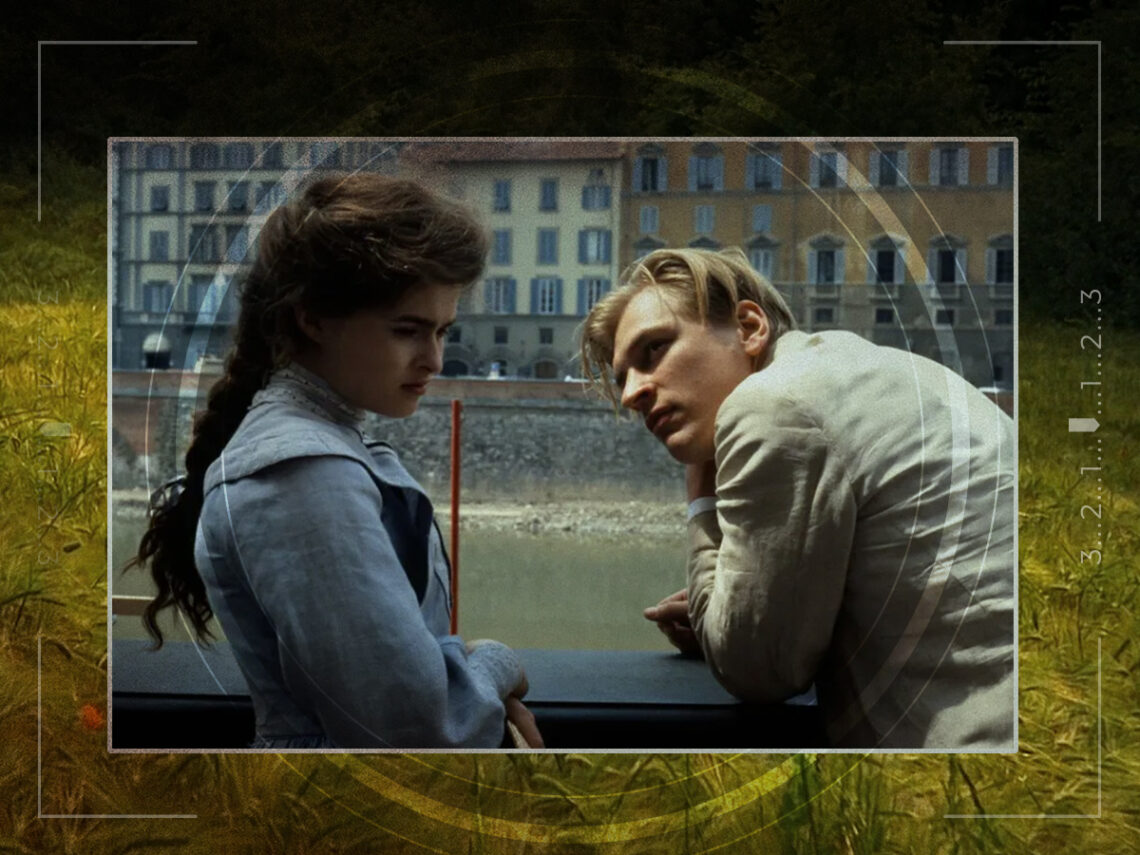
A Room With A View is a classic tale of romantic decisions and ‘who will end up with whom?’. It follows Lucy Honeychurch on her holiday in the Italian countryside, sharing a secret and passionate kiss with someone who is not her betrothed and becoming haunted by the possibility of an old love she cannot have.
The Edwardian era is not one you would associate with such passion; it provokes images of stiff dresses, smart suits and prim and proper manners. Anything out of the ordinary is perceived as a slight, and honesty is frowned upon, especially from a woman who should do as she’s told. But Ivory breathes life into such a repressive era, mocking the traditions that dehumanise and stifle our chance at true happiness for no reason other than to maintain a completely inoffensive image. However, the maintenance of this image is ultimately what leads to such insulting and frowned-upon behaviour, with repression of any kind only breeding rebellion and making it more enticing.
Lucy Honeychurch is not naturally comfortable within the confines of her world, established from the beginning as a dreamer and slightly in-the-clouds woman who prefers to march to the beat of her own drum. It is because of this that she is drawn towards George Emerson, a similarly unruly man who crosses her path during her holiday in Tuscany.
But desire is an extremely taboo thing for an Edwardian woman to feel, let alone act upon, and when the pair are caught kissing in a field, it is nothing short of a scandal. After arriving back in England, Lucy is shortly engaged to the most obnoxious man you could conjure, hilariously captured by Daniel Day-Lewis as a slightly awkward and insufferably delusional academic with a personality as dull as bathwater. But when forced to fit within the confines of a world that wants to see her quietly married and devoted to domesticity, Lucy begins to fantasise about the stolen kiss she shared with George, pining for a fleeting connection that continues to haunt her.
Each subsequent interaction is dramatic and full of loaded sexual tension, with George re-entering Lucy’s life and causing an absolute tizzy of a situation as she frantically tries to balance what is expected of her and what her heart desires. Ivory creates an operatic style by juxtaposing his dainty visual style with the taboo nature of Lucy’s desire and secret affair, commenting on how restrictive high society is and the unrest beneath the beautifully presented surface. While everything looks pristine on the outside, Ivory delightfully destroys the facade of Britain’s wealthy elite by showing how they are ultimately controlled by the same animalistic desires and instincts as anyone else, leading to actions that conflict with their carefully composed way of life.
While some critique his work as superficial, Ivory’s work oozes with life and vitality, adding a refreshing edge to an era stifled by its commitment to tradition and beauty, inadvertently creating their own problems through self-imposed rules that only made illicit behaviour more alluring. As a gay man himself, Ivory is also commenting on the primitive nature of these societal constructs, critiquing the kind of people who would deem his sexuality as being sinful, all while committing genuine crimes and misdemeanours that contradict their entire belief system.
Ivory is scathing in the most enchanting of ways, creating operatic situations from everyday dramas and poking fun at the most self-serious kinds of people, all while highlighting the joy of self-expression and embracing our innermost desires.
