


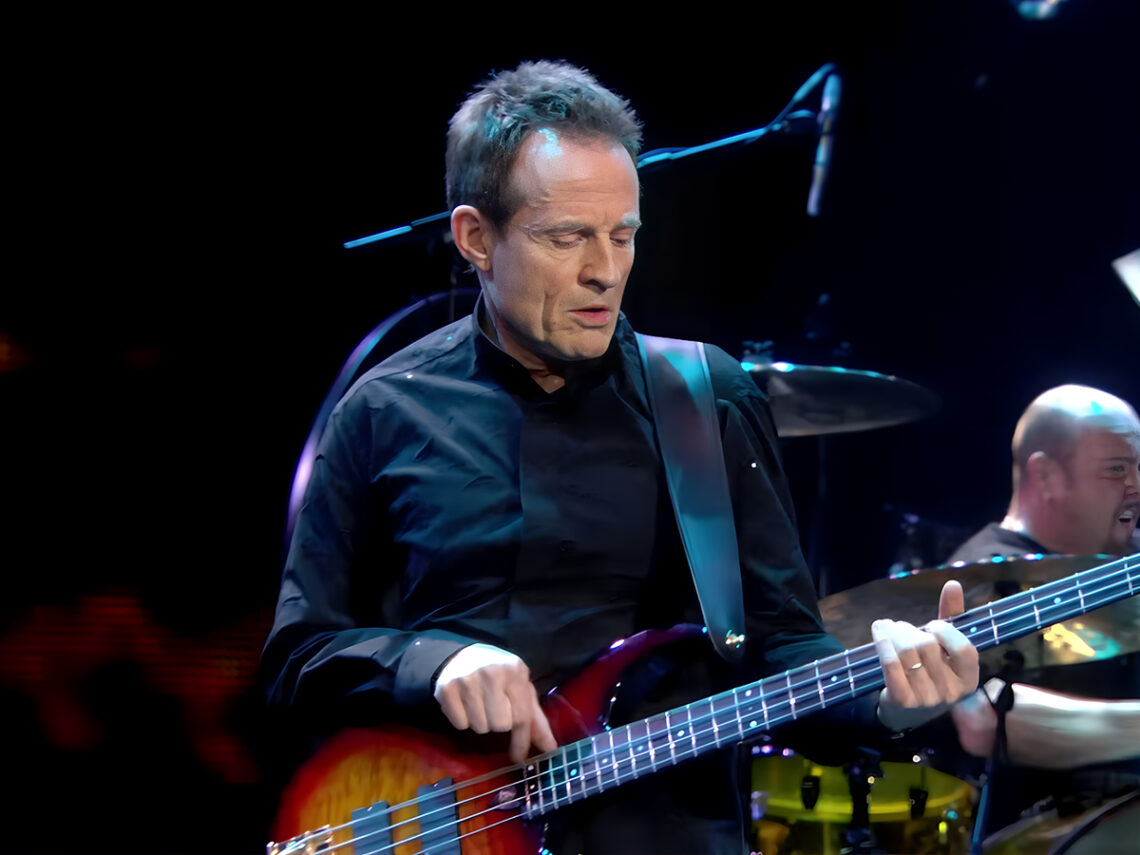
The 2000 album John Paul Jones didn’t want to exist: “I couldn’t see the point”

When talking about Led Zeppelin’s power in their early days, it’s easy to forget what John Paul Jones could do.
He was the secret weapon behind most of their greatest songs, and even if he was the quiet member who stayed at the back most of the time, there are some classics that wouldn’t have had the same amount of punch that they did without Jonesy leading the charge. He was the silent legend in many respects, but he did end up getting the short end of the stick when looking at the band’s legacy.
Being one of the greatest unsung heroes of any group isn’t always easy, and while Jones was ready to go back to the session scene right after the band folded, it’s not like he was happy being known as the lowest profile of the group. He knew that whatever he did was never going to get nearly as much attention as Robert Plant or Jimmy Page, but he was still willing to have some fun working with some of the greatest artists he could find.
And it’s not like he was limiting himself to whatever band he worked with. The idea of one of the greatest bassists in rock and roll history getting to work with everyone from Butthole Surfers to REM to Foo Fighters is quite the resume, even without Led Zeppelin as a factor, but even in the context of the band’s history, Jonesy wasn’t going to have warm feelings when the Zeppelin train started to move again without him.
Page and Plant felt like a good time for everyone involved, but since Jonesy wasn’t invited, it felt like his friends were trying to capture the spirit of a Zeppelin reunion without him. He even told them so during his speech at the Rock and Roll Hall of Fame, but even if he could let that go, he didn’t like the idea of the band’s music being turned into a legacy brand every single time their label decided to put out a greatest hits record.
Because first and foremost, Zeppelin were an albums band, and every one of their songs was supposed to be an integral part of the records that they made. It was a different story when looking at the live show, but when he heard about the band’s label putting together the different best-of compilations of their hits, he felt that the band would have never approved of that if they had the chance.
Page had spent years trying to preserve the band’s legacy, and Jonesy felt that there was no reason for those records to exist, saying, “I couldn’t really see the point of the Greatest Hits records that came out last year.”
Adding, “We were always against Greatest Hits album traditionally from the word go. It may have been a hang back to the fact that in the days when we started, you had singles bands, you had pop bands, and then you had albums bands. They were completely different things. So, I just didn’t see the point, and I said so. But it was democratic, and they thought differently.”
To be fair, the album does end up cherrypicking some of the better songs from the latter part of their career, like ‘Kashmir’ and ‘Achilles Last Stand’, but it’s hard to separate them from the album they are a part of. Physical Graffiti is still one of the finest double albums ever created, so to have it chopped up into bits and pieces wasn’t going to fly with someone like Jonesy, who liked the idea of the band sticking to their albums first.
All of the band’s records were meant to tell a story to a certain degree, and seeing the songs being taken out of the record was about more than just sticking to tradition. It was taking out a lot of the magic that made the original records great, and even if it was a good thing for people to latch onto ‘Kashmir’ for the first time, it’s not going to feel the same if they didn’t originally hear it on the album it was a part of.

Never Miss A Beat
The Far Out Led Zeppelin Newsletter
All the latest stories about Led Zeppelin from the independent voice of culture.
Straight to your inbox.