


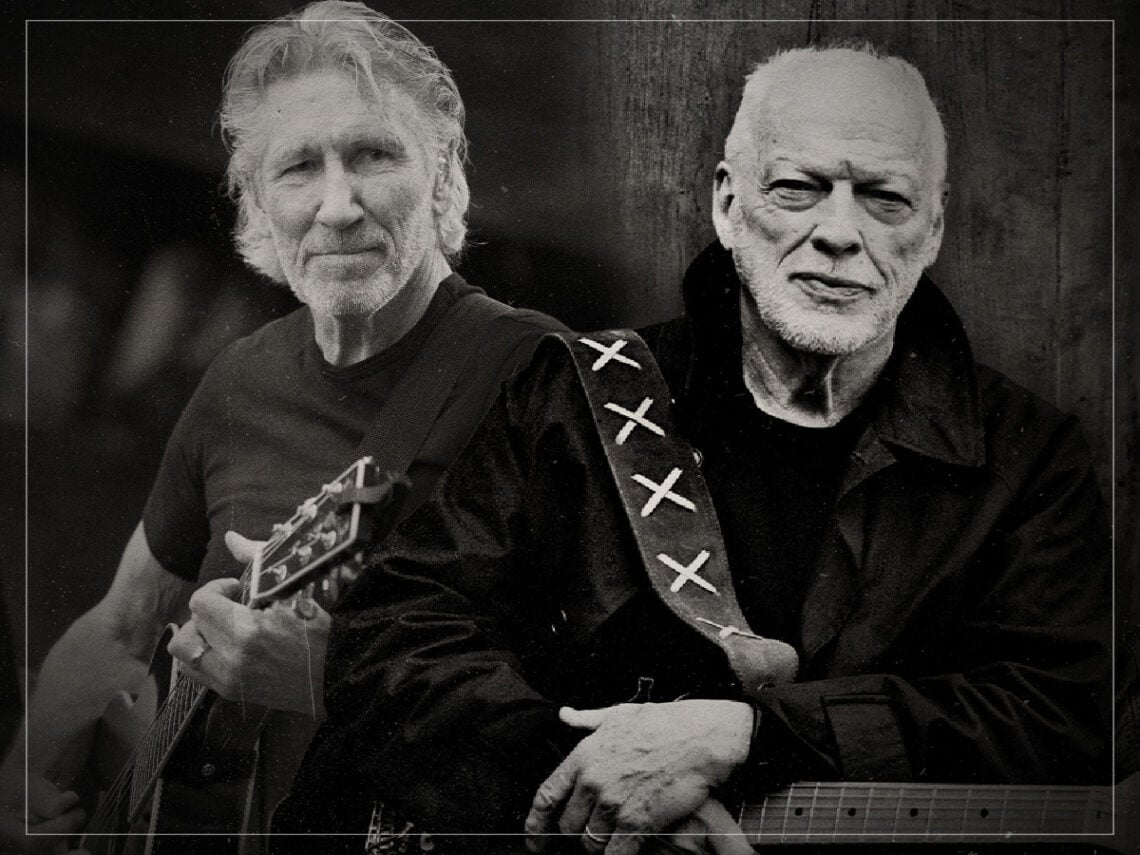
The one band who taught Roger Waters and David Gilmour all they know

When Pink Floyd first formed, David Gilmour and Roger Waters didn’t think about starting progressive rock from the ground up or anything.
Gilmour only came on as a sideman for the first few months after Syd Barrett could no longer tour, and even when they did end up finding their sound, it was a lot more unique to them whenever they hit upon a song like ‘Echoes’ compared to the long exercises that a band like Yes or Emerson, Lake and Palmer would have done. Those were almost classical inventions, and what Gilmour and Waters worked on needed to be a bit more practical.
Because if you think about it, it’s not like all of their songs were meant to be an endurance test or anything. When you listen to some of the deep cuts on their records, their songs are a lot more simplistic than most people realise, and even when they do play in an odd time signature, they do their best to make the audience feel like it’s completely normal. They didn’t go out of their way to make the music complicated, but that didn’t mean that they couldn’t add some strange parts here and there.
‘Echoes’ is full of some of the strangest sound effects that the band ever put on record, but part of the problem was how Gilmour and Waters looked at their work. The guitarist was always looking to have the kind of collaborative spirit that pushed the music forward, whereas Waters was the one telling stories on every one of their records. Each line of their tunes needed to mean something, and that was half the reason why they couldn’t work together.
Then again, they were always going to be on the verge of making something spectacular if they had The Beatles as a guide. The Fab Four were already used to keeping the people guessing every time they made a new album, and while Waters did eventually get to meet the band, he felt that he was more interested in seeing what new surprises they had awaiting on every one of their albums.
John Lennon was definitely the biggest influence for Waters, but it was more about the learning experience that he had hearing all of those records, saying, “I learned from John Lennon and Paul McCartney and George Harrison that it was okay for us to write about our lives, and what we felt — and to express ourselves… That we could be free artists and that there was a value in that freedom. And there was.”
And even though Gilmour wasn’t even in the band yet, he could tell that The Beatles left the longest lasting impact on him throughout his career, saying, “I really wish I had been in the Beatles. [They] taught me how to play guitar; I learnt everything. The bass parts, the lead, the rhythm, everything. They were fantastic.” And you can hear that kind of back and forth in the way that Gilmour and Waters both approached their songs in the band.



They were the Lennon and McCartney of Floyd in many ways, and it’s clear that Waters was the one that seemed to be more associated with Lennon. He wanted every one of their tracks to break new ground and mean something more than music, and while Gilmour was willing to go along with many of Waters’s ideas, it was only a matter of time before they needed to go their separate ways, even if it did mean Waters suing the band for having the gall to continue on without him.
But even with all of the petty squabbling that Gilmour and Waters have engaged in over the years, that doesn’t dull the power that those records have throughout the years. They had each been taught what made those Beatles albums so great, so now when people listen to Dark Side of the Moon, it tends to have the same kind of staying power as a record like Abbey Road or Sgt Peppers.

Never Miss A Beat
The Far Out Beatles Newsletter
All the latest stories about The Beatles from the independent voice of culture.
Straight to your inbox.