


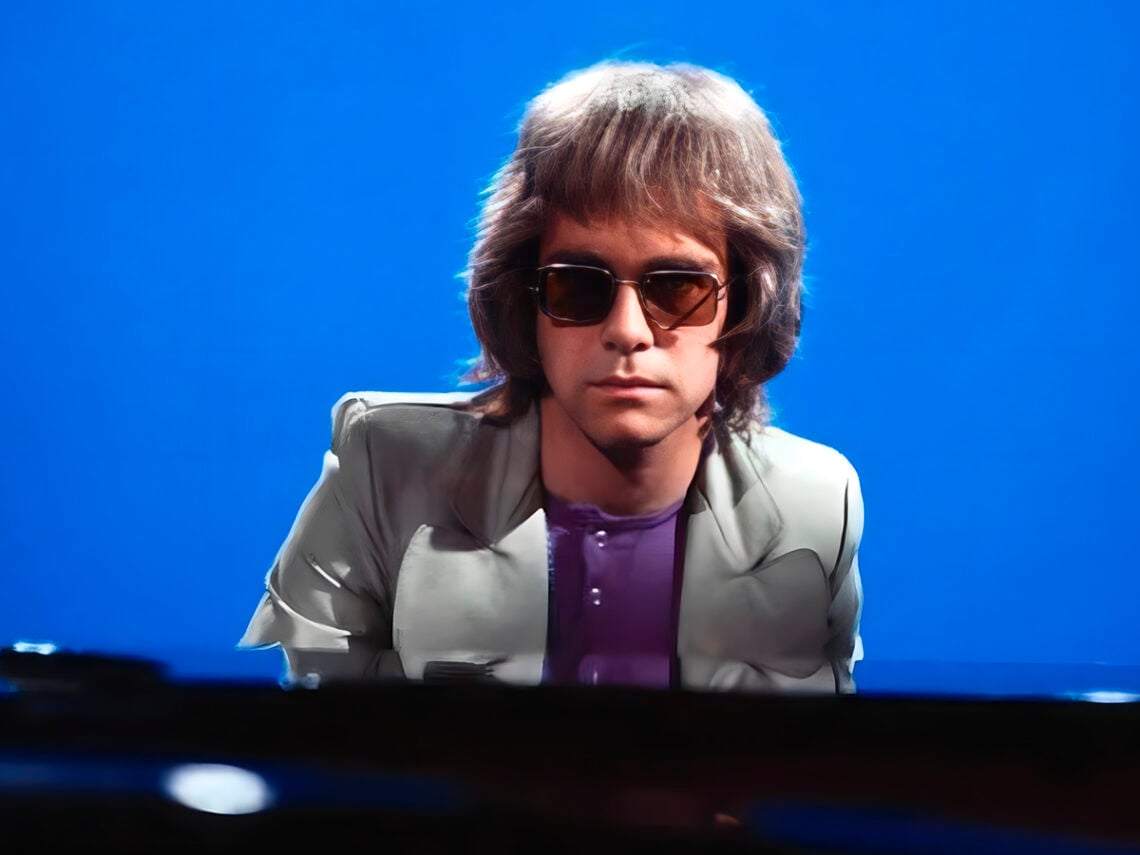
Does Elton John’s hilariously bad shot at Motown still stand up, 50 years on?

It’s hard to decide who, between Elton John and the 1970s, was the bigger deal.
Sure, nothing can match an actual historical period of time, but the Rocketman certainly lived up to his persona during that era of being absolutely everywhere, all of the time. He was the lightning bolt, the thunder, the rain, the sunshine, and the rainbows; essentially, you name it, and he would have a go at doing it.
Of course, that mantra saw him take on some seismic highs. His double-bill of iconic gigs at Dodger Stadium in Los Angeles in 1975 seemed to represent the pinnacle of his entire life, and as such, it was only natural that he felt the need to keep capitalising on being the king of the world in the immediate aftermath.
That task seemed easy for someone who was at the peak of their game and wanted everyone to know it. The more difficult thing came with actually proving it in reality, and that meant going back to the drawing board to see where he could strike while the iron was hot next. Glam rock had come and gone, punk was just emerging, and it was hard to see which trend would be his next big streak of luck.
Then it hit him square across the face. It was golden, it was classic, it was a hit-making machine: it was Motown. The fact that John was a boy from inner-city London seemed no big issue to him in terms of breaking into the scene of Detroit and a racially-segregated America. He’d made a career out of pretending to be someone he was not, so why couldn’t he do it again?
If you hadn’t gathered already, that was how the behemoth of ‘Don’t Go Breaking My Heart’ came to be unleashed into the world, and with the help of Kiki Dee under his wing, John would like you to think that he never looked back. Unfortunately, that wasn’t quite the case, and his attempt at Motown became more of a laughable imitation than becoming a bona fide part of the canon.
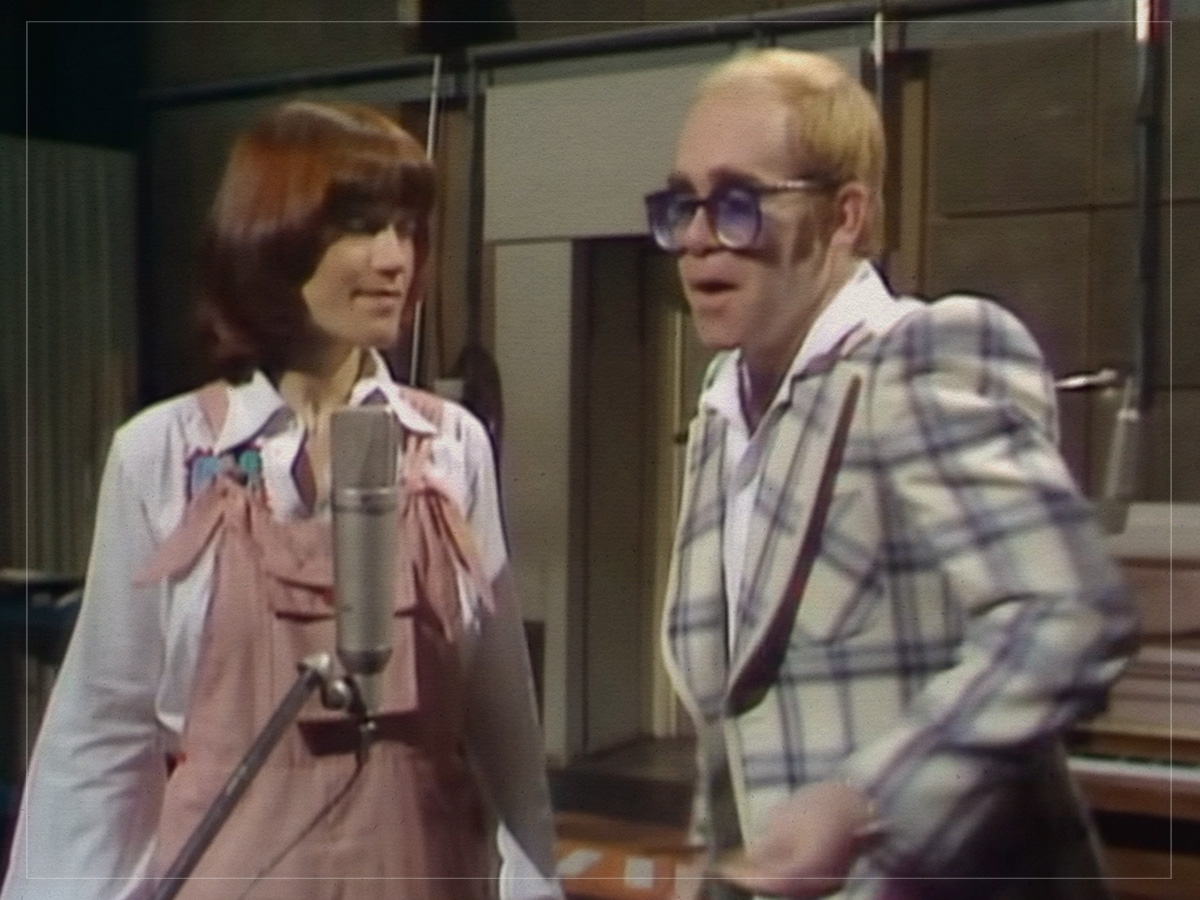
Although he and Bernie Taupin were enough of a songwriting draw as they were, for some reason, John wanted his shot at Motown to be so legitimate that he made up an alias to go with it. As such, it wasn’t them that wrote the song, it was ‘Ann Orson’ and ‘Carte Blanche’, allegedly trying to mirror the types of names you would have heard at Tamla back in the day.
The call and response style of the track was a clear hallmark of the genre, which obviously necessitated a female counterpart to John’s dulcet tones. For that, his first choice was Dusty Springfield, who at least did have some skin in the game, but she turned it down due to illness. So Dee got the job, being the next best thing and the first woman from the UK to sign with Tamla Records.
In a lot of ways, Dee was being somewhat used as a pawn to allow John to enter a space that wasn’t really his. You could argue that this inherently displayed his lack of understanding as to what Motown really was. Contrary to popular belief, it wasn’t just a line of production for a guaranteed hit, it actually had to mean something.
Perhaps it was a move that didn’t show John in the most glowing light. Creating a pastiche of a beloved and historically important genre just because he wanted to cash in on the success and the flavour of the moment possibly wasn’t the best. But then again, it speaks volumes that even 50 years after its release, ‘Don’t Go Breaking My Heart’ lives to fight another day.
It may not be the greatest song in the John back catalogue, and it was a quintessential representation of a man who would ultimately do anything for a bit of attention. ‘Don’t Go Breaking My Heart’ was, indeed, a great injustice to the pillars of Motown itself, but John and Dee didn’t seem to care; they went skipping, arm in arm, all the way to the bank.
