


The 1986 song that totally transformed music, according to Rick Rubin

A serious turning point arrived in music in 1986.
Punk had largely vanished. Classic rock was growing cluttered with synths. And it also represented the moment in hip-hop when the ‘old-school’ stridently began entering the ‘new’. Kurtis Blow’s disco breaks were already ancient history, and the Run-DMC street bluster had even eclipsed Afrika Bambaataa’s Zulu Nation electro-hop and the original urban reporters Grandmaster Flash and the Furious Five as rap’s new, dynamic force.
Sampling technology became ever more sophisticated yet accessible following the E-mu SP-12, and Def Jam Records’ founding two years earlier sought to push hip hop away from New York’s musical fringes to unexpected commercial heights that would stay put nearly 40 years later. In short, music was in a phase of rapid transition. But one track would push the era out of the rapids and set the co-ordinates for the course into the future.
At the centre of hip-hop’s rise and rise was Def Jam founder and production guru Rick Rubin. Forged in punk but enamoured with the developing innovations of the DJ and MC set-up, early signings with LL Cool J and T La Rock & Jazzy Jay would thrust the decks’ mixing and scratching arts to the sonic fore along with their aggressive rap flow.
Yet, clearly, given his history, Rubin had an eclectic outlook. He liked to experiment with various test tubes. He was never a purist in any way. As he put it, “Oscar Wilde said that some things are too important to be taken seriously. Art is one of those things. Setting the bar low, especially to get started, frees you to play, explore, and test without attachment to results.”
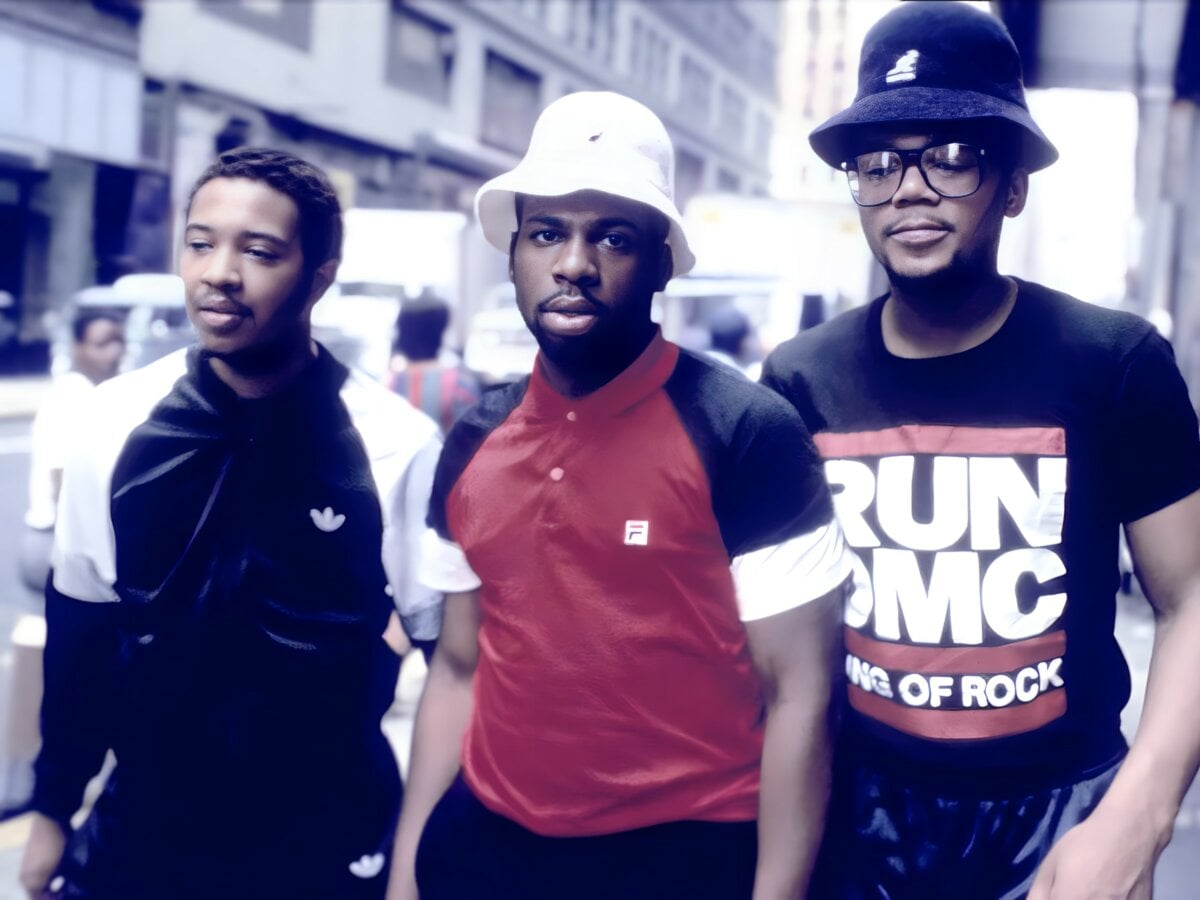
Having struck gold with Run-DMC’s Raising Hell in May – Rubin co-producing but released on Profile Records – Beaties Boys‘ Licensed to Ill in November, truly showed that hip-hop was here to stay. Enjoying a wider crossover with its punky rock heft and Rubin’s production chops, Beastie Boys’ debut would top the Billboard 200 and stand as one of the defining records of the decade and essential to hip-hop’s ‘golden era’.
While Raising Hell and Licensed to Ill were hip-hop’s first blockbuster albums, the single that propelled the genre into the mainstream nearly wasn’t cut. Having been freestyling over a classic rock loop at live shows, the sample Jam Master Jay was working on was noted by Rubin as Aerosmith’s second single from 1975’s Toys in the Attic ‘Walk This Way’.
Originally sung with a high-pace verbal delivery, its lyrical flow and Joey Kramer’s two-beat drum line lend themselves to an easy hip-hop translation. While Jay was open to a rap rework, Run and DMC were hesitant, deeming the rock cut as “hillbilly gibberish”.
Aerosmith needed a hit. While Done with Mirrors began to turn commercial fortunes around, Aerosmith was still dogged with severe drug problems and the uneasy fug of a band trying to reignite their glory days. Combined with its MTV-ready video, the hip-hop rebirth of ‘Walk This Way’ was a monster, peaking at number four on the Billboard Hot 100 and heralding Aerosmith’s second chapter from Permanent Vacation.
“I think the one-two punch of Run-DMC’s ‘Walk This Way’ with Aerosmith allowed people who liked rock a view into hip-hop to see, ‘Oh, this isn’t so foreign'”, Rubin reflected to New York Magazine in 2014. Both had beat, melody, swagger, and the wry sense of a wink in the mix. Both, essentially, were already blends of what had come before. So, why not continue mixing things up?
That question was perfectly posed by the ‘86 track, and the future answered it. Hip-hop would pursue a rich and disparate journey from then on across music’s shifting trends around it, via Public Enemy‘s politically charged attack, Dr Dre’s West Coast G-funk, Eminem’s Detroit subversion, and Kendrick Lamar’s socially conscious introspections.
Hip-hop’s ever-evolving permanence can credibly be said to have its essential roots in the commercial barriers broken by Run-DMC and Aerosmith’s audacious partnering, shepherded by Rubin’s intrepid record collection and a gift for spotting new musical possibilities before anyone had.
This innovation certainly resonated, too. The track rose to tenth in the US chart and remains part of the canon, still bringing in plenty of royalties to this day. Inspired by the success, a new age of genre-bending was afoot.
