


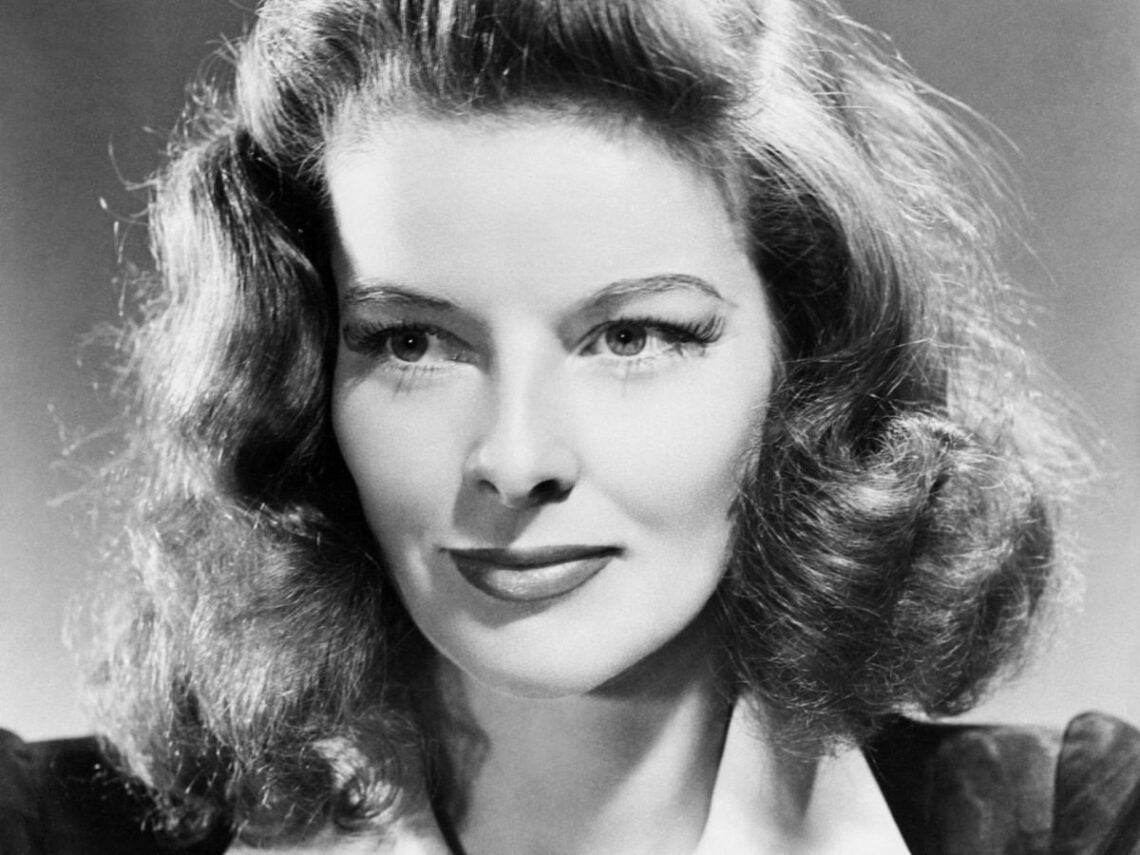
The 1986 role that restored Katharine Hepburn’s faith in acting: “At my age, you see a lot of dreary material”

When Katharine Hepburn passed away in 2003, writer Mary McNamara honoured her with a eulogy that stated succinctly, “Katharine Hepburn was the patron saint of the independent American female.”
Though Hepburn, the spirited, self-assured girl from Connecticut who grew up to be one of the most decorated female actors of all time, might have been ahead of the years in which she lived, she was still trapped under their influence.
In 1986, when the then 86-year-old gave a rare at-home interview with the LA Times, Hepburn was ready and willing to provide a list of grievances she had with society. “It’s a tough world we’re living in,” she began with a scowl, adding that abortion rights and Planned Parenthood were the “two most important women’s issues today: women would certainly be in some prison if these freedoms were ever eroded”.
Hepburn boldly stood by her endorsement of a woman’s right to choose what happens to her body… After all, her mother, Katherine Houghton Hepburn, was a co-founder of Planned Parenthood, but the actor’s logic extended to the woman’s right to choose to keep her clothes on, too, which lands in slightly murkier waters.
Hepburn, who had played stringent females from the fierce Eleanor of Aquitaine in The Lion in Winter to the devoted wife in On Golden Pond, deemed the 1980s an era unnecessarily obsessed with sex… “It’s really crotch time,” she seethed.
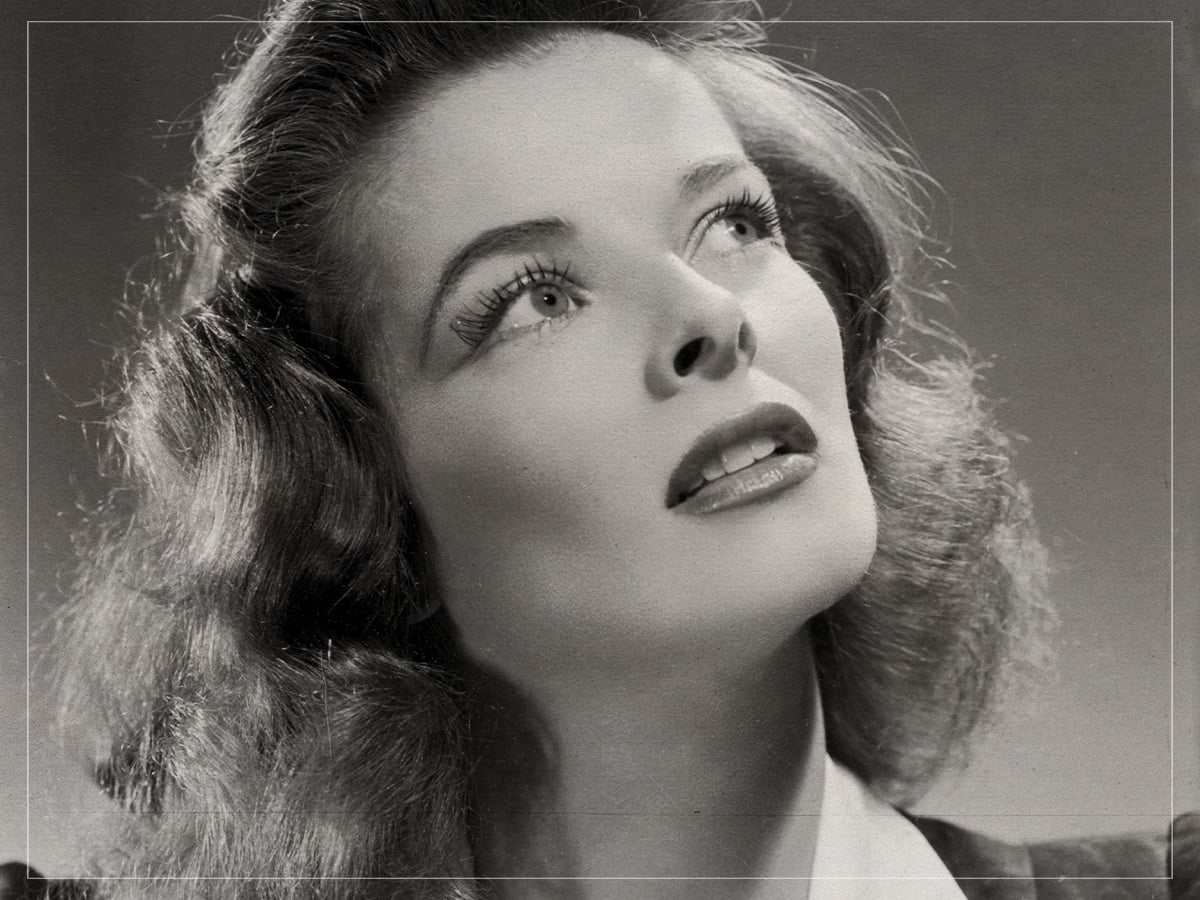
She went on brutally, “I simply would have refused to play the parts (that involve such scenes). As a woman, I wouldn’t have demeaned myself by undressing and having them photograph fornication. And the minute actresses refuse… it would stop, wouldn’t it?”
Hepburn here proved that she was a product of her generation; by equating a state of undress with an act of self-degradation, Hepburn brazenly ignores the liberation that reclaiming a sexualised body can give a woman, often victimised symbolically by the patriarchy.
Hepburn doesn’t quite catch on to the larger issue: That the male gaze in Hollywood demanded fewer layers. The onus to fix this certainly wasn’t on the female workers trying to make a living. Realistically, should Hepburn have refused to pop a button, the team of faceless male directors could’ve easily found ten more replacements in the ensuing thirty minutes who’d been more than willing to comply.
However, Hepburn did call out the men at the top and their cold, cash-focused demeanour; the New Hollywood movie mogul was drained of romance and sensibility, she lamented. All of this to say that, when Hepburn landed on the romantic comedy Mrs Delafield Wants to Marry, written by James Prideaux and directed by George Schaefer, she was “thrilled”.
She explained, “You know, at my age you see a lot of dreary material, a lot of rest-home sagas. Terrifying. They’re deadly, and a bore, and I just won’t do them, I won’t do them,” said Hepburn. According to the interviewer, the star was perched atop a bedroom floor strewn with scripts that she deemed “mostly trip..”
Hepburn concluded, “This is about a sweet, really nice woman who is at the end of the trail, but who is given an opportunity to do something that will make her happy and give her a sort of second life… and who does it,” nodding to the chance meeting and romance between her character and a Jewish, widowed doctor played by Harold Gould. At least no one made her take her clothes off.
