


The 1984 U2 song The Edge said they couldn’t match: “Never as good”

There are normally two sides to every great rock band: the version that we hear in the studio and the one that lives onstage.
Although there are many outfits that don’t like to differentiate between the two, there are just as many sonic rabbit holes you can venture down once you get into the studio and start going wild with different effects. But sometimes that means certain songs can never meet the stage, and even when they were in the studio, The Edge admitted that U2 could never get ‘A Sort of Homecoming’ right ever again.
By the time U2 went in to create The Unforgettable Fire, they had already ascended to the kind of heights reserved for the all-time greats. They hadn’t had the solid gold classics under their belt yet, but their way of blending a punk ethos with an intellectual take on political music felt like the futuristic version of Bob Dylan, Television, and Pink Floyd all in one band.
The album also marked a significant turning point in U2’s creative development. Working with Brian Eno and Daniel Lanois encouraged the band to move beyond the direct, martial sound of their earlier records, embracing atmosphere, texture and mood in a way that would define much of their future work.
Whereas War was already a dark record, their fourth outing seemed to have a lot more hope trapped within its grooves. Sure, the tragedy of Martin Luther King Jr.’s death was heartbreaking, but ‘Pride’ was a reminder that true belief in one’s fellow man would never die if it lived on in people’s hearts.
‘A Sort of Homecoming’ was already the perfect way to open the record, taking the makings of a great U2 song and stretching it out into this strange overture for the record. Although this was by no means progressive rock or anything, The Edge remembered the whole thing being impossible to replicate once the band cut the demo.
If anything, The Edge said the fact that they got the version that ended up on the record was almost by accident, telling One Two Testing, “That song in the studio was such a fluke… When we started doing the vocal, the rough mixes were never as good, so when we finally finished the vocals of that song, [producer] Danny [Lanois] said, ‘That’s a great backing track. Why don’t we just bounce Bono’s voice onto it, and we’ll see what that sounds like?’ So that’s what we did, and that’s the version we put on record.”
The final version definitely has some semblance of the demo audible, too, with Bono’s vocal sounding more than a little bit dishevelled next to the rest of the band. For a group of their calibre, this feels like they’re taking the easy way out, but if you know the song, it actually fits surprisingly well.
Rather than polishing every imperfection away, the finished recording preserved much of the spontaneity that had made the original backing track so compelling. The slight roughness in Bono’s vocal only enhanced the dreamlike quality that Eno and Lanois were striving to capture throughout The Unforgettable Fire.
This was intended to be the overture paving the way for a bright version of the band, so hearing Bono’s vocals amid all the other instruments makes him sound like he’s shouting through the haze of music to get the listener’s ear. While most would have preferred if Bono had not raised his voice that high for any reason these days, this was the time when it truly felt like they could change the world.
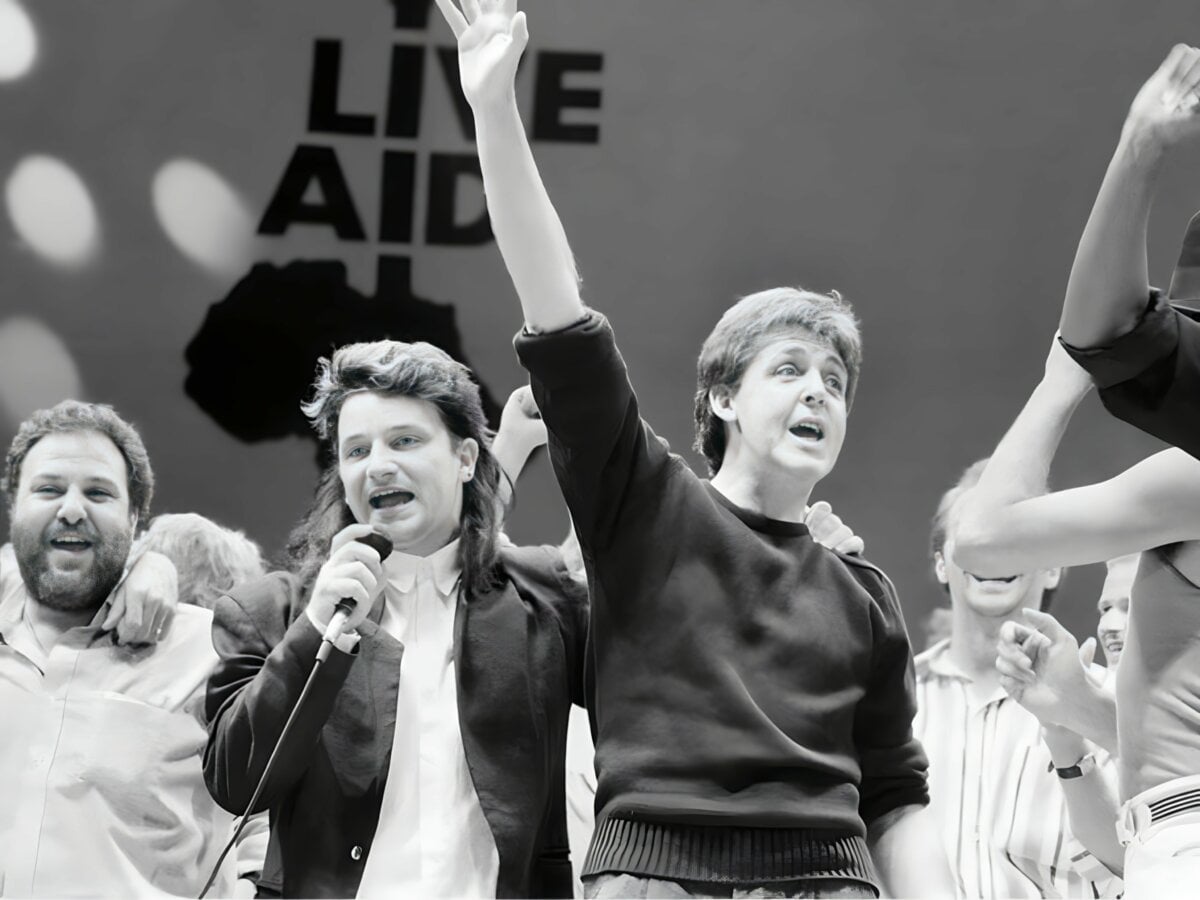
‘A Sort of Homecoming’ was far from the best song U2 would ever write, but when you listen to it in the album’s context, it’s enough to make anyone a believer. Regardless of the uppity band with the sentient sunglasses up front that we see today, this is closer to the man screaming out for change at Live Aid.
For a band that built its reputation on explosive live performances, it’s fitting that one of U2’s most cherished recordings owes so much to studio serendipity. ‘A Sort of Homecoming’ may never have become a concert staple on the level of ‘Where the Streets Have No Name’ or ‘Pride’, but its fragile, almost accidental brilliance remains one of the defining moments of The Unforgettable Fire and a reminder that sometimes the first spark is impossible to recreate.
