


The 1980 song half the band agreed was Genesis’ underrated masterpiece

When you’ve written almost 200 songs, many of them stretching into double-digit runtimes, there are bound to be a few that get overlooked. Genesis, by rights, should’ve been overlooked full stop.
Of course, they shouldn’t have been cast to the ash heap of history because of any lack of objective quality, but because they seemed to wilfully avoid the tropes of the mainstream with wicked glee. Ask any A&R expert, and they’ll tell you, ‘Genesis had washout written all over them’.
In fact, when Genesis initially emerged, their first hurdle to success was ensuring their albums wound up in the right record store category. Eventually, they managed to escape the ‘Christian music’ section where their debut was incorrectly filed, almost causing them to flop before things had gotten started.
While Peter Gabriel and his cohorts might now be deemed prog, perhaps the clearer transition beyond genre was the sense of intelligence and depth that they imparted. There was an Oxbridge air to their songwriting that certainly divorced them from the conventional rock ‘n’ roll that they, in fact, grew up with.
They weren’t looking for hits; they were looking to develop a new form of intellectualised rock. There was an earnest nerdiness to their music. Thankfully, there are plenty of nerds to enjoy it… as their wall-to-wall corduroy concerts attest. The song that typified that progressive approach perhaps the most was the roving, waltzing ‘Duchess’.
“The song that both Phil and I always rate as perhaps our favourite Genesis song is ‘Duchess’ from Duke,” Tony Banks said when musing over the most overlooked entry into their vast back catalogue. “I like it because it has a simple lyric – the rise and fall of a female rock star.” It may well have been a simple lyric when it came to its comprehensiveness, but it was also deeply adventurous and progressive, like a more cogent take on Ziggy Stardust.
The band were equally daring and liberated with the composition. “It’s the first time we ever used a rhythm machine and a drum box,” Banks recalls.

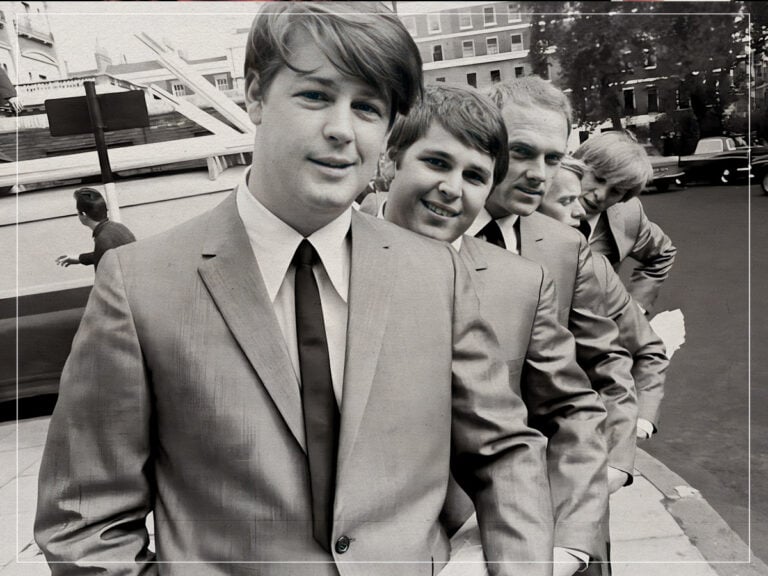

Such musical innovations were always at the forefront of the band’s mind. In 1980, when the song was released, music was at a precipice, whereby punk had made a case for the purity of rock ‘n’ roll without major adornments, but pop was pushing forward with myriad technological advancements.
Genesis were one of the few who figured that the two didn’t have to be mutually exclusive. As Collins proudly put it, “There’s a tendency for people to be cynical about popularity, like you’re appealing to the lowest common denominator, which is another term for trash. It’s an insulting attitude, insulting to the audience.” For him, ‘Duchess’ was the perfect example of something easy on the passive ear but full of depth if you listened closely.
“I think it has an incredible atmosphere,” Banks continues, singing the praises of its musical sincerity. “I always thought it could have been a hit. We did release it as a single at one point, but it didn’t get far. So I’d rate that as very underrated.” Perhaps one of the reasons it didn’t get far was because of the middleground it strived for. It wasn’t as overtly future-focused as many of the songs hitting the charts, but it was far from bands like the Sex Pistols who they found themselves feeding with, either.
In many ways, Banks sees this as the usual disposition of the band. “There’s a lot of tracks like that because there’s about a dozen Genesis songs that get the most play on the radio,” he told Vulture. “The tracks that aren’t given that attention are the longer ones. You’d never hear ‘Supper’s Ready’ on the radio now. ‘Blood on the Rooftops’ is a lovely song and you’ll never hear it out of the album context.”
He concluded, “Although we’ve written one or two good pop songs – our real strength lies in slightly more adventurous music.” The beauty of the band was that they somehow made both of those factors work together in such a way that they managed to sell over 100milllion records, without ever playing ball with the boring trappings of the mainstream.
