


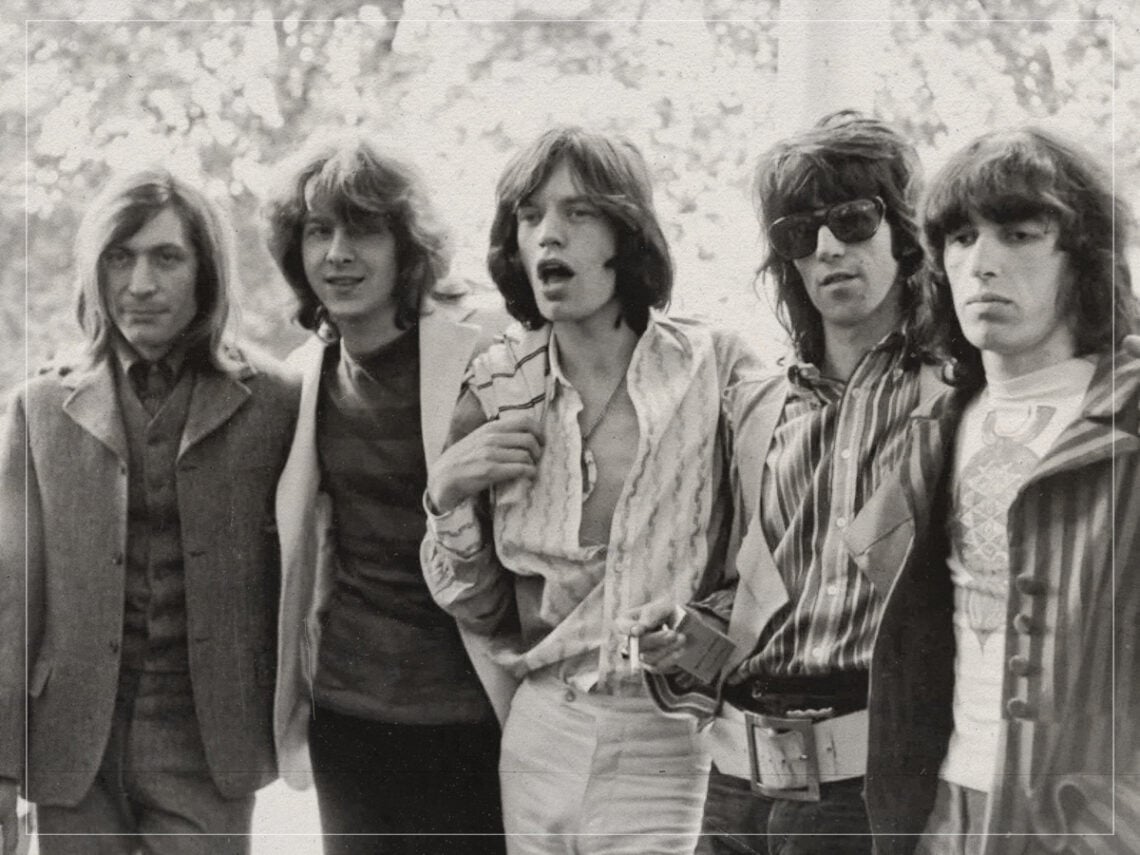
The 1969 Rolling Stones song that cracked “all the ingredients” of a great pop anthem

Pop is scarcely a word that fits into the image of The Rolling Stones during their 1960s heyday, when Mick Jagger’s outfit represented the pinnacle of youthful, anarchic, cutting-edge rock and roll rebellion. Nevertheless, the group certainly cut their material from the cloth provided by the pop handbook.
If pop is more of a sonic approach than a specific sound, then it is difficult to argue against The Stones being lumped in with the prevailing pop stars of the 1960s, even if they shared little in common with the likes of Lulu or Cilla Black.
Not only did Jagger and the gang strike upon a multitude of pop smash-hits during the course of that legendary decade, but the very structure of much of their output was geared towards a pop audience, albeit one which had no qualms about rock and roll revolution.
Some tracks were more pop-centric in their approach than others, of course. It is difficult, for instance, to recall many other pop songs of the mid-1960s built around Brian Jones’ newfound penchant for the sitar, as in ‘Paint It Black’. Similarly, there weren’t many pop hits of that time to quite so explicitly deal with sexual frustration, other than ‘(I Can’t Get No) Satisfaction’. On some Jagger-Richards efforts, though, the pair perfected their pop formula.
One such track, according to Mick Jagger himself, was the band’s 1969 effort ‘You Can’t Always Get What You Want’, released as the B-side to their UK number-one single ‘Honky Tonk Women’. Composed by Jagger on an acoustic guitar as little more than a bedroom jam, the song ended up becoming one of The Stones’ definitive anthems and, as far as its writer was concerned, a slice of pop perfection.
“It’s a good song, even if I say so myself,” he once declared. “It’s got a very sing-along chorus, and people can identify with it: No one gets what they always want. It’s got a very good melody… It’s got very good orchestral touches…it’s got all the ingredients.” In other words, the song is about as perfect a pop effort as The Stones ever achieved.
While Jagger’s appreciation for his own song is understandable, it having “all the ingredients” of a pop anthem with widespread appeal is certainly debatable – or, rather, it might be accused of having too many of those elements. After all, the album mix of the song clocks in at seven-and-a-half minutes and features the London Bach Choir, along with a litany of orchestral contributions. None of that, it hardly needs to be said, is typically found in your run-of-the-mill, two-minute pop ditty.

Such is the power of The Rolling Stones, though, that they could rocket such an unlikely track into the epicentre of the collective musical consciousness. Exceedingly few rival groups could manage to reach the top of the pop charts, much less with a B-side lasting five minutes in its trimmed-down form.
Perhaps, then, Jagger was right about it having all the elements to make it successful, even if its physical structure bore little resemblance to the accepted pop formula responsible for most of the chart-toppers of the era.
