


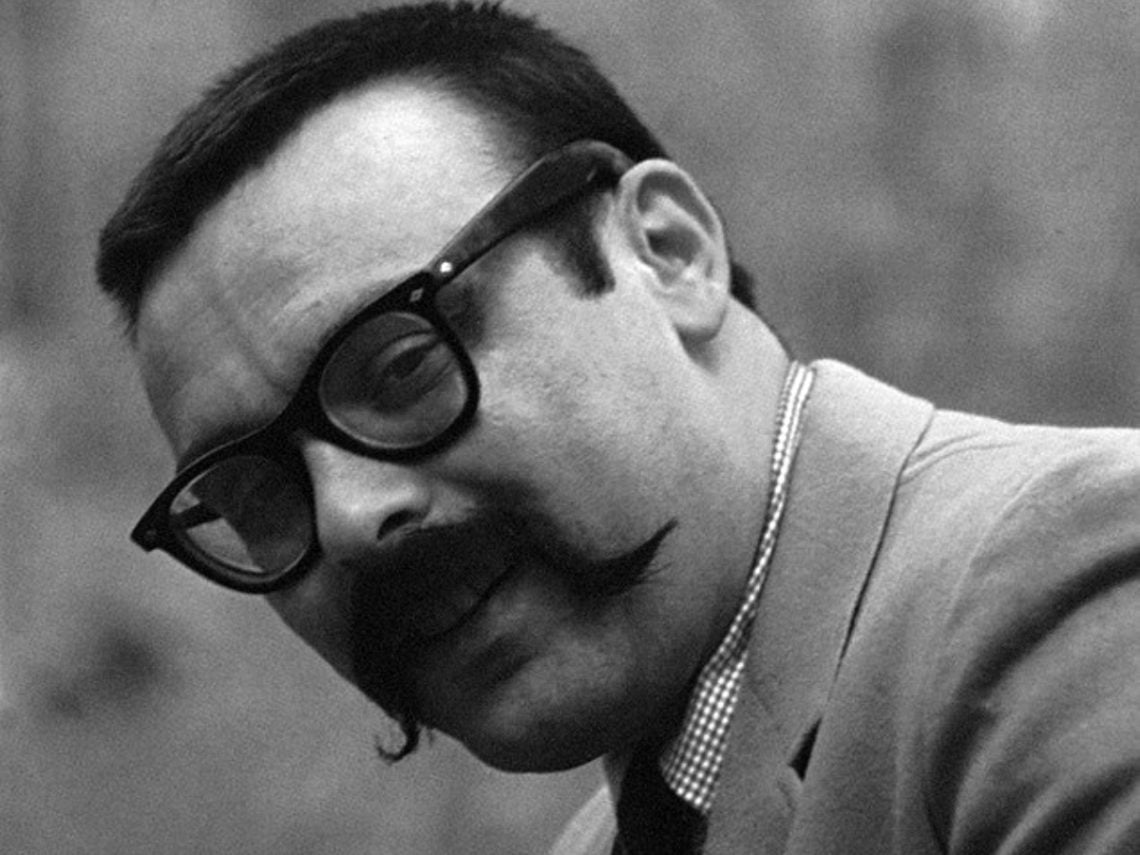
The 1966 Beatles classic that became the last song Vince Guaraldi ever played

The Beatles were obviously considered flagbearers of excellence in the late part of the 20th century. Album after album, they continued to break new ground and move forward with their innovation in a way that made them the true pioneers of music.
But amidst their wild popularity, the world didn’t forget that behind the screaming mania of their fandom and the seemingly endless critical acclaim, they weren’t operating on the same level as jazz musicians. Jazz musicians, to those in the know, will always be considered the true virtuosos of art, and even though popular music favoured rock in the most crucial years, the true students of music never forgot that.
Despite the fact that John Lennon once described the genre as “just a lot of old blokes drinking beer at the bar, smoking pipes and not listening to the music,” it was clear that his inner songwriter, along with Paul McCartney, was a keen admirer of the genre.
The band brazenly took some of the most pioneering techniques of the genre and introduced them into their own music, with the songs ‘Honey Pie’, ‘When I’m Sixty-Four’, and ‘Your Mother Should Know’ all proudly lifting arrangement structures from jazz.
So it made them a perfect band to cover, for any jazz musicians wishing to cross the bridge into commercialism. Despite the feud that may have arisen from Lennon’s comments, there were plenty of admirers from the genre, namely the American pianist Vince Guaraldi, famous for writing the arrangements to A Charlie Brown Christmas and delivering the Grammy award-winning ‘Cast Your Fate to the Wind’.
It was, in fact, a famous Beatles track that served as his last ever performance. While performing at Butterfield’s Nightclub on February 6th, 1976, Guaraldi performed a famously soulful rendition of the ‘66 hit ‘Eleanor Rigby’, before returning to his room at the adjacent Red Cottage Inn. While there, Guaraldi complained of an upset stomach to his drummer Jim Zimmerman, before collapsing suddenly and sadly passing before returning to the stage.
While a recording of his song is immortalised on his 1969 album Alma-Ville, only those in the crowd that night can attest what it was like to see Guaraldi’s last performance in the flesh. Despite penning some of the most influential jazz piano parts in music history, there was something romantic about his bowing out on a Beatles song that lent itself so perfectly to a jazz cover.

His piano playing cascades through the melody with a smooth charm that benefits both parties. Not only does it show how complex The Beatles’ writing was within the world of a pop song, but it also proves how jazz remains one of the premier forms of musical performance, for Guaraldi’s piano only seems to elevate the beauty of it.
It was more than just old men sitting in a smoky bar, as Lennon professed, and The Beatles’ track was more than just a simple four-chord rock song; it was music that both worlds could comfortably share and prove that together, they were spearheading music into a virtuosic direction.

Never Miss A Beat
The Far Out Beatles Newsletter
All the latest stories about The Beatles from the independent voice of culture.
Straight to your inbox.