


The guitarist Paul Stanley said had “the greatest right hand” in music

I don’t think David Crosby ever realised how good a guitar player he was.
In fairness to Crosby, you could understand exactly why he may have underrated himself. A guitarist found in the crosshairs of the 1960s and ‘70s had plenty to compare themselves to, be it the fingerpicking prowess of a folk icon or the raw power of a blues student; there wasn’t a shortage of virtuosic players paling everybody’s mediocrity into view.
What’s more than that, Crosby decided to double down on his vocals. He was a deeply soulful singer, and when paired with his bandmates Stephen Stills and Graham Nash, he had the ability to conjure up harmonic magic.
All of this made a humble guitarist who didn’t quite realise what he could wield with the axe. Rather than assume the role of confident rockstar, he would constantly diffuse his own skills in order to celebrate his peers, even once saying, “You’ve got to remember I learned [different tunings] from people who were better than me – Joni Mitchell and Michael Hedges, in particular. Hedges was the master. I think he was the best guitar player of the last century.”
Maybe it’s all rooted in the fact that most of Crosby’s greatest music, from his solo work to that of Crosby, Stills and Nash, stepped away from the limelight hogging style of lead guitar playing. There was a service to the song consistently being played by Crosby, who focused largely on rhythm parts over anything.
But as any guitarist can tell you, within that world lies a great deal of strength and skill. In fact, most of the gritty rock and roll we now love, from AC/DC to The Rolling Stones, wouldn’t have existed without the perfection of rhythm parts from its individual players. Kiss’s Paul Stanley firmly believes that Crosby fits into that mould and is arguably the most underrated guitarist because of it.
He explained, “Very often, rhythm guitar was looked at as what you do before you can play lead. And there were certainly consummate guitar players who, yes, could play lead guitar, but that wasn’t their wheelhouse, really. Whether it was Keith Richards or Pete Townshend – or even David Crosby or one of the greatest right hands ever.”
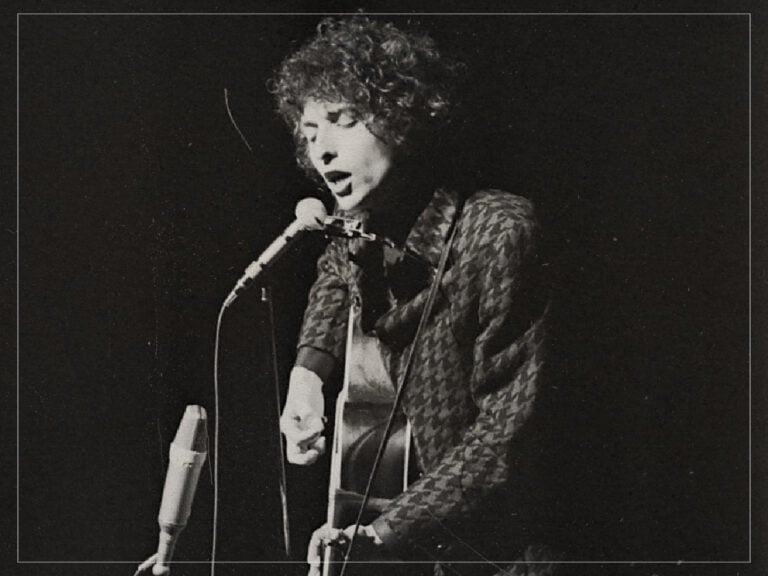
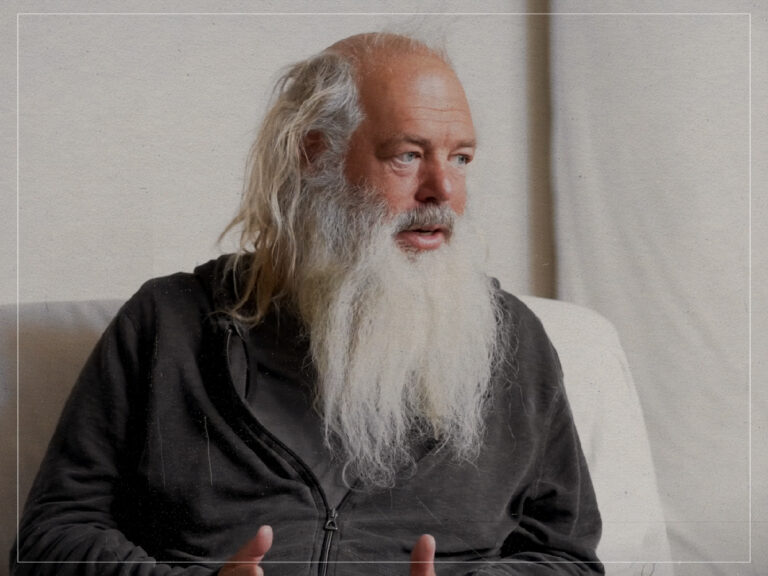
Stanley perfectly encapsulates what made Crosby such a soulful musician and the heartbeat of any song he put his hand to. He was unashamedly inspired by jazz pianists like McCoy Tyner and used innovative tuning techniques to meet that sound. Blended with his, as Stanley points out, signature strumming style, and you had a sound that elevated the rhythmic structure of any song.
It was humble work, not the sort that would have been wildly celebrated at the time. When Jimmy Page was wheeling out a double-necked guitar and playing spiralling solos, it was hard to convince the average music fan that Crosby was tapping into something unique. But the timelessness of his music tells the story best, and if you’re ever wondering what it is that keeps you coming back to the debut Crosby, Stills, and Nash album, now you know.

Never Miss A Tale
The Far Out Classic Rock Newsletter
All the latest Classic Rock content from the independent voice of culture.
Straight to your inbox.