


The 1958 song that taught David Crosby how to sing: “Convinced me”

When talking about the strengths of Crosby, Stills, and Nash, one of the first elements of their sound is the harmonies.
Regardless of the rustic flavour of songwriting or the unique alternate tunings the band used throughout their time together, their ability to create a miniature choir whenever they step up to the microphone made for musical ecstasy on songs like ‘Teach Your Children’. While that comes from years of practice, David Crosby cites one band as his primary vocal teacher.
For Crosby, harmony singing was never just decorative. He viewed layered vocals as an emotional instrument in themselves, capable of transforming otherwise simple folk or rock songs into something almost spiritual.
Then again, Crosby had already honed his craft long before working in the famed supergroup. Before working with his bandmates, Crosby’s work in The Byrds signalled a sleek sound for rock and roll, taking the sounds of The British Invasion and channelling them through an American lens on songs like ‘So You Want To Be a Rock ‘n’ Roll Star’.
The Byrds also gave Crosby an early understanding of how vocal interplay could shape a band’s identity. Even when the instrumentation leaned heavily into jangly folk-rock, the harmonies remained central to the group’s sound.

Even outside his original material, Crosby could still be heard laying his excellent high harmony over every track. When listening to the backing lines of their version of ‘Mr Tambourine Man’, Crosby’s voice is practically a co-lead vocal alongside Roger McGuinn, creating a heavenly blend of harmonies that hadn’t been seen since The Beatles.
Discussing where his love for harmony came from, Crosby considered his inspiration to go much further back than The Beatles. Long before John Lennon and Paul McCartney had stumbled across their knowledge of harmony, The Everly Brothers had already made lovely odes to romance with the most gorgeous twin vocals the rock world had ever seen.
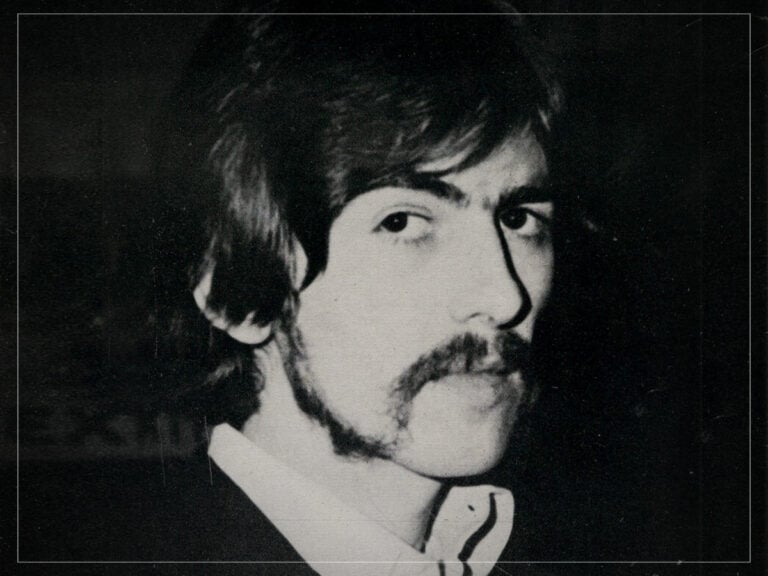

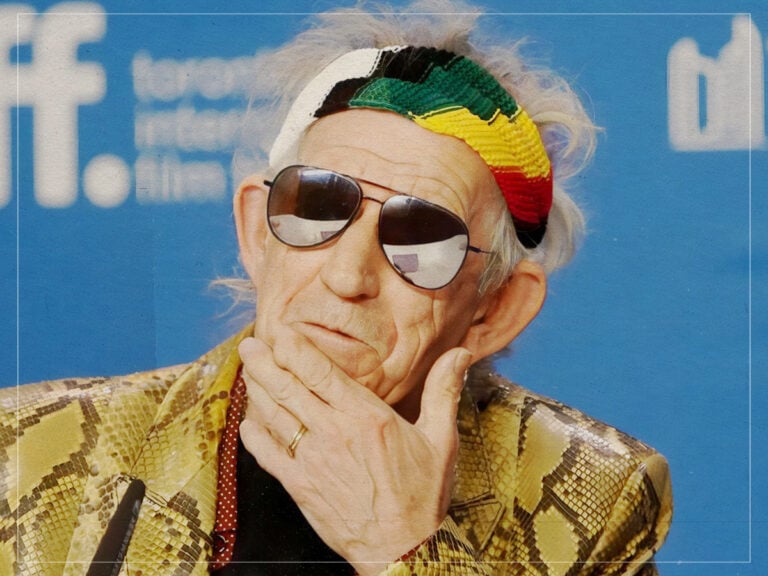
Throughout songs like ‘Bye Bye Love’, Don and Phil Everly blended into one singular voice, delivering sweet odes to young love that sat somewhere between country and rock and roll. Although The Beatles took inspiration from the duo, Crosby considered The Everlys his first vocal coach.
When speaking to The Guardian, Crosby was convinced the song ‘All I Have To Do is Dream’ opened his ears to new possibilities, saying: “This was one of the things that convinced me I really wanted to sing harmony. I learned both parts of the harmony—Don‘s part and Phil’s part—and I used to sing along with this record every time it came on. The Everly’s wrote the book on harmony singing, which this song epitomises. It really affected me very strongly and made me want to do it”.
From the sound of the band’s signature ballad, it’s easy to see how Crosby came to define his chops. Going through both vocal parts, each could have been a delicate lead vocal on their own, only to turn into something much stronger when taken together.
That same philosophy would later define Crosby, Stills, Nash & Young at their peak. Individually, each singer had a distinctive voice, but together they created a richness and depth that none could achieve alone.
Once Crosby started to work with musicians equally well-versed in harmony, though, albums like Deja Vu showcased where rock could go through the power of one’s voice. Like his idols before him, a song like ‘Teach Your Children’ benefits from having voices layered on top of one another to create a spectral force over the instrumentation. There are many ways to turn rock inside out, but Crosby found his strong suit by testing the power of his vocal cords.
Crosby’s obsession with harmony ultimately helped redefine what vocal arrangements could achieve in rock music. Rather than treating harmonies as background decoration, he elevated them into one of the genre’s most expressive tools.
