


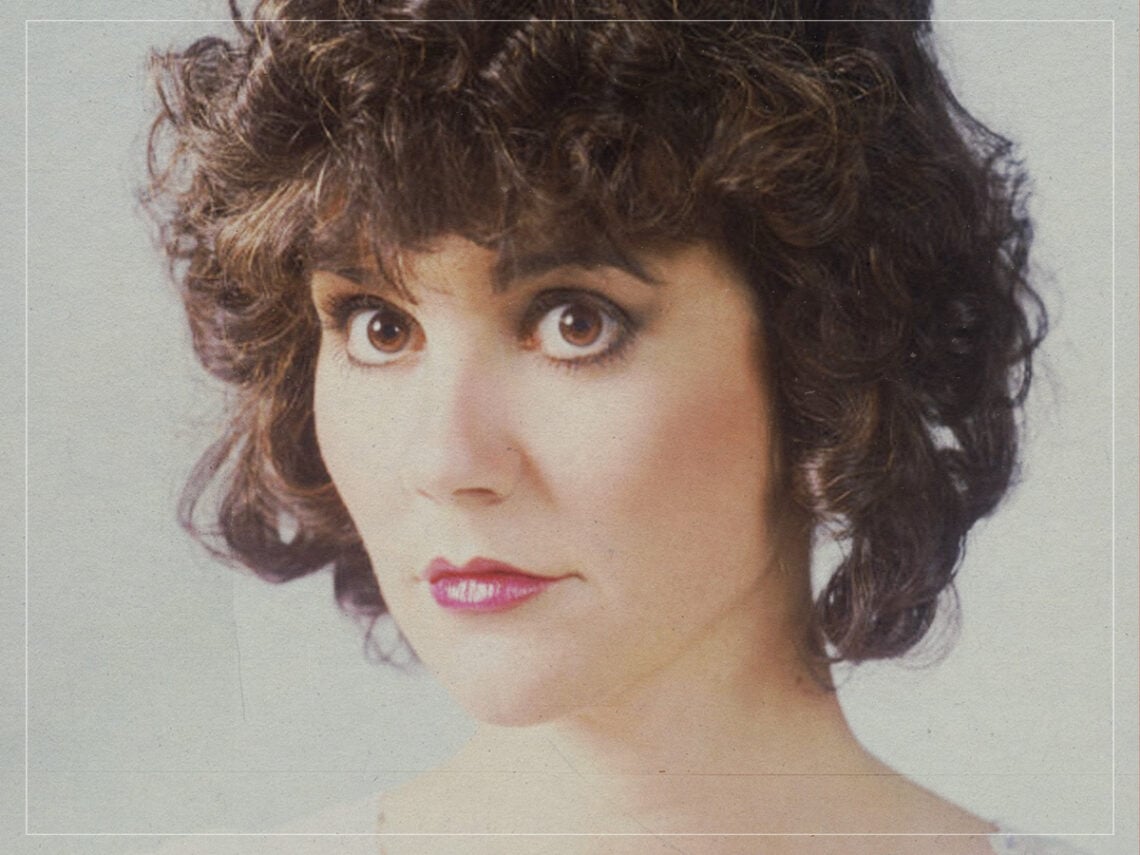
The 1920s songwriters Linda Ronstadt said invented pop music: “Good records”

Linda Ronstadt didn’t get into the music business to make strictly country rock songs.
She was a student of the popular song, and that came from listening to everything from Spanish music as a kid to becoming one of the progenitors of pop stars dipping their toes into more sophisticated music later on in their career. But those kinds of turns could only come from someone who had really done their homework as to where all of those great songs came from years before rock and roll was born.
Sure, there were many people who would have preferred if she kept singing tunes like ‘Heart Like A Wheel’ for the rest of her life, but Ronstadt was keen to explore other territories. She didn’t want to be pigeonholed into any one style of music every single time she played, and when you look at her career, you would have sworn that she had the same kind of identity crisis across every album she made.
She was more than happy to push on and make music that anyone could appreciate, but there were more than a few times when easy listening seemed closer to where her voice was. As much as she could have raked in the big bucks by singing ‘You’re No Good’ night after night, she was never going to feel completely comfortable playing that kind of music, and when she first got a taste for what true powerhouse vocals sounded like in Pirates of Penzance, she wanted to go down that road even further.
Working with someone like Nelson Riddle was definitely going to give her an education as to what professional singing was supposed to be, but What’s New was her way of shining a spotlight on the artists that she loved as a kid. Irving Berlin and Frank Sinatra had been the ones delivering these songs to the first generation of pop, but even before there was such a thing as the pop charts, Ronstadt could always appreciate what playwrights like George Gershwin were doing.
Because, like it or not, Gershwin has one of the greatest impacts on pop songs out of anyone in the 20th century. ‘Summertime’ is still one of the most beloved showtunes of all time, and even when a young John Lennon and Paul McCartney were starting to write their own tunes, it wasn’t out of the question for them to take a page out of Gershwin’s playbook and start making something a bit more refined.
The pop charts had come a long way since those days, but Ronstadt was still there to remind everyone that the Gershwins were the ones who got there first before anyone else, saying, “The Gershwins were the guys who defined the popular song. They wrote movies, with huge casts of ironies and cynicisms and longings and all those things were included.”
“Whereas now, we make good records, I think, the second half of the century’s pop music is more has to do with making a good record than it does with making a good record than it has with making a good song.”
Linda Ronstadt
Granted, most pop stars don’t have to worry about telling stories in their songs the same way that Gershwin did, but you can still hear their influence in the way that people structure their music. Any Pro Tools session might look more like an assembly line when it comes to certain pop songs, but the only reason why all of the individual parts on a pop song work is because of how those early innovators were teaching people what makes certain harmonies sound great on a record.
They weren’t trying to reinvent the wheel by any stretch, but if someone does a good enough job, they’re going to make something that lasts far longer than the average flash-in-the-pan pop artists. Ronstadt was already surrounding herself with people she thought would last as long as her idols did, but sometimes it takes someone like her to bring that sound to a new generation of musicians.
