


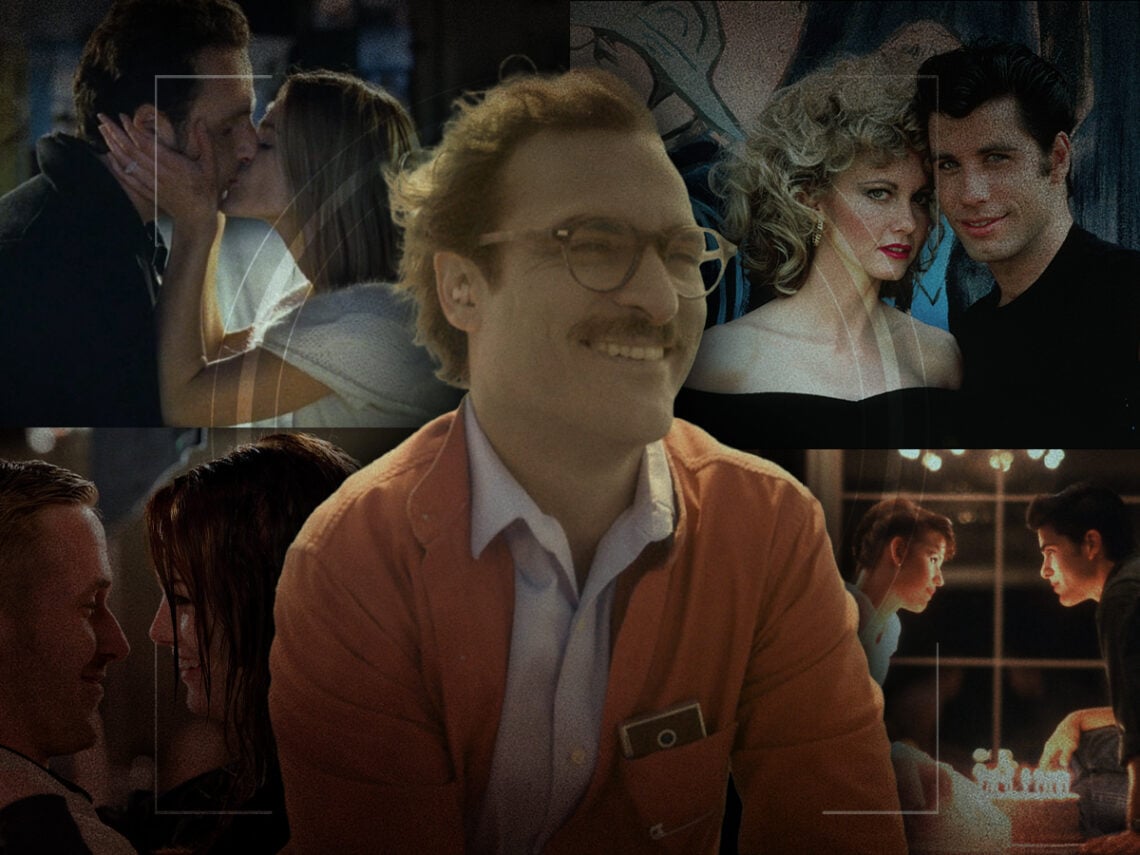
10 rom-coms that are actually pretty creepy when you stop and think about it

The romantic comedy genre is best enjoyed without any serious application to reality.
Cinema is often a means of escapism, and that doesn’t just apply to science fiction and fantasy films. Even when films are presented as being grounded in some form of reality, they can offer dramatic and frankly unbelievable interpretations of what human behaviour looks like. It’s not necessarily a bad thing, but it can lead to negative assumptions if these films are analysed for their potential subtext. When looking at the past, there are some films that simply wouldn’t be made today.
The romantic comedy genre is much older than it is given credit for, as it originated from many of the screwball films of the 1930s. Given that It Happened One Night is one of the three films to win the ‘Big Five’ Academy Awards for ‘Best Picture’, ‘Best Director’, ‘Best Actor’, ‘Best Actress’, and one of the screenplay categories, it’s not like these films have been slighted for acclaim.
However, rom-coms also tend to reflect the mindset and sensibilities of the eras that were released in, and may seem bizarre when reflected upon in a contemporary context. It’s no coincidence that the rom-com genre became more barren in theatres after the #MeToo movement led to greater sensitivity when it comes to attraction and relationships.
If anything, it’s a testament to the power of a great rom-com if the leads are charming enough that it becomes easy to overlook some of the creepier elements of the story.
10 rom-coms with creepy subtexts:
‘Big’ (Penny Marshall, 1988)
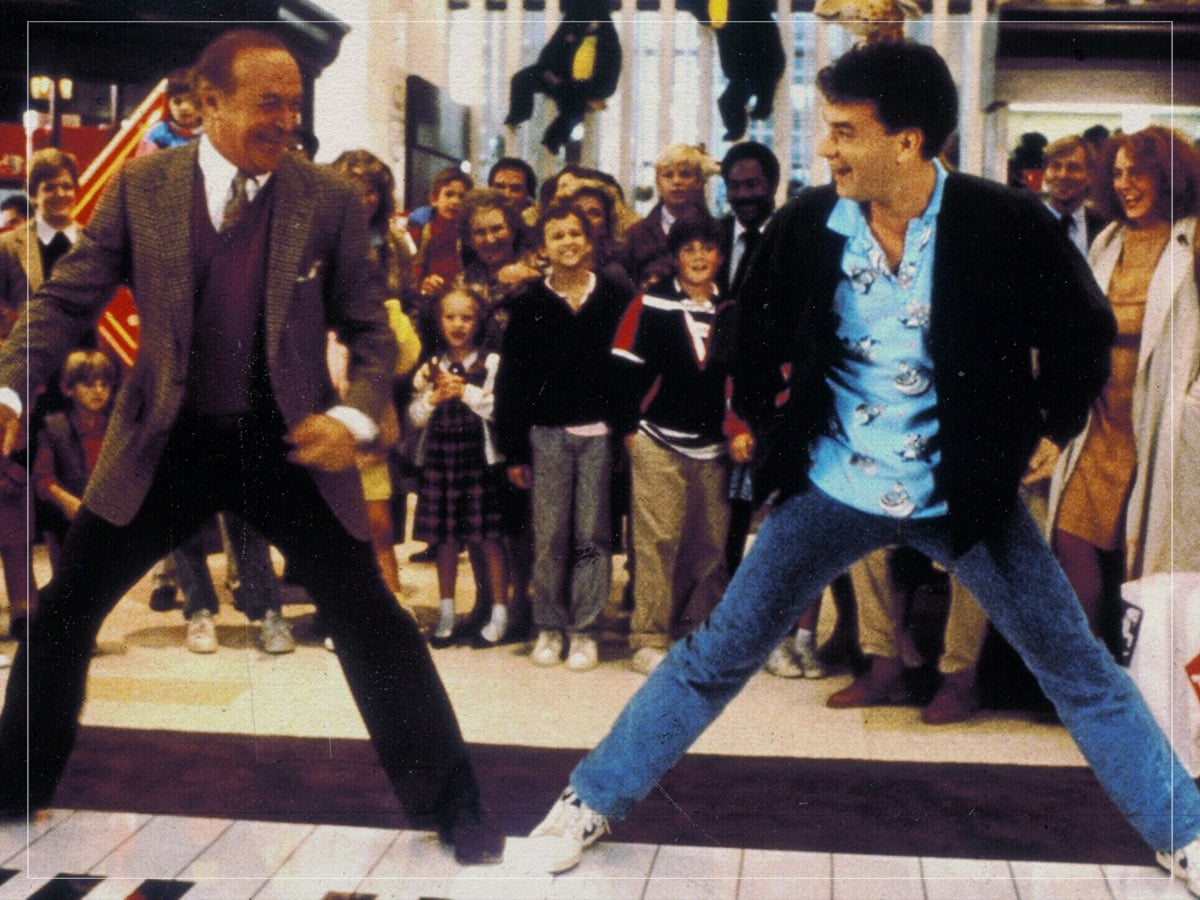
Tom Hanks was already a successful comedy star by the time he starred in Big, but the film exceeded expectations to become one of the most successful hits of 1988, and even earned him an Academy Award nomination for ‘Best Actor’, which is rare for a broad comedy. The plot of the film is genius, where, after wishing that he could grow up, the young boy Josh (David Moscow) is turned into an adult version of himself, played by Hanks.
There’s no getting around the fact that Josh (in his adult form) sleeps with Susan (Elizabeth Perkins), a woman who becomes his co-worker. This creates a very creepy moment at the end when Josh is reverted to his child body and forced to bid farewell to Susan; even with the excuse that ‘the ‘80s were a different time’, it’s pretty weird.
‘Crazy, Stupid, Love’ (Glenn Ficarra and John Requa, 2011)
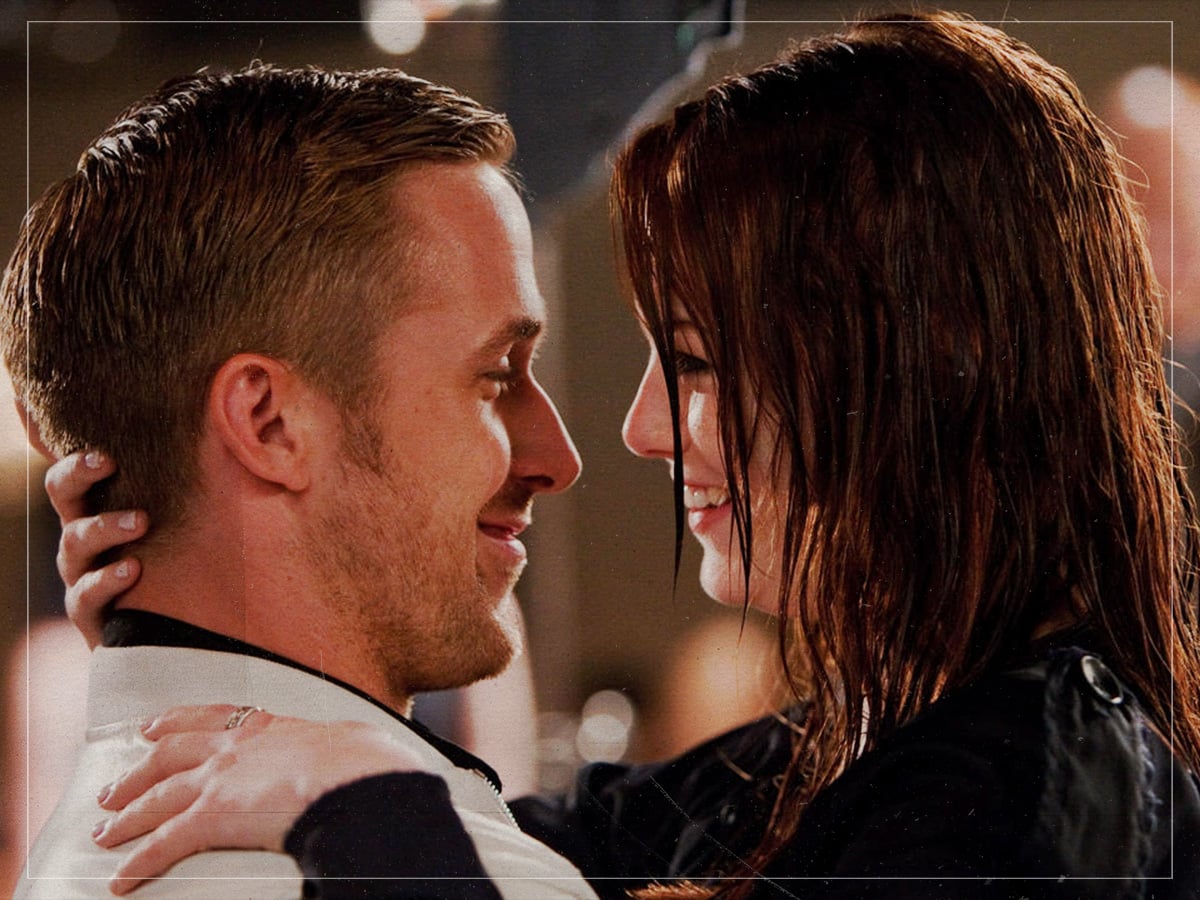
Ryan Gosling and Emma Stone had the first of their three collaborations in Crazy, Stupid, Love, a romantic comedy that has one of the most stacked casts of the 2010s, and while their dynamic is undeniably charming, but the creepiness comes in with regards to the character of Robbie, played by Jonah Bobo, the younger half-brother of Stone’s character, Hannah, who becomes confused when his parents, Emily, played by Julianne Moore, and Cal, played by Steve Carell, get separated.
Robbie is in middle school, but he’s in love with his 17-year-old babysitter, Lio Tipton’s Jessica, who takes the advice of a classmate and leaves naked photos of herself for Cal, for whom she harbours a crush. If this wasn’t creepy enough, the pictures are found by Jessica’s father, Bernie, played by John Carroll Lynch, who gets the impression that Cal and his daughter are dating, leading him to stage an attack.
‘Grease’ (Randall Kleiser, 1978)
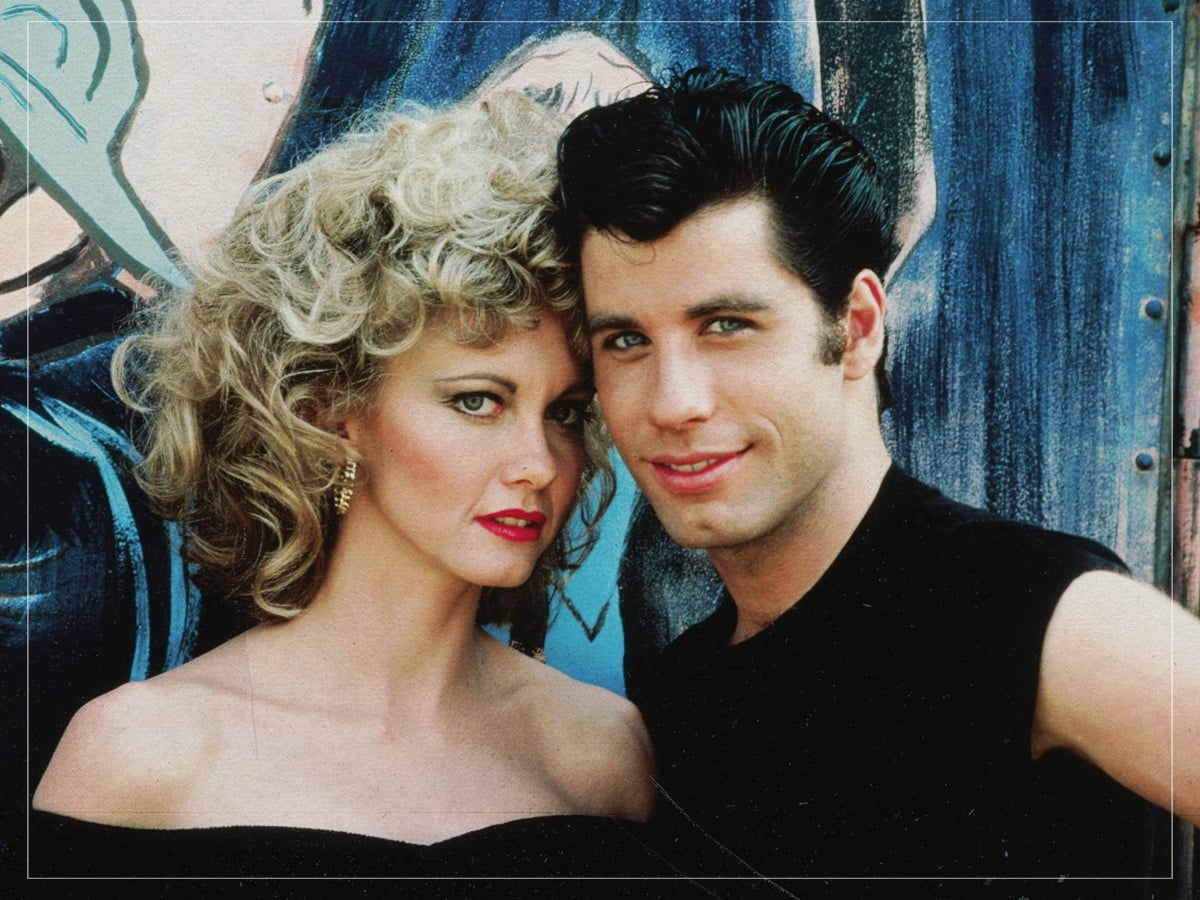
John Travolta and Olivia Newton-John may not have looked like they were in high school, but that didn’t prevent Grease from becoming one of the biggest movie musical hits ever. Although the film has the excuse that it’s loosely inspired by Romeo & Juliet, it still has some uncomfortable subtext about girls having to alter themselves for their boyfriends, which is made all the more creepy when Danny’s friends ask him if Sandy has “put out” yet.
The most uncomfortable moment in Grease is a line in the song ‘Summer Lovin’, in which Danny’s friend asks him, “Did she put up a fight?” when referring to his relationship with Sandy, a line deemed so controversial that it was removed from most musical adaptations of the film, and has even been censored in some of its broadcasts on television.
‘Love Actually’ (Richard Curtis, 2003)
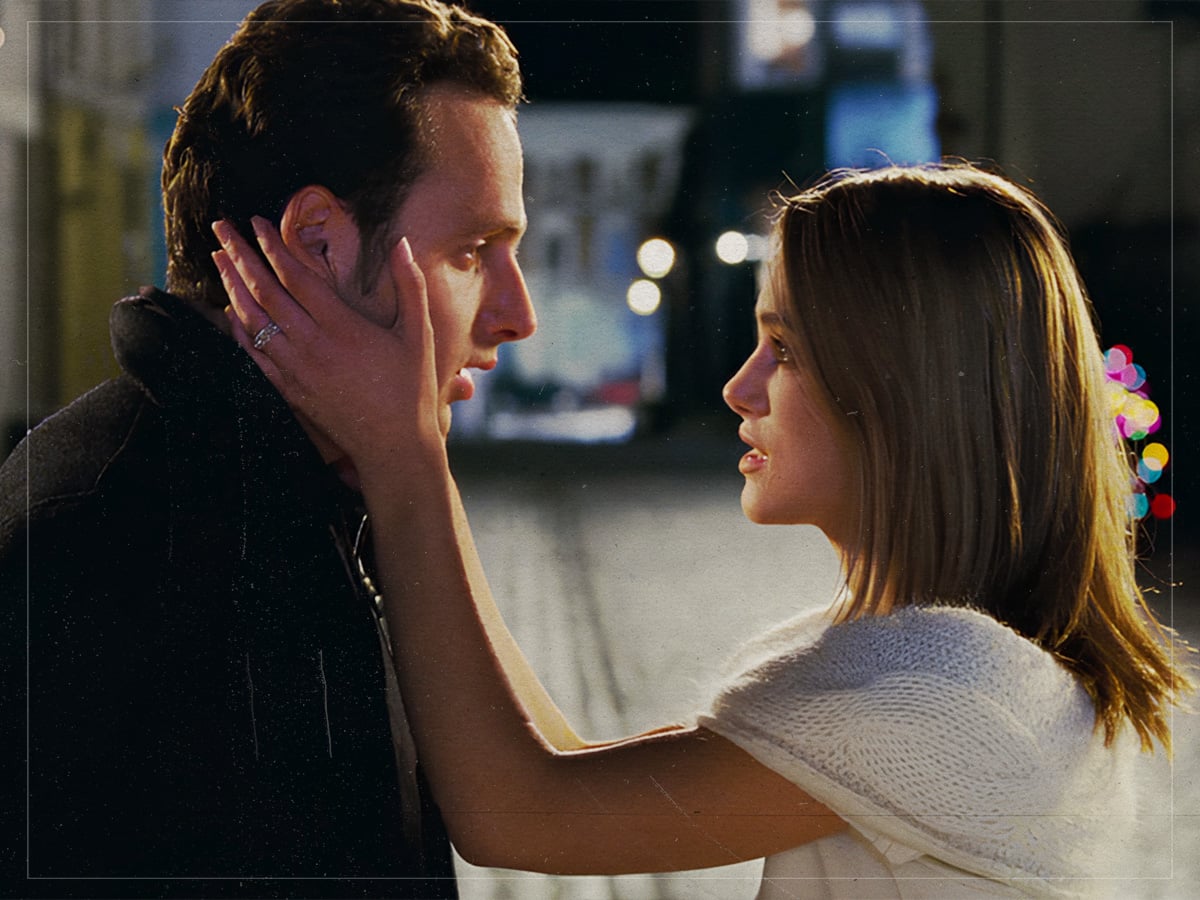
Richard Curtis is a fairly polarising writer and director whose depiction of romance has sparked significant backlash, particularly from the cast of Love Actually, where Keira Knightley, who was 17 at the time of filming, spoke out against a subplot in which her character Juliet is essentially stalked by Mark, played by Andrew Lincoln, the best friend of her husband Peter, played by Chiwetel Ejiofor.
It is almost as creepy as Colin Firth’s Jamie falling in love with a woman who can’t speak English, or Hugh Grant, playing the British Prime Minister falling for an employee in a creepy workplace romance, or the egregious Colin, played by Kris Marshall, going to America exclusively to sleep with as many women as possible, and the nude stand-ins Judy, played by Joanna Page, and John, played by Martin Freeman, filming explicit sex scenes without any sort of intimacy coordinator present, to the point where Love Actually being remembered as a holiday classic is absolutely baffling.
‘Sixteen Candles’ (John Hughes, 1984)
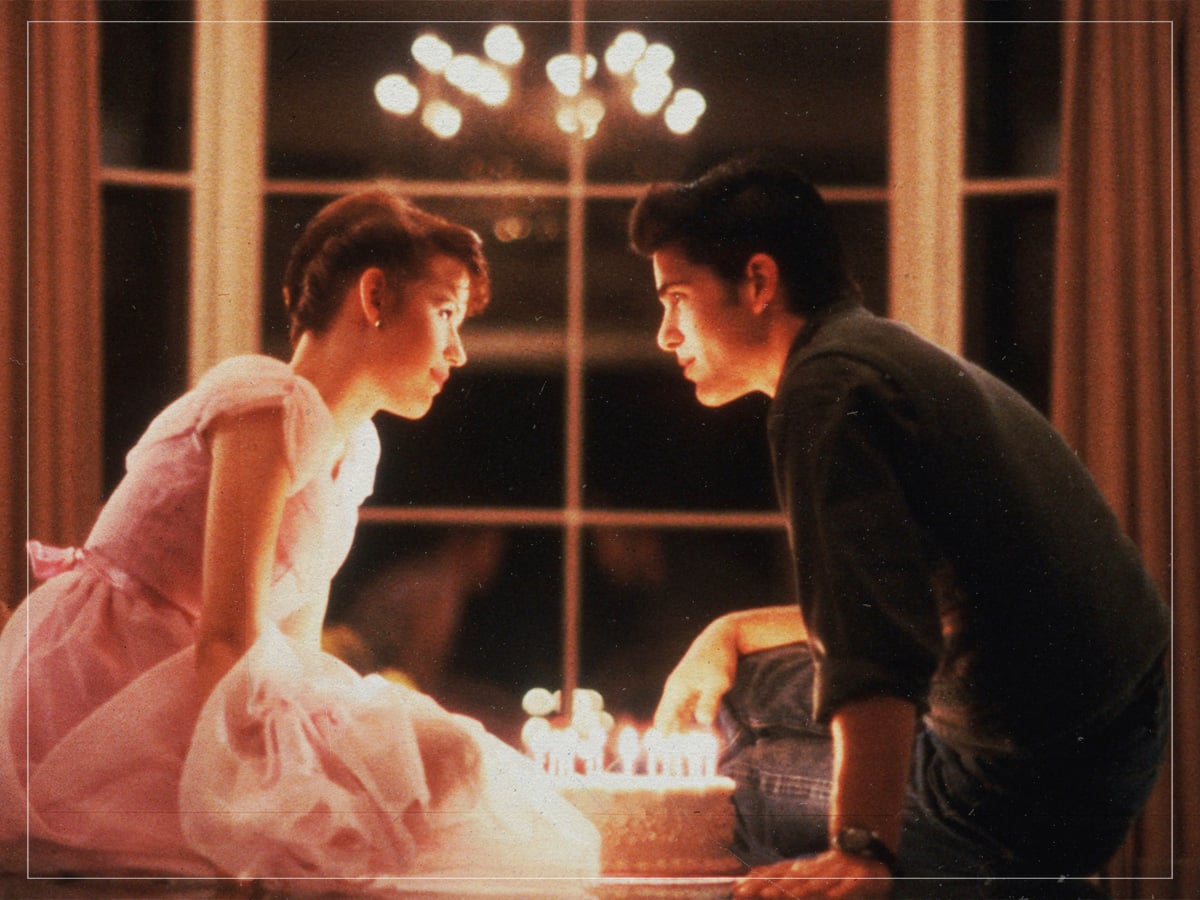
John Hughes has attracted more criticism for Sixteen Candles than for any of his other coming-of-age films, and it’s not just for the offensive Asian stereotype of the character. The film centres on Sam Baker, played by Molly Ringwald, lusting for her crush, Michael Schoeffling’s Jake Ryan, who leaves his girlfriend, Caroline, played by Haviland Morris, passed out at a high school party, and implies that any of the teenage boys there could take advantage of her. Jake says this line to Ted, portrayed by Anthony Michael Hall, who has already tried to get physical with Sam without her consent.
The film ends with Ted’s friends, Bryce, played by John Cusack, and Wease, played by Darren Harris, being given a pair of Sam’s underwear so they can charge the other freshman boys to see it, which somehow makes all of the extremely disturbing moments that preceded it feel even worse.
‘She’s All That’ (Robert Iscove, 1999)
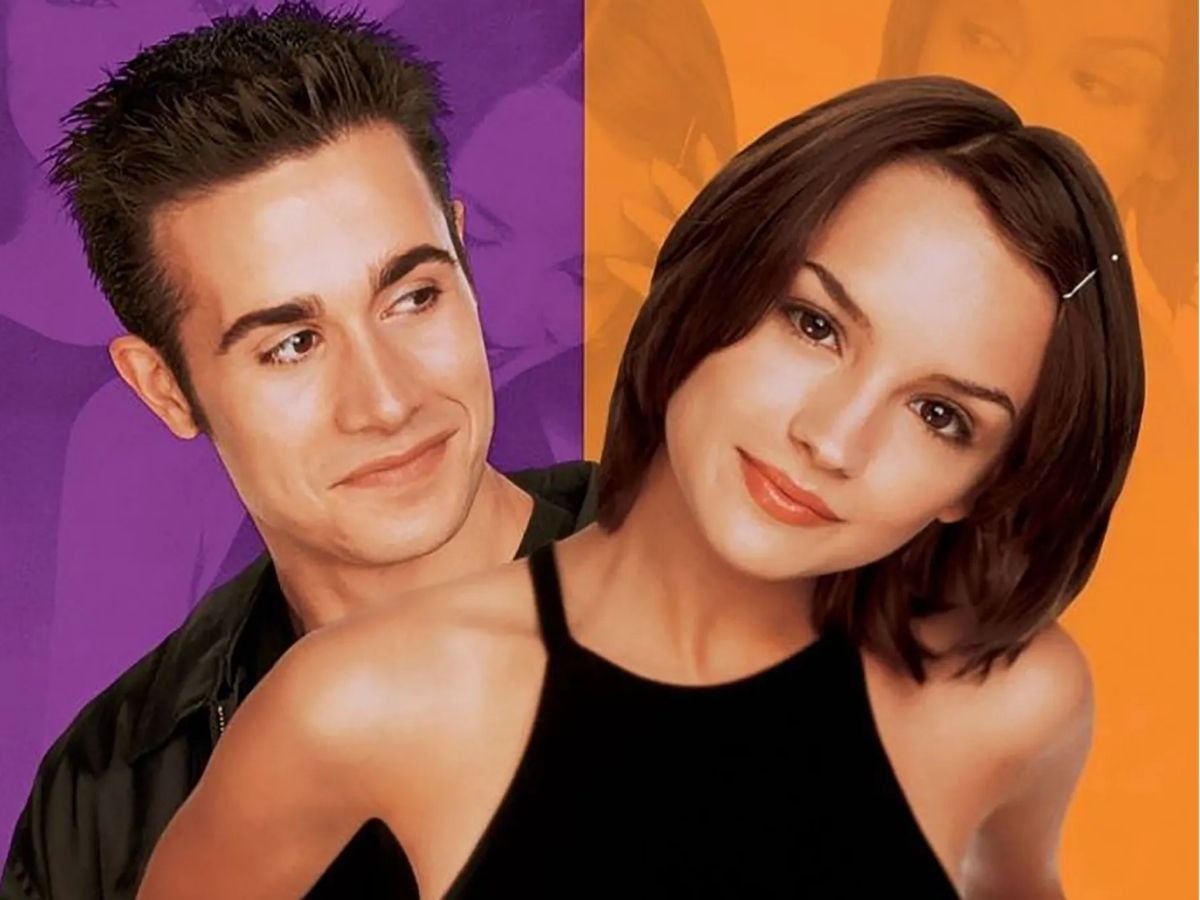
Kieran Culkin had been a child star long before he won an Emmy for Succession and an Academy Award for A Real Pain, and one of his earliest roles was as the character Simon Boggs, the younger brother of Laney, played by Rachel Leigh Cooke, in the 1999 high school comedy She’s All That. Culkin’s performance is perhaps the only reason to see the film, which is a creepy reimagination of both Pygmalion and My Fair Lady.
The narrative of the film centres around the jock Zack Siler, played by Freddie Prinze Jr, making a bet with his friend Dean Sampson Jr, played by Paul Walker, that he can transform Laney, seen as a socially inept geek, into their school’s prom queen. If all the derogatory and dehumanising jokes about women weren’t bad enough, She’s All That has a new layer of creepiness when considering the allegations against Walker.
‘Manhattan’ (Woody Allen, 1978)
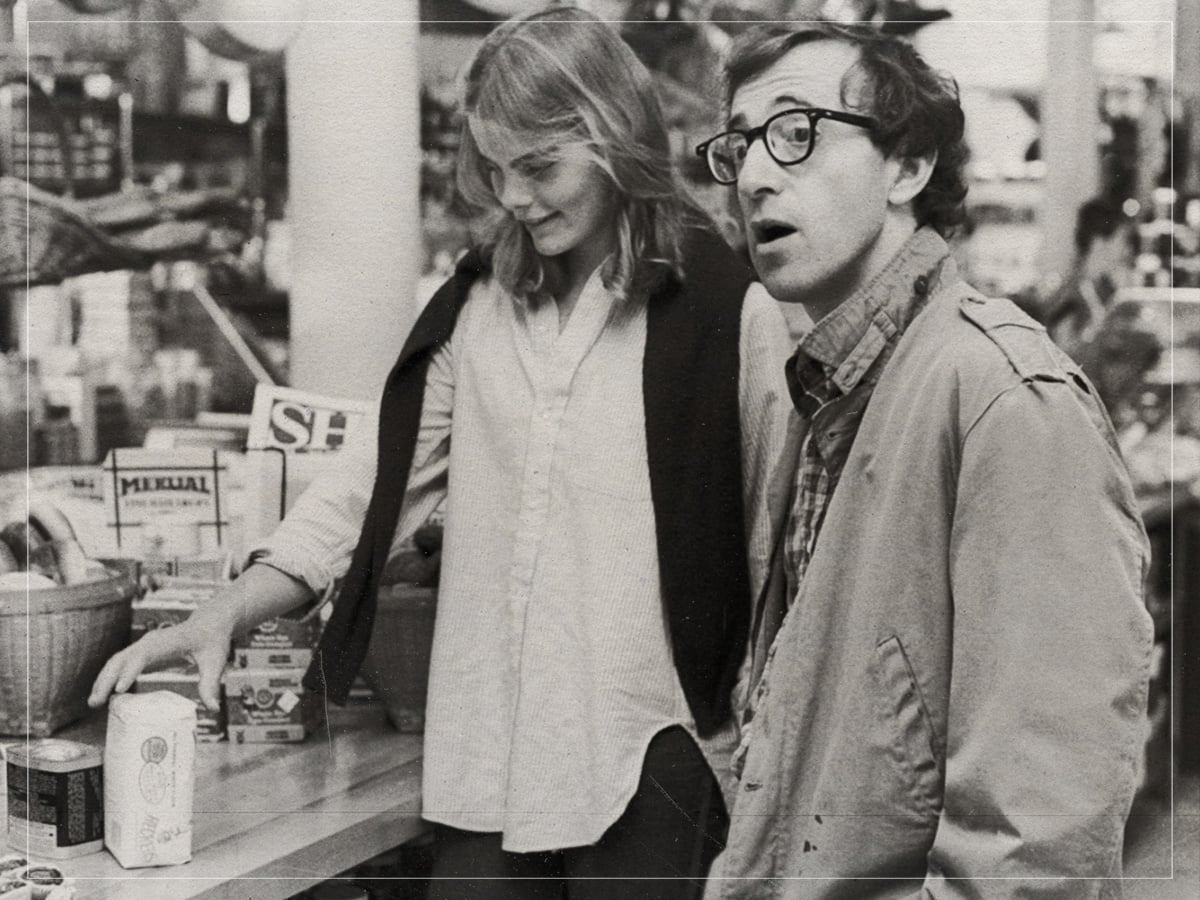
Woody Allen has a fairly well-documented history of controversies and allegations that have only taken a turn for the worse in the last year, making it basically impossible to watch his films in the same way. Allen either casts himself or includes a stand-in character in all of his films, which ensures that separating the art from the artist isn’t even a possibility.
Of all of Allen’s films that look even worse in retrospect, Manhattan stands out because he plays the character Isaac Davis, a 42-year-old comedy writer who is dating the 17-year-old high school student Tracy, played by Mariel Hemingway. The relationship is played for laughs, and the drama of the film revolves around whether Isaac will choose to remain with Tracy as she studies acting in London or pursue a relationship with Mary Wilkie, played by Diane Keaton, a woman who shares his interests.
‘Her’ (Spike Jonze, 2013)
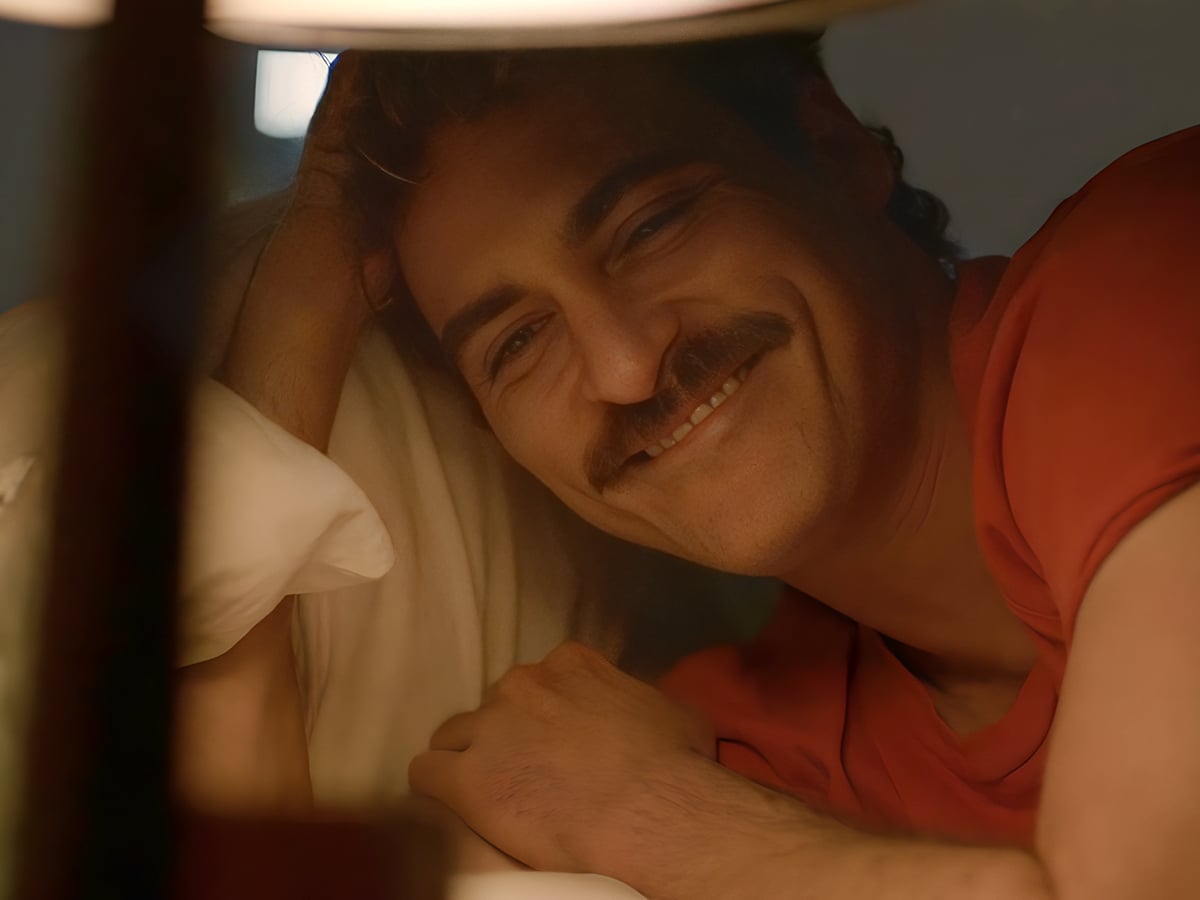
Spike Jonze was vastly ahead of his time with his 2013 science fiction film Her, which presented a future in which the lonely divorced man Theodore, played by Joaquin Phoenix, falls in love with an artificial intelligence system known as Samantha, voiced by Scarlett Johansson, who beyond believing that Samantha is real, also has audio sexual relations with the AI program, hires a woman to exist as her physical essence, and struggles to explain the situation to his ex-wife, played by Rooney Mara.
Jonze might have never predicted that AI would rapidly develop in the real world in such a short amount of time, and that in 13 years, there would be actual incidents of people falling in love with the ChatGPT software. Given the severe dangers involved with contemporary AI relationships, including several incidents of dejected lovers dying by suicide, the premise of Her feels a lot less whimsical.
‘My Best Friend’s Wedding’ (PJ Hogan, 1999)
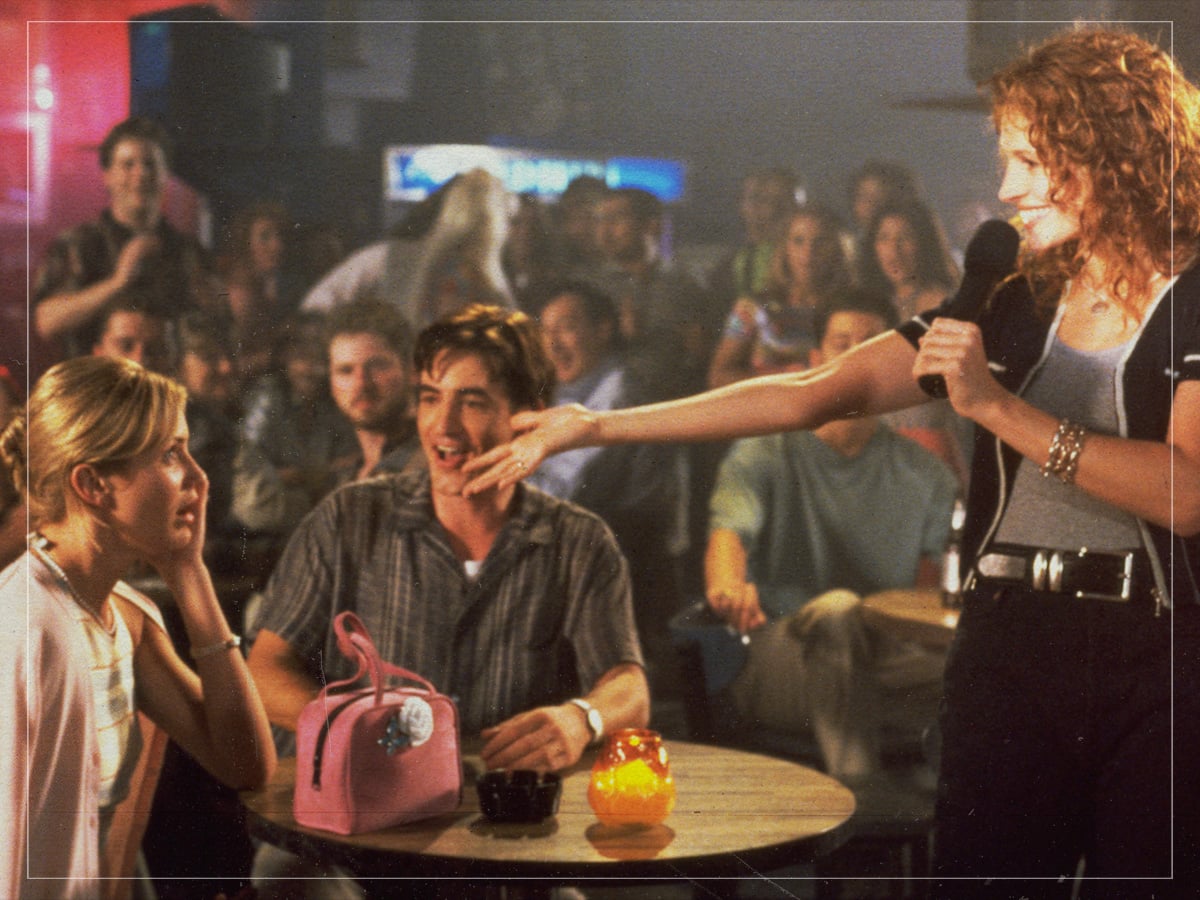
Julia Roberts has mentioned that she wouldn’t have starred in Pretty Woman had she been offered it today, but she really should apologise for the wildly creepy part that she played in My Best Friend’s Wedding, which seems ignorant of how bonkers its premise is. Roberts stars as Julianne Potter, a food critic who had resolved to marry her best friend, Dermot Mulroney’s Michael, if they were both single at the age of 27; it’s after Julianne discovers that Michael is engaged to Cameron Diaz’s Kimmy that she attempts to sabotage their relationship and stop the wedding altogether.
Julianne commits egregious acts of fraud, bullying, and manipulation that suggest that she has serious issues, and even forces her boss, George Downes, played by Rupert Everett, who is gay, to unwittingly act as her beard so that she can make Michael and his family jealous.
‘Clueless’ (Amy Heckerling, 1995)

Alicia Silverstone exploded into stardom when Clueless kick-started a new wave of ‘90s high school comedies and had an immediate impact on fashion. With a plot that was loosely inspired by Jane Austen’s Emma, the film stars Silverstone as the high school student Cher Horowitz, who prides herself on being a matchmaker
A major theme in Clueless is that Cher isn’t able to connect with any of the guys at her school, which leads her to develop a relationship with Josh Lucas, played by Paul Rudd, an older law student. Josh’s mother is the ex-wife of Cher’s father, Mel, played by Dan Hedaya, and the two have a budding friendship that resembles that of siblings. Even if the film is able to skate by the fact that they’re not technically half-siblings (at least not by law), the fact that Josh is fully graduated and pining for a high school girl is still creepy.
