


10 rock legends that never played an instrument

It’s not hard to see why the musicians are the ones propped up in the music industry. The whole point behind making everything sound great is to make sure that everyone is having a good time when they go to a concert or turn on one of their favourite records, and as long as everyone on the hit parade is giving the people what they want, there’s hardly a reason for people to pay attention to those in the background. But people like Bernie Taupin worked wonders without ever having to play an instrument.
Then again, it’s not like the contributions made by these people actively took away from the artists themselves. Most of the musicians they were associated with got to where they are by being some of the greatest entertainers to ever walk the Earth, but there was always going to be an extra shimmer that was put on their legacy thanks to people preserving what they could do either in the studio or onstage.
And outside of having an excellent knowledge of the business or the ins and outs of the studio, many of the examples set by the non-musicians have driven the music industry ever since. Most people might not have the knowledge of what some random person did in the mid-1960s, but they did manage to set the stage for what the future of modern music was going to look and sound like.
They might fade into the background too often or seem like window dressing after a while, but that was never their intent. Each of them is still looked at as a giant of the music industry, and even the casual fans turn a blind eye to them whenever they’re looking at the true geniuses of the industry; they’re as important in making the magic happen as anyone else hogging the spotlight.
10 rock figures who never played an instrument:
Alan McGee
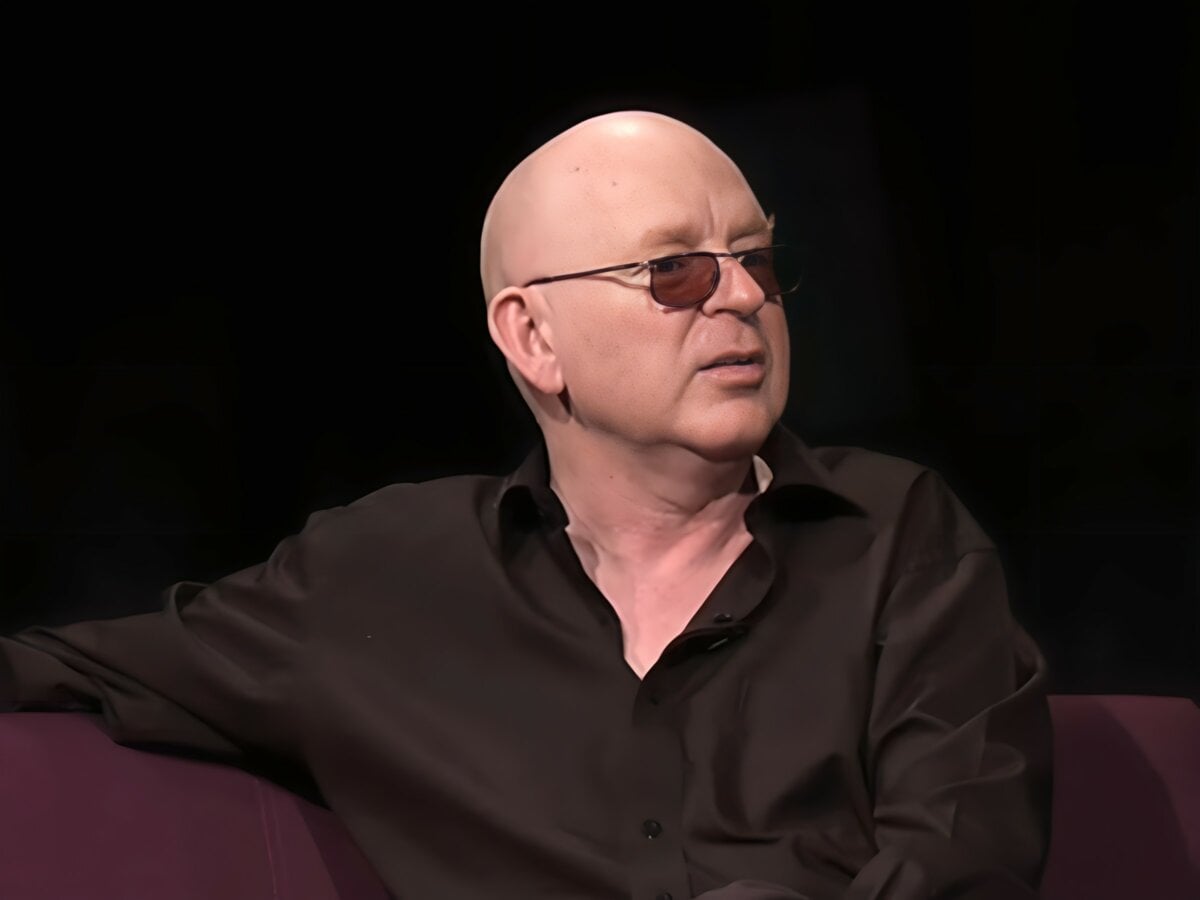
In the world of rock and roll, the head of any label is normally thought of as the enemy. There’s often the version of an album that the record company and the one that the band makes, and it usually gets messy when the suits start interjecting what they think should be the single for a record. But when Alan McGee got Creation Records rolling again with Oasis, he always prioritised the quality of the songs before anything else.
The Manchester legends were just a fledgling group looking to make ends meet and only had a few songs to their name when they played King Tut’s Wah Wah Hut, but McGee saw potential in them from the word go and rushed them into the studio. But the true strength he had was his ability to say ‘no’ to Noel Gallagher. He knew when something wasn’t good enough, and when ‘The Chief’ kept coming back with records that did nothing, it was up to him to eventually get Owen Morris involved and create that wall of sound.
And while McGee was far from the sole character behind the Oasis world, it did feel like the end of an era when he eventually closed down Creation Records after Be Here Now got re-evaluated. Oasis was a different group by then, and while their later material did have its fair share of highlights, McGee’s foresight in those early years was half the reason why we’re still having the conversation of whether they deserved all their hype.
Bill Graham

Every artist needs to slog it out for years before they reach the big time. No one becomes the biggest star in the world overnight, and sometimes the best way to spread the word is to play anywhere with a platform to work off of. It’s hard enough trying to find a decent gig for any bar band, but Bill Graham was the number-one place anyone went to when they thought of hitting the big time.
After setting up the Fillmore East in Los Angeles, Graham became the power player of the West Coast rock and roll scene. Charles Sullivan may have brought acts like Duke Ellington to the forefront a few generations before, but Graham was determined to put rock and roll on those same stages, whether that was seeing the Allman Brothers Band jams their hearts out, setting up the Day on the Green Festial or eventually working with Steve Wozniak to help get the US Festival off the ground in the early 1980s.
The festival circuit may still be alive and well, but the only reason it’s still standing is because Graham had a plan for music that went beyond the realm of Woodstock. He wanted to create that sense of euphoria every time he put on a show, and judging by the legends he worked with from Bob Dylan to The Who, Bob Geldof was definitely taking notes when putting on concerts like Live Aid.
Eddie Kramer
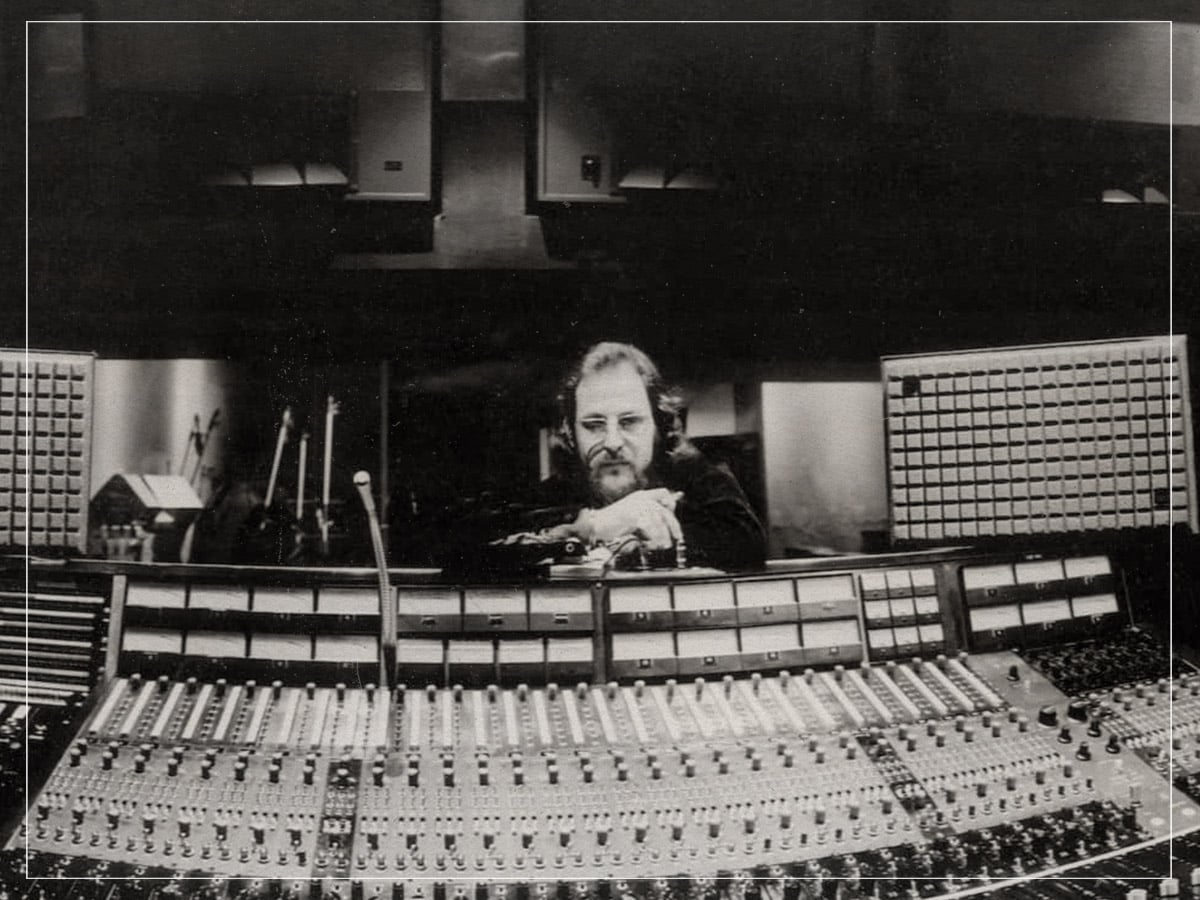
Any producer should normally be the silent coach behind every great rock and roll. It’s hard enough for someone to try and write a song that captures the spirit of the times, but the key difference between the classic bands and the lacklustre ones is being able to find someone who can do them justice once they’re stuck behind the glass. The Beatles had George Martin, AC/DC had Mutt Lange, but Eddie Kramer had a front-row seat to see musical magicians at work every time he walked into the studio.
That shouldn’t discount his approach to rock and roll. His work with bands like Kiss helped give them their first big boost when Alive! came out, but throughout the late 1960s, Kramer had received an education watching people like John Lennon come up with the basic arrangement for songs like ‘Baby You’re A Rich Man’. So when he worked alongside Jimmy Page and Jimi Hendrix, he was like a fish in water.
Both guitarists knew exactly what they wanted, but their dreams were made a reality by Kramer, whether it be by accident or by design. From the layers of backwards guitar he would throw on songs to the strange echoing effect that he birthed when making ‘Whole Lotta Love’, Kramer was the kind of engineer who could take the basics of what legends had in their head and arranging them the same way a composer would arrange an orchestral piece, and anyone who has ever wanted their records to sound massive are copying from his playbook.
Jim Marshall
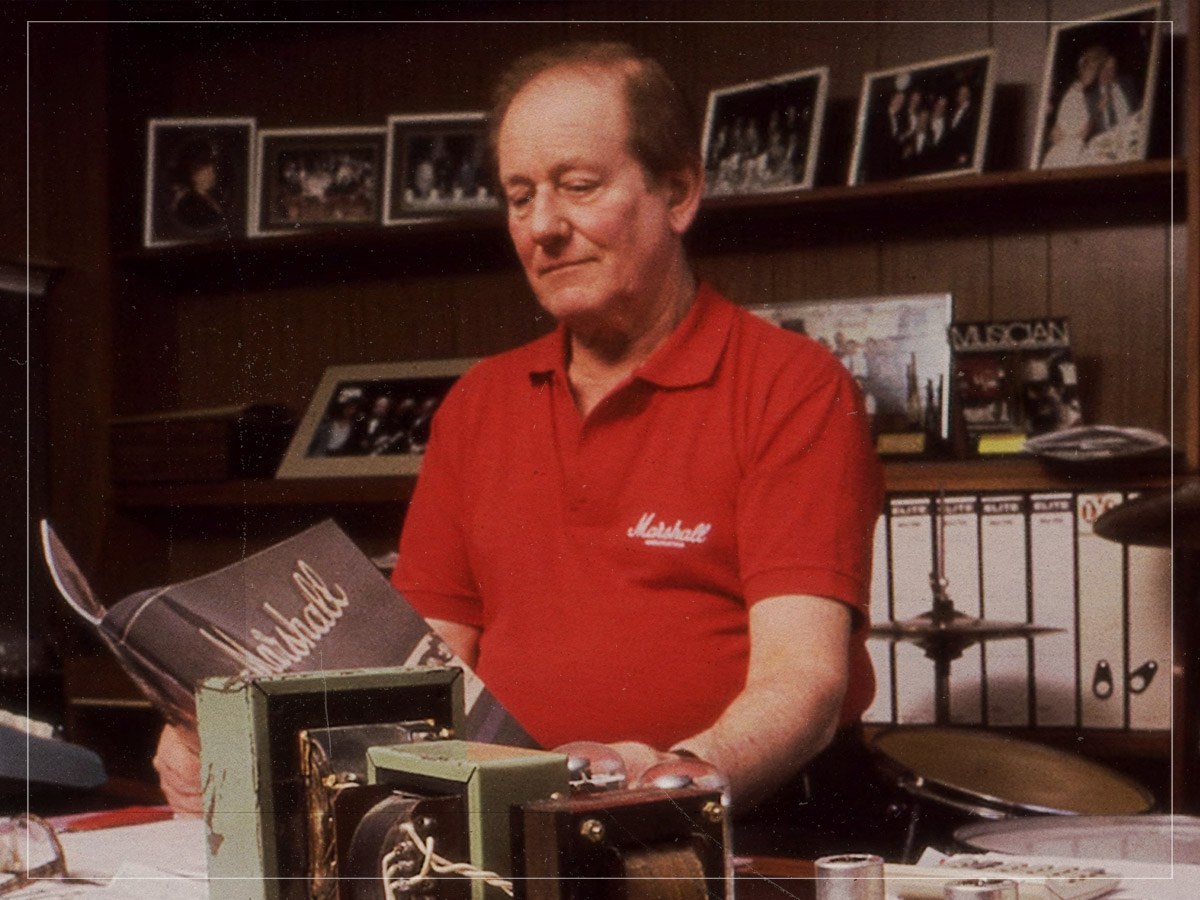
There’s no debate about which instrument everyone pays attention to in rock music; it’s the guitar. Sure, some bassists and drummers deserve love every now and again, and a good piano makes anything sound heavenly, but whenever someone plugs their guitar and hits their first major chord, it’s enough to give them a contact high by standing next to an amplifier. Most people could have settled with the traditional amp set-up in the 1960s, but Jim Marshall had bigger ambitions when Pete Townshend came into one of his shops.
The Who were already looking to be one of the biggest bands in the world, which meant being the loudest as well, so one amplifier wouldn’t cut it anymore. Cranking things up as far as they would go was certainly interesting during the first Who tours, but when Marshall built the first major stack of amplifiers for Townshend to try out, the crowd got a taste of sound you can feel rather than simply hear.
This was the kind of amplification that most artists had only dreamed about, and now that there were no real limits, Marshalls would become the go-to for anyone who wanted to get the perfect growl out of their amps every time they played. Most traditional guitarists will tell you that the key to being a great player is all in the fingers, but it turns out that a few tone controls and a handful of Marshalls stacked on top of each other are enough to wow anyone within a five-mile radius.
Peter Grant
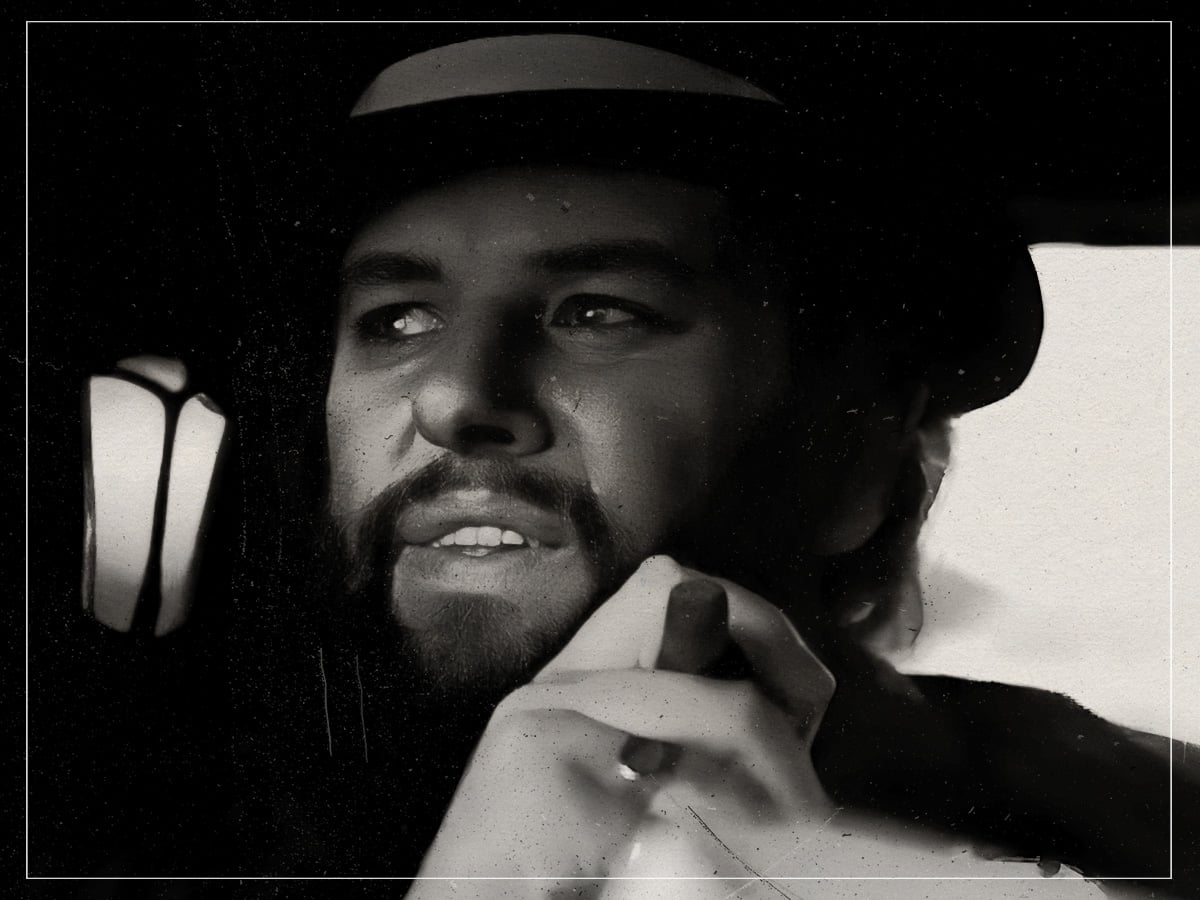
Led Zeppelin had all the elements of being a superband before they even started work on their debut album. Every member of the group was a virtuoso in their own right, and with Jimmy Page guiding them along, there was no real limit to where they could go when they had the right songs in their arsenal. If they were trying to be one of the biggest bands rock had ever seen, they would need someone in the background to cover their tracks and fight as ruthlessly as they did live.
While Peter Grant did have that ‘papa bear’ charm among those closest to him, his calling card always centred around being one of the most intimidating men in the music industry. Not everything he did fit into everyone’s standard code of ethics, but he protected Zeppelin like it was his firstborn child, always keeping them going on the road and refusing interviews to keep up the mystique of their music when they got onstage.
Grant also did the same for Bad Company once they got the ball rolling, but it was only fitting that he started to get out of the business after John Bonham’s death. Most managers only see rock and roll as a business, but for Grant, it was all about creating a family, and the minute that someone lost their way on the road and bottomed out, he knew it was time to get out of the business.
Jimmy Iovine
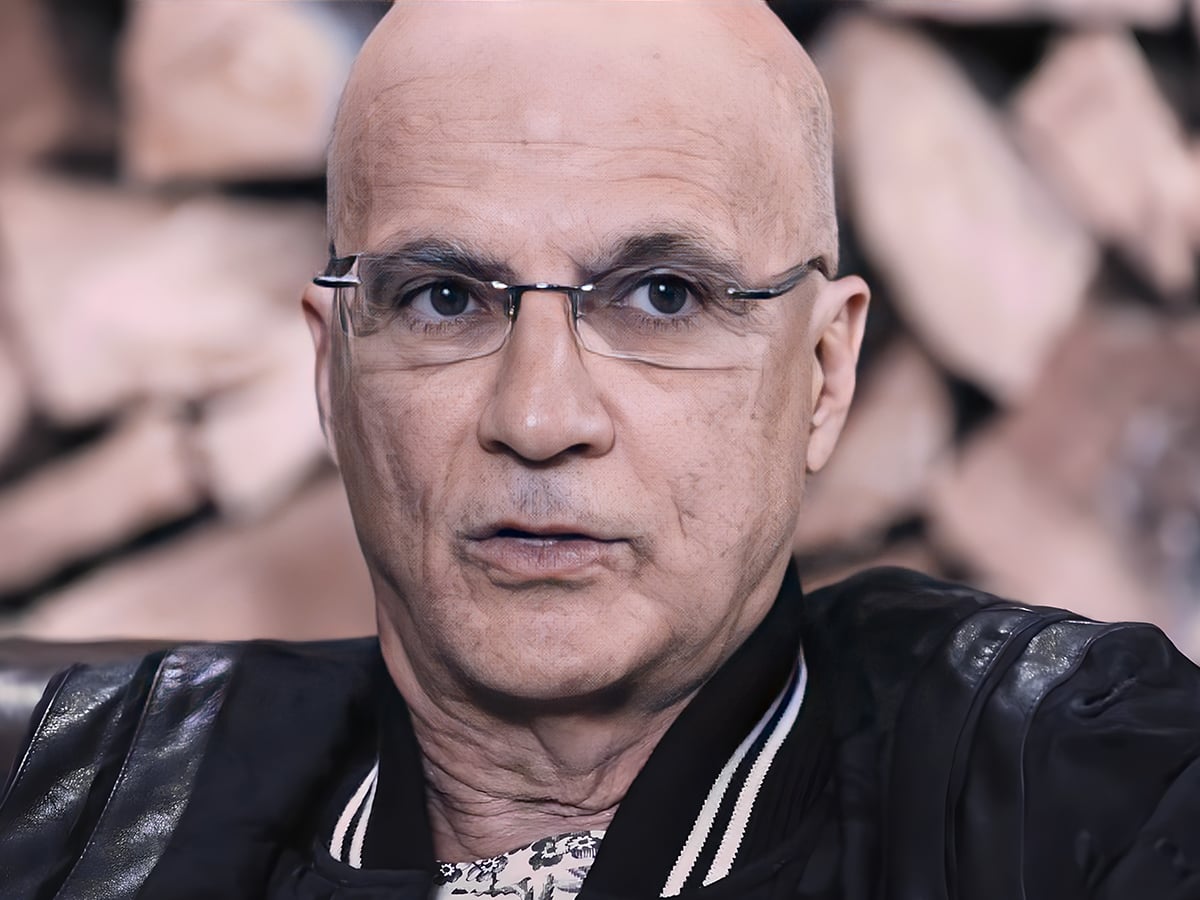
Every artist has those one or two song doctors they can go to when they are confused about where to go. No one needs a degree in music theory to be one of the greatest artists of all time, and sometimes it takes a little push for someone who knows what they’re doing to steer them in the right direction. But Jimmy Iovine was the one person who knew about the power of a song before the bands he worked with even knew about it.
Many people on this list are normally associated with one act, but Iovine’s production credits read like a historical document of every great musical movement of the last 50 years, whether that’s working for Patti Smith, watching over John Lennon’s sessions, directing Tom Petty on Damn the Torpedoes and even having a hand in turning Beats by Dre into one of the biggest musical brands of all time.
But he never forgot the power of having songs before anything else, and despite never knowing the first thing about a major chord or a pentatonic scale, Iovine knew that a song was done when he could feel that shot of adrenaline in him as he listened to it. Producers like Jeff Lynne or Brian Wilson might have a clear picture of what they want in their head, but Iovine is the person to go to when people need some quality control.
Pattie Boyd

Most artists would be nowhere if not for the muses that they write for. Anyone can take the cynical route and write the kind of song designed to make money, but if there’s someone special to sing that love song to, it makes it all worth it when a crowd of people is singing along with you. The Beatles may have started as a bar band singing any love song they could get their hands on, but something changed in George Harrison’s musical DNA when he began writing for Pattie Boyd.
‘The Quiet One’ had only recently begun writing songs of his own, but throughout The Beatles’ career, he never failed to look to her for inspiration, whether that was ‘Something’, ‘I Need You’, or eventually ‘Dark Horse’ when she left him for Eric Clapton. It wasn’t like Clapton didn’t have his fair share of tunes for her, either, penning ‘Wonderful Tonight’ and ‘Bell Bottom Blues’ about her before and birthing one of the most incredible guitar licks of all time on ‘Layla’.
While everyone from Yoko Ono to Linda McCartney to Marianne Faithfull served as an inspiration to some of the greatest composers in rock, the songs that Boyd is associated with are still among the first things that most people think of when looking at the best rock and roll has to offer. Harrison may have spent his entire life trying to solidify his relationship with God, but there was probably some divine intervention that drew him to write something so beautiful for his other half.
Brian Epstein

The entire role of a manager is to make sure that their act never loses their momentum. The best musicians want to stay that way for as long as they can, and as long as they are still gigging and playing to massive stadiums around the world, that’s enough for them to keep moving forward. But becoming a true professional is something that needs a little more practice to get right, and Brian Epstein was the first one to see the potential of The Beatles and twist them in a different direction.
Although the Fab Four were already one of the biggest names in Liverpool before Epstein discovered them, he was determined to move them into bigger venues. But first, they needed to have a bit of a makeover, and from designing their iconic suits to having them synchronise their bow every time they ended one of their songs, Epstein was the first to present a more gentle form of rock and roll to the mainstream.
He may not have had as many ‘Fifth Beatle’ credentials as George Martin, but Epstein kept The Beatles at the forefront of the spotlight until his death, even managing to pivot when dealing with John Lennon’s ‘bigger than Jesus’ quotes. The Beatles were never certain if Epstein was going to stick around forever, but considering they were still referring to him as ‘Mr Epstein’ years after he died in the Get Back documentary, they all still knew the giant they had lost.
Bernie Taupin

One of the biggest hurdles for any songwriter to get over is the lyrics. Not every rock and roll song has to be the deepest thing in the world, but it’s hard to look at someone as badass if they are writing nothing but complete gibberish from one line to the next. There needs to be a way to refine every word that comes out of the artist’s mouth, and Bernie Taupin was the kind of collaborator that has become far too rare in popular music.
Despite Elton John being dropped by nearly everyone he played his songs for, Taupin became his musical brother in many respects, often having the perfect lyric for a song before John had a note of music. This kind of partnership might be more common in the theatre scene, but after getting any of Taupin’s lyrics, John had a roadmap to create his finest songs, whether it’s the wistful story of a seamstress on ‘Tiny Dancer’, bonding over their childhood on ‘Roy Rogers’, or a romantic tune like ‘Your Song’.
Most people can spend years dissecting John’s songs trying to figure out what kind of chord techniques that he used on every song, but that hardly mattered to Taupin. It was all about whether the lyric fueled John to make something new, and when looking at how often they knocked it out of the park, Taupin may be the one person who knows John’s work the most intimately.
Rick Rubin

There has always been a certain question mark around what Rick Rubin does. He has always been known as one of the finest producers of the last 40 years, but since he doesn’t play an instrument and doesn’t always work the faders like everyone else, it’s hard to get a read on what exactly he’s supposed to be doing. But that’s because Rubin isn’t really a producer in the truest sense of the word. He’s a musical guru that everyone flocks to when they reach a stumbling block with their music.
Despite having one of the most random discographies in music history, it’s easy to tell when Rubin is at the helm with a certain band. None of them exactly sound the same, but Rubin’s job is always to have them focus on what the fans want from them, and it’s not surprising when his albums leads to the highlight of each act’s career, whether it’s Red Hot Chili Peppers’s best records or Johnny Cash’s late-period renaissance.
Not everything that he produces has to have the highest sound quality or even have everything completely in tune, but that’s completely fine with him. Other producers would want to tidy that up, but Rubin is interested in the kind of music that moves him before worrying about the technical quality of everything.

Never Miss A Beat
The Far Out Led Zeppelin Newsletter
All the latest stories about Led Zeppelin from the independent voice of culture.
Straight to your inbox.