



10 movies that have been banned in the United Kingdom forever

Britain has banned countless movies over the years, most prominently during the 1980s when the ‘video nasty’ moral panic led to the banning of various horror and exploitation movies due to a loophole in home video censorship.
Various movies were seen as obscene, and their influence over the general public raised serious concern – even titles we now love and can find without trouble, like The Texas Chain Saw Massacre and The Evil Dead. But there was a real fear that audiences, especially young people, would have their morals corrupted by these films.
So, the Video Recording Act 1984 was brought in to regulate the sale and distribution of these films with appropriate age ratings, allowing many movies to be re-released to the public. Some movies, however, have remained banned in the United Kingdom for decades, and even years on from their initial bans, they’ve still been rejected for classification, making them effectively illegal to distribute within the country.
Of course, it’s hard to control and monitor such bans when it’s so easy to find movies online, even ones that are technically illegal to watch. Many of the films on this list, then, are available illegally or can be imported in the form of home video releases from other countries, but in the UK, they are strictly prohibited.
10 movies banned in the United Kingdom forever:
‘Fanny Hill’ (Russ Meyer, 1965)
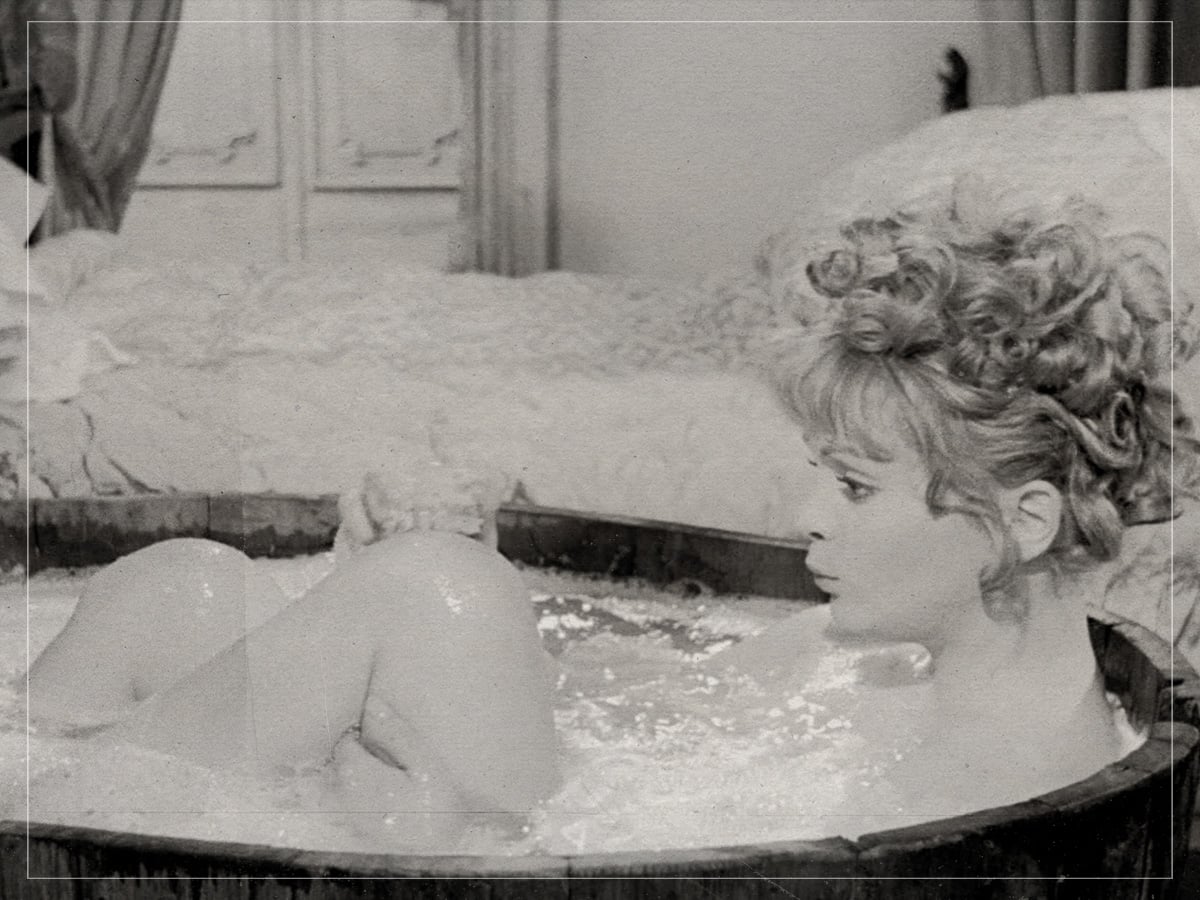
In 1748, John Cleland sent shockwaves through British society when he published Fanny Hill: Memoirs of a Woman of Pleasure, which became one of the most banned books ever written. Naturally, then, the 1965 movie adaptation was similarly banned, although it’s incredibly tame by today’s standards.
Directed by Russ Meyer, who found greater success with the likes of Faster, Pussycat! Kill! Kill! and Beyond the Valley of the Dolls, it seems bizarre that Fanny Hill would remain unclassified, but when it was submitted to the BBFC upon its release, it was rejected altogether, and it has never been passed, uncut or otherwise, in the United Kingdom since.
‘491’ (Vilgot Sjöman, 1964)
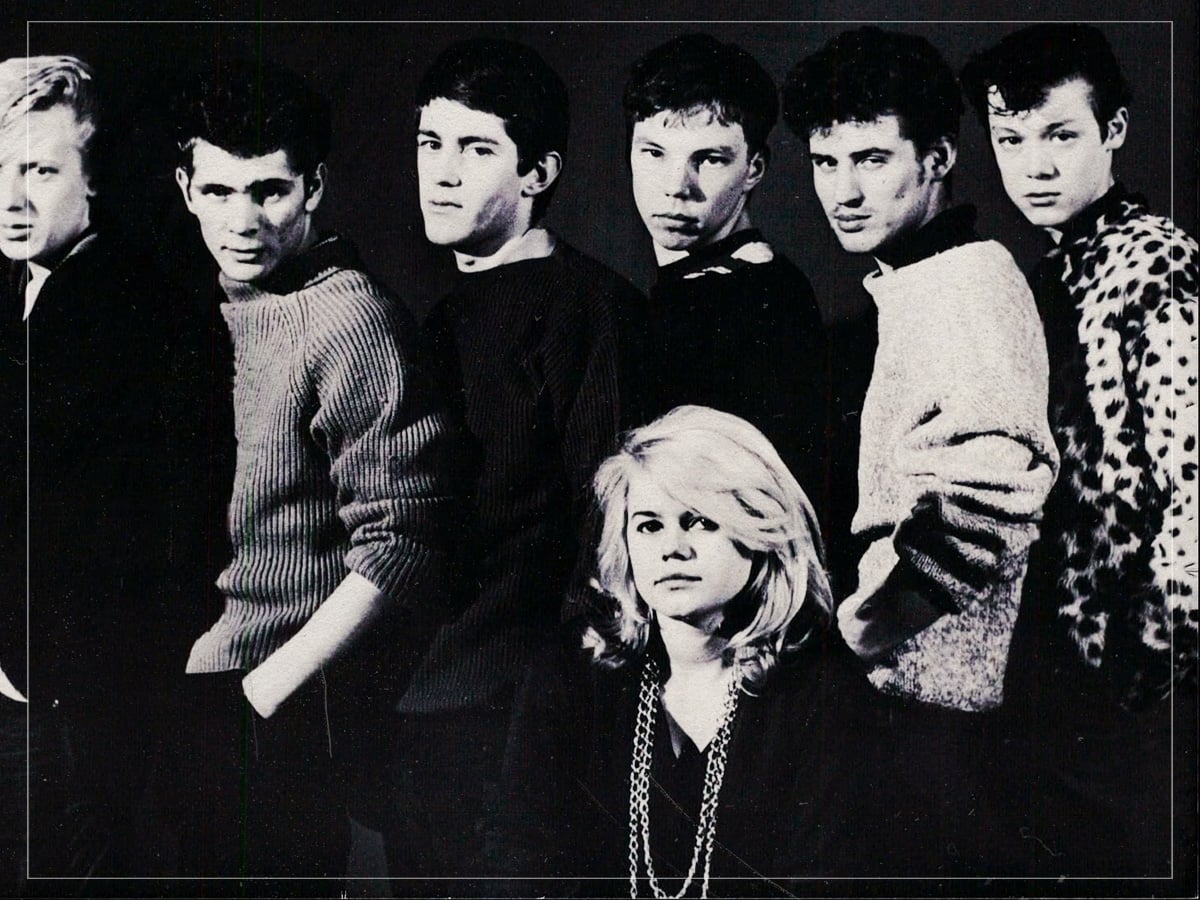
491 was so shocking upon its release that it was even banned in its own country of Sweden, eventually re-emerging following some dramatic cuts. You see, the problem was that the film just didn’t hold back on including rape scenes, one of which featured a woman and a dog. It’s hardly surprising that something like this caused outrage, not least because some of the rape scenes also showed sexual violence among men.
The BBFC rejected the movie, but that didn’t stop director Vilgot Sjöman from making further controversial films shortly after, like I Am Curious (Yellow) and I Am Curious (Blue). These movies faced censorship and cuts across the world, too, but it’s 491 that, even today, remains illegal to distribute in the United Kingdom.
‘Bloody Friday’ (Rolf Olsen, 1972)
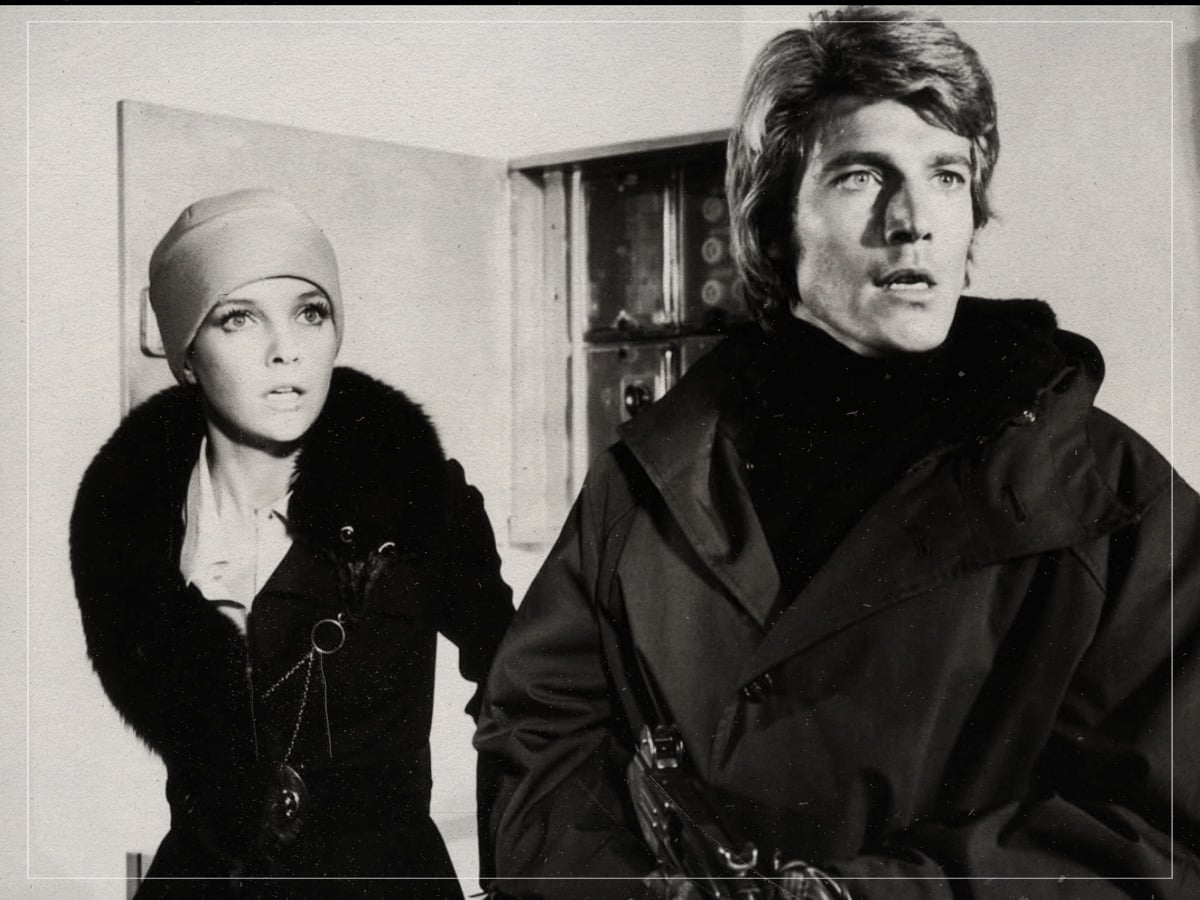
When Bloody Friday was submitted to the BBFC in 1973, they quickly turned it down because of its gratuitous violence. This time, the reason for the movie’s lack of classification wasn’t down to graphic sex, but rather the excessive brutality that formed the bulk of the film, which centred around a bank robbery.
The German film has never been resubmitted for classification, but in the United States, there’s little difficulty in securing an R-rated uncut version of the movie. So, perhaps it wouldn’t cause much of a stir these days, considering the amount of violence in many modern horror movies, but as it stands, Bloody Friday is still technically banned in the United Kingdom.
‘Love Camp 7’ (RL Frost, 1969)
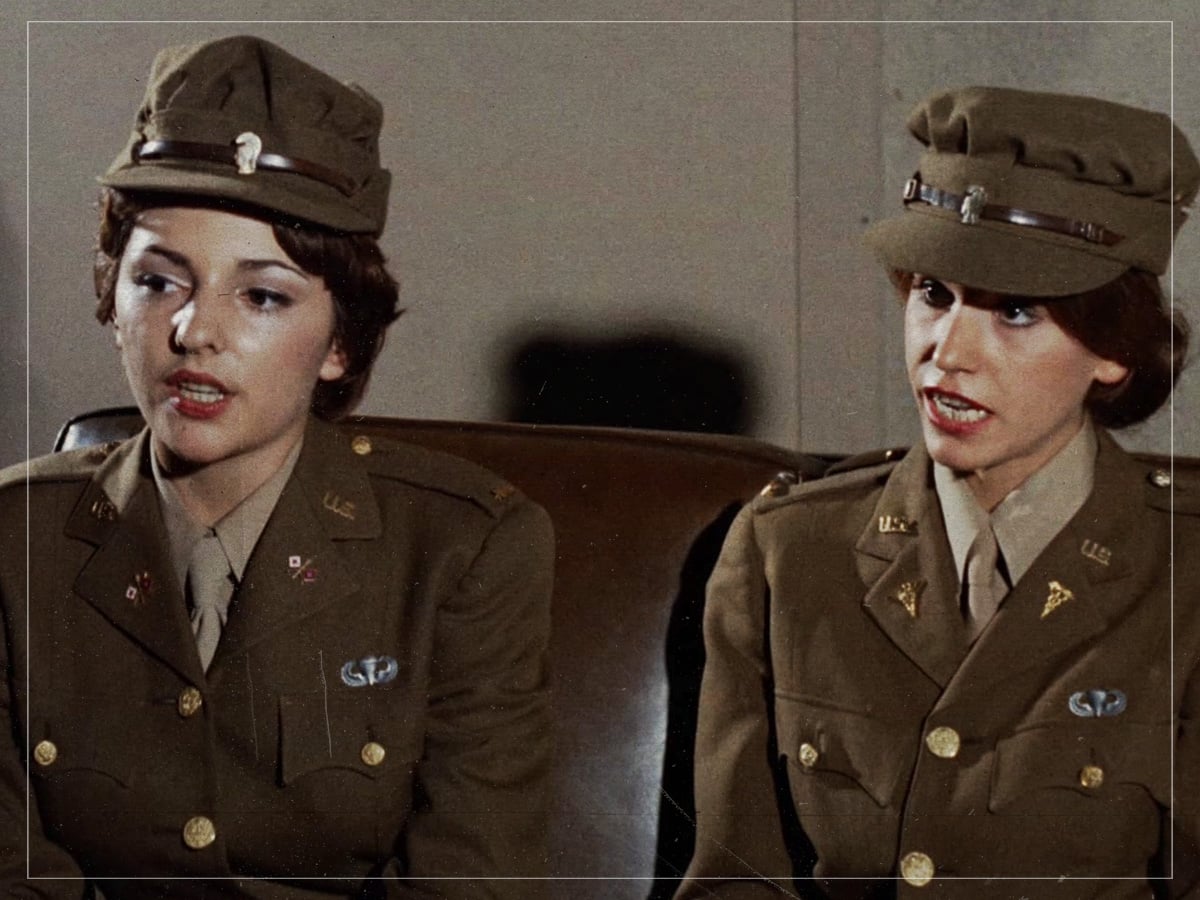
Nazi-themed exploitation movies will become a recurring theme on this list, mainly because it’s a genre that never should’ve existed in the first place. Just a few decades after the atrocities of the Second World War and the Holocaust, many low-budget filmmakers with a pointed interest in ruffling feathers used concentration camps as a setting for sexually-charged and violent movies, most famously Ilsa, She Wolf of the SS, which only exists in the UK as a cut home video version.
Banned for good, however, is Love Camp 7, directed by RL Frost and released in 1969, which immediately ran into trouble with censors, unsurprisingly, making its way onto the video nasty list back in the 1980s. The BBFC have still refused to classify the film, even as recently as 2020, and while the uncut version was eventually released in Australia in 2005, in most countries, it is banned altogether.
‘The Texas Vibrator Massacre’ (Rob Rotten, 2008)

In 1974, Tobe Hooper released the slasher movie The Texas Chain Saw Massacre, which would change horror forever, having a significant impact on the future of the genre, with popular hits like Alien and Halloween citing the film as an influence. Sadly, it also inspired something much less enduring, The Texas Vibrator Massacre.
Released in 2008, the film was directed by adult filmmaker Rob Rotten (not to be confused with the Lazytown villain), and its blend of hardcore pornography and violence, particularly eroticised sexual violence, led it to be swiftly rejected by the BBFC and banned in the United Kingdom for good.
‘Nazi Love Camp 27’ (Mario Caiano, 1977)
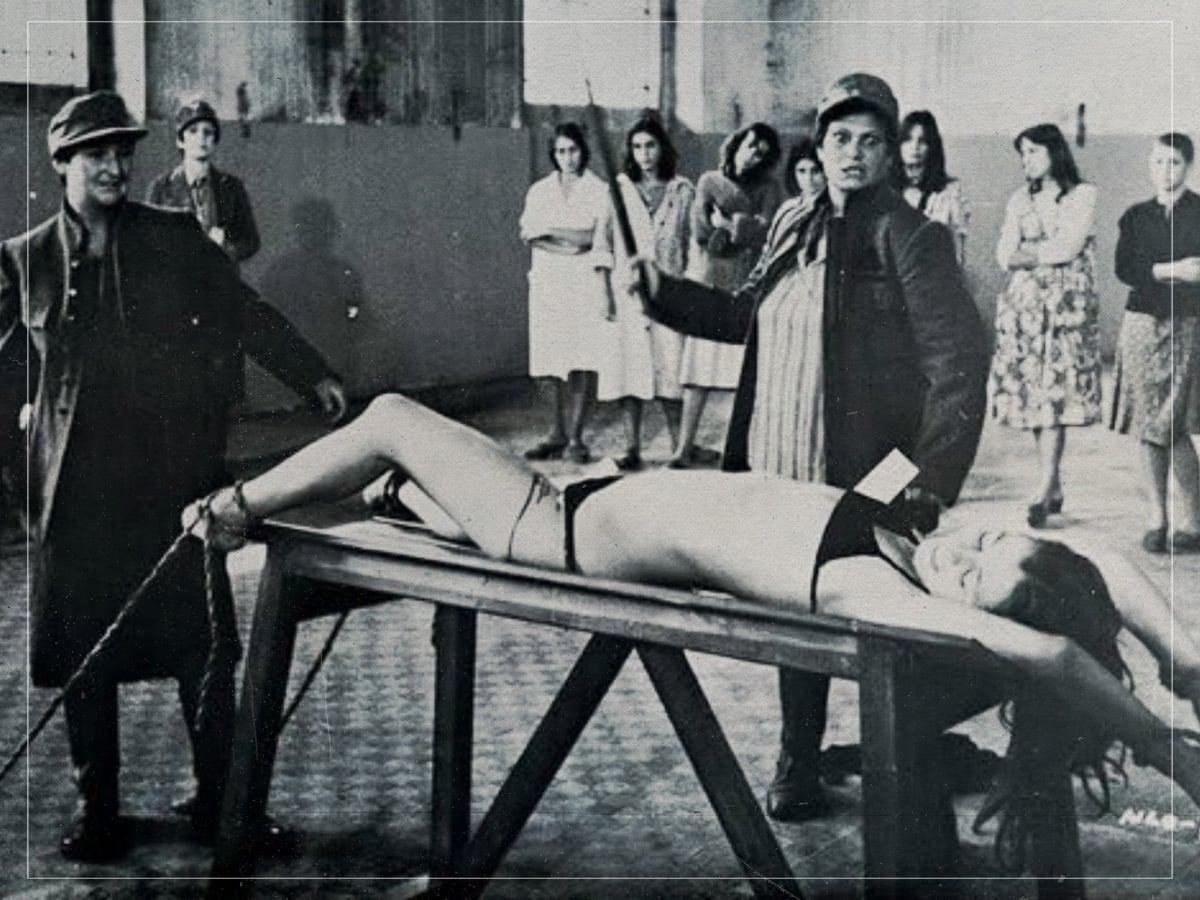
1977 was a great year for cinema, bringing us Star Wars, Close Encounters of the Third Kind, Eraserhead, Suspiria, Saturday Night Fever, and the less impressive Nazi Love Camp 27. You’d think that Nazi exploitation movies might’ve died down by this point, but somehow, they were still getting the greenlit. Directed by Mario Caiano, this one features hardcore porn, with the plot revolving around a brothel in a concentration camp.
It was banned forever in the United Kingdom, as well as New Zealand, with the BBFC citing its insensitive subject matter, which saw sexual abuse depicted against a horrific setting, as the reason for its lack of classification. Years on, and you still can’t (legally) watch Nazi Love Camp 27 in the UK, and honestly, nobody should want to, anyway.
‘Women in Cellblock 9’ (Jesús Franco, 1977)
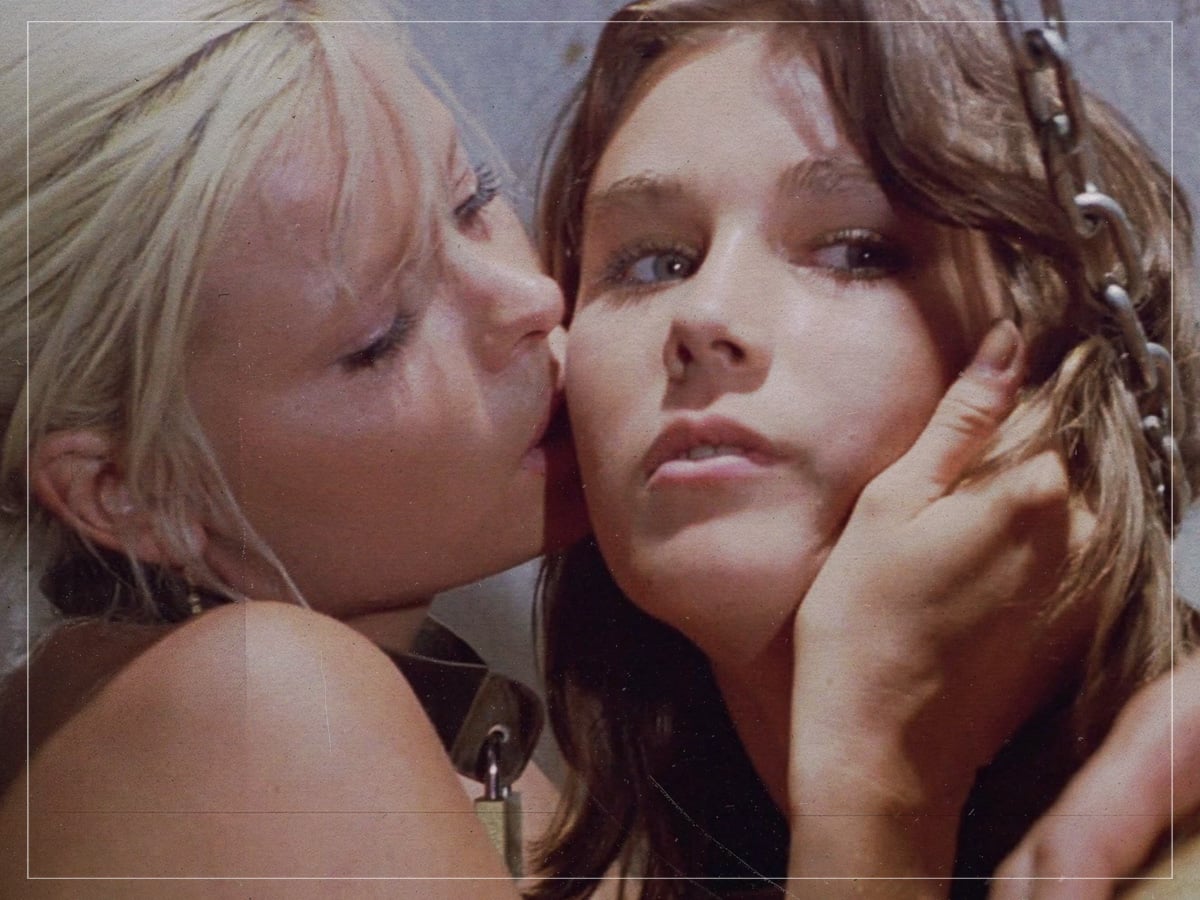
Jesús Franco made various interesting films in his time, like Vampyros Lesbos and She Killed in Ecstasy, which were pretty good, but then came Women in Cellblock 9 in 1977, which is set in a prison within the South American jungle. There’s plenty of nudity, sex, and violence, which instantly had censors writhing in disgust.
Still, the BBFC considered making cuts to the film so that it could be released, but with one of the female stars being only 16 when the movie was made, they couldn’t see any other option besides keeping it firmly banned. The BBFC wrote, “The quantity of scenes involving eroticised sexual violence combined with the indecent photographs of a person under 18 meant that cuts were not a viable option.”
‘Traces of Death’ (Damon Fox, 1993)
When your mondo film features real scenes of violence and death, you’re probably going to struggle against censorship boards, and this was the case for Traces of Death from 1993, a movie designed to shock with its inclusion of genuine acts of violence, including a suicide, as well as the murder of Maritza Martin, who was shot to death by her former husband.
There was no reason for this film to exist, and paired with its use of death metal as a soundtrack, it felt more like some schlocky, exploitative piece based around some twisted aesthetic appreciation for violence rather than anything with real, educational merit. The BBFC have never classified the film, explaining that it “deliberately makes light of human death, pain and suffering”, while “some of the most graphic clips are needlessly repeated in slow motion, further underlining the prurient and exploitative nature of the work”.
‘The Gestapo’s Last Orgy’ (Cesare Canevari, 1977)
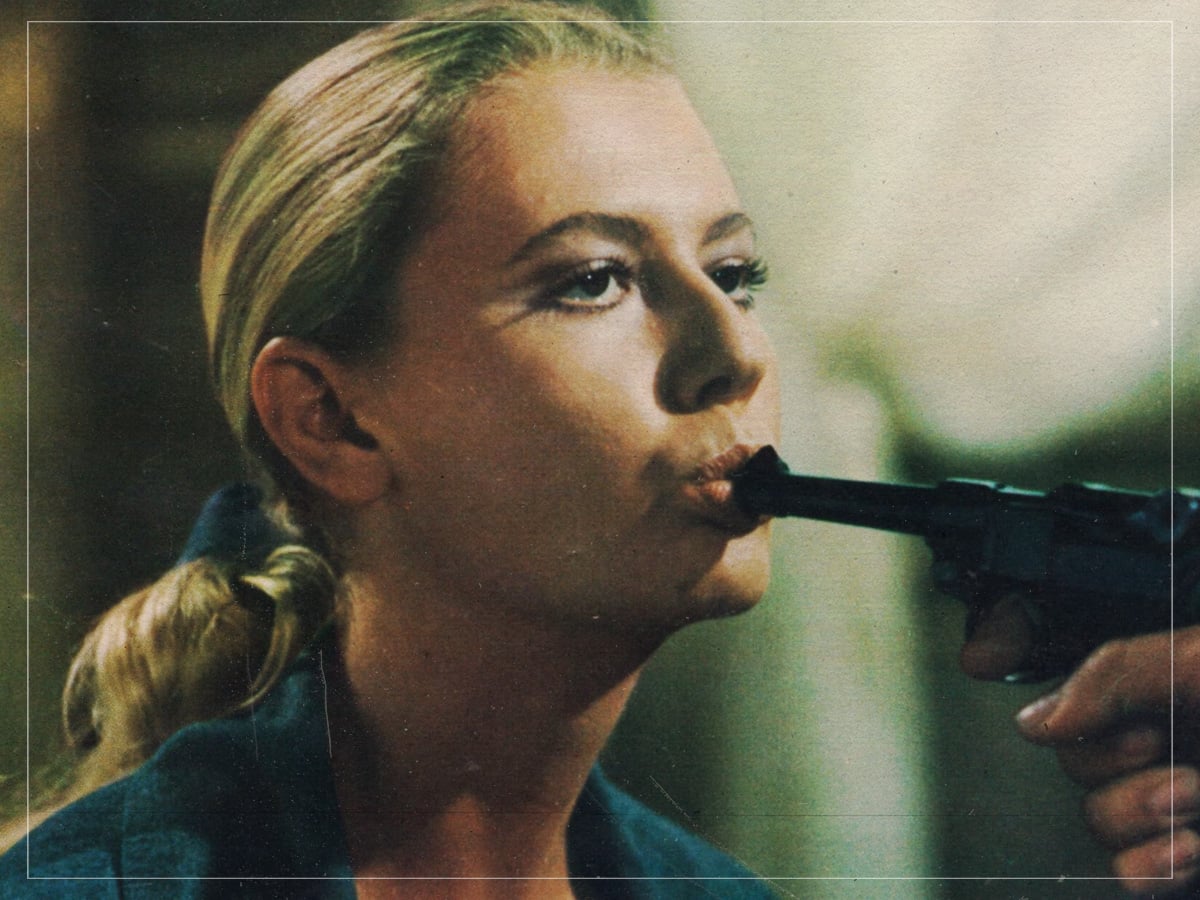
1977 really was the year of shocking banned films, it seemed, with yet another emerging to derision, this time courtesy of Cesare Canevari with The Gestapo’s Last Orgy, which is exactly what you think it is: a gross display of exploitation, rape, violence, and anti-Semitism. While Liliana Cavani’s The Night Porter emerged in 1974 to considerably more acclaim (and much more widespread acceptability), The Gestapo’s Last Orgy had few redeeming qualities to it.
The BBFC argued that there were just too many instances of sexual violence to make cutting the movie worthwhile, so it was refused classification, remaining effectively banned today. You can probably find it floating around the internet somewhere, but it’s surely not worth your time; Nazi-themed sex films never are.
‘To Kill a War Machine’ (Hannan Majid and Richard York, 2025)
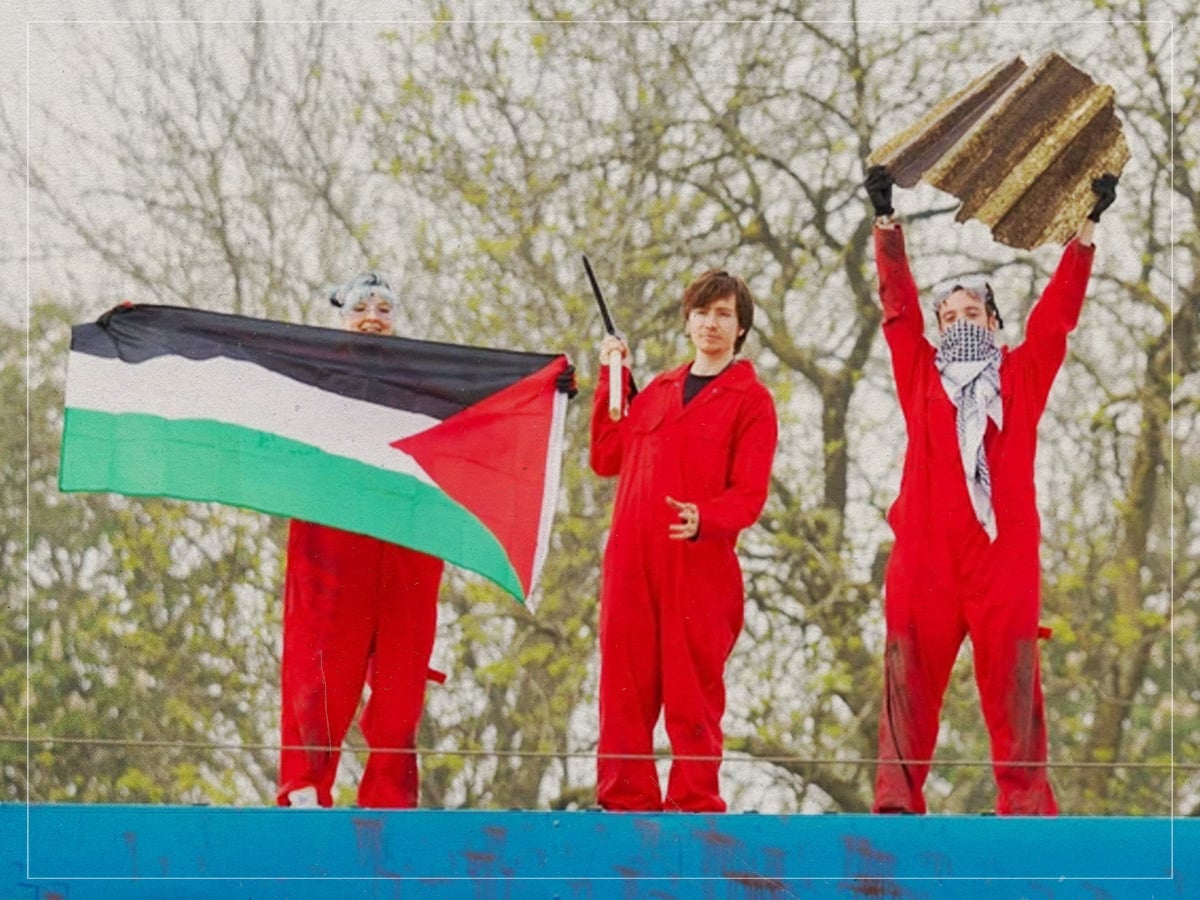
Most interesting on this list is To Kill a War Machine, the 2025 documentary directed by Hannan Majid and Richard York about Palestine Action and the raiding of arms factories. A poignant look at brave efforts to help put an end to the Gaza genocide, the documentary was set for release in cinemas until Palestine Action was declared a terrorist organisation by the UK government, leading to the BBFC revoking its planned 15 certificate over fears of the film being classed as illegal.
So, while some people managed to get their hands on the movie when it debuted online in 2025, it has since become near-impossible to watch, becoming the latest banned movie to cause controversy with censors, but it’s actually the least offensive film on this list.
