


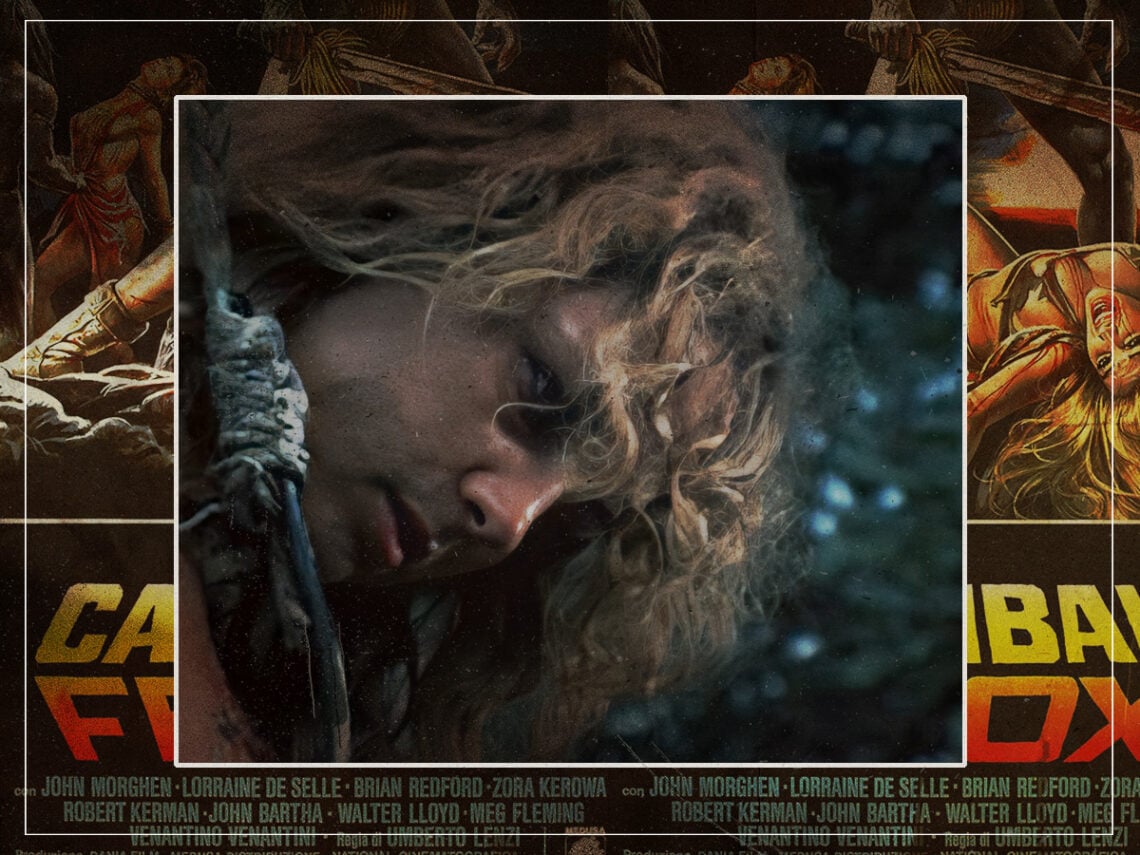
‘Cannibal Ferox’: the most banned movie in the world

Cinema is a medium that encourages boundless creativity, transgression and experimentation. Rules should be broken, leaving audiences with a strong emotional response, whether that be a feeling of joy or repulsion. Sometimes, filmmakers have stuck to this ethos with so much dedication that audiences have been left in a state beyond horrified or shocked. Certain movies have pushed the boundaries to another level, leading to protests, moral panics, censorship and banning.
Should art be censored? This is a widely discussed topic that has spawned compelling arguments on both sides of the coin. On the one hand, humans should be allowed to make whatever art they like, even if it deals with uneasy and uncomfortable themes or depicts explicit scenes of violence, sex and other taboos. However, there are certain images that should never be recreated for the big screen, reaching beyond the realms of ‘bad taste’ and residing somewhere in the territory of ‘morally unethical’.
Filmmakers like John Waters and Gaspar Noé have routinely challenged audiences’ expectations with shocking movies like Pink Flamingos and Irréversible. In the former, Waters depicts a range of acts, including incest, rape, murder and real coprophagia (the consumption of faeces). Noé’s Irréversible is much more brutal, featuring incessant scenes of violence and even a ten-minute rape scene which led to a mass walkout at its Cannes premiere.
Both these films have been banned in several countries over the years for their graphic content, becoming some of the most popular examples of controversial movies – still adored by many despite being abhorred by countless others. But that’s just scraping the surface of banned films. From Saló or the 120 Days of Sodom to Baise-moi and even Fifty Shades of Grey, anything featuring explicit sex scenes has probably been banned somewhere, especially if the sex scenes are unsimulated.
If films aren’t getting banned for their sexual content, it’s probably because of their violence – or likely a combination of the two. In the 1980s, many low-budget movies, which typically featured graphic scenes of violence, gore, sex and exploitation, were labelled as video nasties, such as The Driller Killer, Martin and Rabid. These were banned due to their “obscene” content, with censors believing that these movies didn’t have enough ‘philosophical’ content to justify their graphic scenes.
However, the worst offender of all the video nasties (many of which were actually pretty tame by today’s standards, such as The Texas Chainsaw Massacre) was Cannibal Ferox. It was released in 1981 and is considered one of the most violent movies of all time. Directed by Umberto Lenzi, it follows a cannibal tribe seeking revenge after they were held captive. It’s bloody and brutal, challenging even the most seasoned horror fans with its no-holds-barred depiction of cannibalism.
When it was released, advertisements boasted that it was banned in 31 countries. Thus, according to the Guinness World Records, Cannibal Ferox is the most banned movie of all time. While it is not as well known as something like Cannibal Holocaust, it is easily more stomach-turning.
As we follow a group of young people who travel to a village named Maniorca, hoping to prove that cannibalism is actually a myth, the movie soon descends into chaos. The characters’ hopes that the existence of cannibalism is exaggerated or untrue are quickly squashed. Exposing the depths of human brutality, Cannibal Ferox is one of the more disturbing horror flicks to emerge from the 1980s.
