


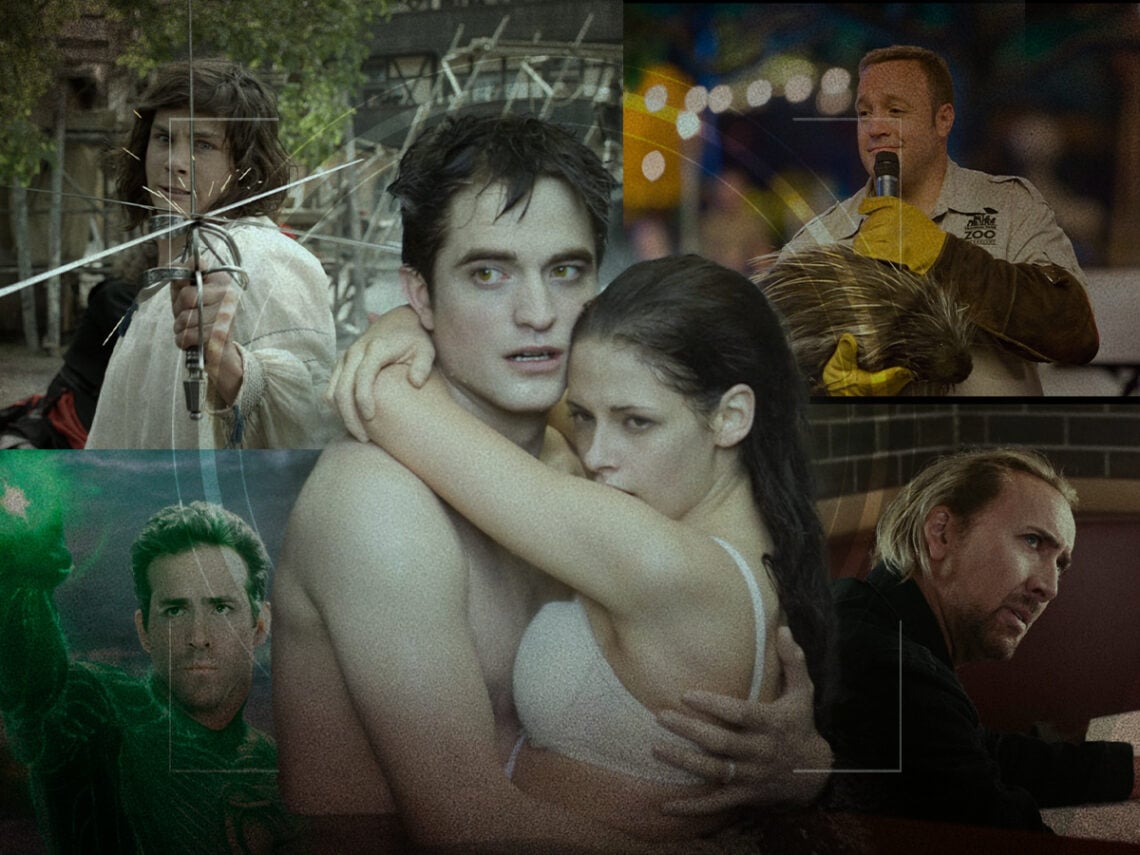
10 movies from 2011 that should be deleted from history

2011 was a strong year for cinema that saw the debut of many great films from legendary directors.
It was also a year in which the crop of blockbusters were fairly strong; Mission: Impossible – Ghost Protocol marked a welcome return to the franchise, X-Men: First Class and Rise of the Planet of the Apes were clever prequels, Harry Potter and the Deathly Hallows – Part 2 ended the saga on a strong note, and the Marvel Cinematic Universe proved it was more than just Iron Man with the success of Thor and Captain America: The First Avenger.
Unfortunately, 2011 was also a year in which Hollywood began to move further away from taking chances on anything original. It was a year populated by films that tried to utilise some connection to an established source material or brand to spin out audience interest, even if there was no creative reason to exist.
It also saw Hollywood relying on some of its worst trends, including shameless Oscar bait, family films that talk down to kids, and low-quality B-movies that used irony as a means of justifying their incompetence.
It’s easy to blame the streaming epidemic for the collapse of the theatrical market, but the popularity of services like Netflix, HBO Max, and Disney+ only came about because of the decaying options offered to moviegoers on the big screen.
10 movies from 2011 that should be deleted from history:
‘Green Lantern’ (Martin Campbell, 2011)
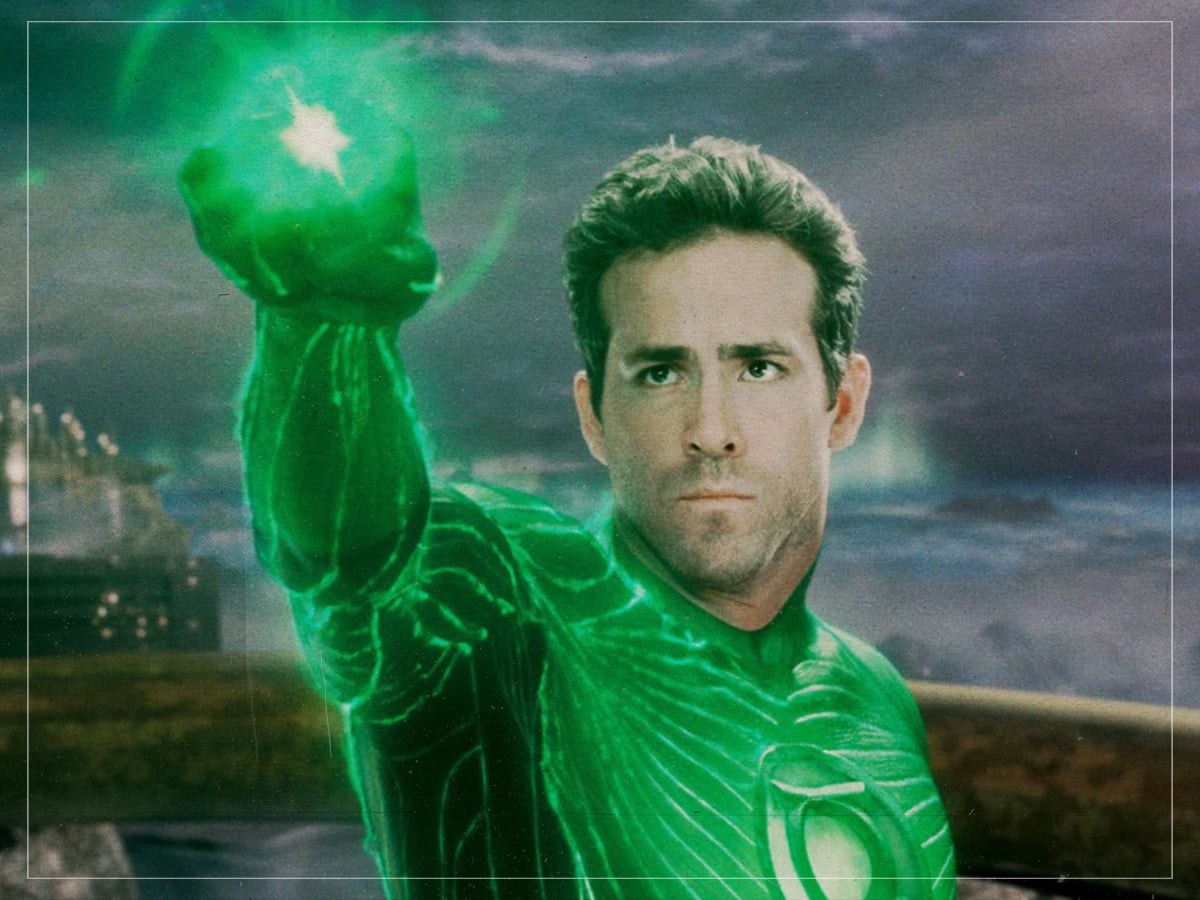
Ryan Reynolds has spent the last 15 years trying to apologise for Green Lantern, a film that destroyed the reputation of one of the greatest comic book characters of all-time, and managed to squash Warner Bros’ early plans to create a DC shared universe to compete with Marvel.
Reynolds is actually bad in the film as Hal Jordan, but there is nothing about the mythology of the Green Lantern Corps that is exciting; the CGI used to create the alien races looked bad in 2011, and it has only aged worse today.
Green Lantern is the embodiment of what a comic book misfire looks like, as it both seems to be embarrassed by its source material and unwilling to break away from the most basic of conventions. Green Lantern may have permanently ruined the opportunity for the character to ever be relaunched on the big screen, as the new DCU has developed Lanterns as a television show.
‘The Smurfs’ (Raja Gosnell, 2011)
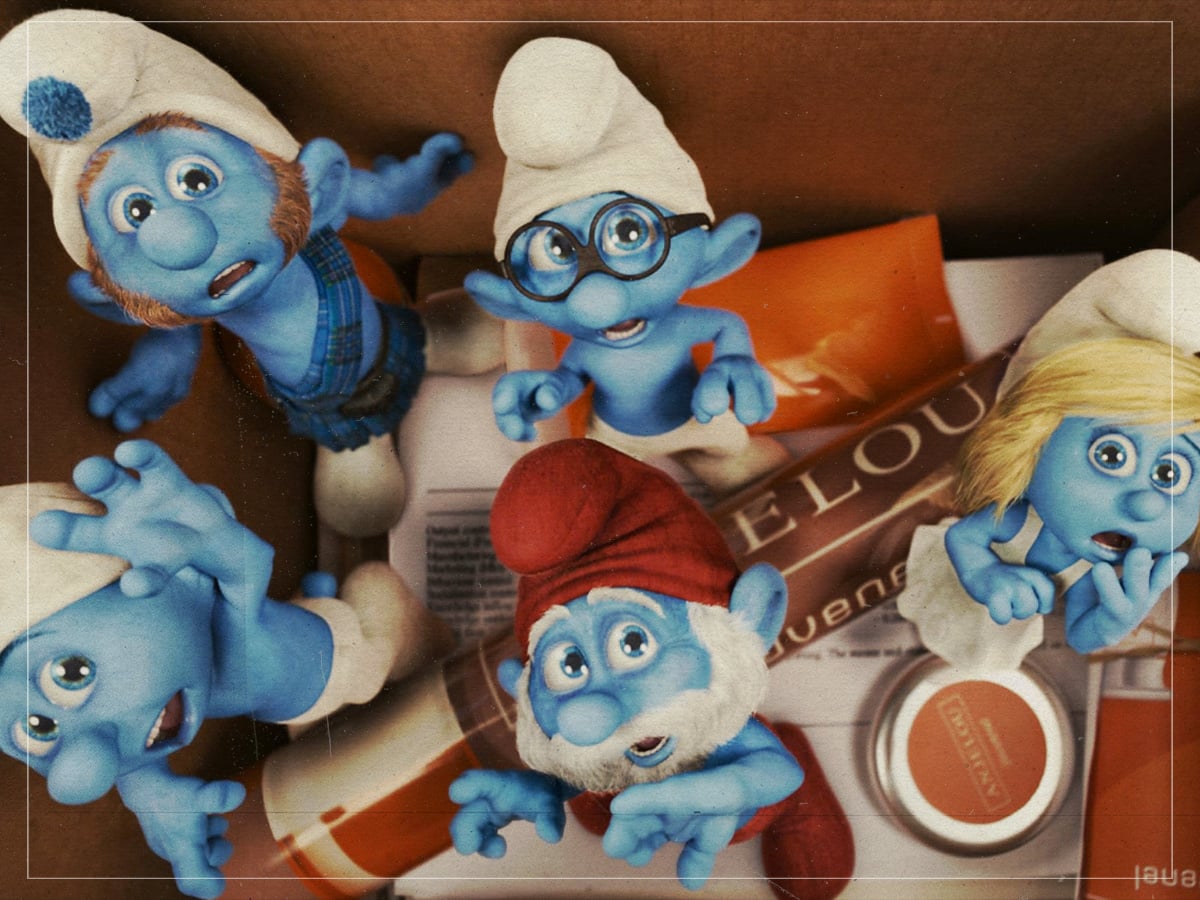
Sony is by far the most shameless studio when it comes to product placement, but rarely has a film felt so nakedly like a commercial as The Smurfs… Even when ignoring the fact that Neil Patrick Harris literally plays an advertising executive and that the film takes place in New York City (where billboards and ads are seen constantly), it seems like the only point of rebooting a classic cartoon franchise was to sell The Smurfs merchandise.
It doesn’t help that the Smurfs themselves look ghastly with the poor CGI, and that their dialogue is entirely filled with nonsense involving different iterations of the word “Smurf”. While the original television show wasn’t exactly known for its writing, it at least flushed out the characters with distinct personality traits, whereas the 2011 film can barely distinguish between the virtually identical CGI characters.
‘Cars 2’ (John Lasseter, 2011)
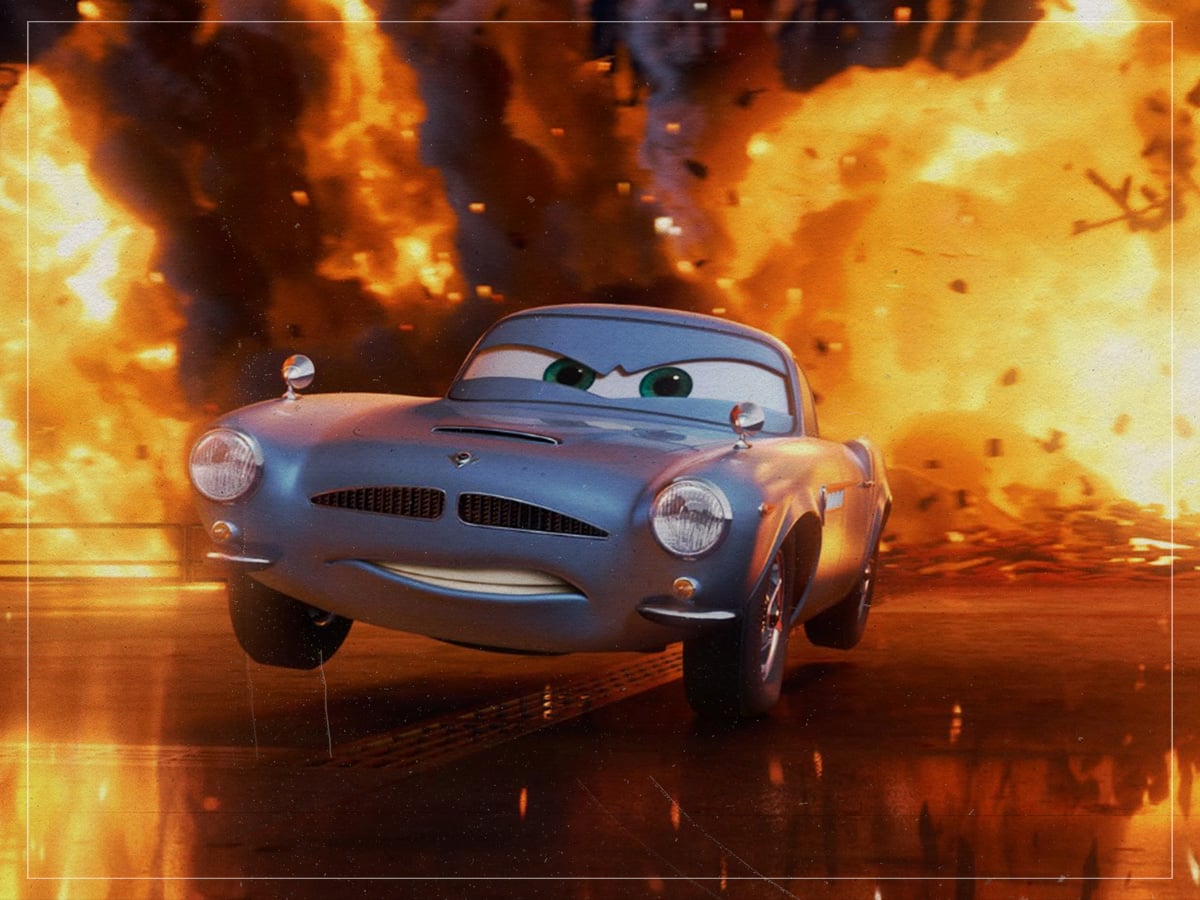
Pixar was on an unprecedented run of success since the debut of Toy Story in 1995, as every single film they had released had been critically acclaimed, with many singled out as masterpieces… While the first Cars had received slightly milder praise, Cars 2 completely destroyed the premise of its predecessor by transforming into a spy thriller with ridiculous hijinks and immature humour.
The best aspect of the original Cars was the charismatic performance by Owen Wilson as the racecar Lightning McQueen, but he is sidelined in Cars 2, which turns the obnoxious tow truck Mater (Larry the Cable Guy) into the main character – Cars 2 was so bad that it started a downward spiral for Pixar, leading to further misfires like Brave, Monsters University, and The Good Dinosaur, with the allegations against director John Lasseter having only further harmed its reputation.
‘Zookeeper’ (Frank Coraci, 2011)
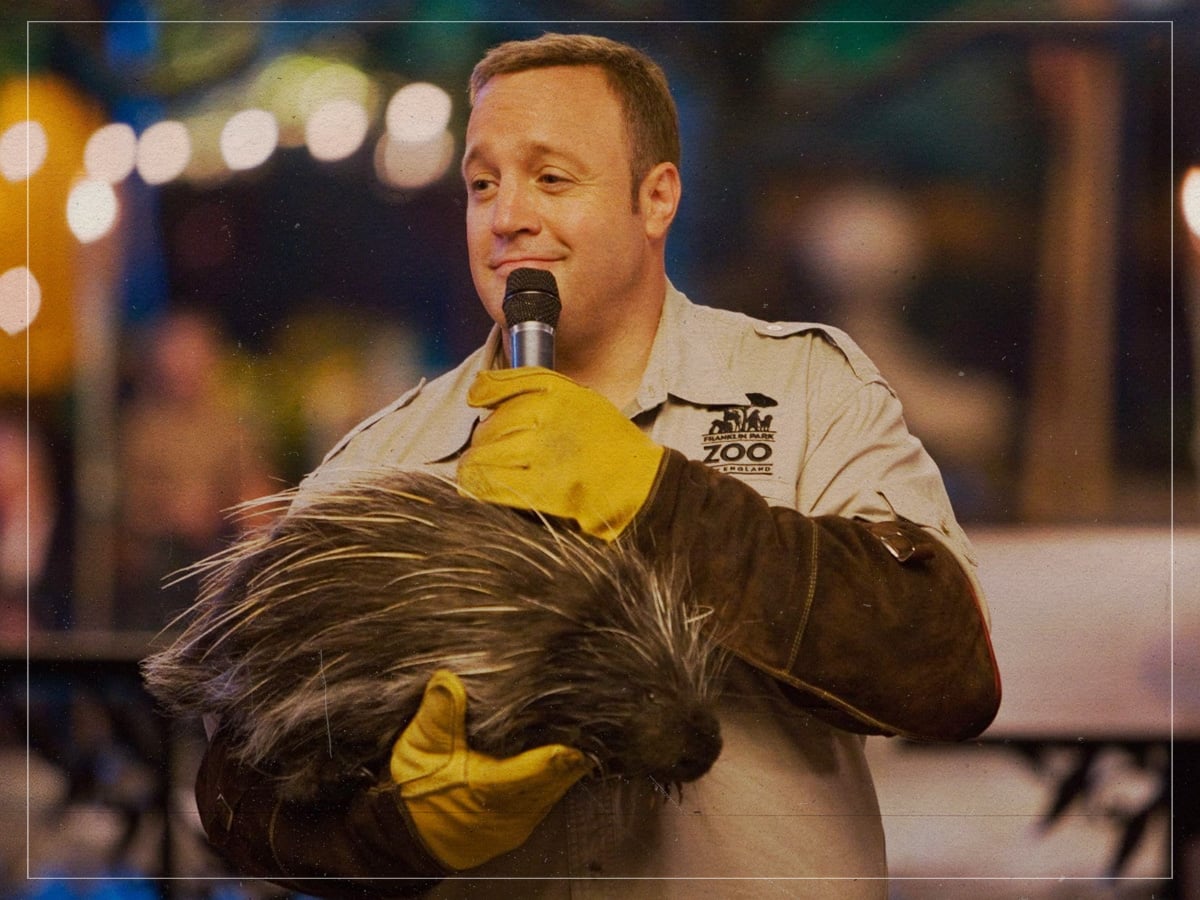
Adam Sandler didn’t only make a disaster in 2011 with Jack and Jill, but also used his influence as head of Happy Madison to give a starring role to his friend, Kevin James. While Sandler has at least shown on some occasions that he can do good work, James has no charisma as a leading man and is out of his depth to be the lead in a live-action family comedy.
Zookeeper doesn’t just use the premise of “talking animals” in the laziest possible way, but is filled with shameless product placement, obnoxious toilet humour, and terrible voiceover work from various celebrities, including Sandler himself as a monkey obsessed with faeces. Despite the fact that it is technically an “original” project, Zookeeper is so derivative of countless other films that it is impossible to give it any credit for telling a new story.
‘Gnomeo & Juliet’ (Kelly Asbury, 2011)
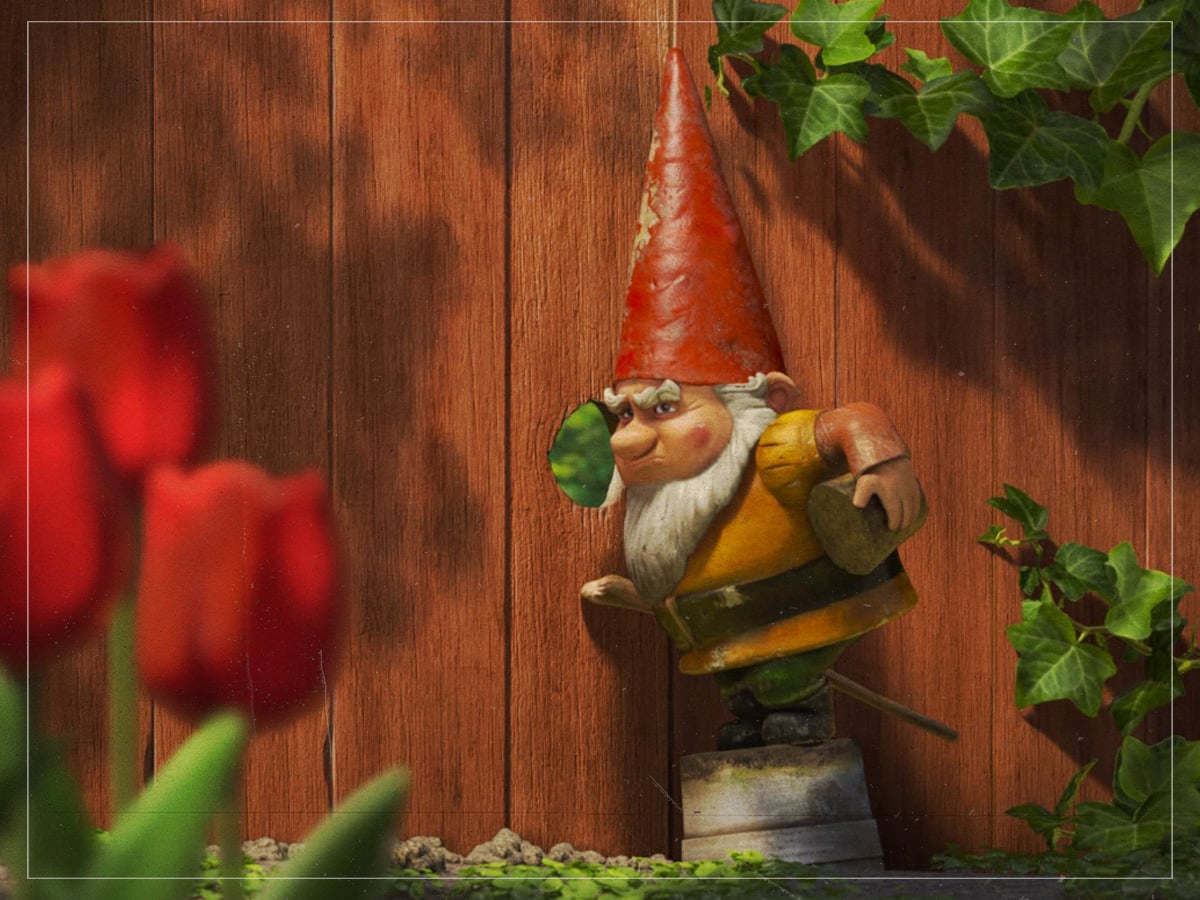
There have been many adaptations of the works of William Shakespeare, many of which aren’t very good, but rarely has one felt as insultingly blasphemous as Gnomeo & Juliet. While there are plenty of loose adaptations of Romeo & Juliet (such as every version of West Side Story), the fact that Gnomeo & Juliet directly invokes the original text, only to completely miss the point, is actually harmful for young audiences who haven’t been taught Shakespereare.
Gnomeo & Juliet also came out at a point in which every animated studio was trying to replicate the Pixar approach of “inanimate objects that come to life”, and the idea of talking garden gnomes is certainly among the laziest. There’s no shame in making a silly cartoon for children, but Gnomeo & Juliet was a bizarre passion project for producer Elton John, who packed the film with some of the worst songs that he has ever written.
‘The Twilight Saga: Breaking Dawn – Part 1’ (Bill Condon, 2011)
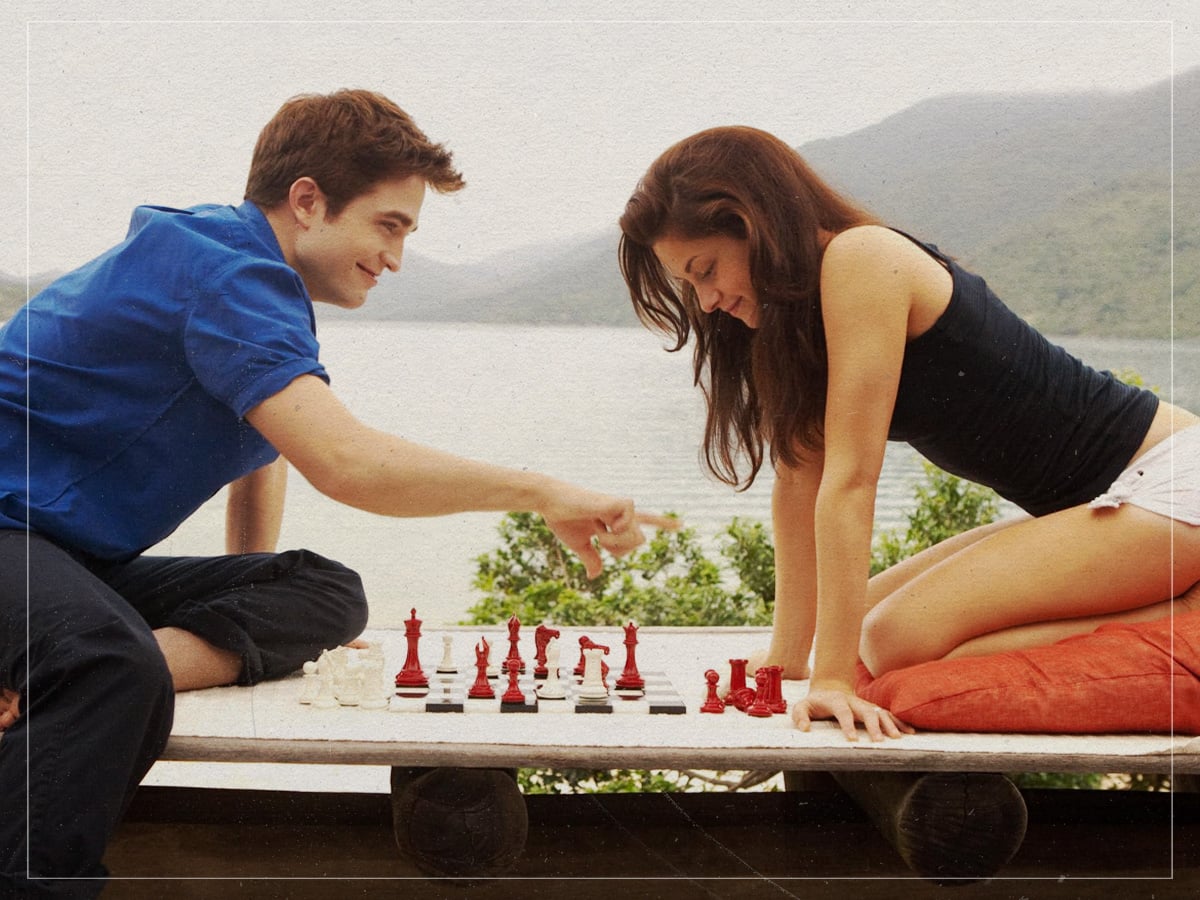
Twilight is a true anomaly that set the stage for what modern fandom would look like, as its fanbase valued fealty to the source material and their own projections over any assessments of quality. The Twilight Saga: Breaking Dawn – Part 1 is a particularly awful entry in the series because it continued the trend of needlessly splitting one book into two movies in order to maximise profits; while it worked for the last Harry Potter film because it was a long book that had a ton of material to get through, Twilight dragged out its story so that neither of the final two entires felt like a complete film in their own right.
The Twilight Saga: Breaking Dawn – Part 1 also introduces some very odd body horror related to the birthing process, which makes the saga’s strange religious undertones even weirder.
‘Mr Popper’s Penguins’ (Mark Waters, 2011)
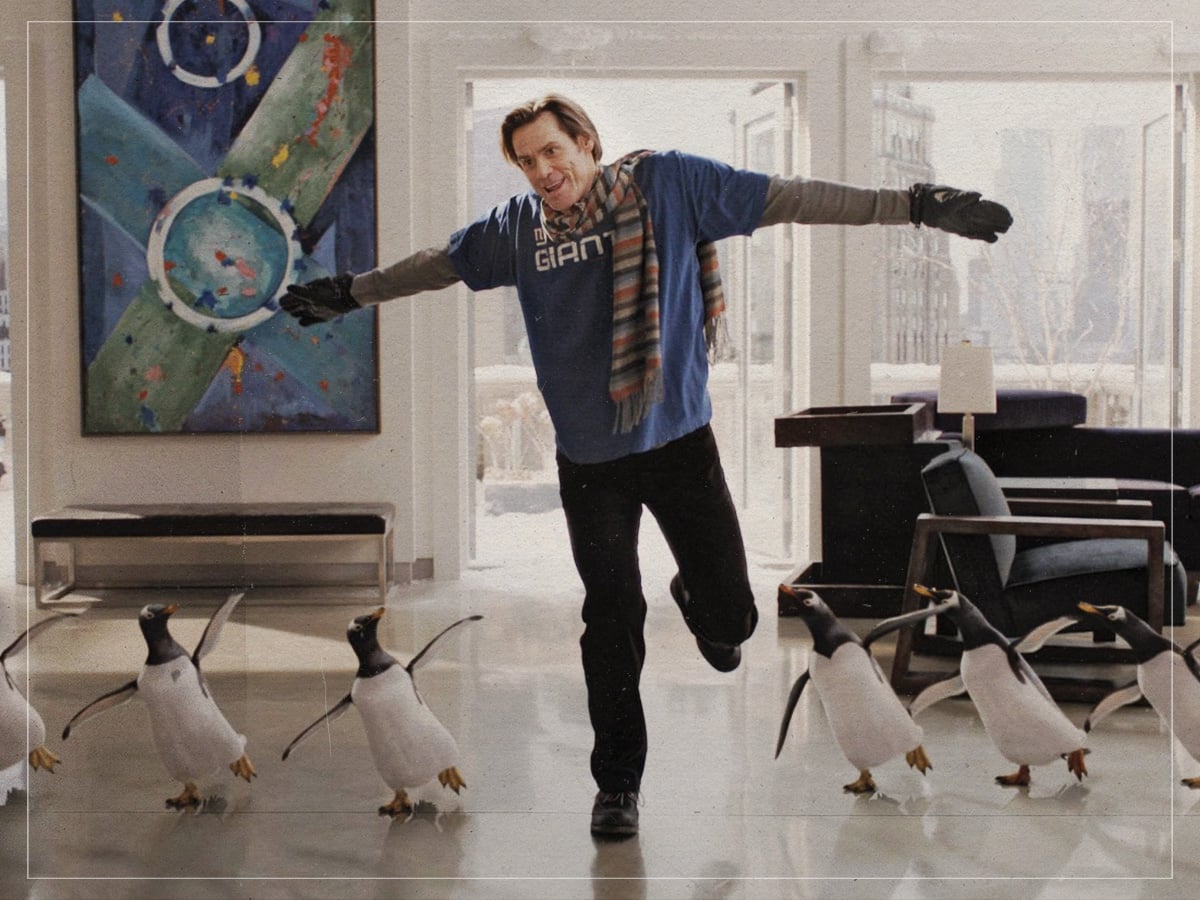
Jim Carrey was having a bit of an identity crisis in the 21st century, as he began to increasingly appear in family films like How the Grinch Stole Christmas and A Christmas Carol, in which his more extreme comedic sensibilities felt neutered… While Mr Popper’s Penguins should have theoretically been a return to his all-ages comedies of the late ‘90s, such as Liar Liar – it ended up turning Carrey into a boring character for the first time.
It’s a bit heartbreaking to see Carrey putting so little effort into a film that could have easily been handed over to any of the other current comedy A-listers of the time, who would have at least been compelling as an underdog, put-upon dad character. It was the first step in a downward spiral, as Carrey has done very little of note ever since.
‘Extremely Loud and Incredibly Close’ (Stephen Daldry, 2011)
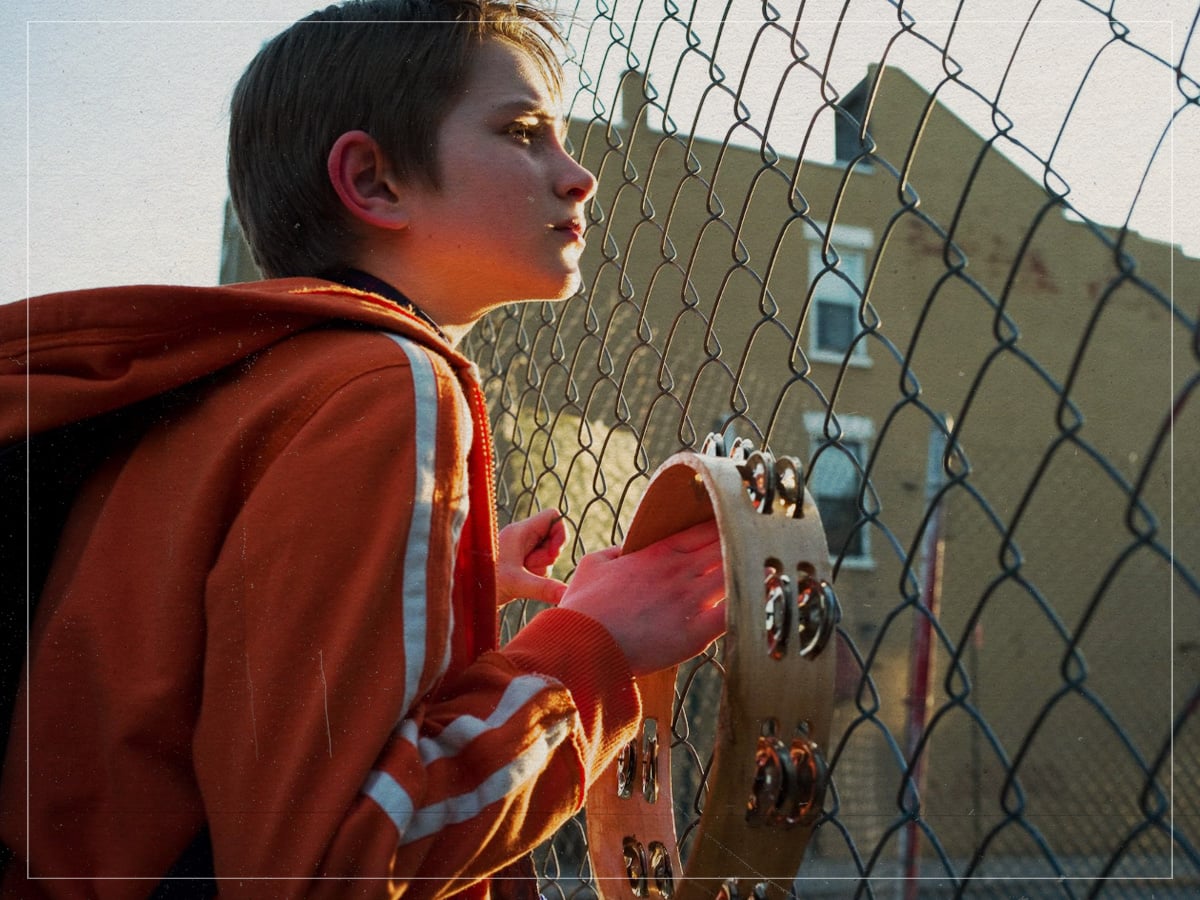
The Academy Awards decided to expand the ‘Best Picture’ category following the 2009 Oscars, in which backlash to the snubs for The Dark Knight and WALL-E suggested that the voting body needed to include more popular films in the top category… Although initially the Oscars did a good job at recognising genre films that might have been otherwise overlooked, such as District 9 and Up, it was in 2011 that the voting body simply reverted to nominating the same type of Oscar bait.
Extremely Loud and Incredibly Close received downright negative reviews, and might be the single worst film ever nominated for ‘Best Picture.’ It’s not only a manipulative drama about post-9/11 guilt, but a sign that the Oscars were losing their credibility by recognising films that were calculated to be awards fodder in the most cynical way possible.
‘Drive Angry’ (Patrick Lussier, 2011)
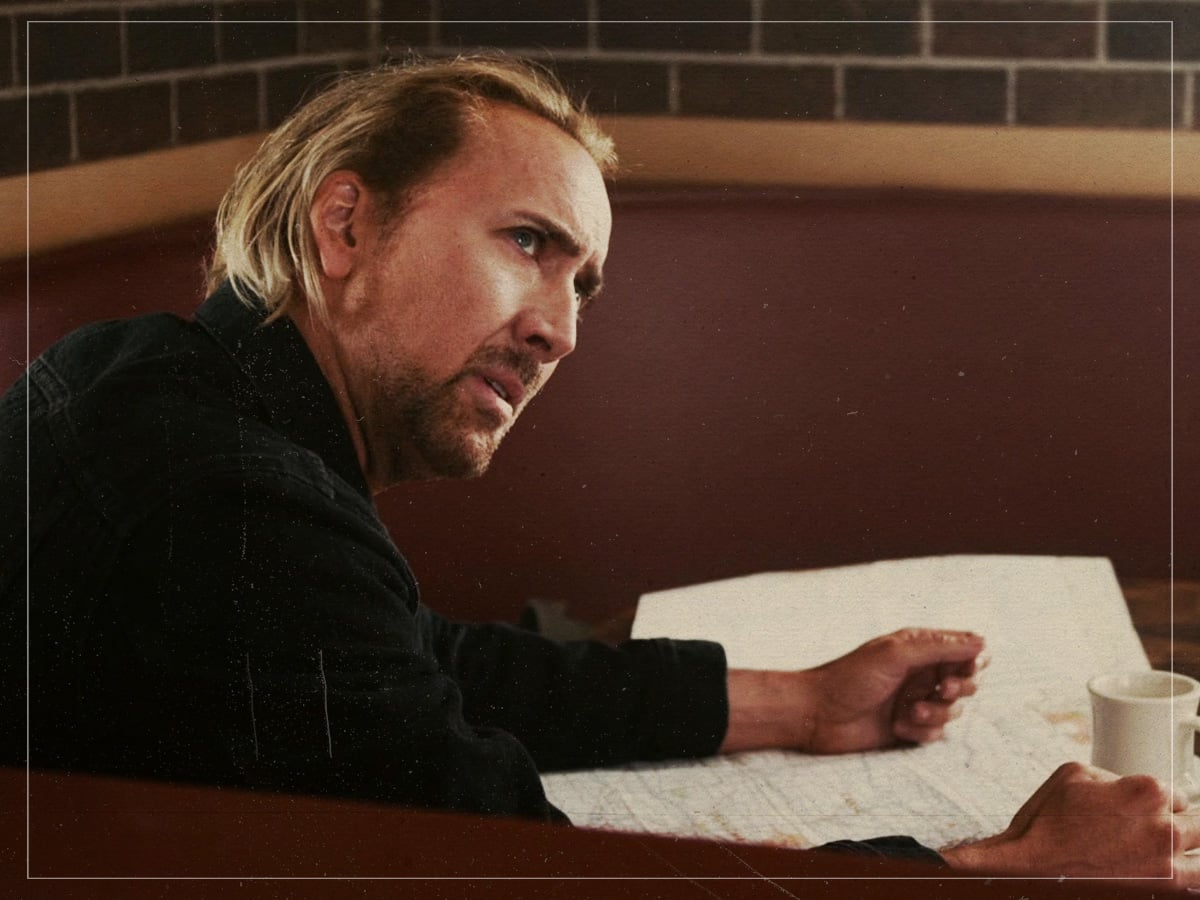
Nicolas Cage had actually been on a bit of a comeback thanks to the success of the National Treasure series and the critical acclaim for films like Bad Lieutenant: Port of Call New Orleans and Kick-Ass, but 2011 was a brutal year… Although the ridiculous fantasy epic Season of the Witch, the dull revenge thriller Trespass, the lifeless action vehicle Seeking Justice, and the underwhelming superhero sequel Ghost Rider: Spirit of Vengeance might have at least had some potential on paper, there was nothing about Drive Angry that indicated it would be anything other than disastrous.
Drive Angry tried to utilise Cage’s meta reputation as an over-the-top actor to its advantage, but it only made him look desperate for work, leading to an era in which he starred in multiple direct-to-VOD genre films each year in order to pay off expenses.
‘The Three Musketeers’ (Paul WS Anderson, 2011)
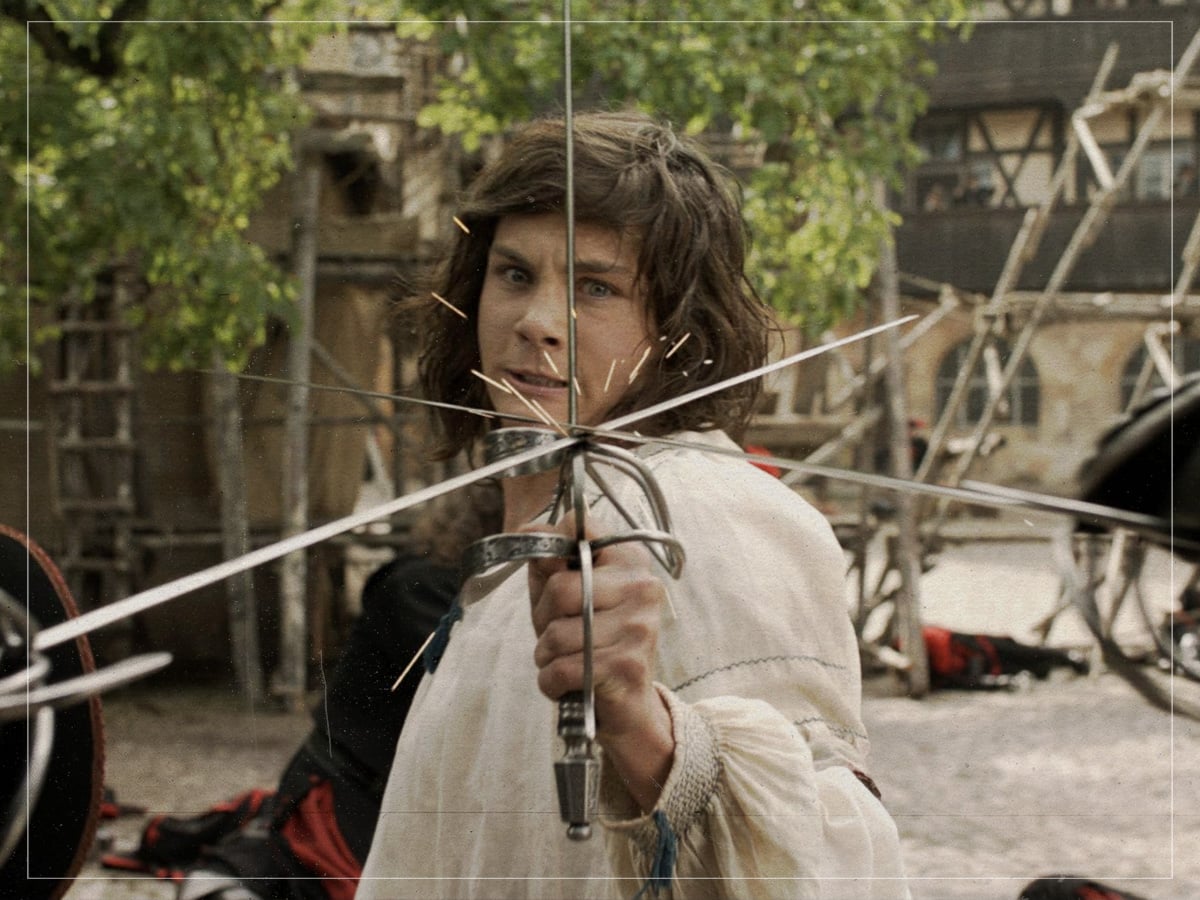
Paul WS Anderson is a bad director who makes terrible films, but the Resident Evil franchise is at least based on video games that don’t exactly have a reputation for their strong writing. However, Anderson got the chance to stomp over a literary classic when he was allowed to direct The Three Musketeers, which he infused with steampunk sensibilities, flying airships, cheesy jokes, and miscast actors.
The Three Musketeers is disappointing because of its strong cast; while it would have been great to see Matthew MacFadyen, Luke Evans, Ray Stevenson, and Logan Lerman play the four iconic heroes in a legitimate adaptation of the original novel, they’re weighed down by the terrible dialogue and Anderson’s incompetent direction. The fact that not even villainous turns from Christoph Waltz and Mads Mikkelsen were enough to save The Three Musketeers is downright criminal.
