


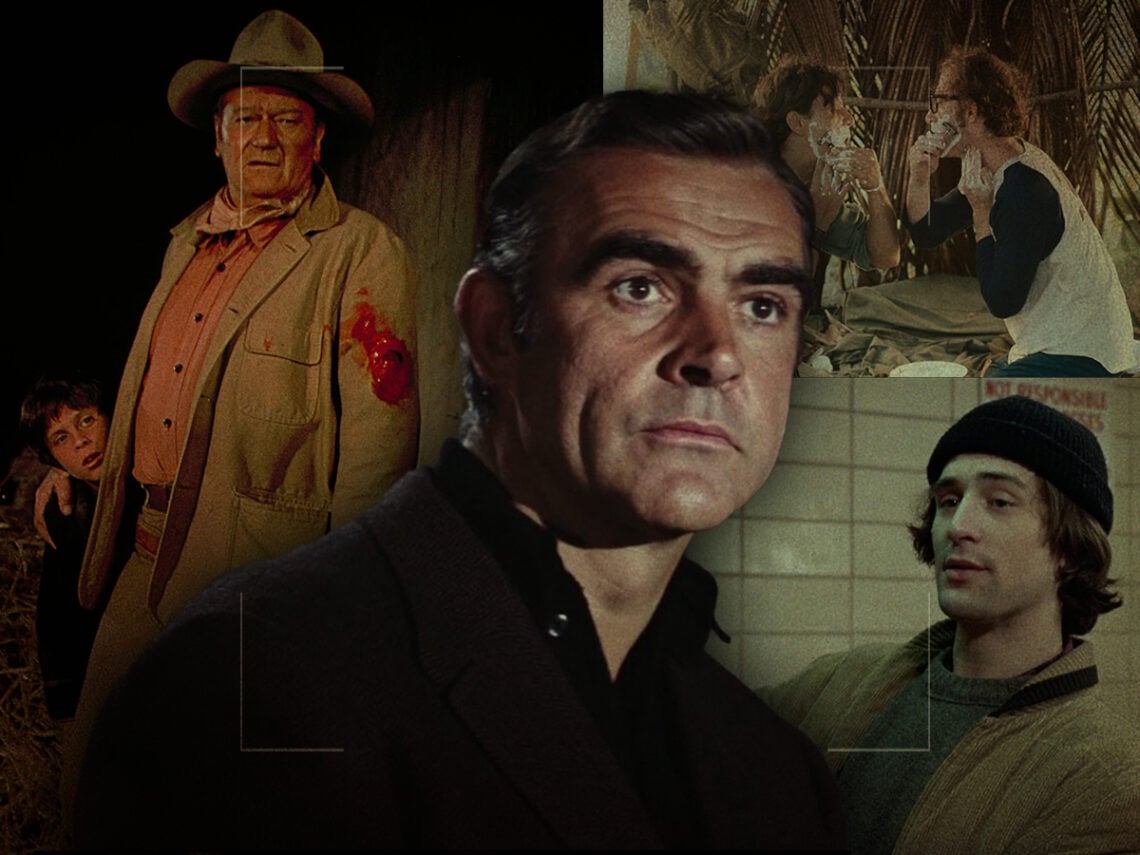
10 movies from 1971 that should be deleted from history

1971 was a great year for film, with some notable outliers.
Although 1967’s Bonnie & Clyde is often cited as the film that kicked off the New Hollywood era, the repercussions of this cultural change were in full effect in 1971, which saw William Friedkin’s ‘Best Picture’ winner The French Connection redefine what action cinema could look like, Stanley Kubrick release one of his most controversial masterpieces with A Clockwork Orange, and Robert Altman deconstructing the western with McCabe & Mrs Miller.
On the science fiction front, George Lucas made his directorial debut with THX 1138, and Jane Fonda gave her Oscar-winning performance in Klute, but no one was bigger in 1971 than Clint Eastwood, who made his directorial debut with the thriller Play Misty For Me, starred in the crime thriller Dirty Harry, which launched four sequels, and also appeared in Don Siegel’s sharp western thriller The Beguiled.
There was no shortage of controversies when it came to 1971 films, however. Mike Nichols’ social drama Carnal Knowledge attracted serious backlash for its sexually frank content and was banned in some states in America. Panic in Needle Park became a talking point within the cultural discussions about drug addiction, Johnny Got His Gun earned backlash for its anti-war message, and even Willy Wonka & the Chocolate Factory earned criticism from the author of the original novel, Roald Dahl.
These films have all proven that they’ve stood the test of time and are worthy of being celebrated today, but there are a fair number of titles that haven’t held on to the same reputations.
10 movies from 1971 that shouldn’t exist:
‘Diamonds Are Forever’ (Guy Hamilton)
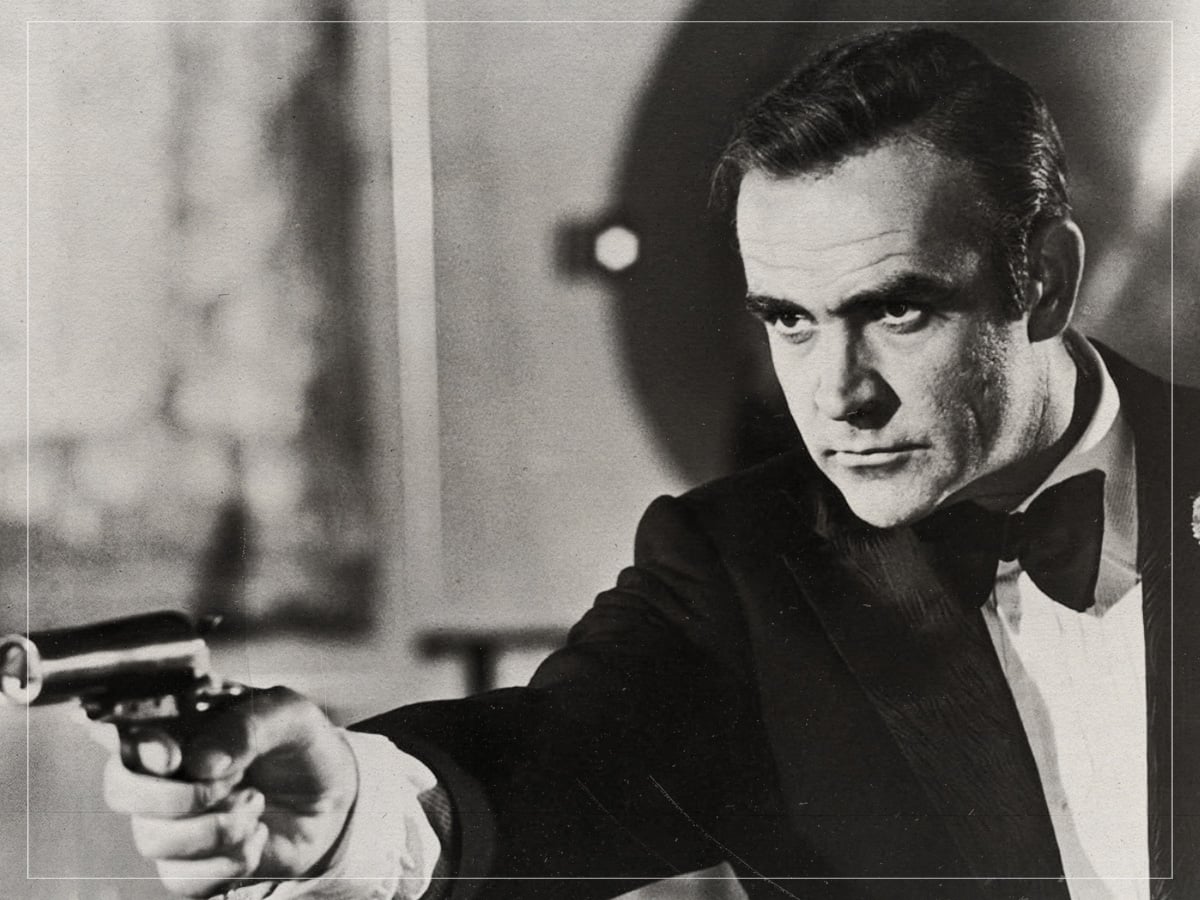
The James Bond franchise was at its most cowardly with Diamonds Are Forever, a film that saw Sean Connery returning to the franchise after the mixed response to George Lazenby’s performance in On Her Majesty’s Secret Service. That film had taken risks by being darker and more character-driven, but Diamonds Are Forever was a cheap ploy for nostalgia that drew in Connery, even though he had a graceful exit from the series in You Only Live Twice.
Diamonds Are Forever has two of the most obnoxious henchmen in franchise history, a completely unbelievable love interest, a story that just reiterates the same Spectre plot, and doesn’t take advantage of all the possibilities of what a Bond film in Las Vegas could look like. There are Bond films that are bad but at least interesting, but this one is just a slog to get through.
‘Wuthering Heights’ (Robert Fuest)
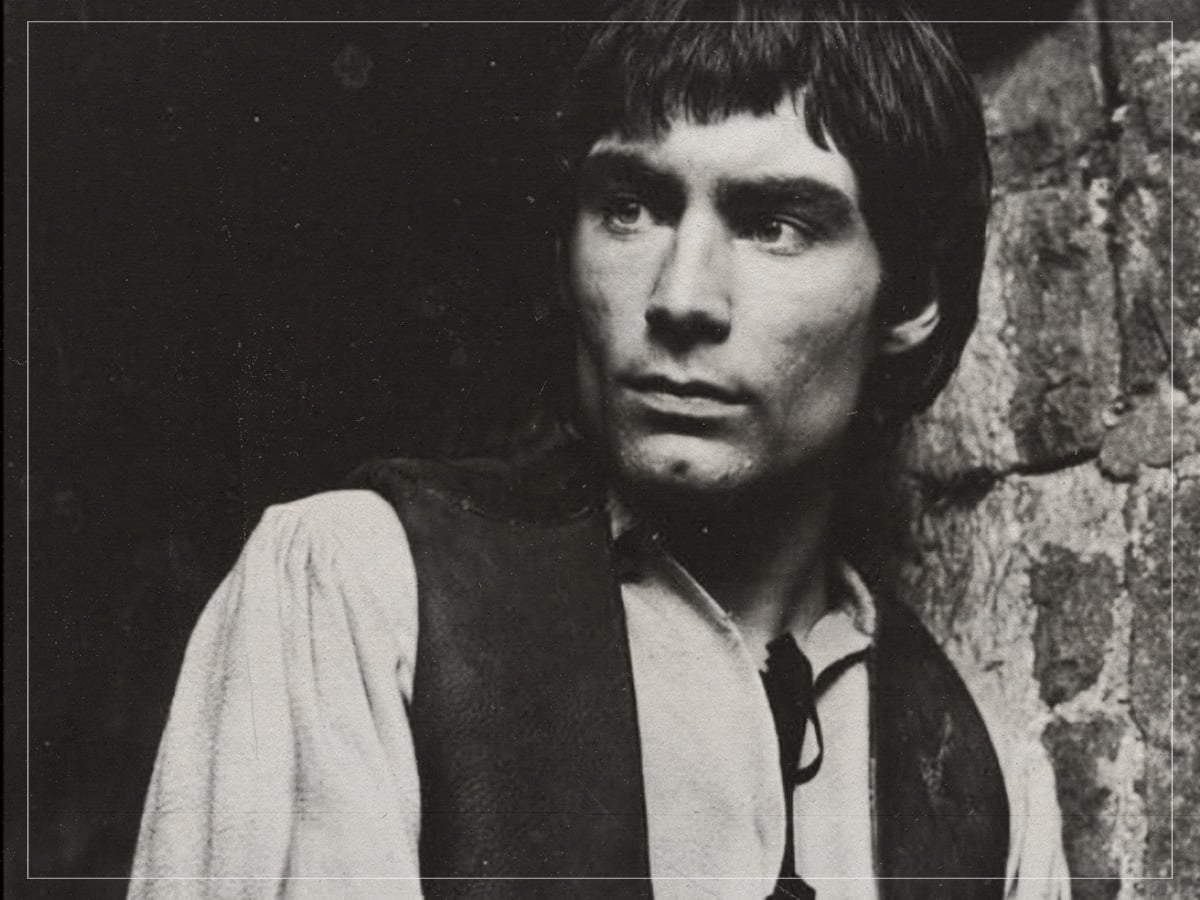
Robert Fuest’s adaptation of Wuthering Heights had its world premiere in 1970, but didn’t get a full theatrical rollout until the following year. Despite the fact that Emily Brontë’s novel is regarded as a classic of gothic romance and contains intense sexual undertones, the film reduces any potentially objectionable content for the sake of a G-rating and treats the story as a straight-up romance.
Not only does the film ignore the second half of the novel entirely, but it drops the framing device, which had been used to great effect in the 1939 version directed by William Wyler. There still hasn’t been a completely faithful and successful adaptation of Wuthering Heights, but the changes made in the 1971 film don’t even allow it to stand on its own as a romantic drama. It’s a waste of time, even with Timothy Dalton’s strong performance as Heathcliff.
‘Bananas’ (Woody Allen)
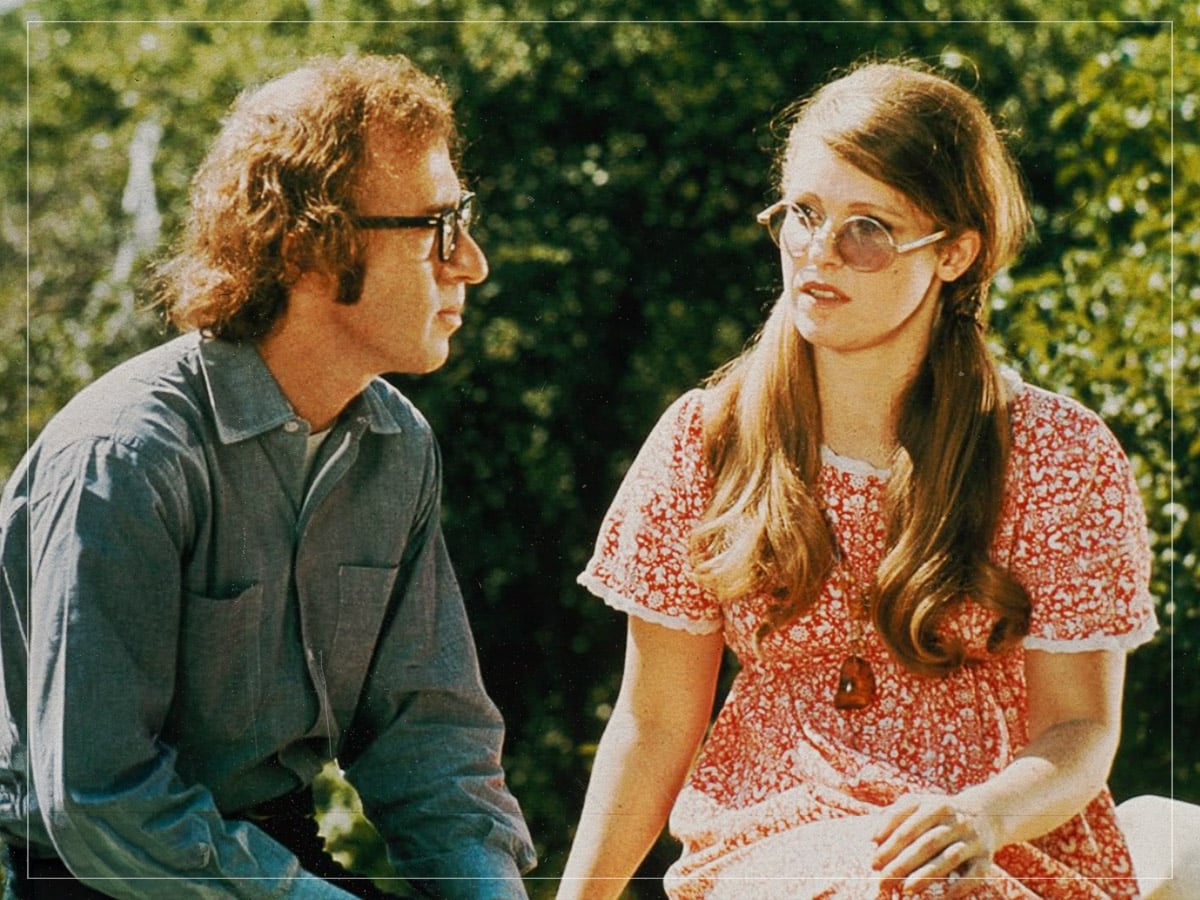
Woody Allen will be shrouded in controversy forever, but it’s hard to deny the impact that he had on cinema, comedy, and auteur filmmaking. Annie Hall created the foundation for most modern romantic comedies, Hannah and Her Sisters is one of the most beautiful films ever made about sisterhood, Crimes and Misdemeanours is a philosophically loaded work of art, Bullets Over Broadway is a near-perfect satire of mob films, and Midnight in Paris proved that Allen was still relevant in the 21st century.
Bananas does not have the same legacy, and it’s because the slapstick goofiness within Allen’s comedy just hasn’t held up. There are other comedic filmmakers from the ‘70s whose films still work today, such as Mel Brooks and Blake Edwards, but Allen’s early comedies pioneered a style of irreverence that simply feels irrelevant by today’s standards.
‘Born to Win’ (Ivan Passer)
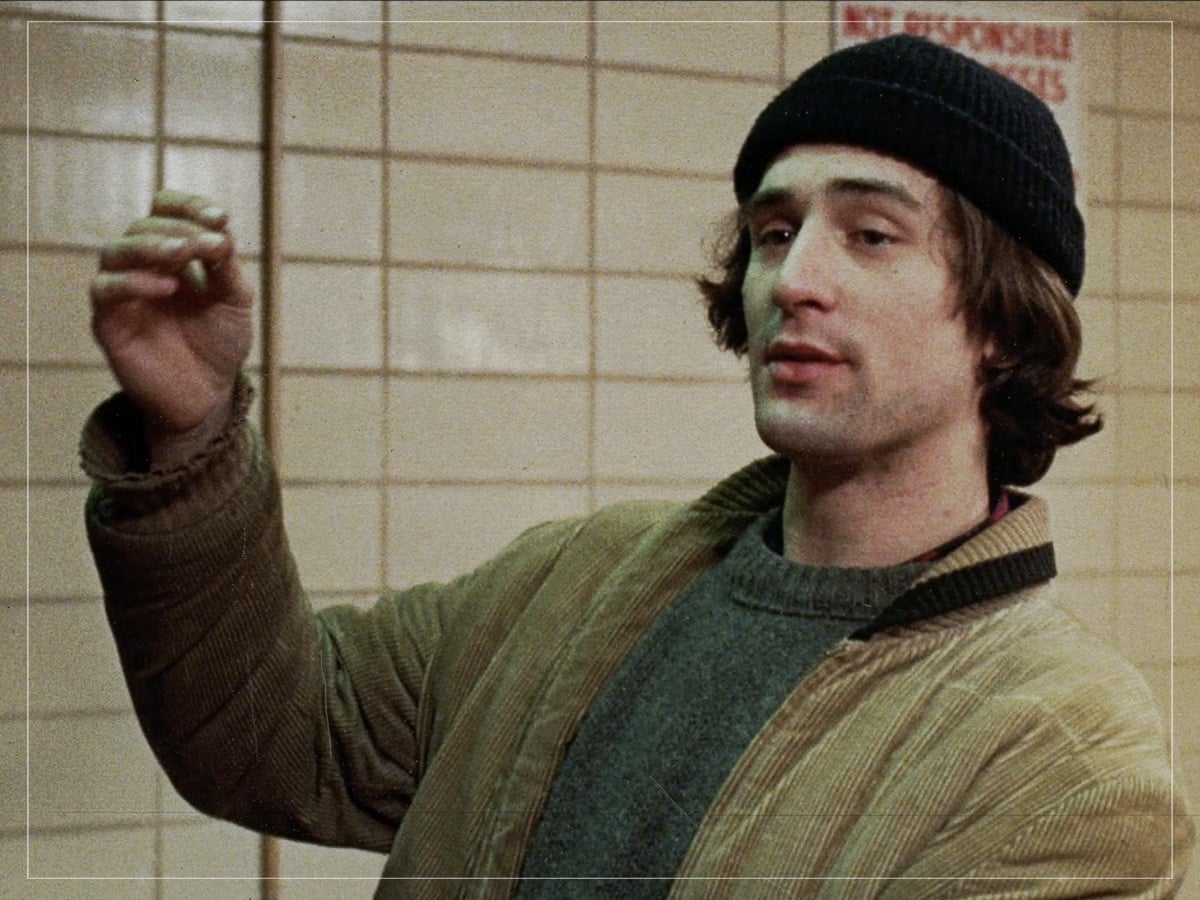
Born to Win was coincidentally released the same year as Panic in Needle Park, which, in comparison, had a fairly progressive and thoughtful study of addiction. Born to Win attempts to say something about poverty, desperation, and self-destruction, but it can’t help but feel like a hackneyed ripoff of Midnight Cowboy. As admirable as it was that George Segal wanted to take a stab at playing a serious, grounded role, there’s no believability within his performances, and co-stars like Karen Black feel completely miscast.
The only notable aspect of the film is that it contained an early performance from Robert De Niro before he got the life-changing role in Mean Streets two years later, but even that isn’t enough to justify what is a frankly pointless exercise. It was director Ivan Passer’s first American film, and his unfamiliarity with the country was evident.
‘Kotch’ (Jack Lemmon)
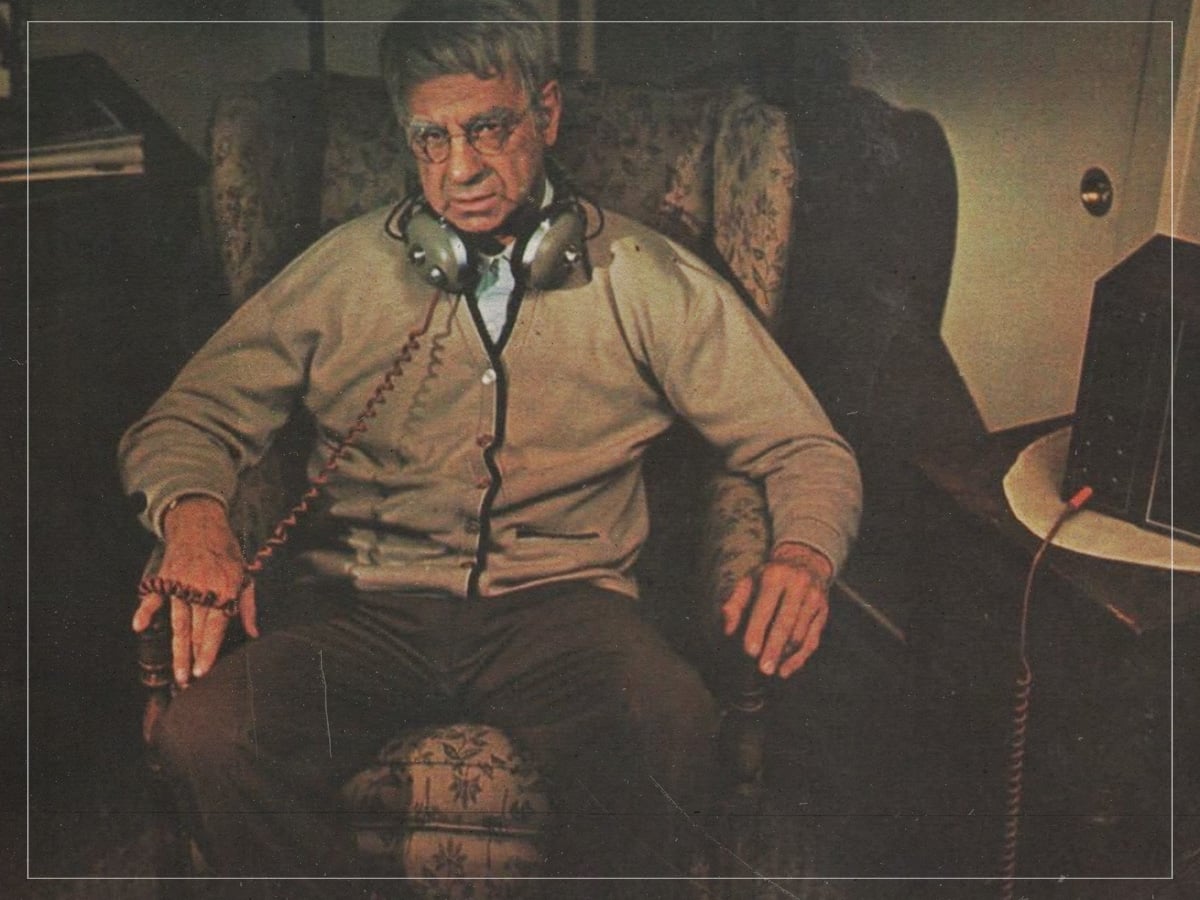
Jack Lemmon and Walter Matthau are among the most iconic cinematic duos, thanks to their many collaborations with Billy Wilder, but Kotch is among the stranger films that they made together. Based on the novel of the same name from 1965, Kotch was directed by Lemmon, and stars Matthau as an elderly man who runs away from his family after being told that he will be sent to a nursing home.
Mathau would become a perfect grouchy old man in the decades to come, but he was in his early 50s when Kotch was released, and his ageing-up makeup looks completely ridiculous. Beyond the corny storyline and blatantly manipulative dialogues, Kotch deals with issues regarding teen pregnancy and old men being ‘handsy’ that have aged absolutely horribly. Lemmon was a brilliant actor, but not much of a director.
‘Doc’ (Frank Perry)
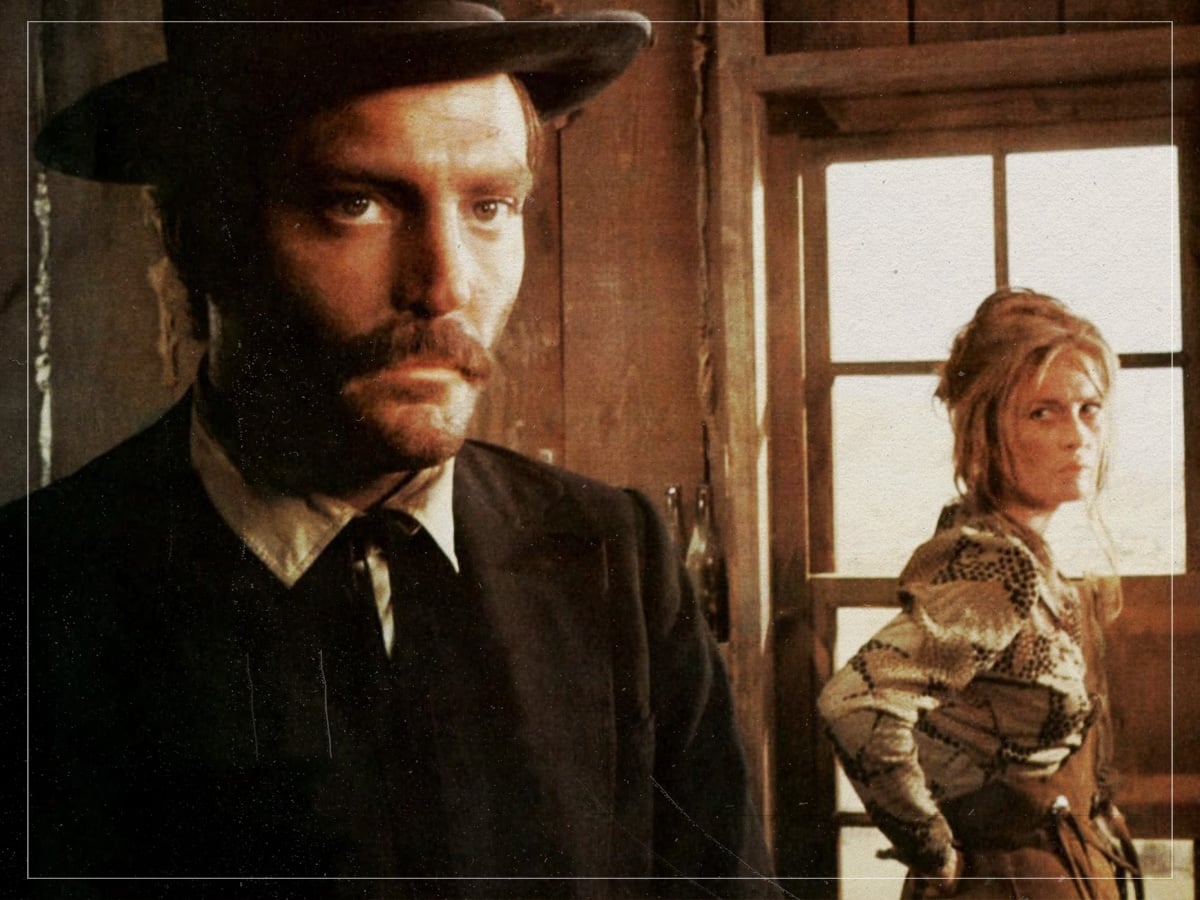
The story of Doc Holliday and Wyatt Earp has been told many times in the history of American westerns. John Ford’s My Darling Clementine is perhaps the most romantic, 1957’s Gunfight at the OK Corral is the most action-packed, Tombstone is the most entertaining, and even Lawrence Kasdan’s overlong Wyatt Earp is admirable in its ambition. Doc is an attempt at taking a more grounded, revisionist take on the material, but it’s really just dull and drains the story of its most exciting qualities.
Stacy Keach’s performance as the titular gunslinger is pretty forgettable, and the great Faye Dunaway has a completely thankless role as Katie Elder. There’s not a single thing that Doc does better than the other films about the gunfight at the OK Corral, and it hasn’t aged as well as some of the more inventive westerns that were released the same year.
‘The Crunch Bird’ (Ted Petok)
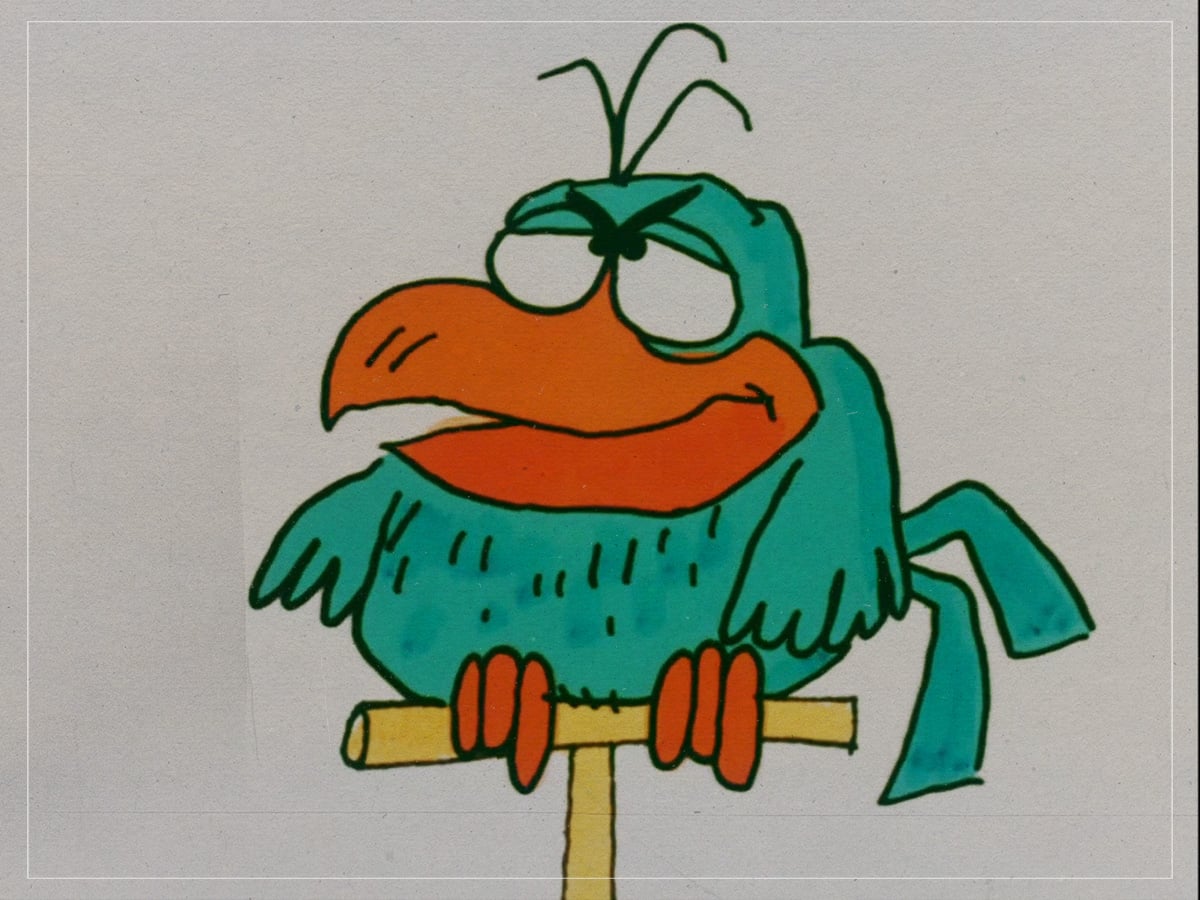
With a running time of just over two minutes, The Crunch Bird is the shortest film to ever win an Academy Award, and it’s also one of the worst. Even when considering that there was less competition at the time in the ‘Best Animated Short’ category, given how challenging animated content was to produce, The Crunch Bird featured rudimentary visuals, bad voice-acting, and served no other purpose than to visualise a crude joke.
That the film managed to win an Oscar not only invalidates the ceremony, but makes the case that the short films should not be a part of the ceremony if they are just going to be treated as jokes. It’s hard to even give it credit for being a more adult-oriented exercise in animation, as one year later, Fritz the Cat would push content boundaries much further through a feature-length presentation.
‘Who Is Harry Kellerman and Why Is He Saying Those Terrible Things About Me?’ (Ulu Grosbard)
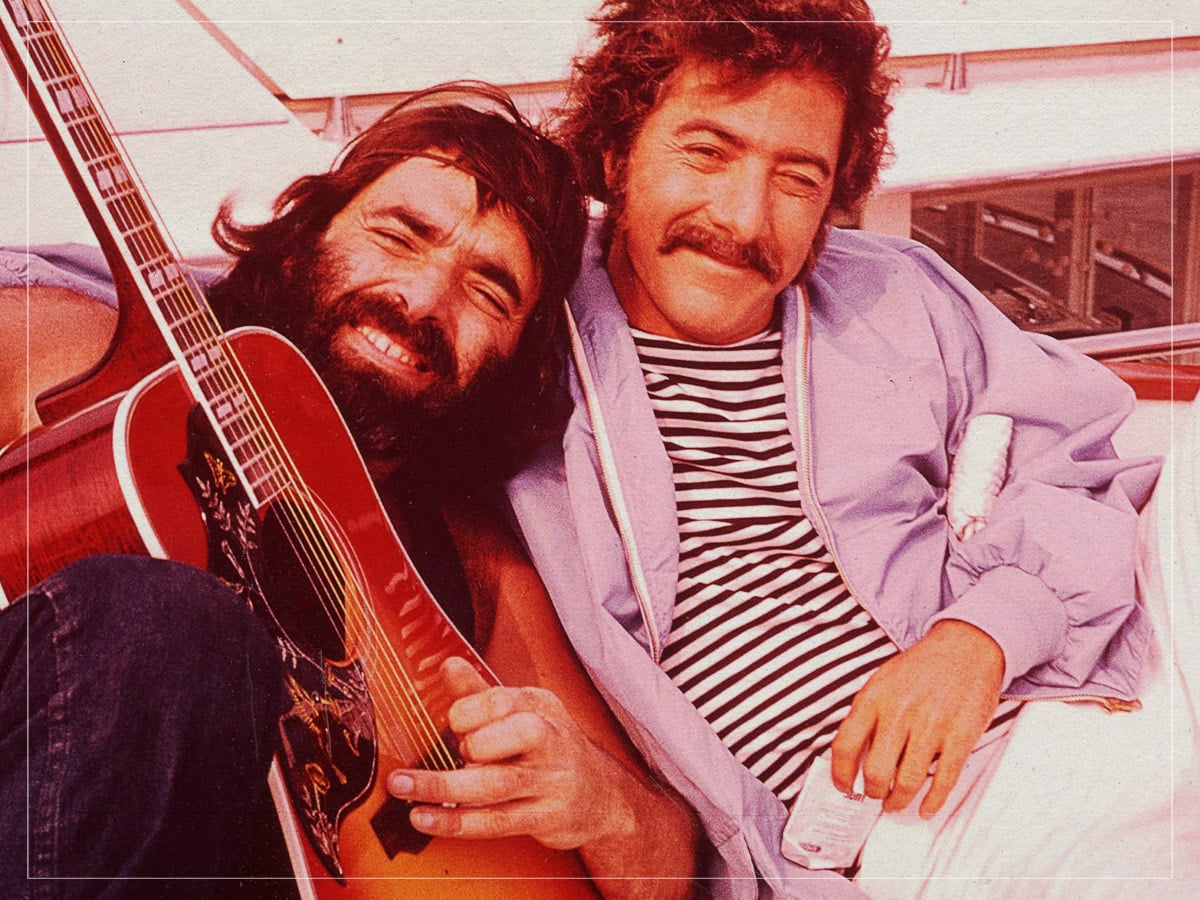
Who Is Harry Kellerman and Why Is He Saying Those Terrible Things About Me? isn’t just a mouthful of a title, but a stream of consciousness film that has no formal structure or legible composition. Dustin Hoffman stars as a troubled rock composer who regularly visits his psychiatrist to discuss his mental health issues, all while dream-like escapades about his wild imagination are visualised. It’s an interesting concept, but the film reeks of pretentiousness and doesn’t make the titular character into someone who is worthy of study.
Even though Barbara Harris ended up earning an Academy Award nomination for her performance, none of the supporting characters is particularly memorable, as the film even manages to waste Jack Warden. When considering that Hoffman was one of the most acclaimed actors of the ‘70s, this was a strange misfire in an otherwise great filmography.
‘Cold Turkey’ (Norman Lear)
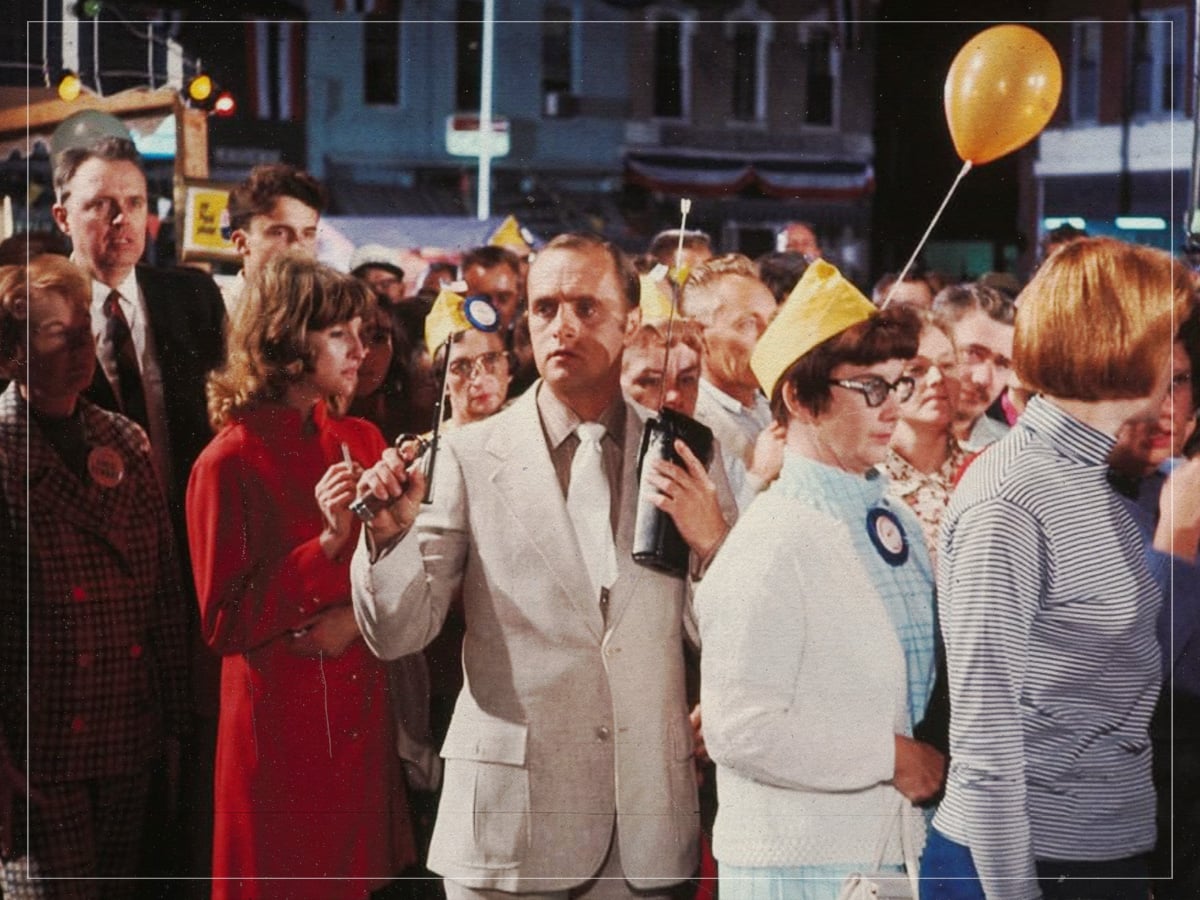
Norman Lear is one of the most influential television creators in history, but Cold Turkey is the only film he ever directed (and it’s not hard to see why). While the film has a great premise centred around a small town that has to give up smoking to receive an endowment, it’s messily packed with obnoxious side characters and strangely serious moments that don’t fit within what is otherwise a straight satire.
While it’s impossible for Dick Van Dyke to not give a great performance, he’s fairly underused in the role of a mischievous priest; although the film could have been a terrific star vehicle for him, Cold Turkey didn’t end up inspiring any sort of enthusiasm. Lear recognised that his talents were much better suited for television, and to his credit, he never considered making another film.
‘Big Jake’ (George Sherman)

John Wayne had already been celebrated as an ‘ageing icon’ when he won the Academy Award for ‘Best Actor’ for True Grit, but he stuck around to make more films in the ‘70s, which steadily declined in quality. Although he did get a proper sendoff in 1976 with his final film, The Shootist, 1971’s Big Jake was as generic a western as possible, and one that the star clearly wasn’t putting his full effort into.
Wayne stars as an ageing gunslinger who has to track down the bandits that kidnapped his grandson, but there’s surprisingly little momentum to a film that is supposedly a thriller. It’s far too long, littered with bad comedy writing, and features familial bonding themes so hoakey that not even a younger, more engaged Wayne would have been able to make them seem plausible.

Never Miss A Tale
The Far Out John Wayne Newsletter
All the latest stories about John Wayne from the independent voice of culture.
Straight to your inbox.