


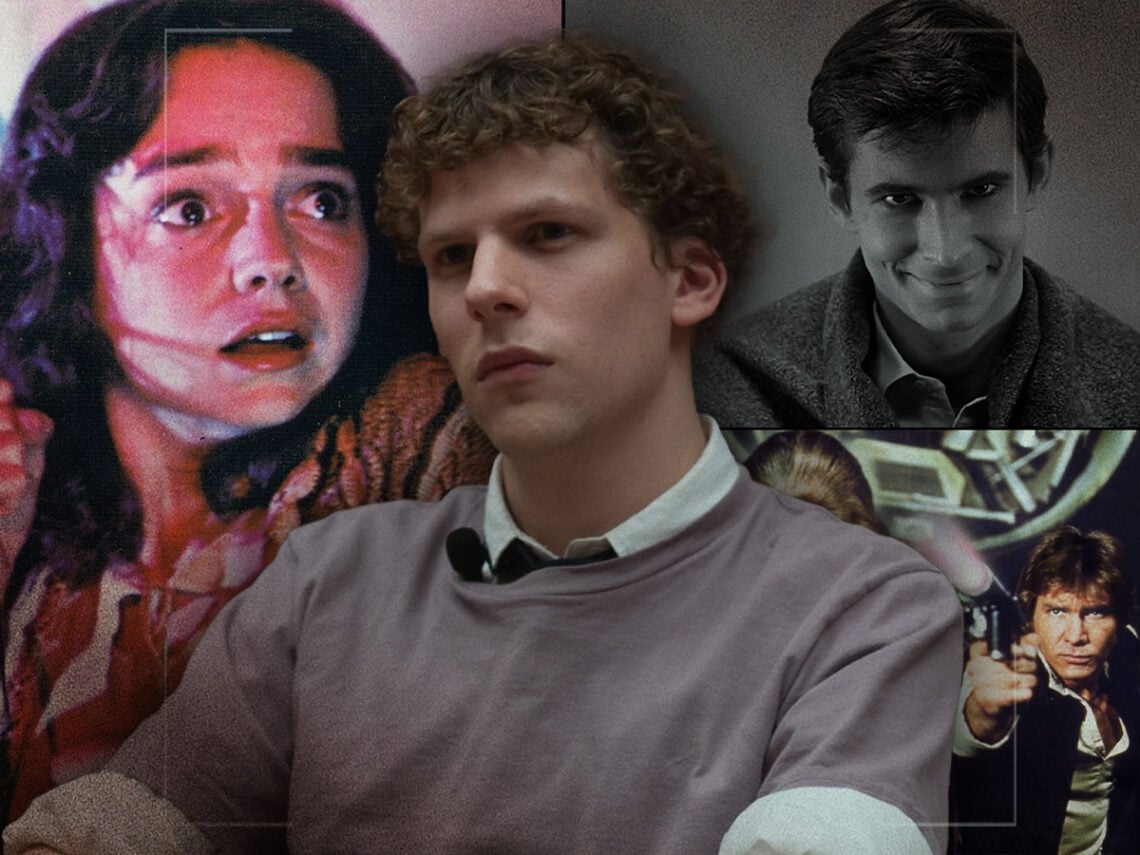
10 movie scores that changed cinema forever

When cinema emerged as the dominant new art form, the use of sound hadn’t quite been figured out yet. So, silent cinema relied on title cards and expressive faces, while public screenings would be accompanied by live music to keep audiences engaged.
But when the dawn of sound cinema finally arrived, original, standardised movie scores could be made, resulting in the emergence of that classic string-heavy Hollywood sound. Yet, every so often, there came a score that seemingly changed everything. Whether it pioneered the use of electronics or brought an entirely new tone to a genre, certain composers just hit the mark and transformed the musical landscape of Hollywood.
There are so many legendary moments to choose from, so to narrow down this list to just ten, we’ve picked only original scores, which means no soundtracks composed of pre-existing tracks (as much as I would’ve loved to have put 2001: A Space Odyssey on this list).
So, from the iconic sounds of big names like John Williams and Hans Zimmer, to the truly transformative early work of composers like Max Steiner and Bernard Herrmann, here are ten soundtracks that altered cinema for good.
10 original movie scores that changed cinema forever:
‘The Social Network’ (David Fincher) by Trent Reznor and Atticus Ross
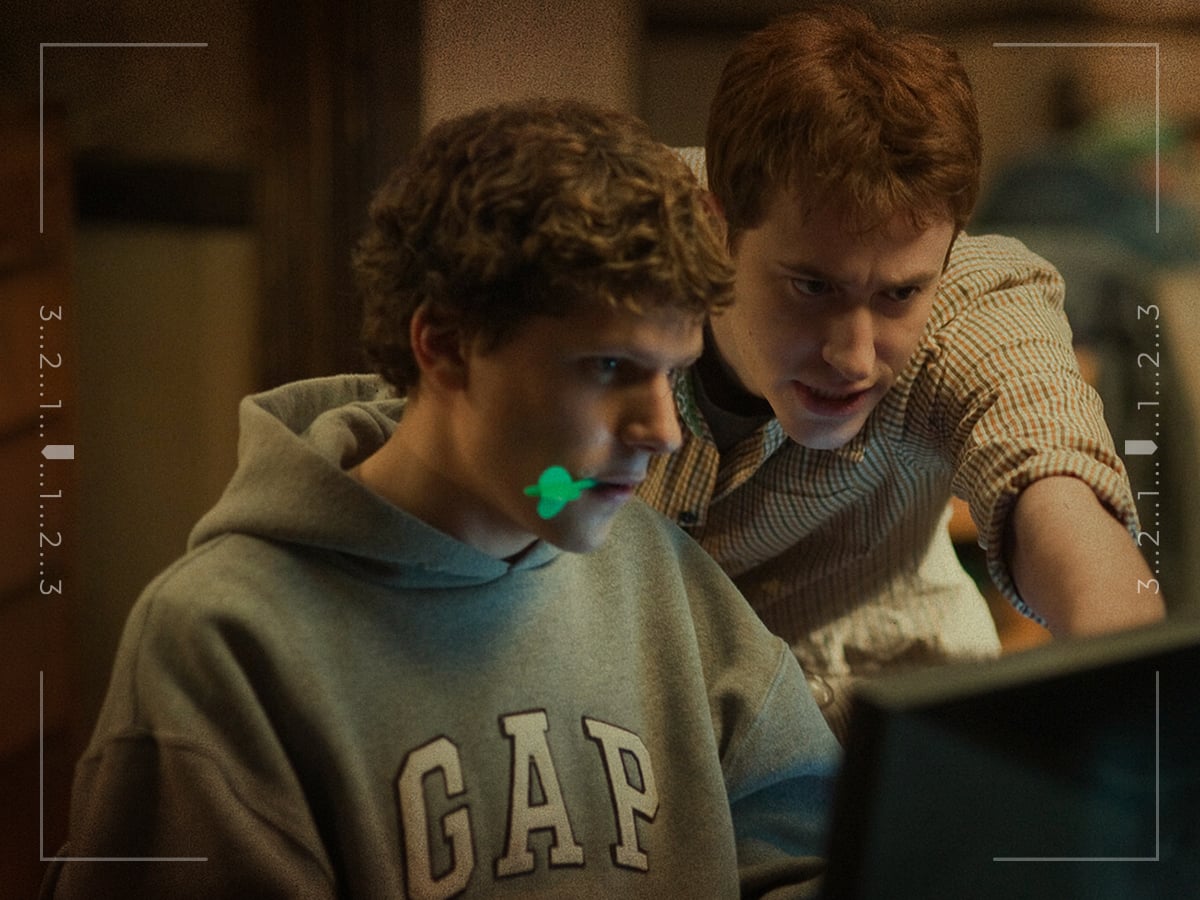
When it comes to modern movie scoring, few are doing it like Trent Reznor and Atticus Ross, who first rose to prominence as members of industrial rock heavyweights Nine Inch Nails. They’ve already won two Oscars for their original scores, redefining the cinematic landscape with their frequent collaborations with David Fincher and, more recently, Luca Guadagnino.
Bringing their interest in electronic and industrial sounds to their compositions, the pair made their first collaboration with Fincher in 2010 with The Social Network, creating a new benchmark by prioritising minimal beats, driving synths, and ambience that really serves to bring an intensity that matches the film’s themes of technology and obsession.
Reznor and Ross’ approach to scoring has made them one of the most impressive composer duos in cinema history, even inspiring stalwart Hollywood legend Hans Zimmer. Reznor told reporters following his Oscar win, “Hans Zimmer, who I’ve been battling at awards shows all year, told me, ‘In a lot of ways, I hope you win because it’s helped open up the field a bit for texture of what film scores can be’. I am truly stunned by this.”
‘The Virgin Suicides’ (Sofia Coppola) by Air
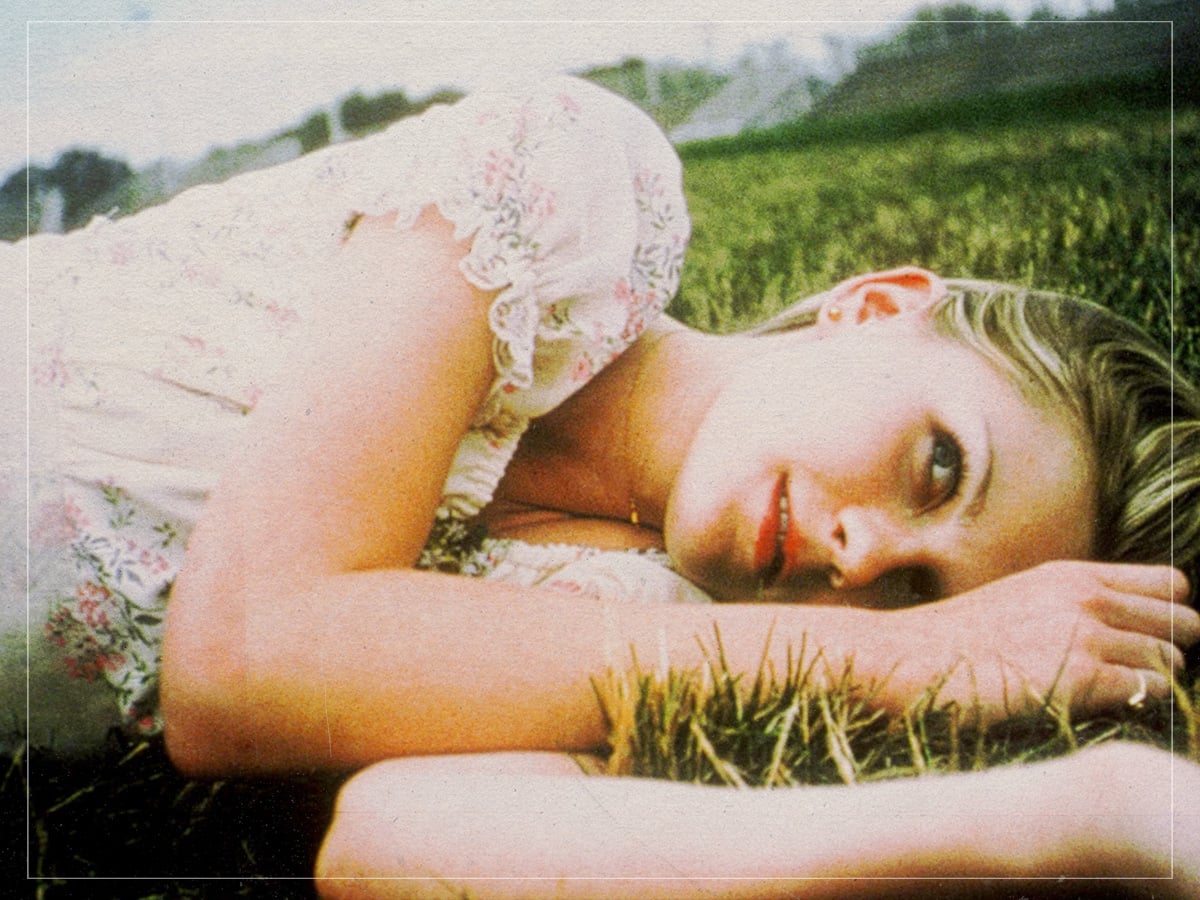
In 1999, Sofia Coppola hired indie electronic duo Air to compose the score for her debut feature, The Virgin Suicides, which was a genius move on her part that helped separate her movie from a traditional ‘orchestral Hollywood score’ sound. Instead, her movie, which revelled in dreamy, melancholic aesthetics, was accompanied by synths that, on first listen, might’ve seemed rather out of place for the movie’s suburban ‘70s setting, where the characters appear to be interested in classic rock music. But it works so well, with Air retreating into this world of daydreaming and fantasy just as well as pulling themselves back out and tapping into a darker reality.
From the gorgeous ‘Playground Love’, the only track with vocals (performed by Gordon Tracks), to the haunting ‘The Word Hurricane’, the score basks in the simultaneous innocence and tragedy of the Lisbon sisters’ short lives. In turn, the score changed the way that many of us viewed the place of music in film. Here, it becomes as vital as Coppola’s storytelling, working perfectly as a standalone album as well as a score.
The score felt like a new era for soundtracks, especially in the landscape of indie filmmaking. In a cinematic world defined by Hans Zimmer and John Williams, Air presented a more than welcome alternative, and many bands subsequently followed in their footsteps.
‘The Lion King’ (Rob Minkoff, Roger Allers) by Hans Zimmer
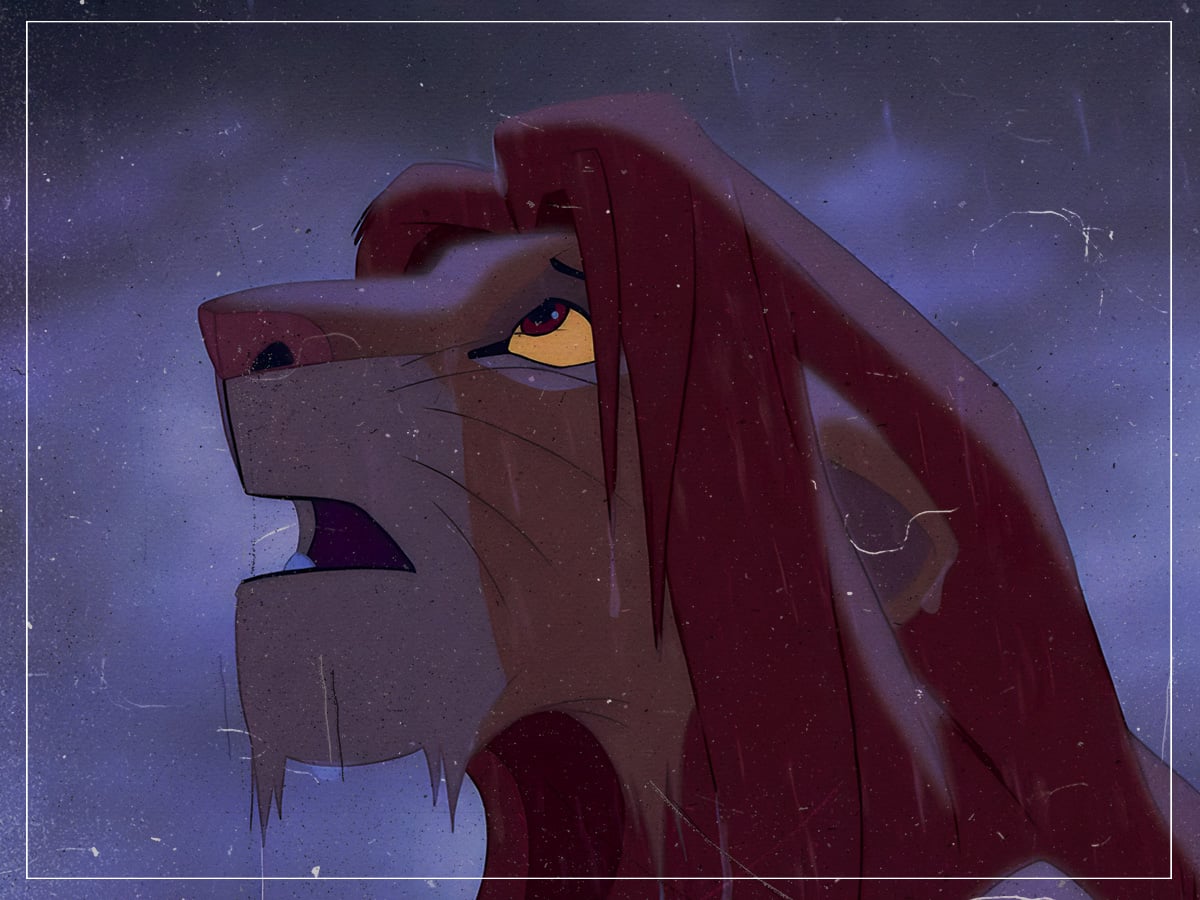
The Lion King became one of Disney’s biggest hits when it was released in 1994, with a soundtrack featuring original songs by Elton John, like ‘Can You Feel the Love Tonight’ and ‘Circle of Life’. But it was the score of instrumental tracks courtesy of Hans Zimmer that proved to be pretty game-changing. It’s not like Disney movies hadn’t featured any impressive orchestral scores before, but Zimmer’s brought an emotional intensity to the project that paved the way for future animated movies.
The work that Zimmer did on The Lion King was pretty staggering, considering that he wasn’t even interested in scoring a children’s movie at first, only coming round to the idea when he realised he could take his six-year-old daughter to the premiere. Yet, when it came to composing the piece for Mufasa’s death, Zimmer channelled his own grief for his late father, creating an incredibly moving requiem.
What made Zimmer’s score so special was its authenticity, with the composer bringing in South African musician and composer Lebo M as a vital collaborator, who both wrote and sang the Zulu chants that appear in the film.
‘The Godfather’ (Francis Ford Coppola) by Nino Rota
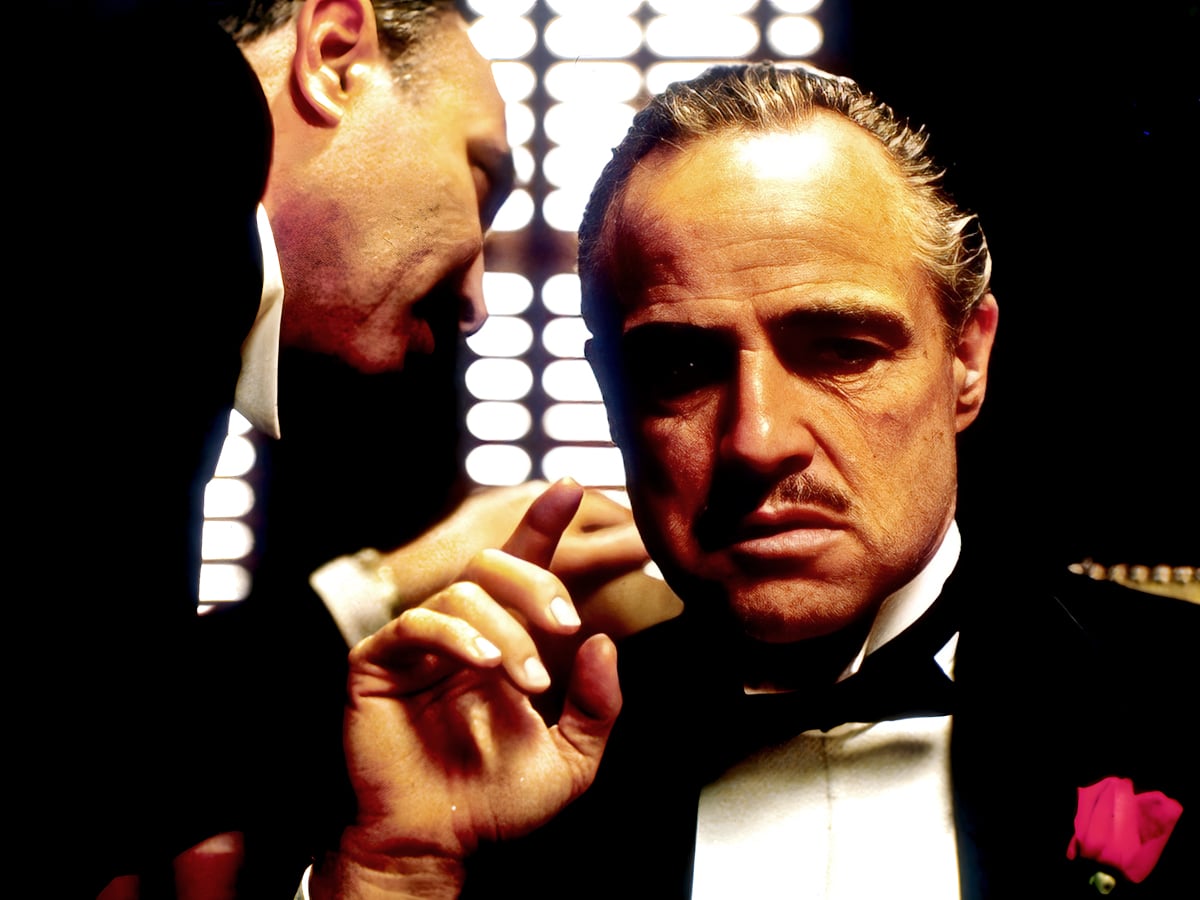
Francis Ford Coppola made a massive impact on the mafia genre when he released his 1972 film The Godfather, which soon became one of the most acclaimed movies of all time. But besides its powerhouse performances and revolutionary depiction of gangsters and organised crime, the film also featured a pretty iconic score from Italian composer Nino Rota. He brought something entirely new to the genre that emphasised the real tragedy at the heart of the film, using wistful, nostalgic Italian-influenced strings.
The main title is haunting in its simplicity, with its romantic strings, which make way for a darker, more mournful turn that eventually rounds out with a more contemplative sound. Then you’ve got ‘Love Theme’ and ‘The Godfather Finale’, which are emotive, melancholic, and reflective.
For a movie that became such a box-office success, having such complex and emotional pieces of music forming the basis of its score was really quite revolutionary. Rota’s score totally changed people’s perception of the crime genre, bringing a stirring and deeply expressive sound to a movie that was so much more than violence; it was about family and, ultimately, corruption, power and tragedy.
‘Forbidden Planet’ (Fred M Wilcox) by Louis and Bebe Barron
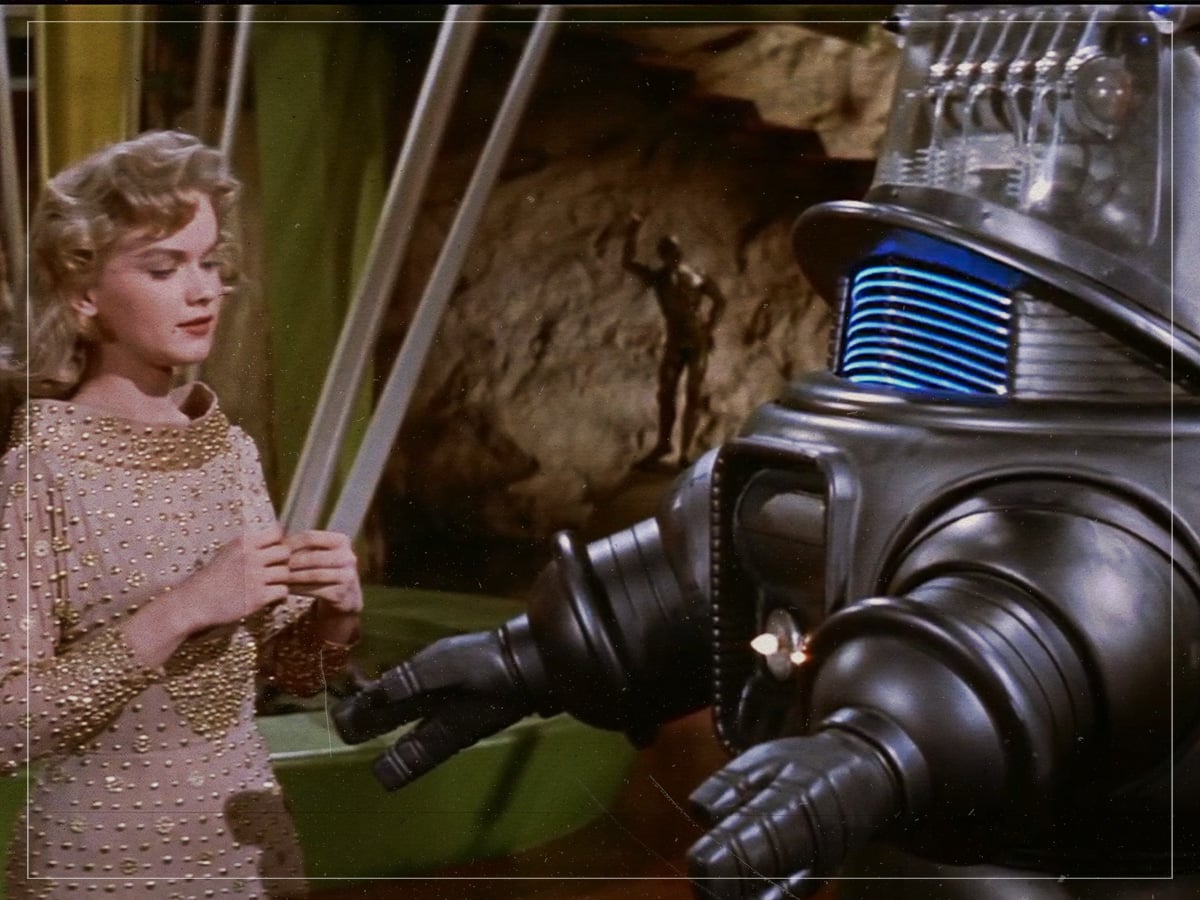
Electronic film scores have become integral to genres like sci-fi and horror, especially those with a cyberpunk or futuristic edge, and we can thank pioneering electronic musicians (and couple) Louis and Bebe Barron for this, who crafted the first-ever entirely electronic score when they were employed to provide the music for Forbidden Planet in 1956. The iconic science-fiction film stood out from others in the genre, not least because of its incredible score, which the pair created by taking inspiration from the book Cybernetics: Or Control and Communication in the Animal and the Machine.
When you listen to the groundbreaking main title track, it’s hard to believe you’re listening to something 70 years old, because it still sounds so fresh. Experimental and, quite frankly, incredibly unnerving (just listen to how the synths accelerate and threaten to assault you in ‘Deceleration’), the score truly paved the way for that specific electronic sci-fi sound that we all recognise instantly.
Bebe once reflected on the monumental reception to the era-defining score in an interview with Jane Brockman, saying, “It was so effective; they played it stereophonically [at the preview screening], which they never did in those days. Then there was the landing of the spaceship. That was one of the best cues in the picture, and the audience broke into spontaneous applause.”
‘Suspiria’ (Dario Argento) by Goblin
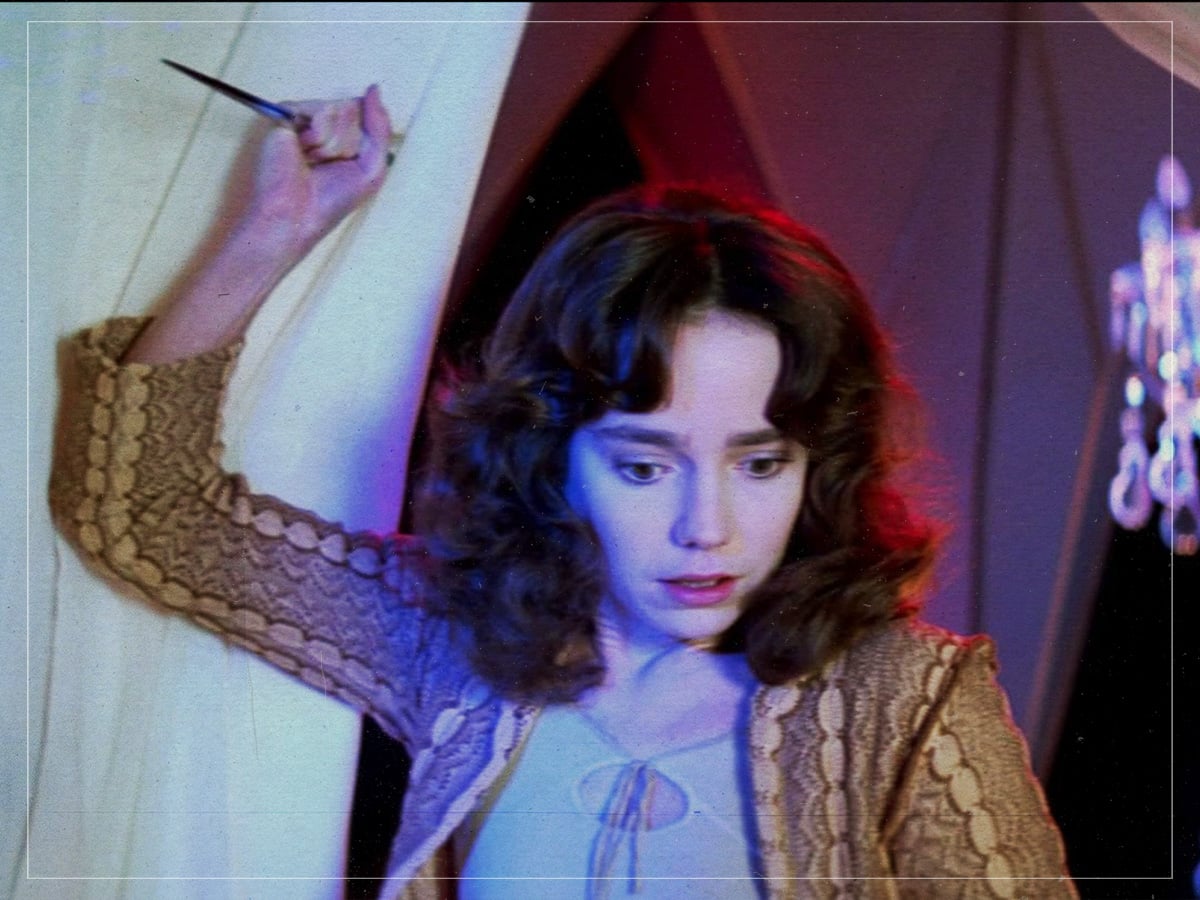
Horror movie soundtracks were never the same once Goblin got in the studio to make the soundtrack for Suspiria, Dario Argento’s brightly-coloured foray into the depths of dance, witchcraft, and bloodshed. The prog-rockers brought something so unique to Suspiria, with twinkling synths welcoming a Goblin-esque mumble of sounds, a repetitive beat creating a disorientating atmosphere on its titular theme.
But their genius doesn’t stop there; there’s something so horrifying about ‘Witch’, with its deranged screams, militaristic beat, and whirring synths, which feel like a moment of reckoning. Some tracks lean into much stranger territory, less ‘scary’ but equally as bizarre, like you’ve entered into some odd fever dream where a prog band have suddenly materialised in front of you while you’re meeting your doom.
“[Argento] said he wanted it to sound like a bad, bad fairytale,” Goblin’s Maurizio Guarini told The Guardian, and that synth sound has come to shape so many horror movies since, inspiring everyone from John Carpenter (Halloween) to Disasterpeace (It Follows).
‘The Good, the Bad and the Ugly’ (Sergio Leone) by Ennio Morricone
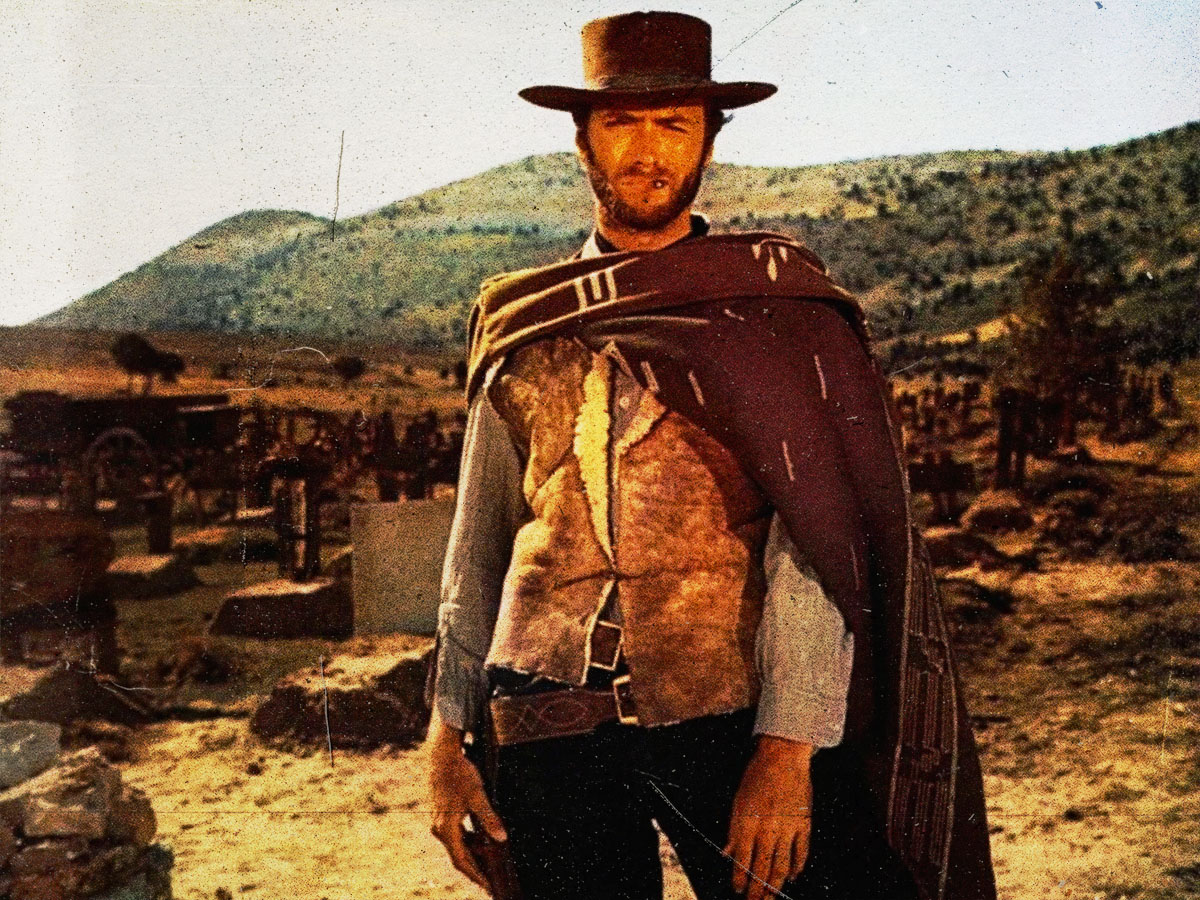
The sparse, whistling titular track of Sergio Leone’s The Good, the Bad and the Ugly, composed by Ennio Morricone, sends shivers down your spine. With its mesmeric guitars, chanting, horns and “wah-wah-wah”, you just can’t mistake it. Not only did Morricone make the quintessential western sound that we now associate with the genre, thanks to the theme song, but he also made some pretty suspenseful and equally iconic pieces for the film, like ‘The Ecstasy of Gold’ and ‘The Trio’.
The latter two appear in the showdown at the end of the movie, and those tension-filled guitars and strings truly lift the scene to the greatest heights imaginable. It’s Quentin Tarantino’s favourite movie, with the director once explaining how the score pulls it all together.
He said, “The music builds to the giant orchestra crescendo, and when it gets to the first big explosion of the theme, there’s a wide shot of the bullring. After you’ve seen all the little shots of the guys getting into position, you suddenly see the whole wideness of the bullring and all the graves around them. It’s my favourite shot in the movie, but I’ll even say it’s my favourite cut in the history of movies.”
‘Star Wars’ (George Lucas) / ‘Jaws’ (Steven Spielberg) by John Williams
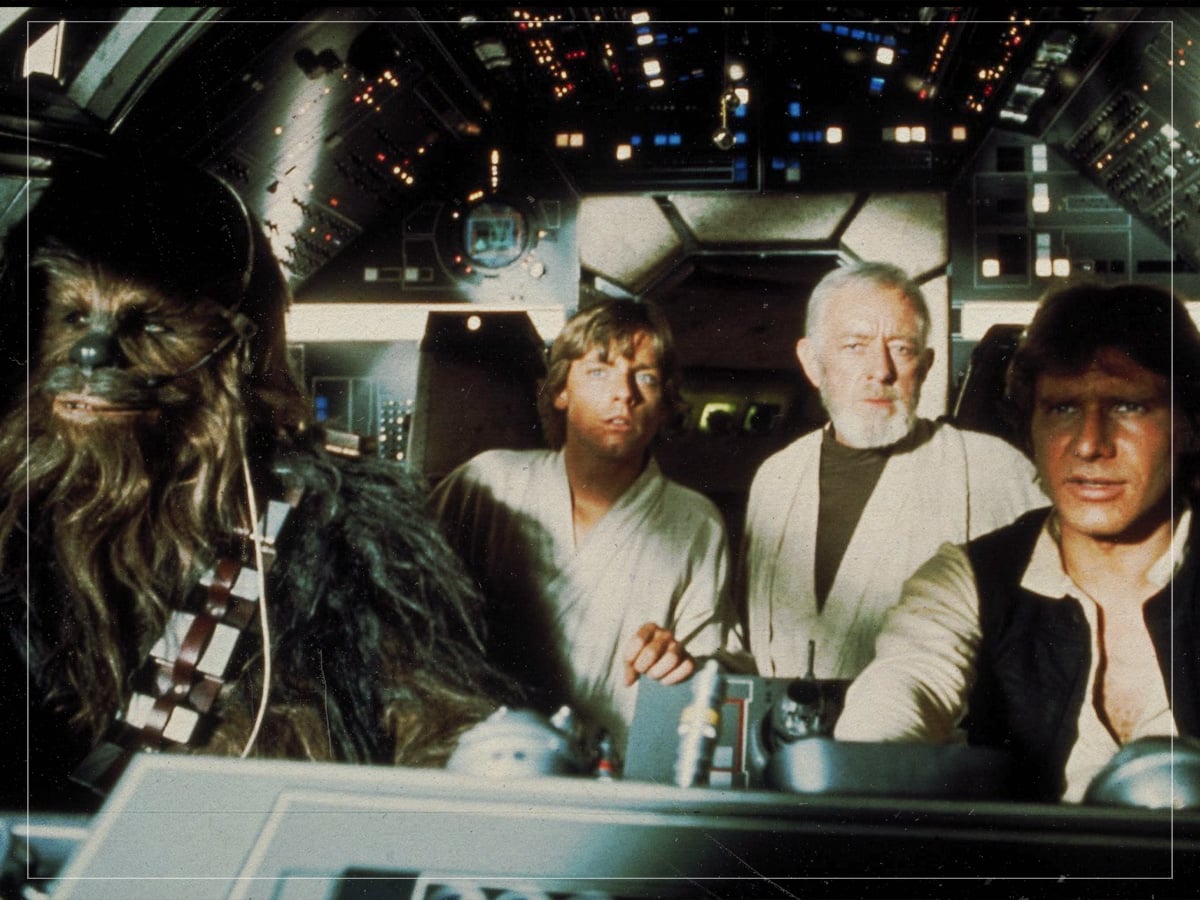
I might be cheating here, but it’s hard to narrow down just one John Williams score when it comes to picking his most influential. He has made so many recognisable scores over the years, from Indiana Jones to Jurassic Park, but it was his two ‘70s classics, Steven Spielberg’s Jaws and George Lucas’ Star Wars, that paved the way for modern Hollywood scoring. Williams was clearly on a roll, knowing exactly what was needed to create epic musical accompaniments that left audiences unable to shake certain leitmotifs and melodies from their heads.
With Jaws, Williams made one of the most iconic suspense-laden pieces of music that has endured as a shared collective cinematic memory for multiple generations. Everyone knows the shark theme, with Spielberg even claiming that the movie wouldn’t have had the same impact if not for Williams’ genius score. Then there’s Star Wars, which, again, everyone knows and can surely appreciate for its epic scope, even if you’re not a fan of the movie.
Spielberg summed up Williams’ influence the best, saying, “Without John Williams, bikes don’t really fly, nor do brooms in Quidditch matches, nor do men in red capes. There is no Force, dinosaurs do not walk the Earth, we do not wonder, we do not weep, we do not believe.”
‘King Kong’ (Merian C Cooper, Ernest B Schoedsack) by Max Steiner
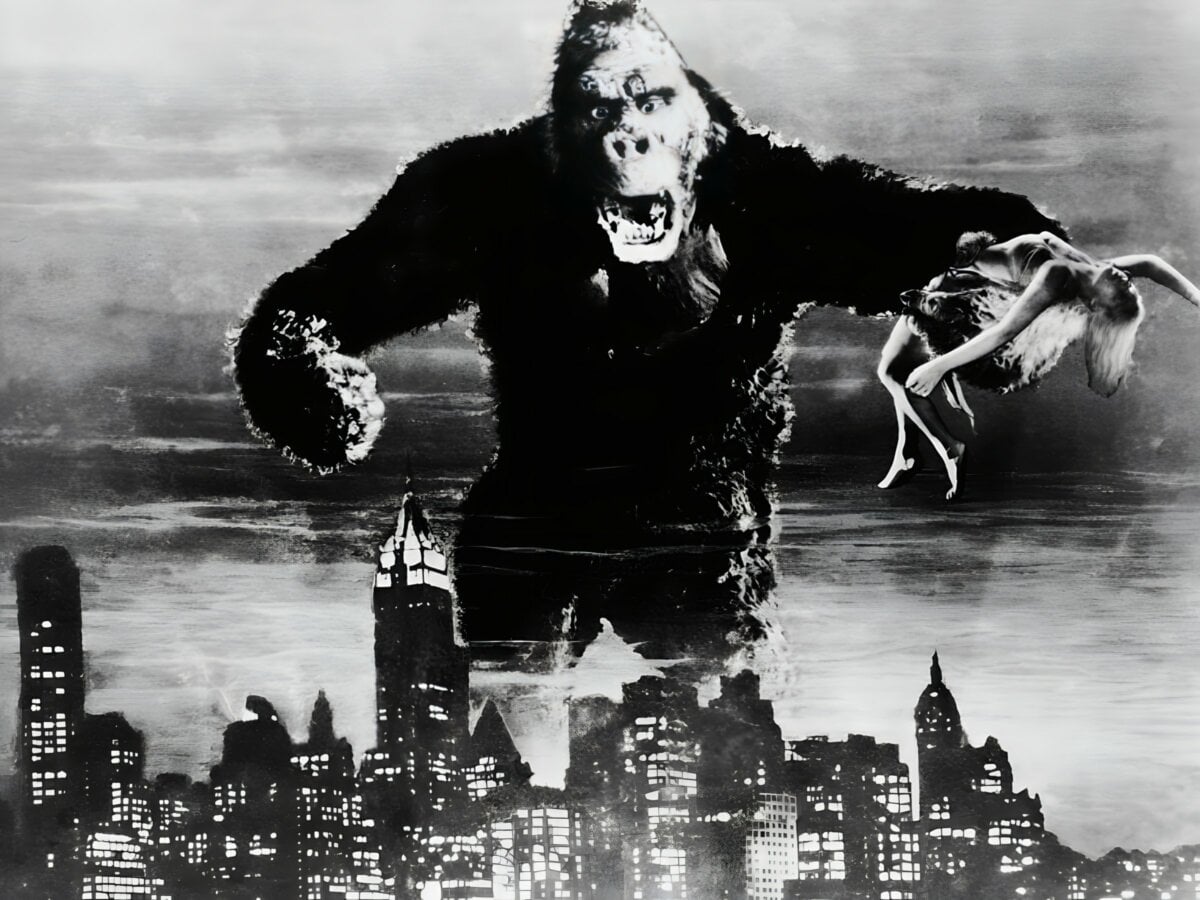
When cinema transitioned to sound, there became a need for original scores, and this was a whole new territory for Hollywood, because while silent films were often screened with a live musical accompaniment, it wasn’t always the case that a movie would come with an original score for an orchestra (or simply a pianist) to play. But when Max Steiner made an original score for 1933’s King Kong, everything changed.
King Kong is widely considered to be the first proper original Hollywood score, and you only have to listen to the main title piece to understand how influential it is. With sweeping exuberance, the score is filled with plenty of drama and beauty, reflecting the terror of King Kong towering over the city while also leaning into the film’s more tender moments.
It brought real emotion to a movie that used a rather obviously fake-looking gorilla as its villain, subsequently creating a huge spectacle that would set a benchmark for Hollywood movies to come.
‘Psycho’ (Alfred Hitchcock) by Bernard Herrmann

Alfred Hitchcock’s frequent collaborator Bernard Herrmann made one of the greatest and most iconic scores of all time when he was given the job of creating the music for Psycho. The film was shot on a much more limited budget than Hitchcock would usually be granted, so Herrmann accepted a smaller fee than usual. He decided to get creative as a result, and he composed the score using only string instruments, arguably leading to the most famous piece of film music of all time, which, of course, plays during the infamous murder scene.
Those stabbing strings are the perfect accompaniment, but Hitchcock initially wanted to keep the scene silent. Herrmann had the bold idea to make a piece of music that truly replicated the sensation of a knife striking, and when it was done, Hitchcock knew that it had to be used; it was just too good. Horror soundtracks have never been the same since, and the score has even influenced a diverse range of musicians, too.
Producer and composer Michael Vincent Waller (via BBC) said, “The Psycho music is a reference whenever you want to build tension, and it’s clear John Williams was inspired by Psycho for his stalker-ish bass notes for Jaws. Whenever you hear creepy violins in a horror movie, or feel like a film score has become its own character, then that can all be traced back to Psycho.”
