


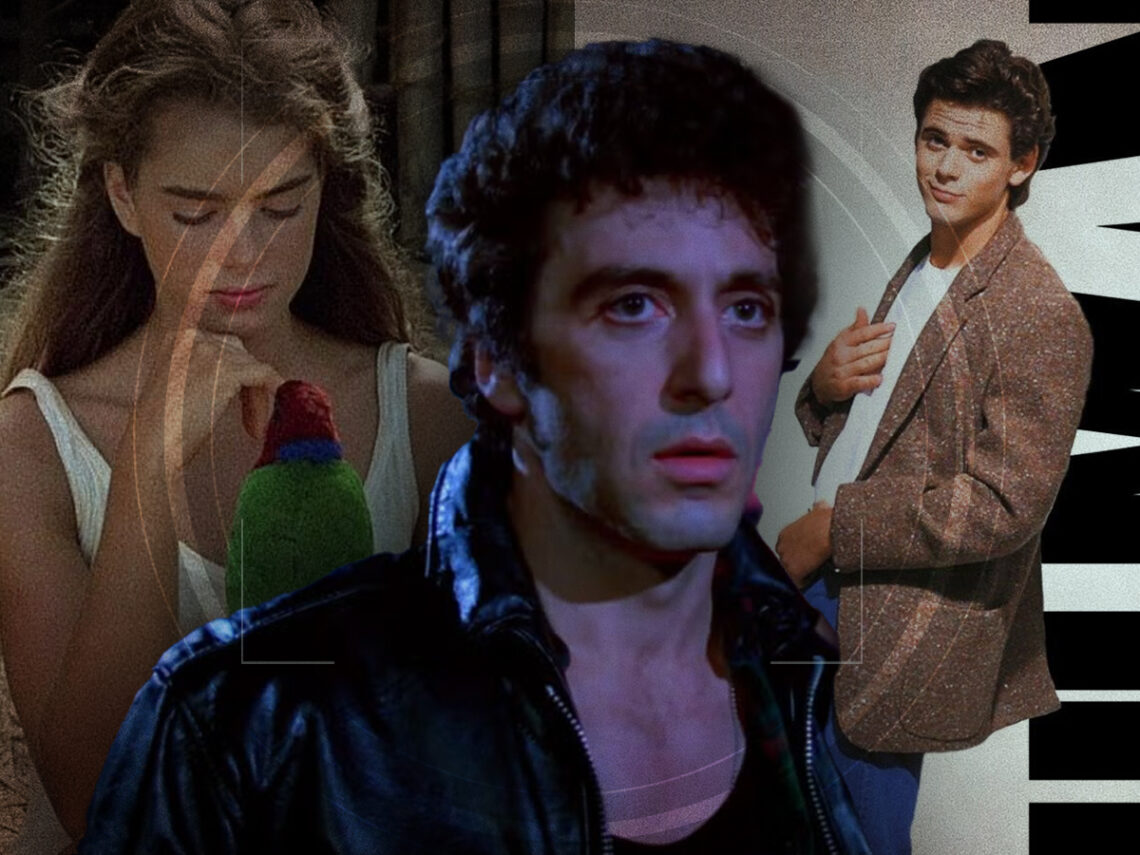
The 10 most problematic movie characters of the 1980s

Contrary to the cynical belief held by some cinephiles, the 1980s were a rather extraordinary decade for film.
While some might see it as the death of the New Hollywood era of the 1970s, the ‘80s saw a resurgence in studio films that were both commercially successful and artistically satisfying. Great directors like the Coen brothers, Michael Mann, Steven Soderbergh, Spike Lee, Pedro Almodóvar, James Cameron, and Kathryn Bigelow all had their debuts, and the blockbusters they released truly had a seismic impact in their creation of a monoculture.
It’s easy to blame Steven Spielberg and George Lucas for creating a blockbuster model that every studio would attempt to replicate, but the industry of today would be lucky to have summer films that are as great as Raiders of the Lost Ark, Die Hard, The Empire Strikes Back, Back to the Future, and Ghostbusters.
It’s perhaps because of the overwhelmingly warm feelings that many people have about ‘80s films that it becomes more notable when some films don’t age well. As much as there is a desire to share the films of the ‘80s with a younger generation, it can be shocking to see what some studios were able to get away with. In some situations, good intentions were obscured by poor execution, but there are other instances in which plain-old offensive content was distributed without being called out.
To say that it was a decade filled with highs and lows would be putting it mildly.
The 10 most problematic movie characters of the 1980s:
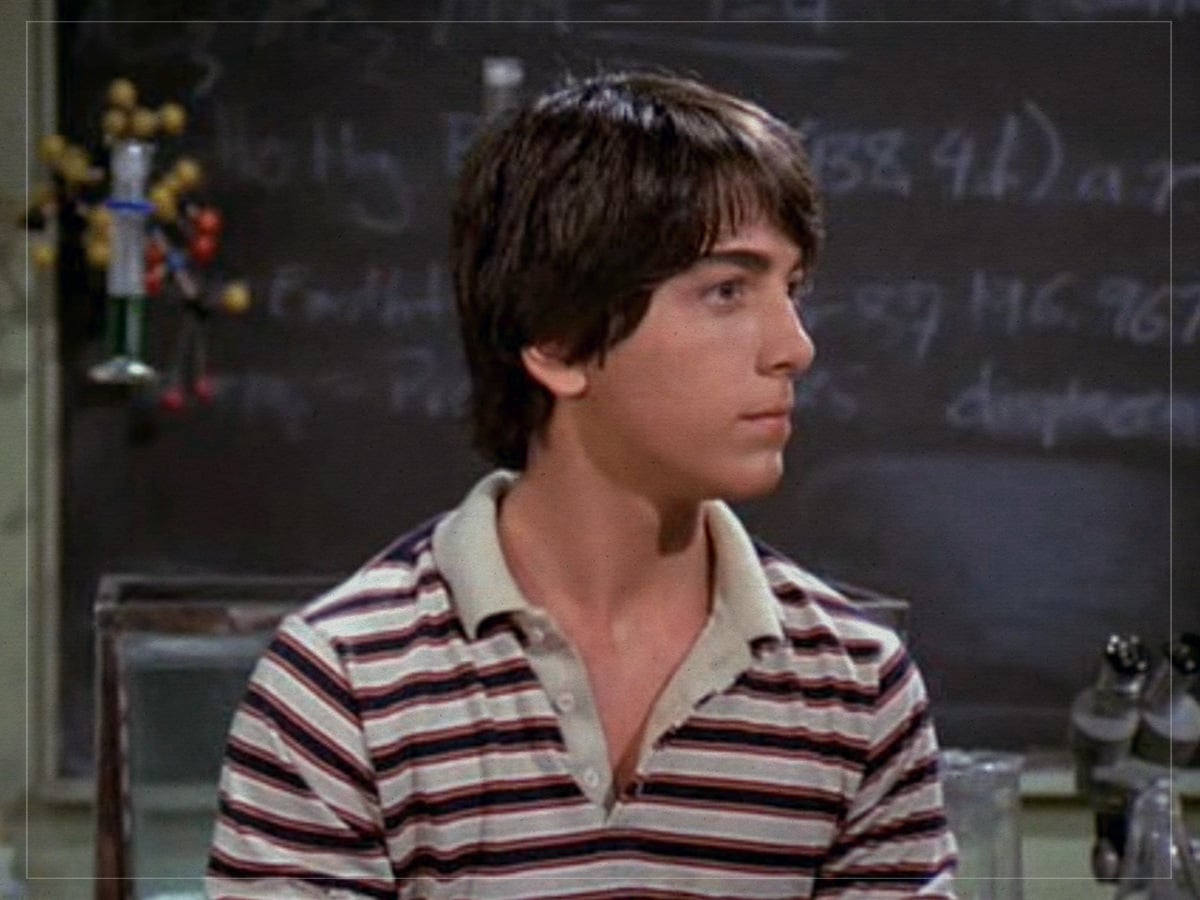
Scott Baio as Barney Springboro – ‘Zapped!’ (Robert Rosenthal, 1982)
Teenage sex comedy films had their inception in the ‘80s, as films like Fast Times at Ridgemont High and Porky’s offered a slightly more salacious twist on the standard coming-of-age genre. While some would call out Weird Science for creating a female character that epitomises a teenage boy’s fantasy, that film is at least willing to call out the ignorance of its characters by showing them the consequences of their actions.
In comparison, Zapped! is a morally reprehensible film in which Scott Baio’s character, Barney Springboro, uses telekinetic powers to harass and embarrass the girls at his school. There’s no moral lesson or emotional reckoning to be found, as Zapped! has its mind in the gutter and doesn’t offer anything substantial. That Baio has become an even more toxic figure in the years that followed doesn’t make it any better.
Ron Leibman as Freddie Ego – ‘Rhinestone’ (Bob Clark, 1984)
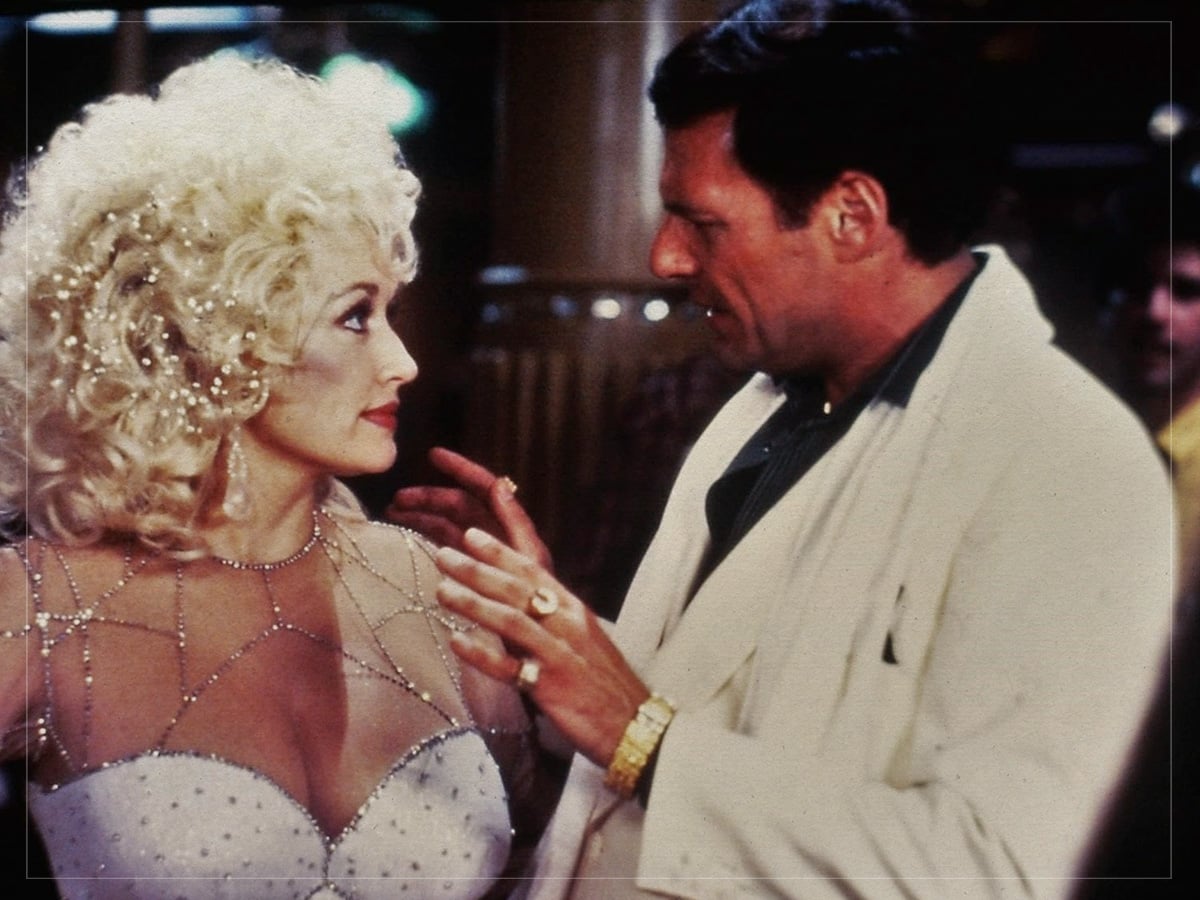
Sylvester Stallone has made a lot of bad ‘80s films that don’t hold up, but for the most part, his action thrillers can at least be enjoyed as guilty pleasures. The same grace cannot be extended to his comedies, and Rhinestone is both painfully unfunny and nonsensical in its plotting. Dolly Parton plays a country singer who convinces the nightclub manager, Freddie Ego (Ron Leibman), that she can turn a New York taxicab driver (played by Stallone) into a singer; if she fails, she has to sleep with Freddie.
It’s a disturbing premise for what is already a classless depiction of country music that resorts to all of the worst clichés… Stallone’s singing is almost unbearable to listen to, but he can rest assured that he’s not even the worst part of the film, given how poorly everything involving Freddie has aged.
Brooke Shields as Emmeline Lestrange – ‘The Blue Lagoon’ (Randal Kleiser, 1980)

Brooke Shields was 14-years-old when she was cast as Emmeline Lestrange in The Blue Lagoon, an erotic drama about two teenagers who are stranded on a beach after a shipwreck, leading them to grow up and experience puberty together, and although Shields had dealt with harassment and sexualisation for nearly her entire career, The Blue Lagoon was specifically marketed on the promise of seeing her character’s burgeoning sexuality.
Shields had previously played a child prostitute in the arthouse drama Pretty Baby, which debuted at the Cannes Film Festival, but The Blue Lagoon was treated as a mainstream release and became one of the ten highest-grossing films of 1980… The fact that such exploitative sexualisation of a child was accepted as being a popular culture phenomenon is one of the ugliest aspects of ‘80s film culture.
Robert Carradine as Lewis Skolnick – ‘Revenge of the Nerds’ (Jeff Kanew, 1984)
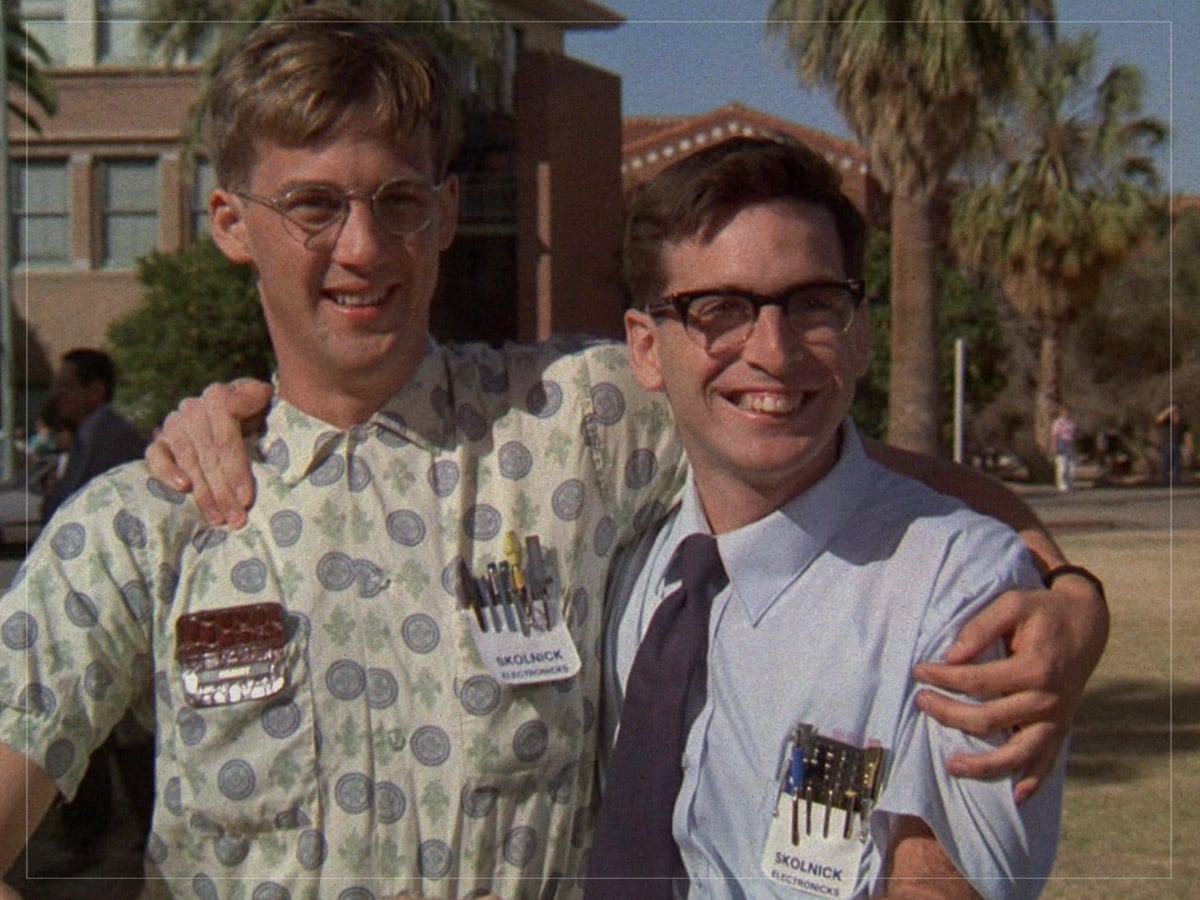
While the film’s cast is still remembered fondly, Revenge of the Nerds has become so remembered for the controversy that ensued that it’s hard to mention it in any other context… A scene in the film involves the “nerd” Lewis Skolnick (Robert Carradine) disguising himself as the popular kid Stan Gable (Ted McGinley) to have sexual intercourse with his girlfriend Betty (Julia Montgomery) in an act of rape by deception.
It’s a scene played for laughs that indicates that the film’s writers and director did not understand how disturbing the implication was, especially since Lewis is supposed to be the film’s hero.. In hindsight, the film’s premise that the “nerds” have to retaliate after being subjugated has become completely irrelevant within the Internet era, given that it is the self-professed “nerds” who are responsible for bullying, harassment, and review bombing campaigns.
Richard Pryron as Jack Brown – ‘The Toy’ (Richard Donner, 1982)
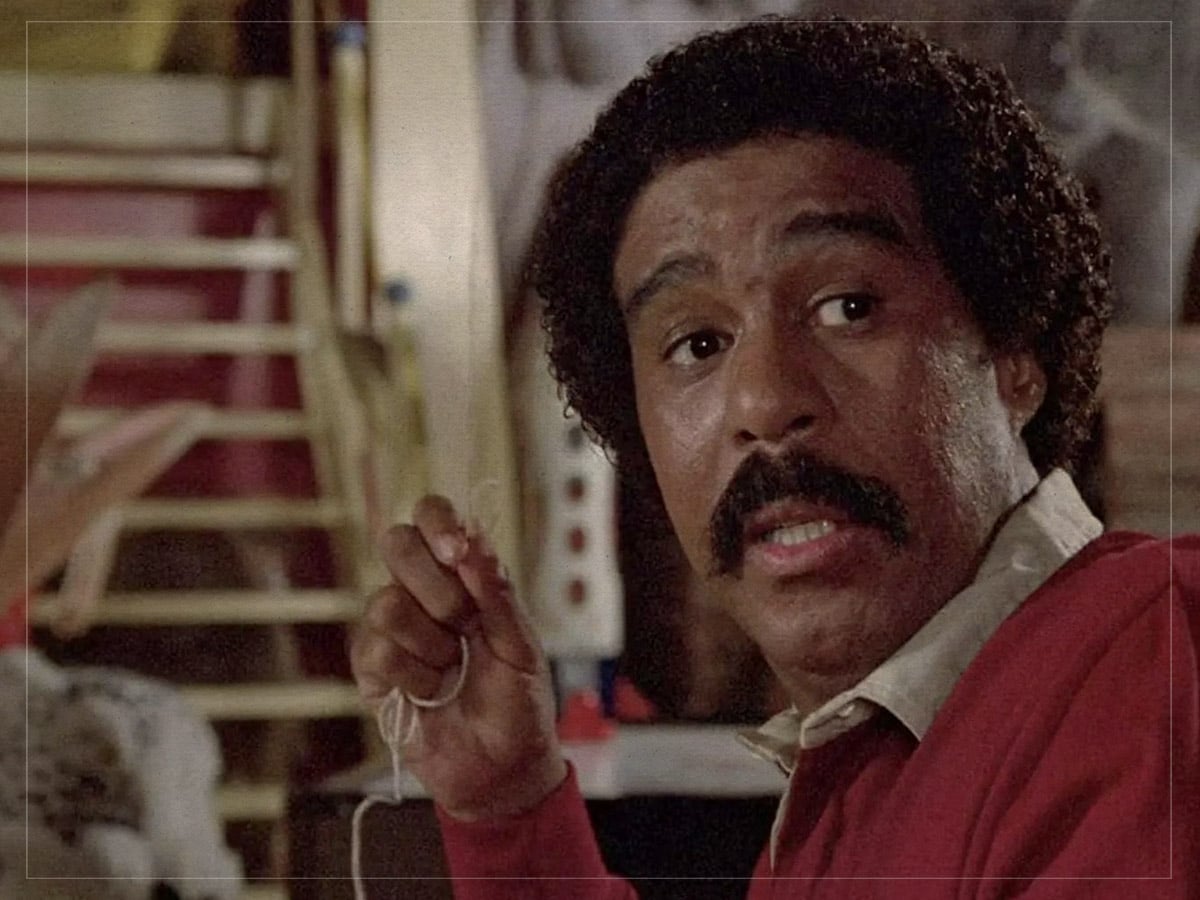
It sometimes takes a true cinematic genius to make a film that misses the mark in every way imaginable, which might be why a director as talented as the late Richard Donner was responsible for The Toy. Donner was fresh off being fired from Superman II when he made this comedy film in which a department store businessman (Jackie Gleason) hires a janitor (Richard Pryor) to act as a “toy” for his young son (Scott Schwartz).
It’s a comedy about slavery that doesn’t do itself any favours by constantly treating the film’s only prominent Black actor as the butt of a joke. While there are many ‘80s films that were inadvertently offensive because of the ways in which they gave stereotypical roles to Black actors, it’s hard to defend anyone’s intentions with The Toy, which should never have been made to begin with.
Fisher Stevens as Benjamin Jahrvi – ‘Short Circuit 2’ (Kenneth Johnson, 1988)
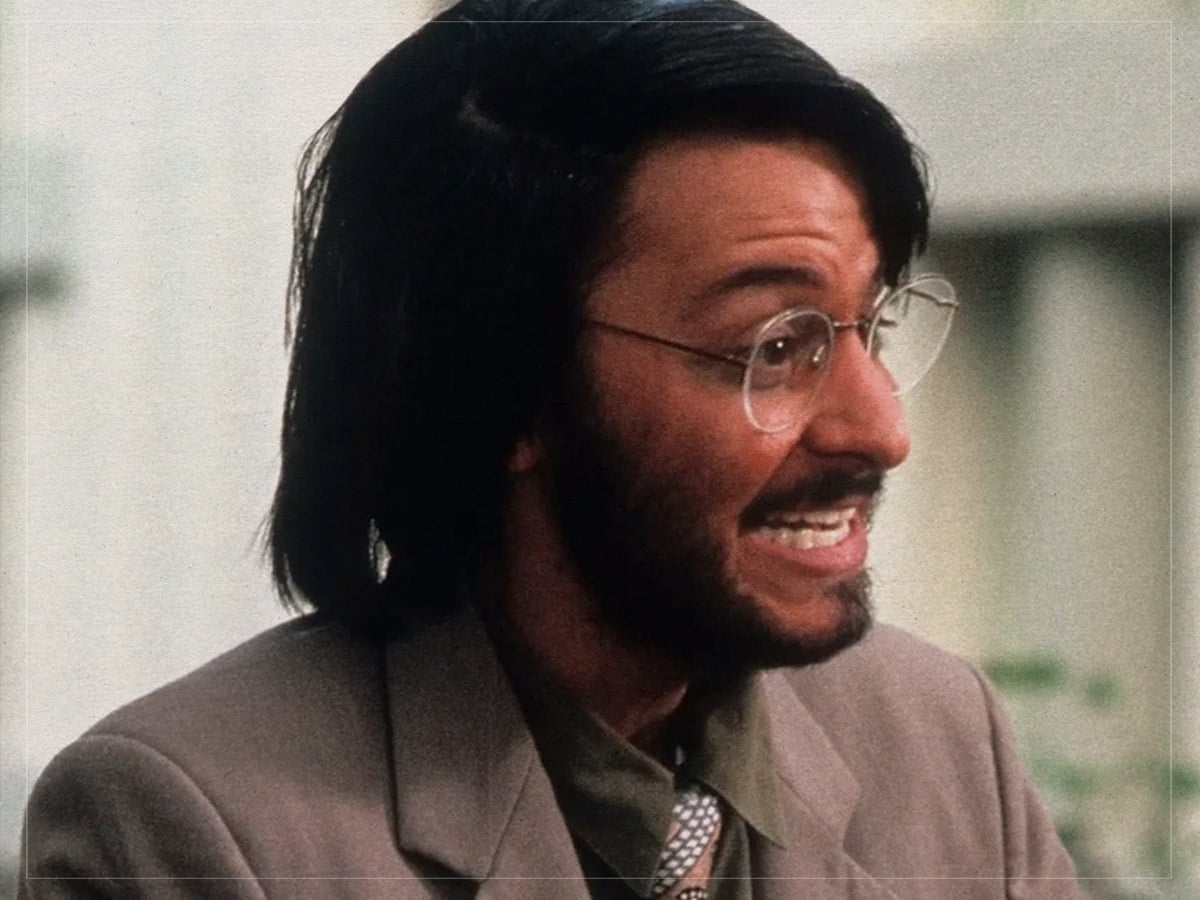
As much as Hollywood would like to pretend that the most racially offensive stereotypes were out of fashion by the dawn of the sound era, the industry was still hiring white actors in brownface at the tail end of the ‘80s… Short Circuit 2 memorably featured the actor Fisher Stevens as Benjamin Jahrvi, an Indian inventor who is responsible for creating robots.
Stevens went on to have a prominent career as a director and an actor on HBO’s Succession, and has offered his apologies during the film’s 35th anniversary – nonetheless, the effect of seeing an Indian character played by a white actor was fairly impactful, given that it was in a children’s film; the portrayal even inspired the Indian actor and comedian Aziz Ansari to pen an essay for The New Yorker about his experiences watching Short Circuit 2 as a child.
Gedde Watanabe as Long Duk Dong – ‘Sixteen Candles’ (John Hughes, 1984)
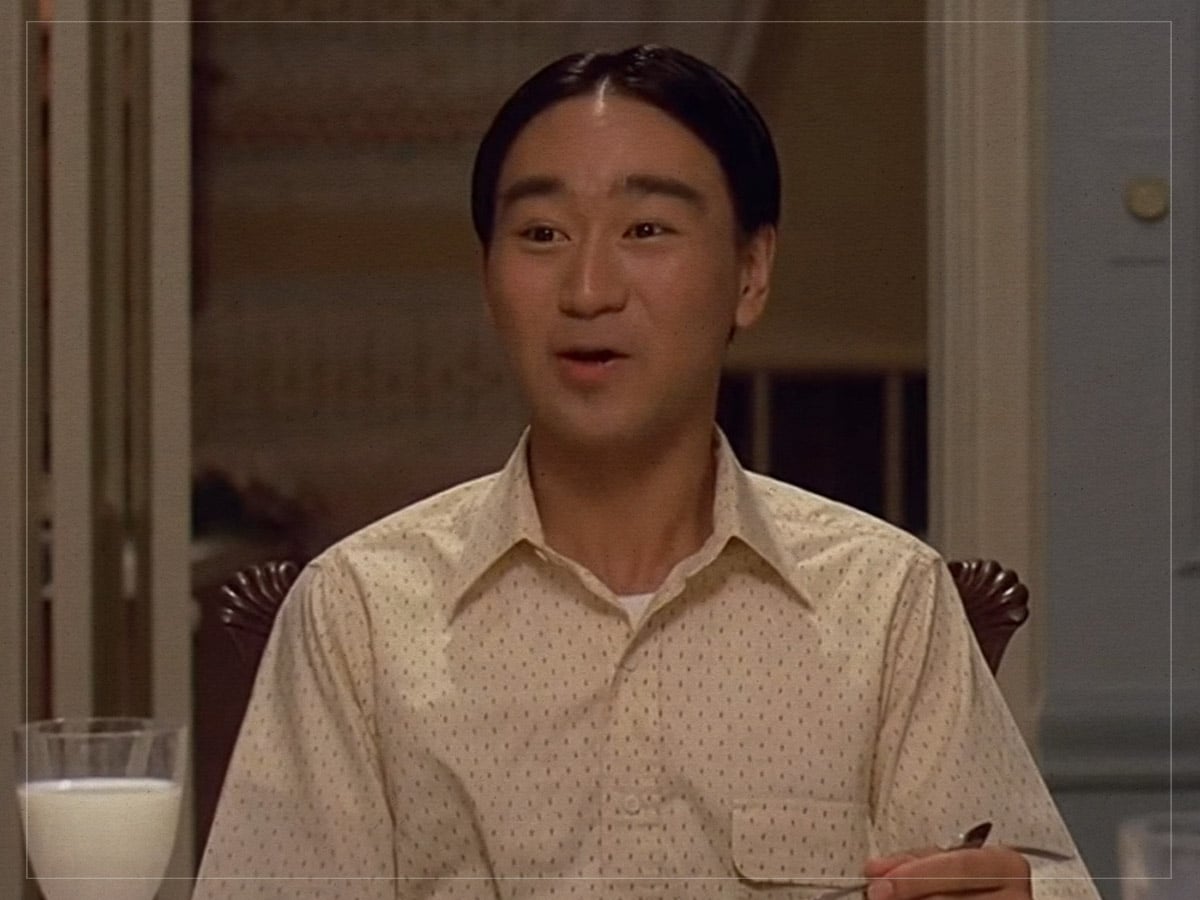
John Hughes has taken some unnecessary criticism for the portrayals in some of his high school films, as his writing was a lot more progressive than it has been given credit for. However, there isn’t any reasonable defence for the character of Long Duk Dong, a Chinese foreign exchange student played by Gedde Watanabe in Sixteen Candles.
Dong is brought in to stay with the family of Samantha (Molly Ringwald), and is depicted as being an offensive asian stereotype in every way; his accent is thick to the point of absurdity, he’s obsessed with sex, he is enamoured with American culture, and he acts in an obnoxious manner that embarrasses Samantha. It’s a character that the audience is laughing at, not with, and has been appropriately criticised by contemporary Asian-American culturists and scholars as helping to penetrate bullying and casually racist ideas.
Al Pacino as Detective Steve Burns – ‘Cruising’ (William Friedkin, 1980)
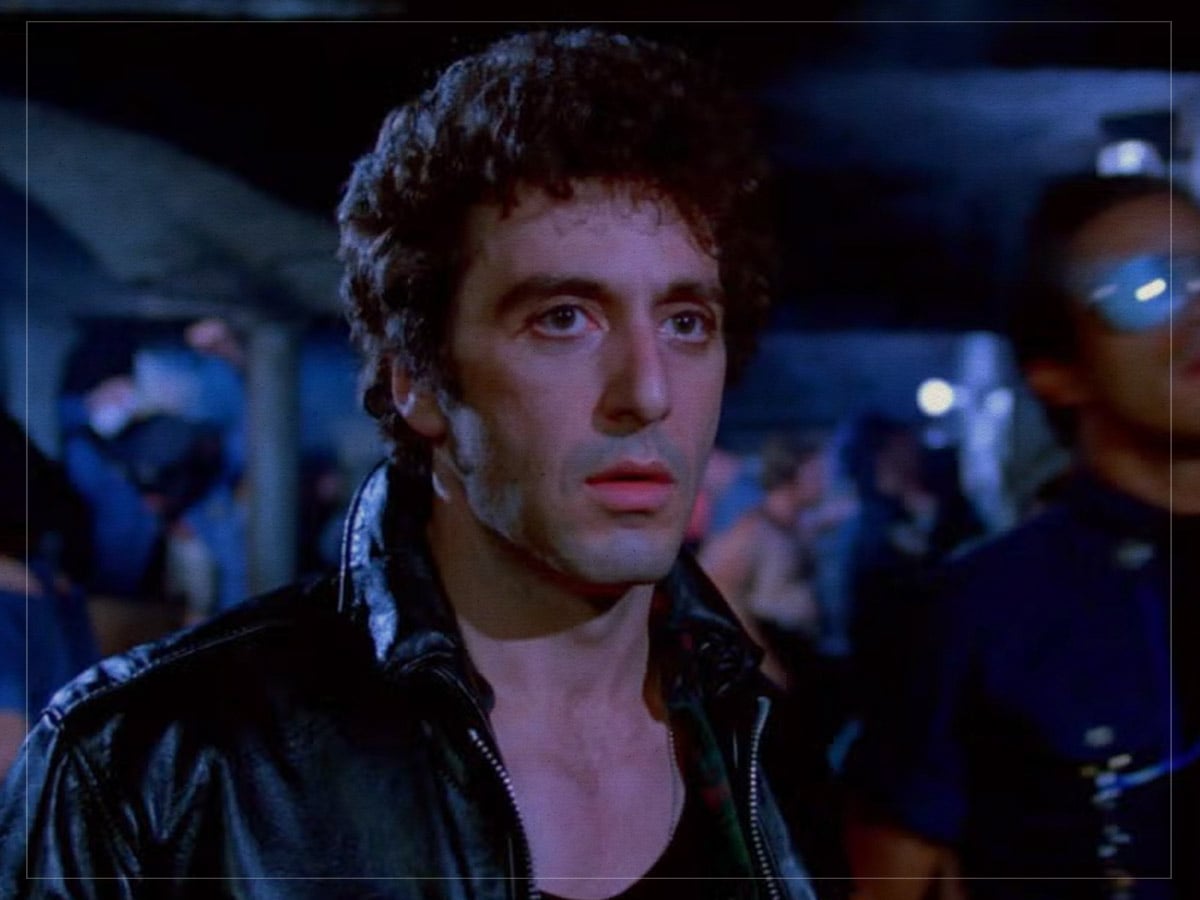
William Friedkin has always been a fearless filmmaker, but Cruising was a much different type of experiment than the literal danger he faced with Sorcerer. Al Pacino starred as an undercover cop who infiltrated the gay nightclub scene of New York City in order to catch a serial killer. Over the course of his mission, he begins to act out on homosexual urges, which draws him closer to darkness.
Cruising was lambasted at the time of its release for associating gay men with violence, and became a controversial topic in the years that followed due to hate crimes related to homophobia. While Friedkin defended the film, Pacino eventually admitted to regretting his part, which led to a dispute between them. Some have tried to reclaim Cruising as a misunderstood masterpiece, but even Friedkin’s most strong supporters had to admit at the time that he had missed the mark.
Patrick Dempsey as Ronald Miller – ‘Can’t Buy Me Love’ (Steve Rash, 1987)
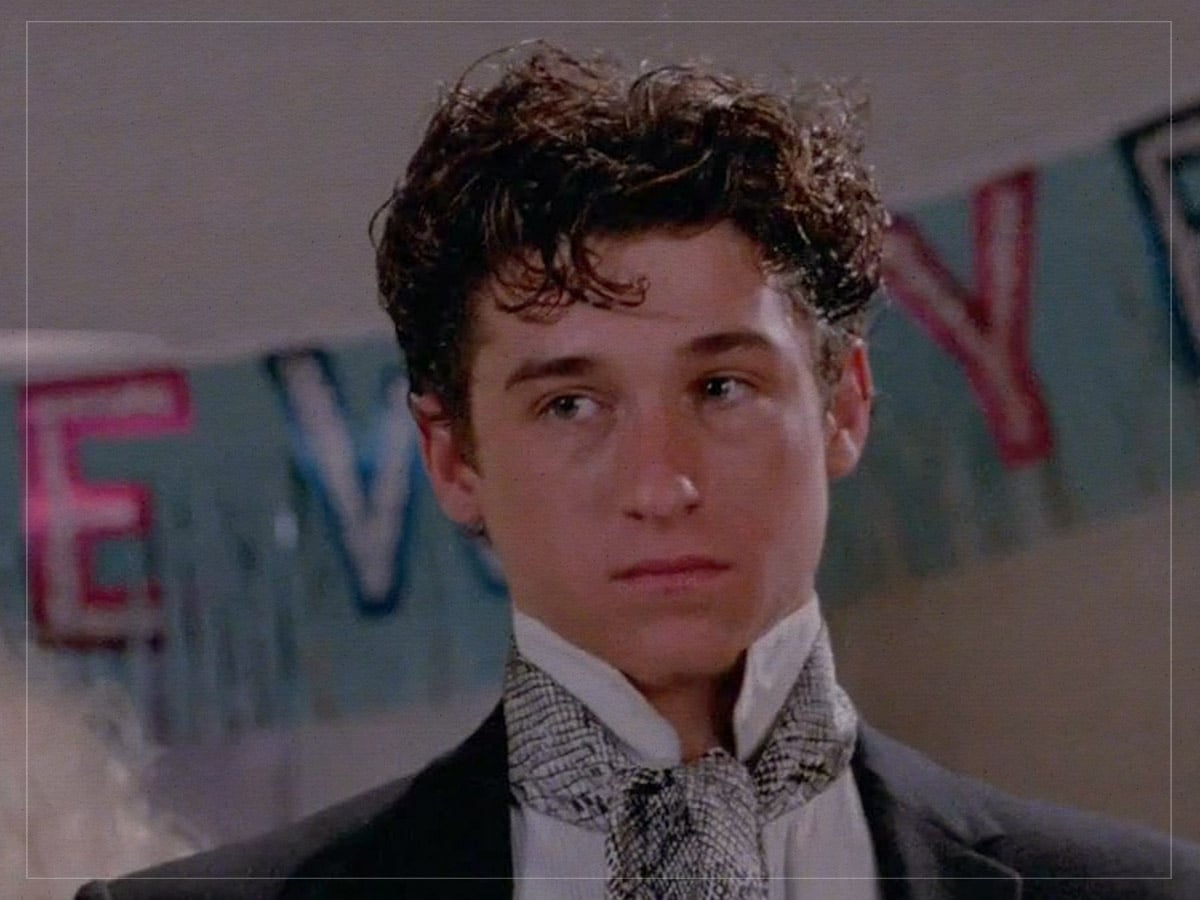
The fact that Can’t Buy Me Love shares its title with one of the most memorable songs from The Beatles has somehow managed to obscure its legacy of being a creepy, sexist film with one of the strangest protagonists of the ‘80s – Patrick Dempsey stars as Ronald Miller, a geeky high school student obsessed with astronomy.
While Ronald is apparently smart enough to have deep knowledge of space travel, he also decides to spend $1,000 to pay the cheerleader Cindy (Amanda Peterson) to pretend to be his girlfriend… It’s not only an objectification of women that implies that anyone can be “bought” for the right price, but sends a disingenuous message that the appearance of having a relationship is more important than actually being a part of one – that they actually fall for one another makes even less sense.
C Thomas Howell as Mark Watson – ‘Soul Man’ (Steve Miner, 1987)
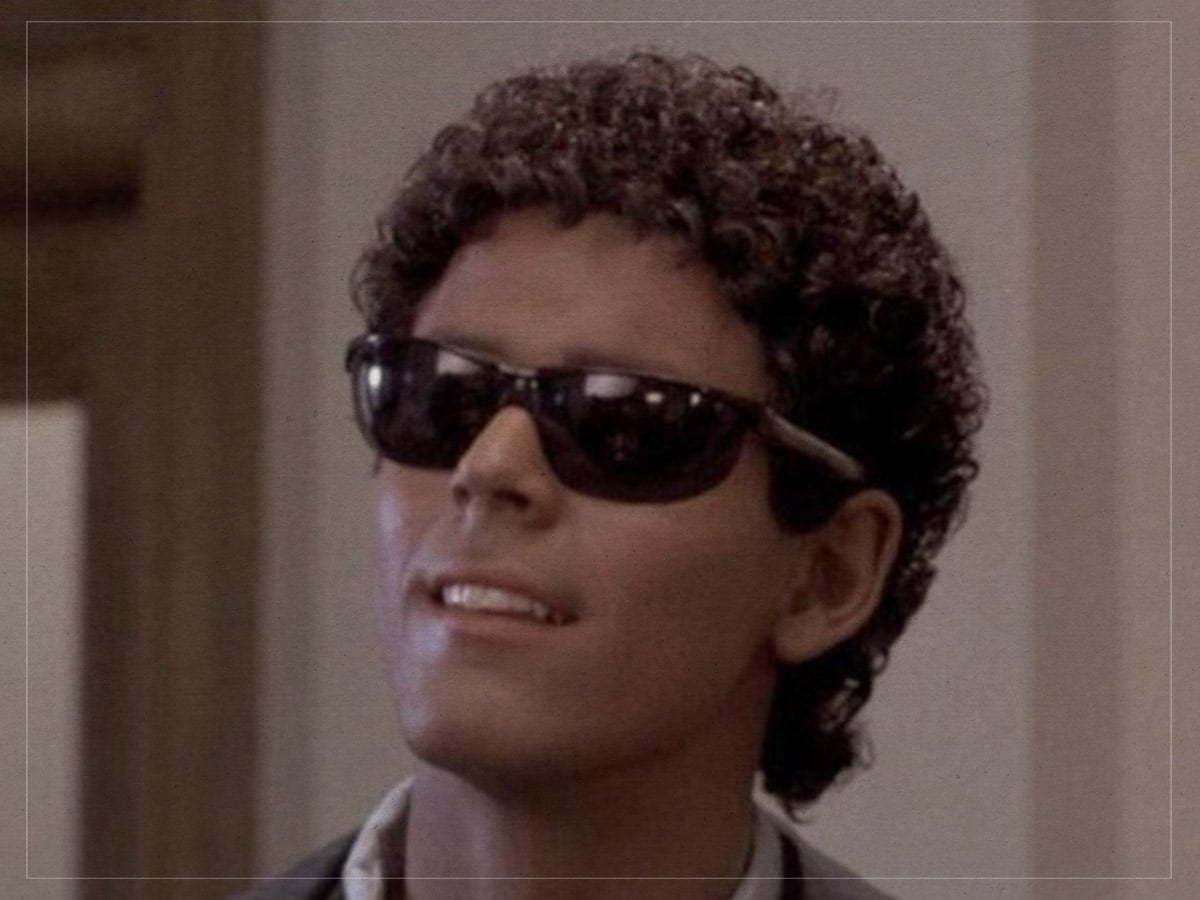
There has rarely been a more overt depiction of racism in a mainstream film than Soul Man, a 1987 film that starred C Thomas Howell as the high school student Mark Watson. After Mark learns that he does not meet the qualifications for any scholarships based on race, he puts on literal blackface in order to meet the standards for it.
It’s not a situation like Tropic Thunder, where the intention was to satirise self-proclaimed progressives, as Soul Man was called out at the time, with Spike Lee being one of its biggest critics. Howell essentially destroyed his career as a result of the controversy, despite his involvement with the “Brat Pack” films. Notably, Val Kilmer was nearly cast in his role, and likely wouldn’t have the impressive filmography that he did if he had agreed to take the part.
