


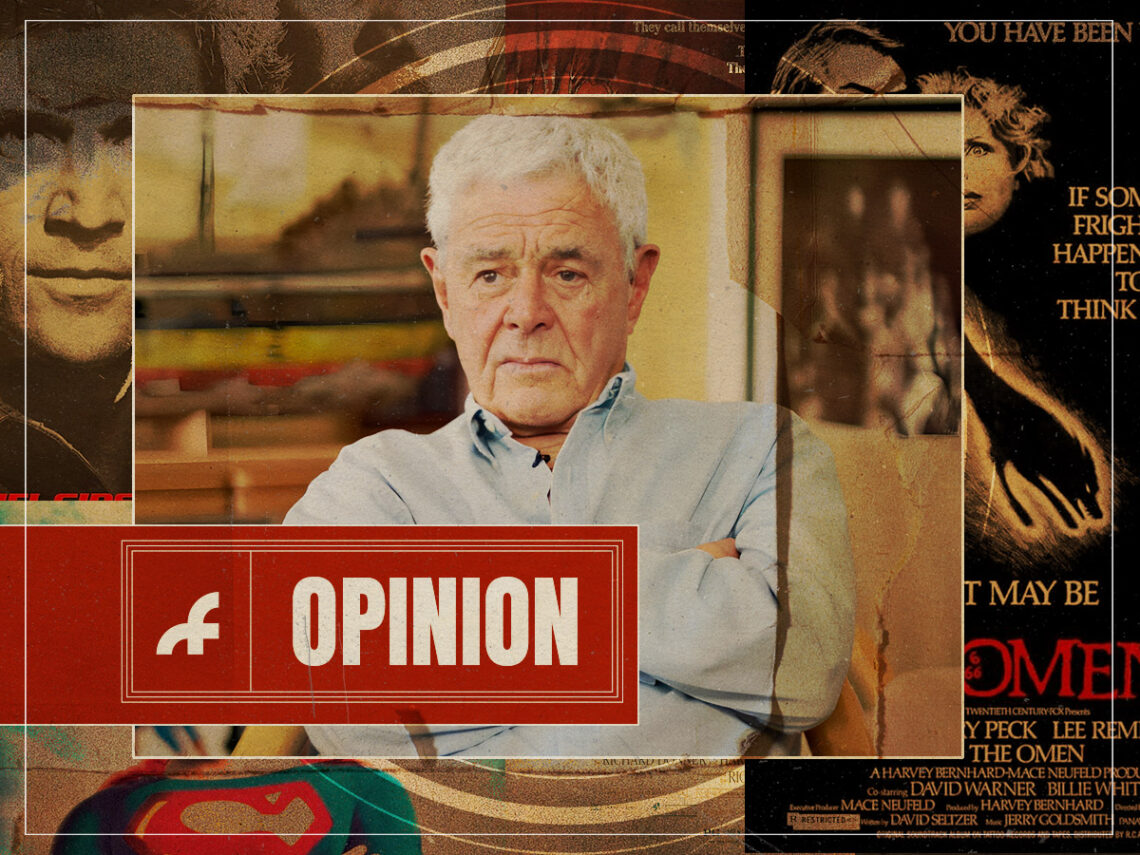
Hear Me Out: Richard Donner is one of the most underrated directors of all time

There’s always been a battle between art and commerce at the heart of cinema, and one of the reasons why Steven Spielberg is both the highest-grossing director in history and lauded as one of the all-time greats is because he mastered both. Richard Donner spent his career veering towards the latter, which, by extension, meant he was never truly given his due as a filmmaker.
He wasn’t exactly an auteur, with Donner never having been acknowledged as a screenwriter or given a story credit on any of his features. That’s probably part of the reason why his artistic merits were never celebrated to an extent comparable to many of his contemporaries. Looking at his back catalogue, though, he knew precisely how to place his finger on the pulse of what audiences wanted to see.
Directors who specialise almost exclusively in escapist fare – the Michael Bays, Zack Snyders, Jon Favreau, and Roland Emmerichs of the world – don’t often win plaudits from critics despite making mountains of money. Much like Spielberg, names including James Cameron, Christopher Nolan, Peter Jackson, and Ridley Scott have balanced single-minded artistry that couldn’t have been crafted by anyone else with adulation, acclaim, and awards. History probably places Donner somewhere around the middle, but that’s not really fair.
He went through his professional life without so much as a single nomination from any major awards body, but his legacy is nothing short of impeccable. Not many filmmakers have made even a single movie that inspires generations, spawns countless imitators, reinvented entire genres, or shifted the landscape of the entire industry, but Donner quietly made a habit out of it without entering that rarefied A-list directorial air that separates the very good from the great.
His breakthrough feature, The Omen, eschewed blood-splattered gore in favour of focusing on the atmosphere, and it wound up as one of the most influential and greatest mainstream horror movies ever made. In lesser hands, it could have been a by-the-numbers slasher, but Donner pulled back on sensationalism to tighten the screws, establishing his demonic classic as one of the pivotal big-screen tales of terror to emerge from a decade that also spawned The Exorcist.

1978’s Superman completely altered the paradigm for what visual effects could accomplish on-screen, leaving audiences so enthralled they really could believe a man could fly. The shoot was nightmarish, to say the least, and it could have easily devolved into disaster, but Donner’s mastery of the material that balances fantasy and wonder with heart and warmth left behind a mark that can be traced right through to today’s current superhero boom, with Nolan just one of its many fans.
Any time a family-friendly adventure comes along that focuses on a disparate group of kids embarking on a quest or journey with dangerous stakes, the spirit of The Goonies is almost always invoked. It’s telling that none of its countless spiritual successors have ever bettered it, though, with Donner’s deft handling of his energetic young cast and the overriding sense of enjoyment seeping out of every frame, transforming it into one of the most beloved films ever made.
The buddy cop flick existed before Donner’s Lethal Weapon, but it’s never looked the same since, with the DNA of his action-packed and propulsive crime caper laying down a blueprint that almost every single major motion picture that partners up a bickering odd couple has sought to emulate ever since. He knew when to let the set pieces do the talking, but just as important was the filmmaker’s ability to realise that the character moments were of equal importance and that effortless dynamic has rarely been matched.
Christmas movies that took a cynical view of the festive season were hardly a regular occurrence before Scrooged, but the Bill Murray-fronted favourite helped usher in an era of cynical, snide, and sarcastic Yuletide misery that channelled the spirit of the holidays in other ways. Again, it wasn’t the first of its kind, but it helped shift the direction of an entire genre once more, with Donner at the helm yet again.
That’s without even mentioning how much people love medieval fantasy Ladyhawke despite its many obvious shortcomings, the subversive stylings of the western comedy Maverick that adopted an air of self-aware postmodernism long before it became all the rage, or the endearingly intentional preposterousness of Conspiracy Theory to name but another three.
Yes, there were missteps along the way, but that’s part and parcel of any long-running directorial career. Donner was a populist, and he’d never make any bones about it. However, the fact that so many of his movies had such an impact, in the long run, is indicative of his innate gift for knowing what the average cinemagoer wanted—and still wants—to see from their mass-marketed entertainment.
An auteur he was not, which is fairly inarguable, yet the mark he made on the artform at large regularly goes overlooked and unmentioned. All that, and he persevered through several notoriously troubled productions and still managed to knock it out of the park.
