


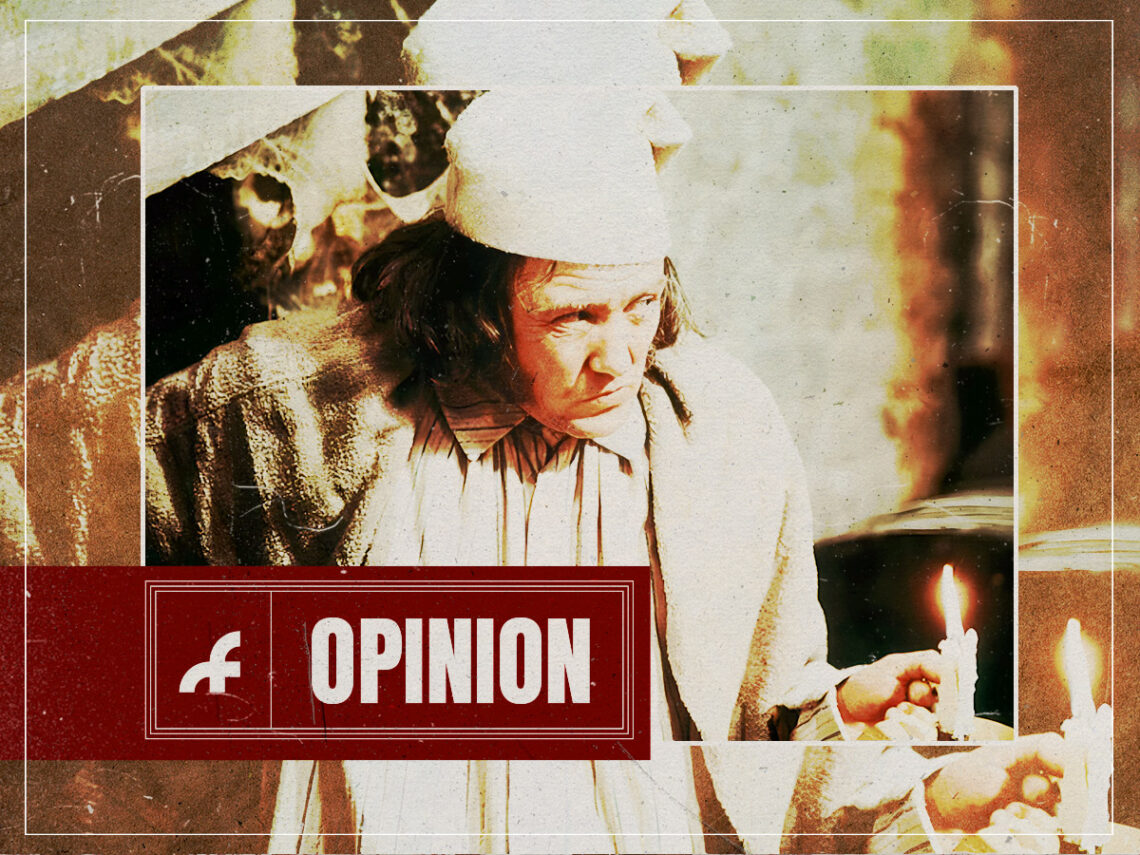
Hear Me Out: ‘Scrooge’ is an underrated Christmas classic

Michael Caine‘s legendary performance has forever intertwined the name Scrooge with his iconic film. While great credit rightfully goes to him and his cohorts, The Muppets, as well as Brian Henson and Jerry Juhl, there’s another classic predating this one — a timeless gem that exudes the subtle enchantment akin to the spirit of Christmas itself.
Thanks to our innate love for all things traditional during the holidays, Christmas in the 1970s looked similar to how it does now. Of course, most of us have iPhones instead of chunky house phones, and instead of television curfews, we now have 24-hour broadcasting. The decade also birthed some of cinema’s most iconic musical contributions, like Grease and A Star is Born.
Come Christmas time, however, the options could have been more varied. The one exception was Scrooge, which arrived at the dawn of the decade as a musical take on Charles Dickens’ A Christmas Carol. Directed by Ronald Neame, Scrooge stars the illustrious Albert Finney in the titular role of Ebenezer Scrooge. The film masterfully weaves Dickens’ classic narrative into a captivating cinematic experience, transporting viewers to the snowy streets of Victorian London, where the cold-hearted Scrooge resides in all his misery.
Although a musical film, Scrooge couldn’t be more unique. The tagline, “What the Dickens have they done to Scrooge?” sets the stage for its intriguing blend of tradition and modernity. Accompanied by the image of Scrooge dancing, it captures the movie’s subtly tongue-in-cheek and vibrant essence, a lively contrast to its deeper, darker themes.
This darkness entraps you within its mesmerising world — we know the story of A Christmas Carol; we’re aware that Scrooge enters a journey of self-discovery after his ghostly visits, but Scrooge is enticing in a way that differs from some of its cinematic counterparts. For starters, the humour sprinkled throughout is hugely understated, mainly due to Finney’s talent.
Finney, who was only 34 at the time, plays Scrooge with such finesse that, at times, it’s easy to forget the actor beneath all the theatrics. His transformation from a callous and tight-fisted curmudgeon to a man profoundly moved by the generosity and goodwill of the holiday season is ultimately a testament to Finney’s intuition as an actor. His performance breathes life into the character, eliciting empathy and ultimately celebrating the power of redemption.
Although the film requires multiple rewatches to grasp the delicacy of some of its most defining compositions, Leslie Bricusse does a fabulous job crafting the perfect soundtrack for a movie, navigating the nimble concepts of grittiness and warmth. The musical numbers, including the iconic ‘Thank You Very Much’, infuse the story with a joyful rhythm and melody that elevate the emotional resonance of critical moments in Scrooge’s transformative journey.
One of the best scenes is when Scrooge gets a visit from the Ghost of Christmas Yet to Come. In Dickens’ story, this silent, haunting figure ominously shows Scrooge what his future will inevitably look like if he fails to recognise his inherent flaws. The film seamlessly blends horror and comedy in a swift moment as Scrooge encounters the ghost’s face, prompting a startled scream and a sudden fall.
While the Ghost of Christmas Yet to Come typically embodies the eerie essence in various adaptations of this tale, this instance vividly conveys Scrooge’s uncertainty — immersing us in his dilemma of distinguishing reality from fantasy.
Considering its release decades ago, one of the most endearing aspects of the film is undoubtedly its timeless appeal. Of course, Dickens’ original story still holds up, particularly after countless cinematic adaptations over time, but Scrooge endures for its unmistakable charm. Upon release, it achieved mixed reviews, and there’s no doubt that contemporary audiences probably wouldn’t appreciate its specific retelling of the classic story.
However, overshadowed by some of its more mainstream followers, its journey into the folds of history and passing time has granted it the esteemed status of a genuine hidden gem.
