


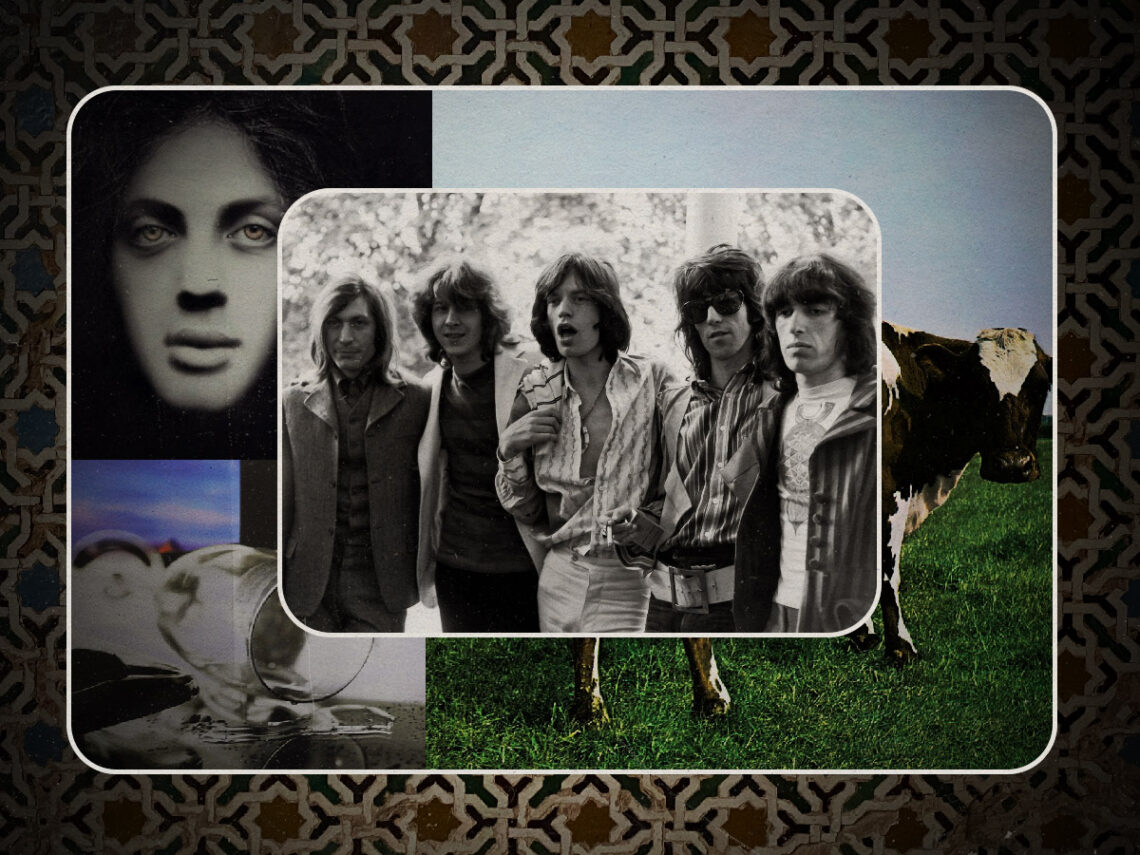
10 legendary songs that musicians tried to erase from history

As an artist, how do you truly know when a song is good enough to leave the studio, because the songwriting pursuit is so subjective and so intimate, where fleeting thoughts and feelings are ever changing, the sheer concept of calling time on a project and deeming it fit to present to the world is inherently daunting.
But ultimately, the mark of a great song is its truthfulness to the moment it was made. Art is best when it reflects a moment with unbridled honesty, and music is no different, so largely speaking, no matter the changing tides of an artist’s life, there should be no regrets about a song leaving the cutting room floor and heading out into the ether.
But, there are, of course, some exceptions. While most artists can accept the changing of their emotional state being the cause of the disconnect between them and their own music, there is a wider spectrum of reasons that contribute to a song falling out of favour with time. Shifting social values that illuminate some political wrongdoings or a misguided use of trend-based instrumentation can all prey on the minds of paranoid musicians who deeply regret an artistic choice.
But there is no deleting music once it’s released. While Metallica and more recently, The 1975, have all tried to do so, audiences are too savvy to simply wipe songs from their mind as artists do from their hard drives. Whether they like it or not, they are an immovable stain on their career. But in this upcoming list, the true severity of those stains differs, with some just being the subject of a scorned studio perfectionist and the others truly ageing like sour milk.
10 legendary songs that artists tried to erase from history:
Bruce Springsteen – ‘The Way’
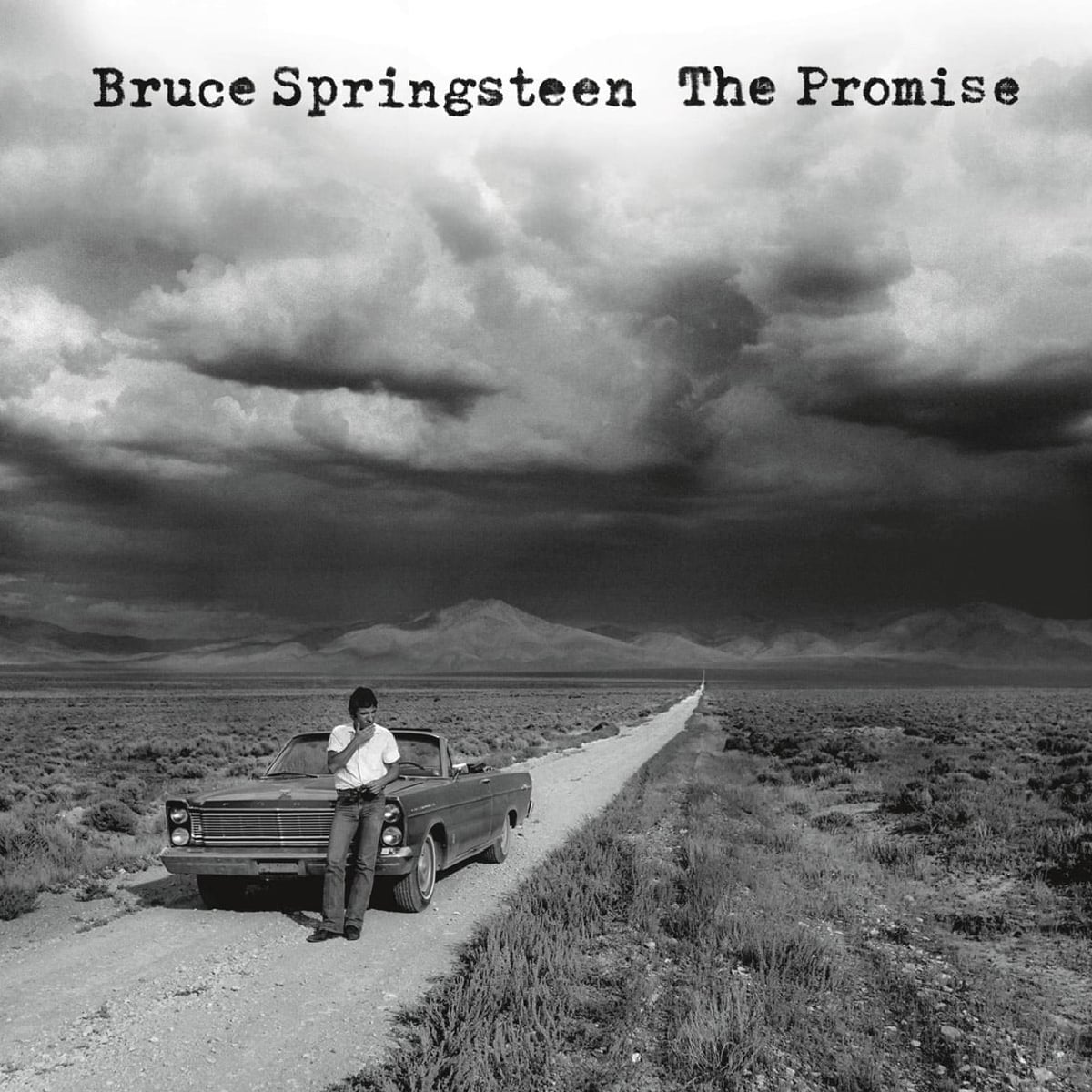
Springsteen made a career of writing songs for everyday people. Like anthems, they become universally adored amongst the masses, soundtracking the nuances of the working class experience, and so with that, it’s truly hard to fathom ‘The Boss’ having ever penned something he feels emotionally disconnected to.
But there is one song that he feels belongs far away from the humble realms of his sonic world. ‘The Way’ was a track hidden on an album called The Promise, and Springsteen explained exactly why, remarking that it is a track removed from his own personal ideals.
“The main reason it’s hidden is because I never liked it,” said Springsteen when discussing the song. He continued, “I would like to see it placed in a David Lynch film over a sexually perverse scene. That, to me, is its righteous home.”
The Rolling Stones – ‘Get Off My Cloud’
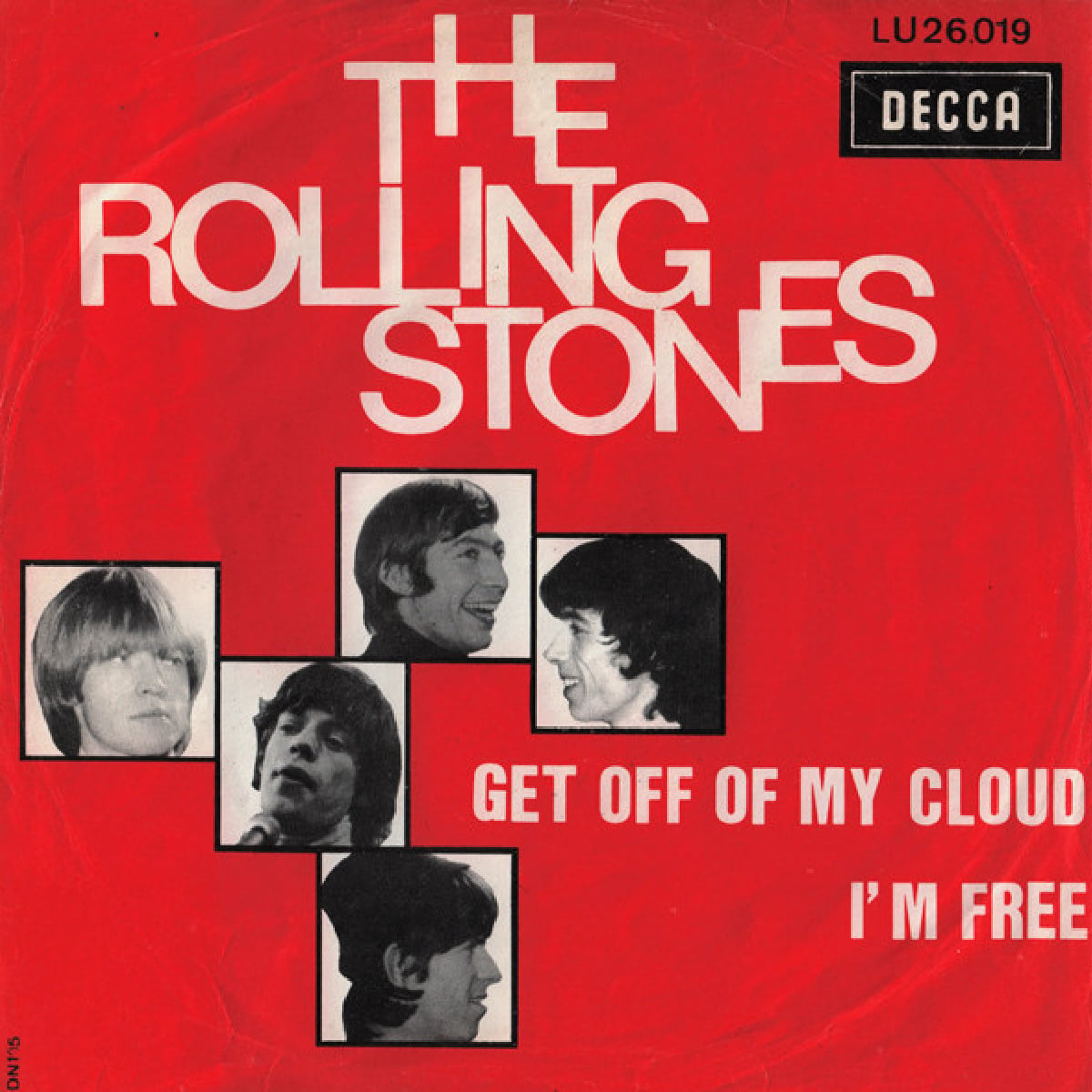
If I had it my way, I would be pushing The Stones to remove ‘Brown Sugar’ from their discography for the rest of time. The arrogant and deeply offensive rock track taken from their 1971 record Sticky Fingers is arguably their worst hour as a band. But while they’ve since condemned it, there have been other songs that the band have raised a point of artistic garbage.
A track recorded six years earlier, when the band were still finding their feet as a rock and roll band, serves as the subject of Keith Richards’ disapproval, with the elusive guitarist remarking that it was a damp follow-up that should ultimately never have existed.
“I never dug it as a record,” he claimed. “The chorus was a nice idea, but we rushed it as the follow-up. We were in LA [Los Angeles, where ‘(I Can’t Get No) Satisfaction’ was recorded], and it was time for another single. But how do you follow up ‘Satisfaction’? Actually, what I wanted was to do it slow, like a Lee Dorsey thing. We rocked it up. I thought it was one of Andrew Loog Oldham’s worst productions.”
The Police – ‘Wrapped Around Your Finger’
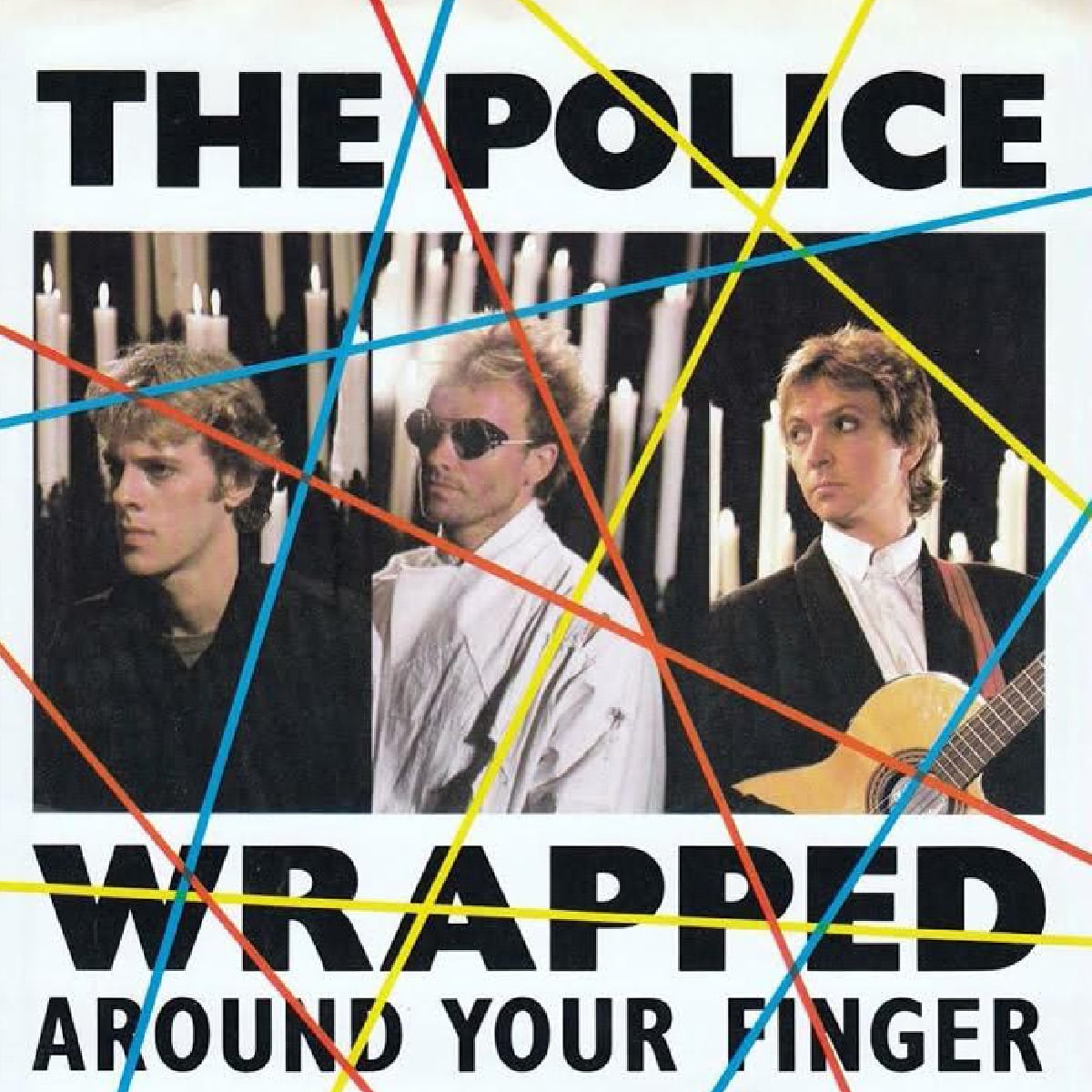
Unlike some of the aforementioned drummers on this list, Stewart Copeland was a master performer because of his technicality. With an acute ear for composition, Copeland was more than just a proponent of energy, but an orchestrator, steering the band into rock immortality. But on this track, even the great Copeland found himself lost in the midst of ideas.
“I think that’s the worst casualty of me not knowing what we’re doing here. I’m just playing something, and then there’s this synthesiser, and what I could make out of the lyrics, I didn’t get it at the time. That’s my least favourite of all the songs he wrote.”
The song almost gets lost in the ether and goes in some way to proving that the drummer is the most important member of the band. Because once he loses touch with the song’s journey, then the whole thing begins to collapse around him.
The Who – ‘Music Must Change’
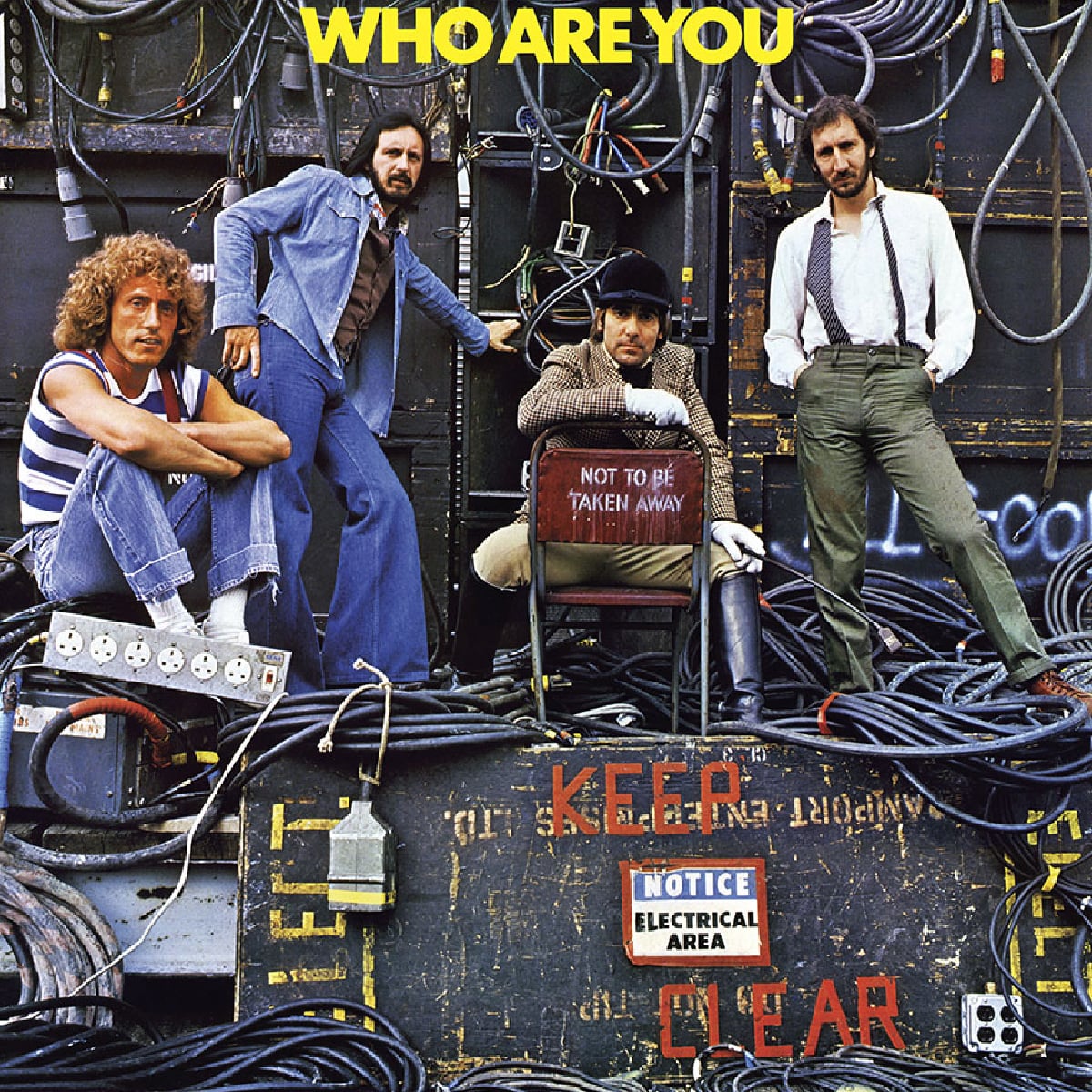
When you have a drummer like Keith Moon at the base of all your songs, there is a danger that you will constantly be living on a sonic knife-edge. Ever the ancient of chaos, Moon injected an unrivalled sense of energy into the band’s sound, but every so often it came at the cost of delicacy. According to the band’s frontman, Roger Daltrey, that can be best heard on ‘Music Must Change’.
“There is one, and I won’t ever play it again,” he explained. ”There’s a song on the Who Are You album, it’s called ‘Music Must Change’. Every time we played that in the studio, Keith couldn’t play the drums to it. It was in a three, four. Keith couldn’t play normal drums. Keith could play great Moon drums, and that was it.”
So the band enlisted the help of a session drummer to complete the track, which was released near enough at the same time as Moon’s death. Now, to the band, the song serves as a bitter reminder of that very tragedy.
The Beatles – ‘Run For Your Life’
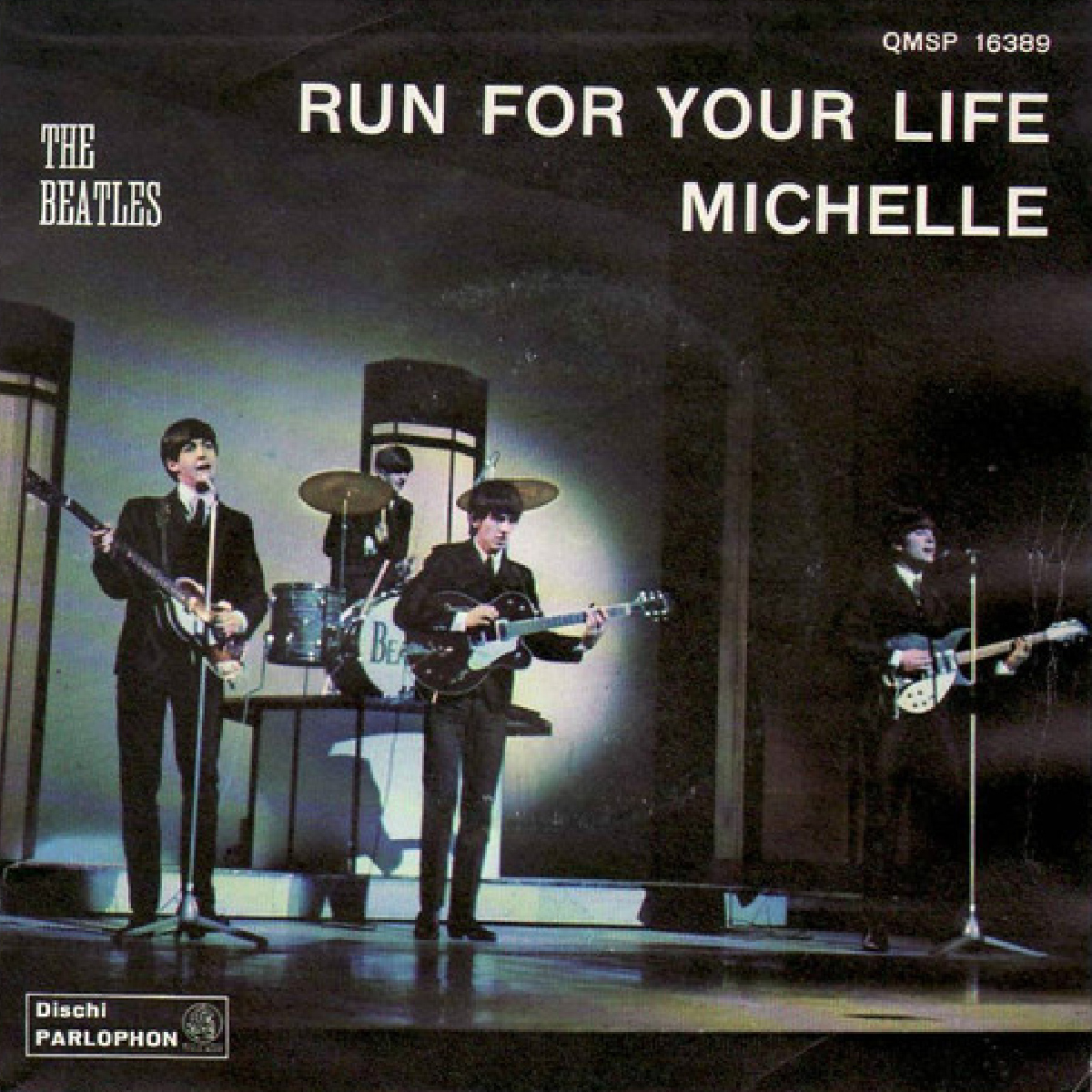
With twelve studio albums to your name and the responsibility of charging music into new realms while doing so, it is simply inevitable that some songs will age poorly in the eyes of The Beatles. Particularly when the songs serve as the babies of a line-up who were growing resentful of one another year on year.
But ‘Run For Your Life’ bucks the trend of intra-band squabbling and instead sees Lennon turning his criticism inwards. He explained, “I never liked ‘Run For Your Life’ because it was a song I just knocked off.”
But while Lennon’s conclusion was rather flippant, it was more likely sparked by the controversy of the song. Its lyrics, “I’d rather see you dead, little girl, than to be with another man,” fuelled backlash from listeners who believed it was glamorising domestic abuse, a point I believe Lennon quietly agreed with.
Van Morrison – ‘Brown Eyed Girl’
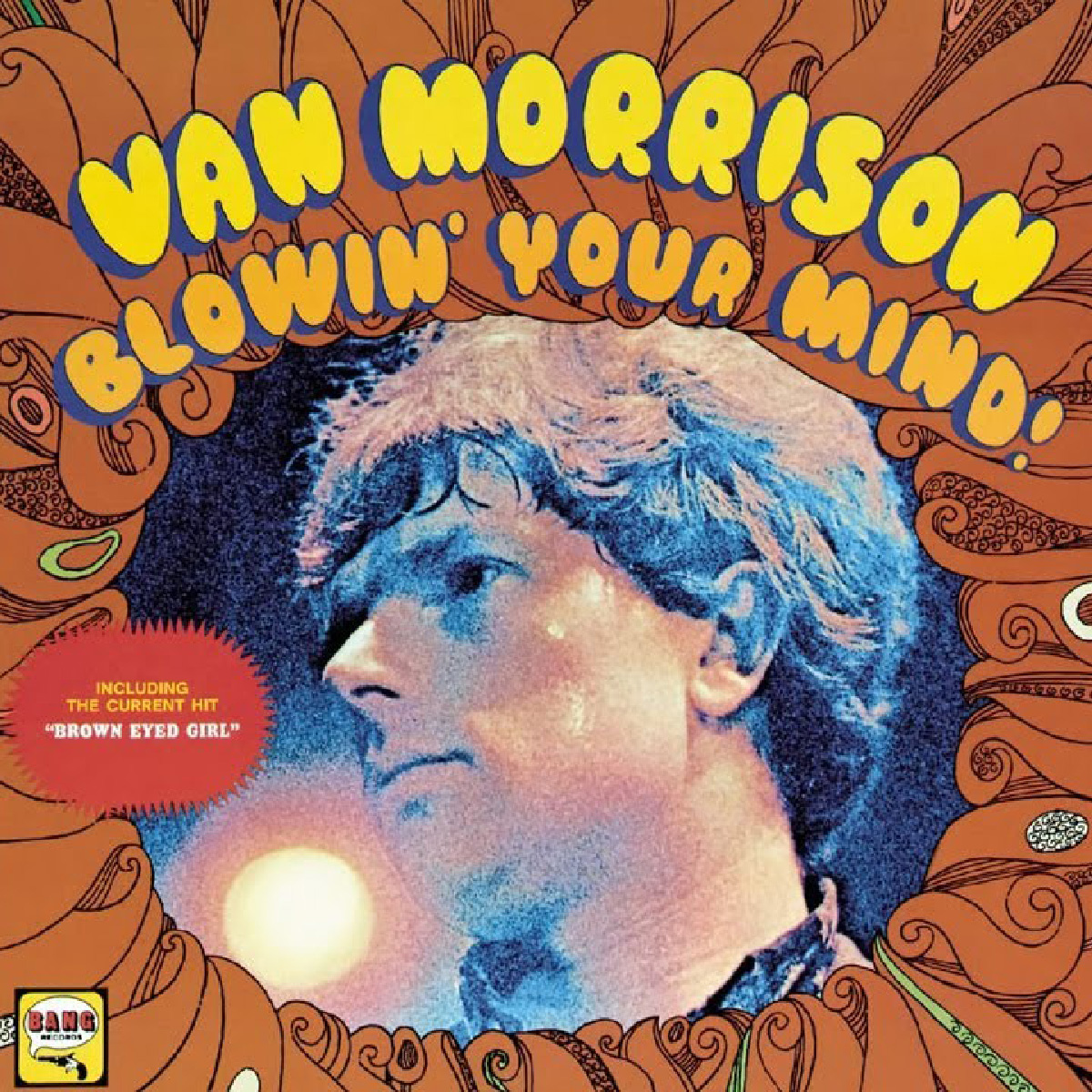
When a song becomes so widely successful, there comes a point where the musician in question has to wave it goodbye and allow it to become a product of the masses, and every drunken singalong to Van Morrison’s ‘Brown Eyed Girl’ was a step backwards from the Irishman who no longer felt as though he could relate to it.
But more than that, Morrison felt as though the song was something of a warped soundtrack to his youth. And so, as Morrison moved into songwriting wisdom with every passing year, the simple idea of singing about adolescent love not only felt unnecessary but somewhat gross.
“How can a 79-year-old guy sing about something he wrote when he was 20?” he said, when referencing that very point. “It’s basically a teenage song. I can’t relate to it much now, you know.”
Pink Floyd – ‘Atom Heart Mother’
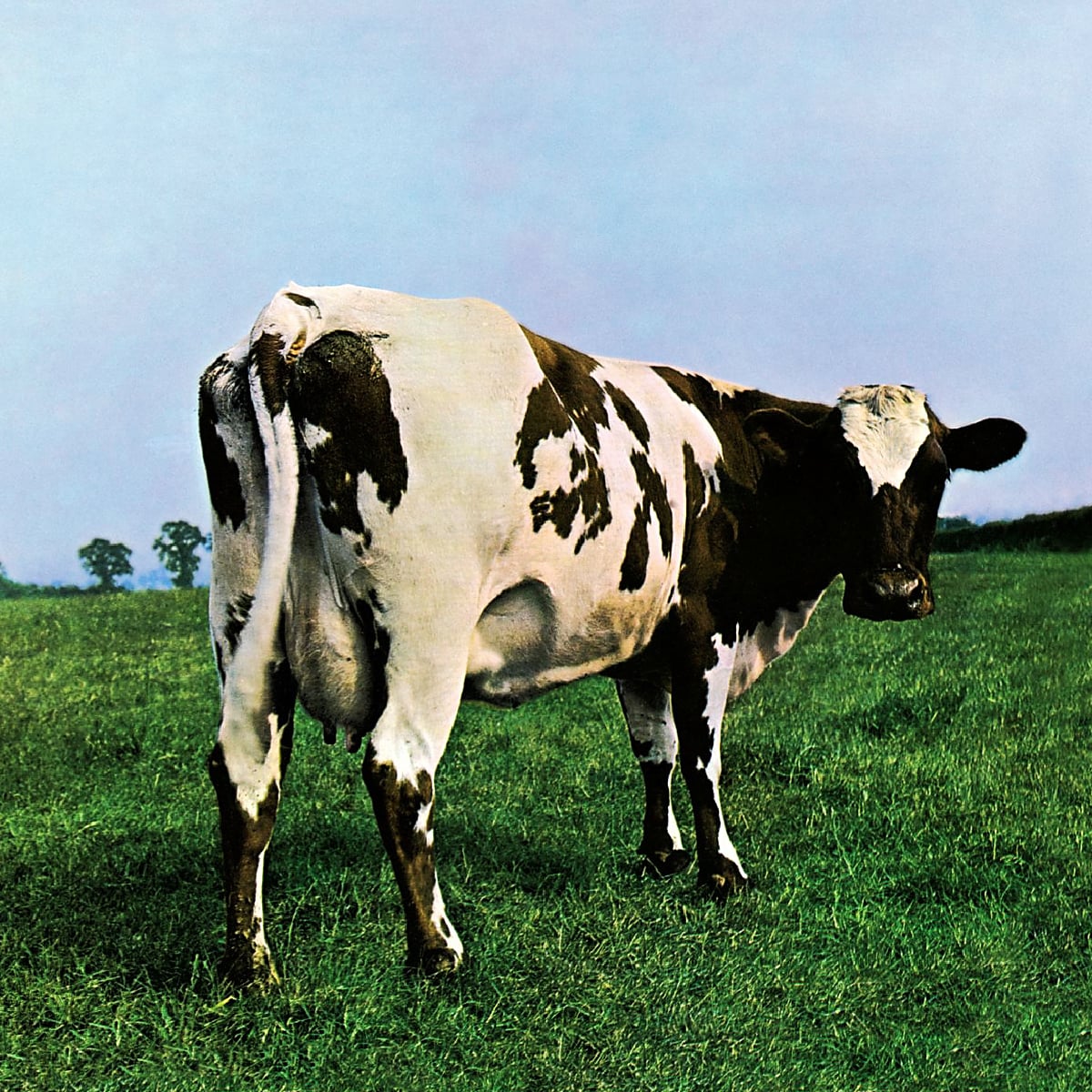
In the run-up to their 1973 magnum opus Dark Side Of The Moon, Pink Floyd were flying dangerously close to the sun. Their rampant pursuit of brilliance, which finally came to be on that record, similarly saw them flirting with musical madness at the same time, most notably on their 1970 album Atom Heart Mother.
All songs are expansive and sprawling, but none more so than the title track. And while it’s rare to find all four members of the band agreeing on anything, one thing they do unanimously concur on is the messy nature of this muddled attempt at experimental rock.
David Gilmour explained that the band “were at a real down point. We didn’t know what on earth we were doing or trying to do at that time, none of us. We were really out there. I think we were scraping the barrel a bit at that period.” Meanwhile, Nick Mason and Roger Waters were more dismissive, with the former simply stating that he finds it “embarrassing,” with the latter saying he’d like it seen “thrown into the dustbin.”
Billy Joel – ‘Piano Man’
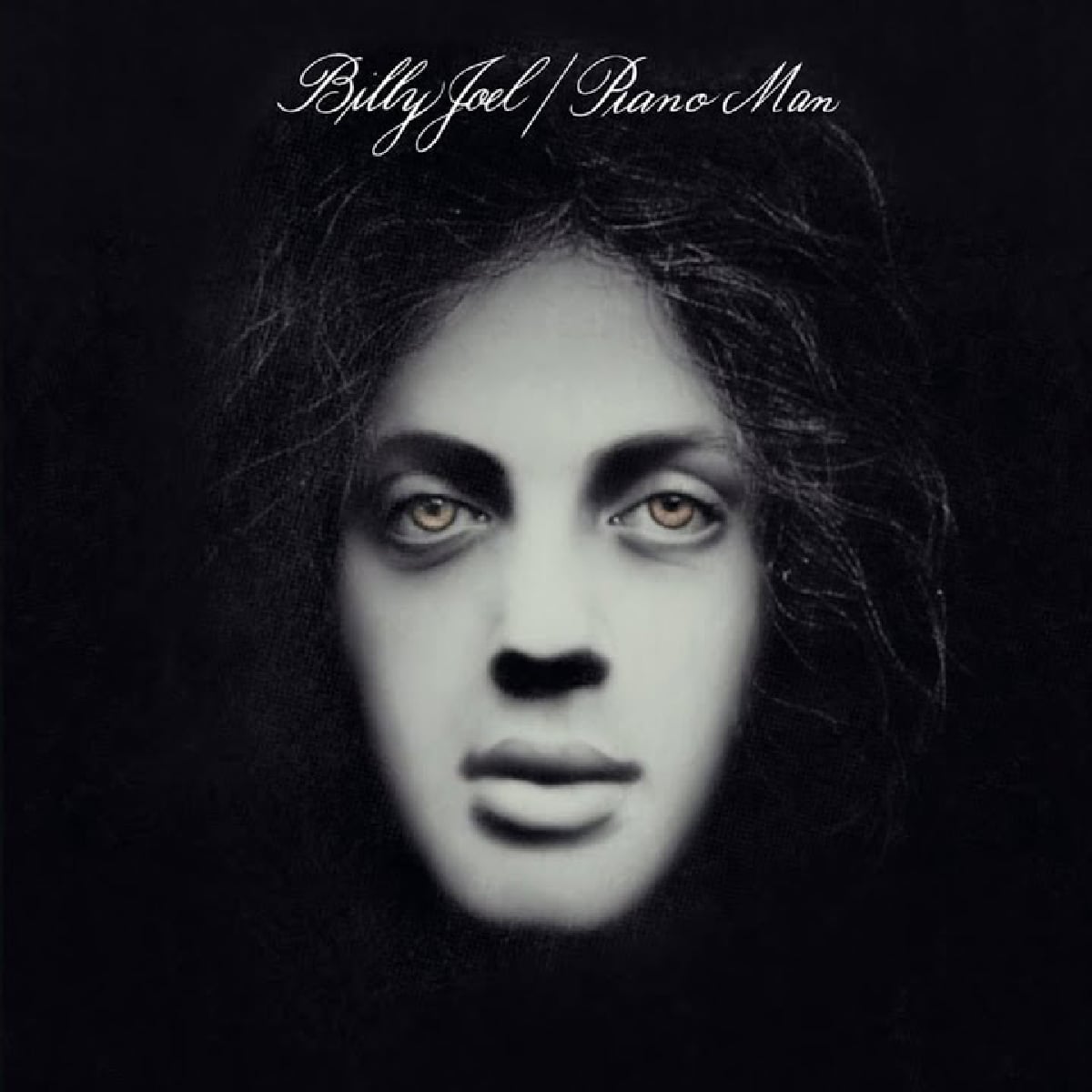
Artists have absolutely no say in what songs of theirs go on to become monster hits. While they might have an inkling and thus run with it as the lead single, in other cases, it’s purely down to the general public and their subsequent relationship with it. In Billy Joel’s case, it just so happened to be ‘Piano Man,’ one of his least favourite songs.
“I have no idea why that song became so popular. It’s like a karaoke favourite,” he said. “The melody is not very good and very repetitious, while the lyrics are like limericks. I was shocked and embarrassed when it became a hit.”
Whether Joel likes it or not, ‘Piano Man’ is the song that changed everything for him and ultimately afforded him a life of creativity. So it’s hard to say whether he would truly erase it from history if it meant the dollar signs went with it.
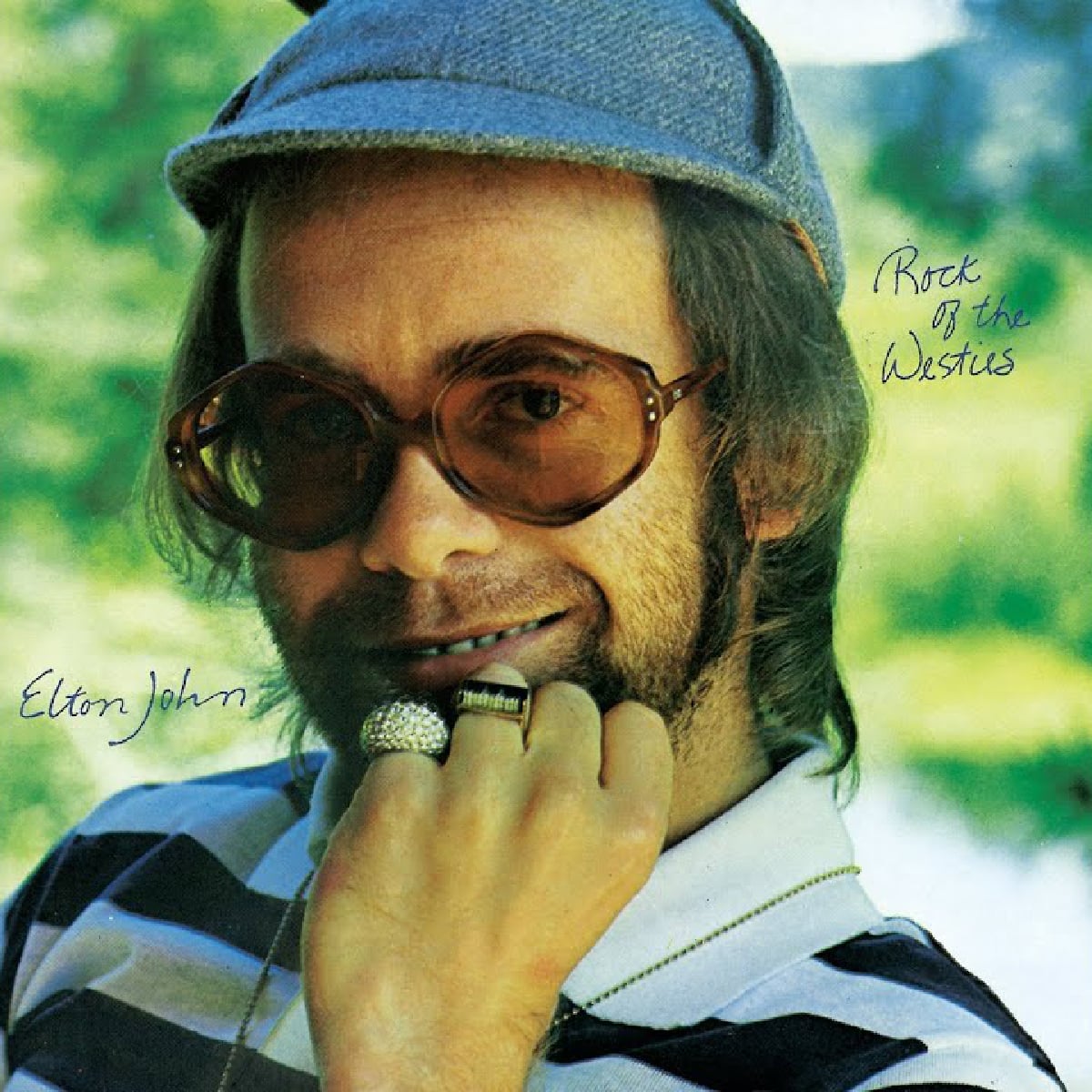
Elton John – ‘Island Girl’
Sadly, the extravagance of 1970s music and all of its brilliance was propped up by a sense of blind arrogance that ran through the veins of its greatest musicians. High on their own supply of fame and fortune, they delved into tales of sexual objectification that told you everything you need to know about their lack of accountability in the era.
Elton John was largely known for penning more heartfelt, nuanced ballads that seemed to avoid these pitfalls. But on his 1975 album Rock Of The Westies, he released the track ‘Island Girl’ which sees him paired with a reggae beat and shallow flourishes of marimba, in a song that quite harrowingly objectifies women of the Caribbean.
“Well she’s black as coal, but she burn like a fire/ And she wrap herself around you like a well-worn tire/ You feel her nail scratch your back just like a rake, oh oh/ He one more gone, he one more John who make the mistake,” Elton sings, in a song that has rightly been consigned to the bins of history and has never made it onto his setlist since.
Oasis – ‘Sunday Morning Call’
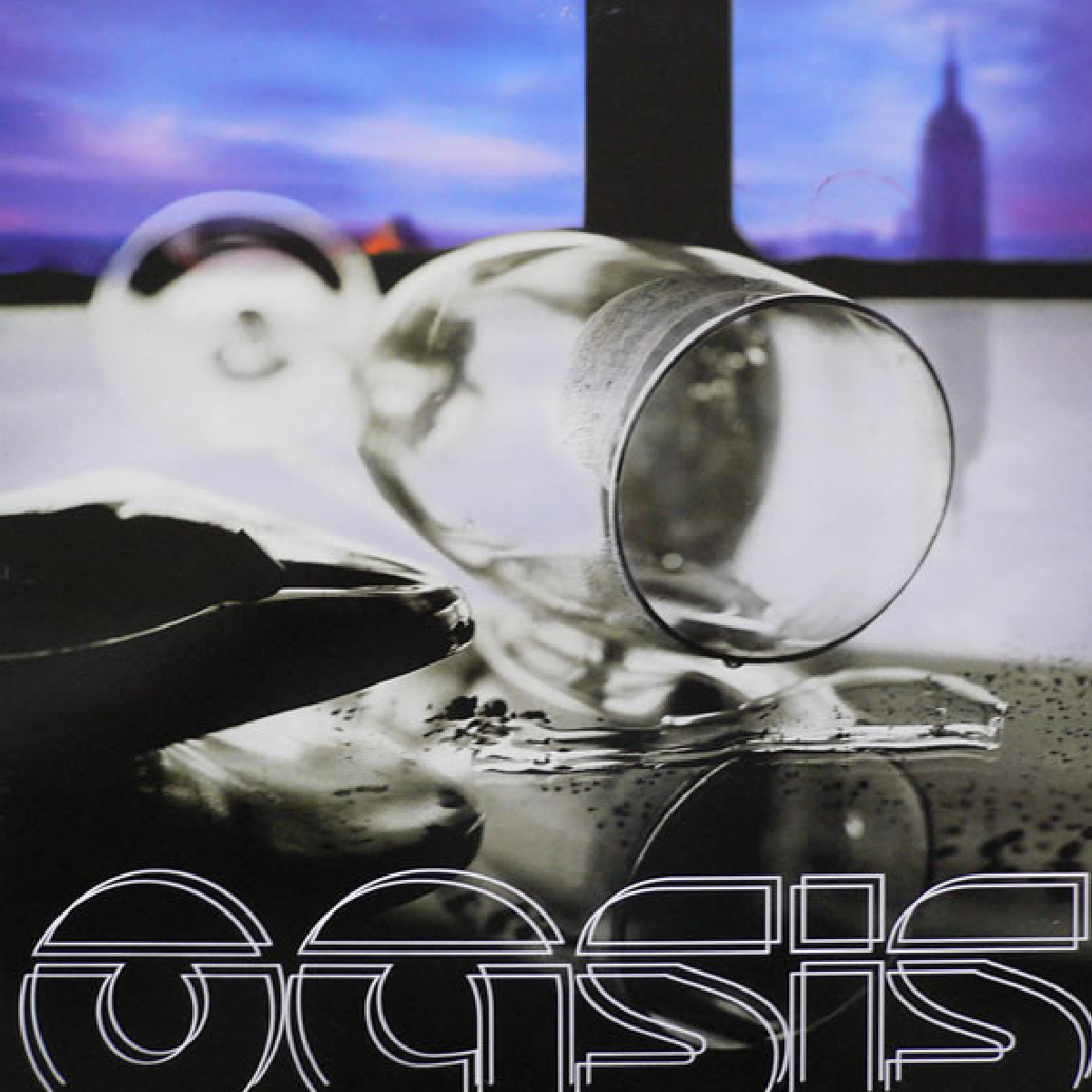
The Gallagher brothers haven’t been shy to slam their third album, Be Here Now. Tasked with the mighty aim of topping (What’s the Story) Morning Glory?, the band went back into the studio and rather arrogantly rehashed a winning formula. Except this time, it was at all winning and instead served as a representation of a band slightly high on their own supply.
While the whole album has been caught in the crosshairs, it was ‘Sunday Morning Call’ that got the biggest grilling from Noel Gallagher, with the guitarist saying, “I hate that song. I hate it so much [that] I left it out of the Oasis singles album. That’s how much I fucking hate it. And I wrote it.”
While Gallagher is known to regularly unleash both barrels on a song, only to later admit that he actually loves it, I think the opinion on ‘Sunday Morning Call’ is relatively conclusive.

Never Miss A Beat
The Far Out Beatles Newsletter
All the latest stories about The Beatles from the independent voice of culture.
Straight to your inbox.