


10 iconic movies inspired by Fritz Lang’s ‘Metropolis’

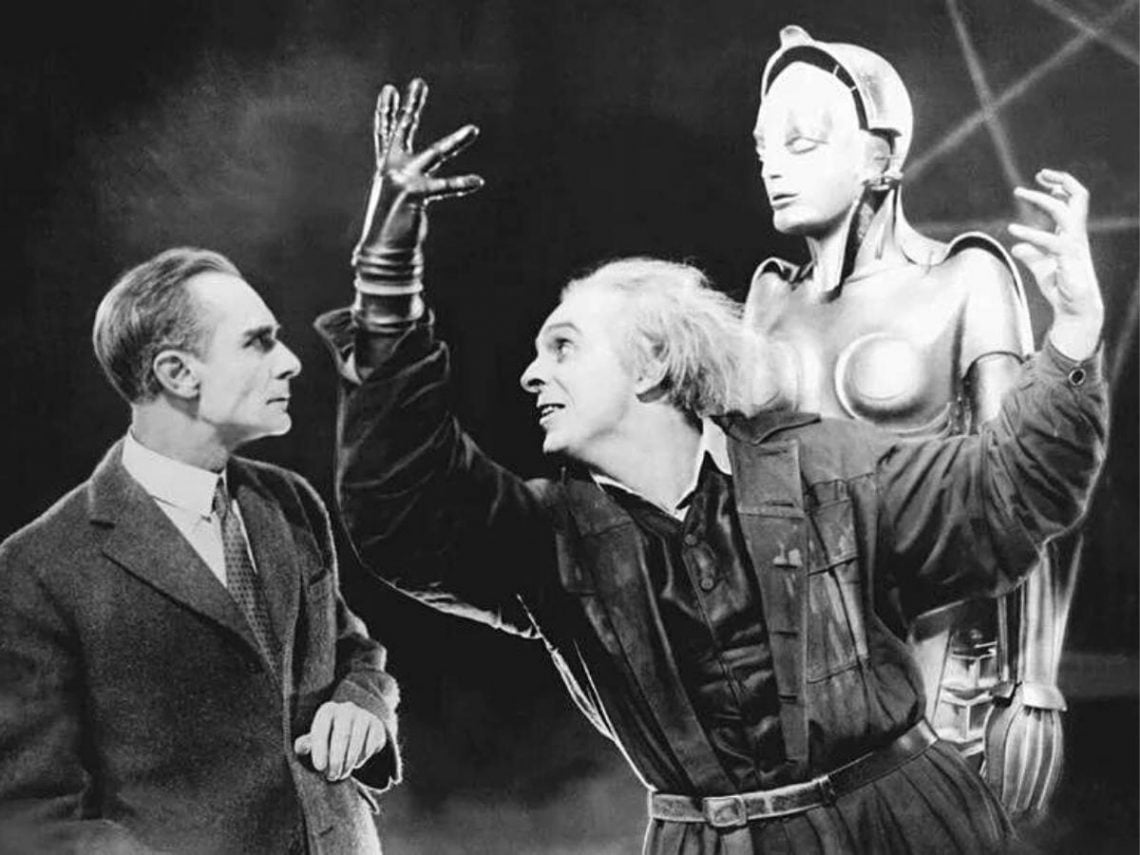
As not just the first feature-length science fiction movie ever made but one of the greatest, the influence of Fritz Lang’s Metropolis has been felt across all of cinema in countless different genres for close to 100 years.
Given its monolithic status, it’s incredible to think that it wasn’t greeted with open arms during its initial release, with H.G. Wells one of the many high-profile figures familiar with sci-fi who couldn’t quite wrap his head around it. Of course, these days, it’s held up by many of the modern era’s greatest talents as one of the finest movies of all time.
Since 1927, many productions that have gone on to be labelled classics in their own right have drawn either heavily or subtly from Metropolis, an approach that extends from direct homages and painstaking tributes to the revolutionary use of special effects, sound design, and cavernous sets that enhance the immersion of the viewing experience.
Each of the following ten films is held in high regard as it is, but every one of them nonetheless owes at least a small debt of gratitude to Metropolis.
10 iconic movies inspired by Metropolis:
10. Dark City (Alex Proyas, 1998)
Alex Proyas’ neo-noir sci-fi was far from a runaway success either at the box office or among critics following its initial release, but it didn’t take long for the movie’s stunning art direction, production design, cinematography, and visual effects to see it become a certifiable cult classic.
Although classic film noir was a key component of the mystery thriller that sees Rufus Sewell’s John Murdoch awaken alone to piece together his memories after finding himself wanted for a spree of murders, Metropolis was named on the DVD commentary alongside early German expressionist efforts, including M and Nosferatu as being key to not just its aesthetic values, but the moral debasement of humanity within the confines of a sprawling cityscape.
9. The Dark Knight trilogy (Christopher Nolan, 2005-2012)
Christopher Nolan has always been effusive in his praise for Metropolis – naming it as one of his favourite sci-fi movies – but it wasn’t his own intergalactic epic Interstellar that saw him name-drop Lang as a direct influence on his blockbuster trilogy of comic book adaptations.
While Metropolis was integral to the design of Gotham City in Tim Burton’s Batman movies, Nolan’s Batman Begins, The Dark Knight, and The Dark Knight Rises sought to draw their inspirations from Lang’s masterpiece in an altogether different way.
Taking his cues from its game-changing use of huge practical sets and sweeping sense of scale, Nolan named the Dark Knight trilogy to Empire as “my attempt to get as close to making a Fritz Lang film as I could”, particularly the way he made “an attempt to visualise certain things in this film on this large scale that are troubling and genuinely threatening to the idea of an American city.”
8. The Matrix (Lana and Lilly Wachowski, 1999)
Despite being separated by over 70 years, The Matrix and Metropolis have more than a few strands of shared DNA, with the Wachowskis also following in Lang’s footsteps by reinventing and influencing the sci-fi genre forevermore.
Each revolves around humanity being reduced to bystanders and facilitators of a technologically-driven society, with Keanu Reeves’ Neo rebellion against the machines – and their view of utilising humans as nothing more than oppressed living batteries to power the means of production by way of accepting their own destruction – were just as powerfully-realised in 1999 as they were in 1927.
7. The Hudsucker Proxy (Joel and Ethan Coen, 1994)
A screwball corporate comedy paying tribute to a seminal sci-fi sounds like a leap, but outside of the oppressively large building in which its put-upon employees work – which feels like it was ripped straight from the background of Metropolis – The Hudsucker Proxy makes an even more overt homage to Lang’s cinematic titan.
The exterior of the Hudsucker Industries building features a clockface that’s nigh-on identical to the one seen in Metropolis, with the notable caveat that the former has 12 hands as opposed to the latter’s ten. Even inside the structure, the opulence of the executive offices compared to the relentlessly familiar confines of the mailroom mirrors the differences between the haves and have-nots in Lang’s film.
6. Batman (Tim Burton, 1989)
A noted – and obvious, given his signature visual style – fan of German Expressionism, Metropolis was almost destined to have a huge say in the way Tim Burton designed Gotham City in his first Batman movie and sequel, Batman Returns, even if the title of Lang’s film ended up being repurposed as the name of fellow DC Comics superhero Superman’s home city.
Feeling both futuristic and classical at the same time, the Art Deco influences and thick plumes of smoke and fog hang over every street. That even extended to the inside of Gotham’s various cavernous structures, too, with art director Tom Duffield noting that “the interiors did have a Metropolis influence”.
5. Inglourious Basterds (Quentin Tarantino, 2009)
Quentin Tarantino rewriting the course of World War II to suit his own storytelling agenda doesn’t immediately open the doors to referencing a titan of the sci-fi genre, but the bullet-riddled climax of Inglorious Basterds still managed to sneak in a Metropolis reference.
No stranger to paying tribute to other filmmakers in his work, Mélanie Laurent’s Shoshanna cackling maniacally as they gathered Nazis realise they’ve been trapped inside a burning cinema is taken directly from Brigitte Helm’s Maria laughing through the smouldering flames of a bonfire in Metropolis, a nod made all the more curious given the latter’s status as one of Adolf Hitler’s favourite films, and the fate that befalls him in Inglourious Basterds.
4. Brazil (Terry Gilliam, 1985)
Terry Gilliam never overtly acknowledged Metropolis as being an inspiration on Brazil, and while the time period in which dystopian dark comedy takes place is kept intentionally vague and draws from a range of visual and aesthetic influences, it’s hard not to see the parallels.
The wide open spaces, hulking buildings that make the inhabitants appear minuscule by comparison, and the Art Deco influences in particular all hark back to Metropolis. The sentiment is further enhanced by both narratives unfolding in a world where oppression and an increased reliance on machinery have effectively neutered the experience of everyday life, with the chilling urbanity reflected in the density of each story’s surroundings.
3. The Fifth Element (Luc Besson, 1997)
In 1997, Luc Besson released a bonkers blockbuster that hardly shoots for the same thematic resonance and deep-seated subtext as Metropolis, but the sprawling, jagged architecture that dominates the skylines of 2263 makes it clear that its fingerprints were felt regardless.
The most notable – and obvious – reference to Metropolis comes when Milla Jovovich’s Leeloo is first revived, where she’d placed in a contraption that looks almost identical to the one used to create the Maschinenmensch in the first place, although you get the impression Lang wouldn’t have been won over by Besson’s exuberant, excessive, and outright unhinged end product.
2. Star Wars (George Lucas, 1977)
Star Wars has – since the very beginning – been indebted to the formative viewing experiences of the people tasked with overseeing its current spate of projects, with current masterminds Jon Favreau and Dave Filoni as enamoured with George Lucas’ world as he himself was with classic film serials, the works of Akira Kurosawa, and Metropolis.
Even if it hadn’t been pointed out, it doesn’t take a genius to see that C-3PO’s iconic design is lifted directly from the Maschinenmensch. The similarities are there for all to see on a visual level, and it’s fitting that one of the most famous sci-fi movies of its era would go on to inspire Lucas’ all-conquering behemoth that managed to achieve exactly the same status 40 years later.
1. Blade Runner (Ridley Scott, 1982)
Philip K. Dick’s Do Androids Dream of Electric Sheep? may have provided the source material, but Metropolis casts a huge shadow over Ridley Scott’s Blade Runner, with several shots in the movie direct homages to Lang’s classic.
One of the most thematically rich, heavily dissected, and altogether iconic sci-fi movies of the last half a century, Blade Runner has generated just as much discourse and debate as Metropolis, which makes it apt that Scott made so many nods to his film’s heavyweight forebear in terms of both design and shot composition.

Never Miss A Take
The Far Out Quentin Tarantino Newsletter
All the latest Quentin Tarantino content from the independent voice of culture.
Straight to your inbox.