


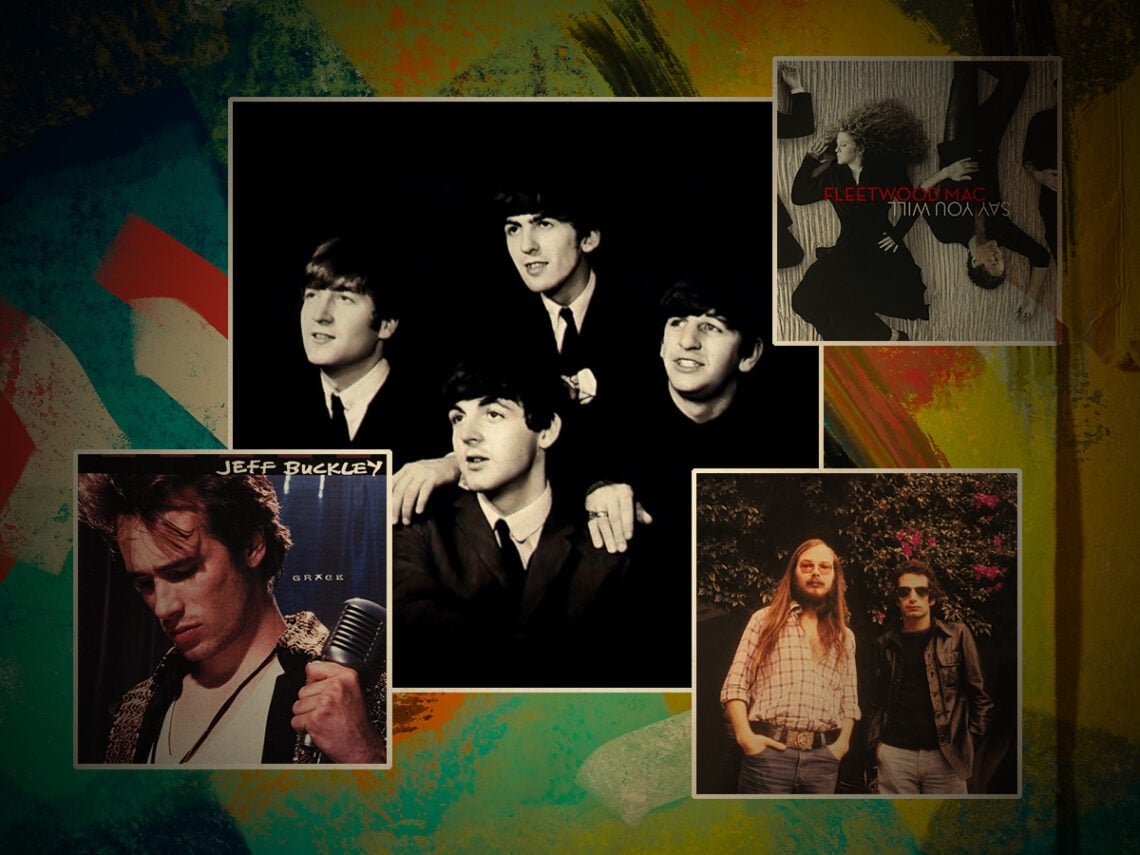
10 hit songs artists didn’t want released

Anyone should usually be proud of the record they’re working on. It takes a small army to get them in the studio in the first place, so it’s best to put your best foot forward. However, more than a few times, people like Steely Dan would rather do anything than listen to their musical skeletons.
Then again, there’s no shame in people showing everybody their dirty laundry every now and again. Every artist is human, and there are bound to be a few times when they aren’t sounding their best or have a nutty idea that they figured they’d give a try in the studio, but when inspiration goes sideways, it’s hard to look past all of the cringy pieces of their music for anyone to feel comfortable showing it to other people.
And whether it was lawsuits against record companies or disagreements among the band themselves, there was a lot of hesitation before these songs were even released. And in some of them, it’s easy to see why, especially when there are certain parts of the songs that are blatantly unfinished or places where the vocals are a bit spotty. Most people would be glad to forgive a few mishaps, but this is where it goes from being rough edges to just plain sloppy half the time.
While some of them did eventually get shelved, the ones that we have in front of us are at least interesting case studies of what was going through an artist’s head at the time. They had all the pieces lined up for a classic song, but they weren’t going to bother going through any of the follow-through to get any of them completely off the ground.
The hit songs artists never wanted you to hear:
‘Dancing in the Street’ – Van Halen

The worst thing that any record company can do is push a band past their breaking point. Everyone needs time to decompress, and if a band spends their time in the studio and on the road for most of the year, they’re going to need some time to actually live life and breathe fresh air before they’re ready to start making new music. But if you’re Van Halen and you’re short on material, you’ll get rushed in the studio with no questions asked.
Then again, Diver Down is much better than that qualifier. Eddie Van Halen did have a handful of great tunes on this record, but if there was one piece that he was not proud of, it was getting behind David Lee Roth doing ‘Dancing in the Street’. The rule of the studio meant that it was much easier to get a hit with a cover tune, but since Eddie had come up with that beautiful opening on the keyboard, he ended up getting zero credit for the version that we hear on the record.
A lot of the album might be made up of odds and ends, but knowing the backstory behind this cover only makes people sad. This could have been the basis for a new song had it been fleshed out, but I guess if the band needs new material sooner rather than later, they would need to use their table scraps for whatever padded out the runtime.
‘Yard of Blonde Girls’ – Jeff Buckley

Jeff Buckley always viewed fame as a double-edged sword. He always came alive onstage and played the kind of music that most people would only dream of being able to witness live, but the kind of adulation that came from his version of ‘Hallelujah’ was something that he was ever going to be comfortable with. He wanted to be as far away from his persona as possible, so that meant trying to bury anything that he deemed too catchy in his mind.
While Sketches for My Sweetheart was made up of both demos and finished tracks for his aborted second album, ‘Yard of Blondie Girls’ was the most contentious during the recording process. In between starting and stopping recording, Buckley made sure that none of the CEOs at his label heard the tune, fearing that they would have a rapturous response to it and immediately want to release it as his next single. So when he showed up late and it got played anyway, he was furious and did whatever he could to block it.
The rock and roll angel wouldn’t get to see how his album would turn out after passing away in 1997, but even if he were to have fleshed this out, he wasn’t “selling out” by any means. He could only be authntically himself whenever he performed, and if ‘Vancouver’ was any indication, he had the song power to put himself up there with his heroes like Led Zeppelin had he been around long enough to follow through.
‘Iron Gland’ – Alice in Chains

Every band has those moments in the studio where they need to blow off some steam. The idea of those four walls in the recording booth might bring a sense of solitude, but there’s also a good chance that it can feel like prison after a while. Some people play sports to ease their mind, some might like to jog, but Jerry Cantrell chose the most chaotic way of breaking up the tension when he came up with the stupidest riff he possibly could halfway through recording Dirt.
Alice in Chains were already on the verge of making something pitch black, but this little piece of instrumental fluff came from Cantrell trying to make an answer to Black Sabbath’s ‘Iron Man’, which got on everyone’s nerves in the studio. The whole thing was meant as a joke, but once it stopped being funny, the guitarist offered a compromise: roll the tape, let him feature the riff as an interlude on the record, and he would never play it again.
It was a fair bargain, but given the backstory, this seemed like one of the only points of levity that happened in the studio. Tom Araya does sound like a demon looking to tear the listener apart, but as scary as it sounds, whatever Layne Staley was singing about when talking about his personal demons was bound to be a lot darker.
‘The Second Arrangement’ – Steely Dan

Steely Dan never were satisfied with settling for a product that was merely good. They needed every single one of their songs to sound like they were meticulously crafted, and if they felt they did a poor job, they would let their audience know and even apologise for it. But the reason why ‘The Second Arrangement’ wasn’t released had nothing to do with the band not liking the song. It was to maintain their track record, and this tune had all kinds of drama stacked against it before it was even out.
The duo were already pressured to make something even better than Aja, but with Gaucho becoming more extravagant with each passing tune, ‘The Second Arrangement’ seemed like a nice piece of jazzy rock and roll that only needed to get its final master. When the engineers started to finalise everything, though, one of them accidentally erased an entire track, leaving the band speechless and the rest of the studio enraged, knowing that their hard work was for nothing.
While they had the safeties of the song and could have still put it out, Donald Fagen and Walter Becker figured it would be better to throw in the song ‘Third World Man’ from The Royal Scam sessions instead of ruining their album with something subpar. And this grudge wasn’t subtle, either, with the engineer remembering the duo ignored him when he saw them on the street later. Was it petty? Hell yeah, but when working on perfection, having someone get in the way was not going to be acceptable.
‘How Do You Do It’ – The Beatles

It’s hard to imagine anyone having a problem with any of The Beatles’ music when they started. The lovable mop-tops had everything going for them when playing the clubs in Liverpool, and even when they had original tunes like ‘Love Me Do’ under their belt, they were charming enough to stand alongside other rock classics. But no amount of doe-eyed stares from Paul McCartney would impress George Martin when they first walked into Abbey Road Studios.
Although the band had tried honing their craft on original material, Martin didn’t have faith that they had a hit on their hands initially, eventually telling them to record the song ‘How Do You Do It’. The song was catchy enough, but the Fabs knew that they would lose all credibility if they went in that direction, leading to them kicking up the tempo for the tune ‘Please Please Me’ before it became the version that we know today.
And listening to their demo of the tune, it’s clear that it doesn’t work for them, with John Lennon especially sounding far too saccharine than he really should. While Martin did get vindicated when Gerry and the Pacemakers made their own version of the tune a few months after the fact, this set the bar for what the Fab Four wanted. Either they were going to make music their way or they would happily go back to playing clubs.
‘My World’ – Guns N’ Roses

Use Your Illusion may have the distinction of being the one and only album that does, in fact, have everything and the kitchen sink included in it. Guns N’ Roses weren’t willing to make Appetite for Destruction part 2, but Axl Rose’s idea to go bigger and grander than anything else they had ever done was beyond what anyone had envisioned. Slash could deal with a few piano ballads here and there, but he knew they were going too far when the frontman felt he could channel Nine Inch Nails.
Then again, the idea of Rose over industrial beats doesn’t sound terrible, but it shouldn’t have been in the way that ‘My World’ was. The entire appeal of bands like Ministry and Nine Inch Nails were that they sounded legitimately scary even with all of those massive synthesiser lines behind them, but over this entire beat, Rose only hopes to come off like some strangely aggressive cartoon character, perhaps one even worthy of hanging out with Beavis and Butthead around that time.
Slash knew this kind of thing had nothing to do with what he wanted out of the record, but before he could say anything, it was already too late in the mixing process to nix it. Rose had slipped one last track in under everyone’s noses, and while it’s far from the worst thing in the world by any stretch, the idea of it being a preview for their next project only proceeded to get funnier and funnier when the wait for Chinese Democracy kept getting longer and longer.
‘Come’ – Fleetwood Mac

Any kind of comeback album from Fleetwood Mac needed to be dealt with steady hands most of the time. Those old wounds from Rumours were never going to be truly healed, and since the last proper band meeting with everyone ended with Stevie Nicks and Lindsey Buckingham getting into an altercation, it’s not like they were ready to kiss and make up when they got back into the studio. The only solution seemed to be to stack two albums on top of each other, but Say You Will wasn’t going to get everyone’s approval.
Nicks already aired out her grievances when dealing with the name of the song ‘Tusk’, so now that they had a song like ‘Come’ in the track list to complement their phallic classic, she was not that comfortable at all. Fleetwood Mac were never that kind of band anyway, and since the other cuts on the record dealt with the state of the world and Nicks’s own 9/11 tribute, ‘Illume’, the idea of breaking it up with a song about sex felt like them intentionally shooting themselves in the foot in their minds.
Since Buckingham was working on his own solo album when this started, though, he did have some authority over what made it onto the tracklist, leading to this song squeaking by without much of a problem. But for Nicks, she would gladly be a bit more refined with her word choice than being bluntly honest about her sexual prowess.
‘Better Man’ – Pearl Jam

Pearl Jam was never a band completely equipped for fame. The band had already started coming from a place of grief after Andy Wood passed away, and even if Eddie Vedder was a great substitute, he had his own fair share of emotional demons to work through when writing the album Ten. So when all that attention came at them all at once, it wasn’t shocking that they wanted to get as far away from the limelight as possible. Or, at least, Vedder needed to.
Since he couldn’t control how much the press would cover him, Vedder figured the next best thing was to make his music difficult to listen to. It was certainly disheartening for people like Mike McCready to hear, but even the frontman had a surefire hit on his hands with ‘Better Man’, there was an unspoken rule that they wouldn’t record it because it sounded too happy. Vedder even considered giving it away to Chrissie Hynde, but since they were working on the album that had ‘Bugs’, why not throw in the silly pop song?
Even without doing any music videos to promote it, the band scored one of the biggest hits of their career, with the opening becoming so classic that Vedder doesn’t bother singing the first verse and chorus half the time and lets the audience do most of the heavy lifting. But that’s really what he wanted from his music, right? It was no longer about him once he recorded it. The songs now belonged to everyone.
‘I Wish You Peace’ – Eagles

The entire objective Glenn Frey and Don Henley had with Eagles was to become one of the greatest bands the world had ever seen. There were no weak links in the chain when they started, and if anything was getting onto the record, they made sure that everyone played their hearts out and sang perfectly clear. While that eventually became a problem when Don Felder wanted to sing, the first sign that trouble was starting was when Bernie Leadon began to tire of rock and roll.
Leadon was a country player, and even if they were drifting on One of These Nights, many of his contributions were put on the side in favour of the singles. It would have been hard enough trying to compete with a song like ‘Take It to the Limit’ or ‘Lyin’ Eyes’, but Leadon insisted that ‘I Wish You Peace’ be included on the record, having written it with his girlfriend, Patti Davis, who was the daughter of Ronald Reagan.
The band acquiesced, but Henley made it abundantly clear that it wasn’t their decision to put it on the record, thinking it was too syrupy and never really measured up to the standard that the rest of the songs were at. And even if the song was fairly decent, the fact that it ends the album after the brilliant ‘After The Thrill is Gone’ feels like going on a sentimental journey that no one wanted.
A Toot and A Snore – John Lennon and Paul McCartney

From the minute Paul McCartney announced The Beatles’ breakup, every Fab fan went into denial. There was no way that the greatest band in the world had called it quits, and even if they did decide to call it a day, surely they would find some time to play together again, right? Well, most people were half-right there, but aside from some of the band members contributing to each other’s albums, the damage done between Macca and John Lennon would take longer to heal.
It got nasty towards the end of their playing days, but by the time of Lennon’s “lost weekend”, he and his old friend had made up enough to be on speaking terms. Even when McCartney was in town when Lennon was recording his album, the idea of them jamming together was on the table, but once they actually bothered to press record and have a laugh together again, each of them knew one thing: no one in the world should hear this.
What is essentially a jam session, A Toot and a Snore is ‘The Nerk Twins’ and Stevie Wonder trying to make the best music they can and sounding like they are entirely out of their element. To their credit, they probably weren’t in the best frame of mind to be back together, and the drugs may have been doing most of the talking back then, but considering what they had been working on before, they had enough sense to realise how heartbroken fans would sound if this had a mainstream release.

Never Miss A Beat
The Far Out Beatles Newsletter
All the latest stories about The Beatles from the independent voice of culture.
Straight to your inbox.