


10 classic songs that were inspired by great authors

A lot of the time, when musicians write songs, be it Bob Dylan, Bruce Springsteen, John Lennon or others, they do so by reaching deep within themselves and pulling something personal out.
This is why a lot of music tends to be deeply personal, as it’s the byproduct of an artist looking within themselves and exposing their inner feelings to the world. Of course, there is no escaping that such artists allow the things that influence them to spill out into their work as well, which is often heard in their style and sound, but sometimes in the words they use as well.
When a lyricist is particularly moved by a great author, they might steal a line from a book or a sentence structure when writing their own lyrics, and then, you have some artists who take things one step further and allow the work of an author to completely take over their song. This has led to some truly great and unique-sounding tracks, as a lot of songs inspired by authors are unlike any other songs out there, both lyrically and thematically.
These are a handful of the great songs which have been inspired by some of the greatest authors to put pen to paper.
10 songs inspired by great authors:
Kate Bush – ‘Wuthering Heights’
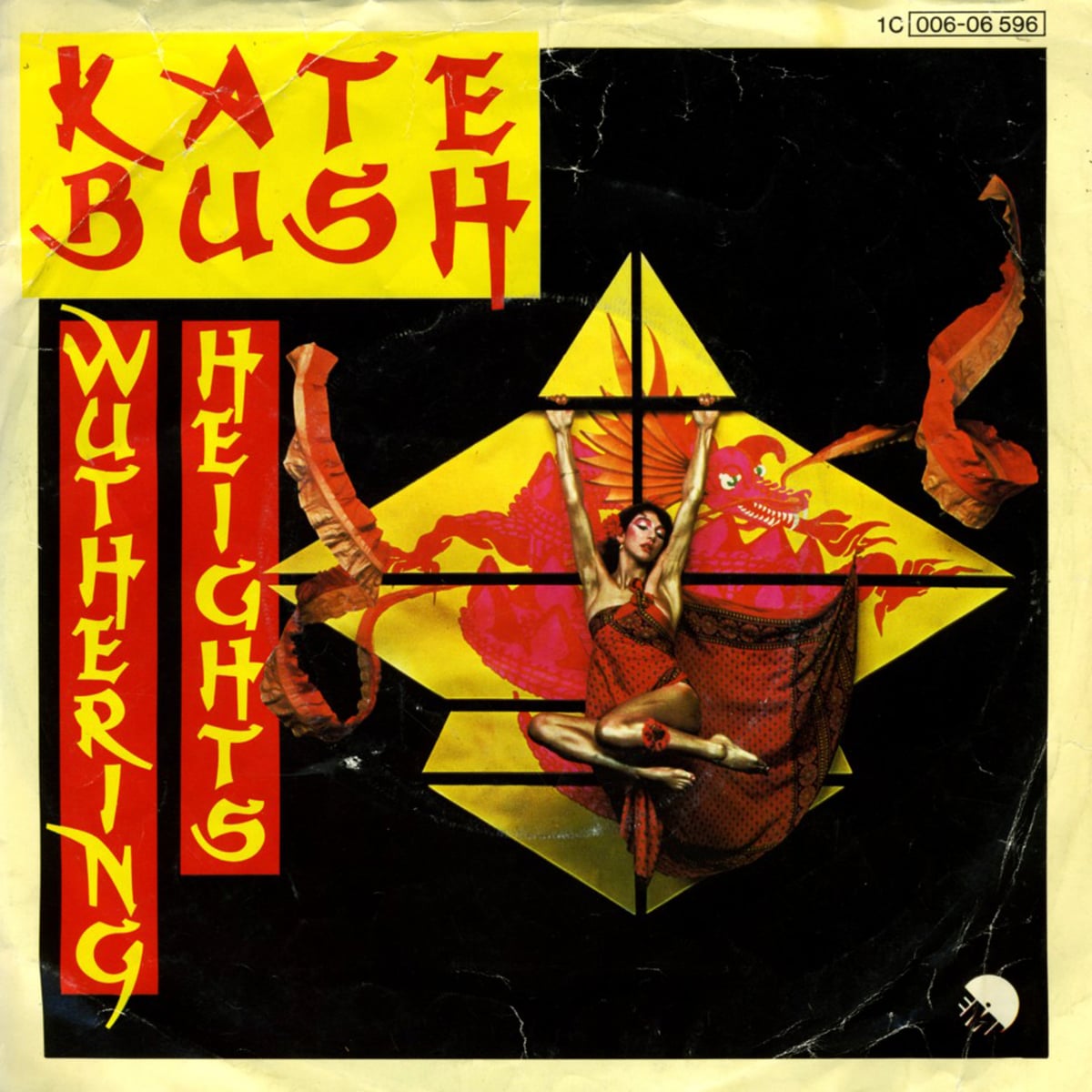
Inspired by Emily Brontë
While Charli XCX may have done the recent soundtrack for Wuthering Heights, it was Kate Bush who originally tried to put music to such an iconic novel. Released in 1978, ‘Wuthering Heights’ is one of Bush’s more conceptual and experimental numbers, and yet it’s executed to such a high standard that people around the world continue to listen.
Despite never actually reading the book in full prior to writing the song, Kate Bush understood the story and used it to put this perfect track together. “The name Cathy helped, and made it easier to project my own feelings of want for someone so much that you hate them,” she said, “I could understand how Cathy felt.”
The Rolling Stones – ‘Sympathy for the Devil’
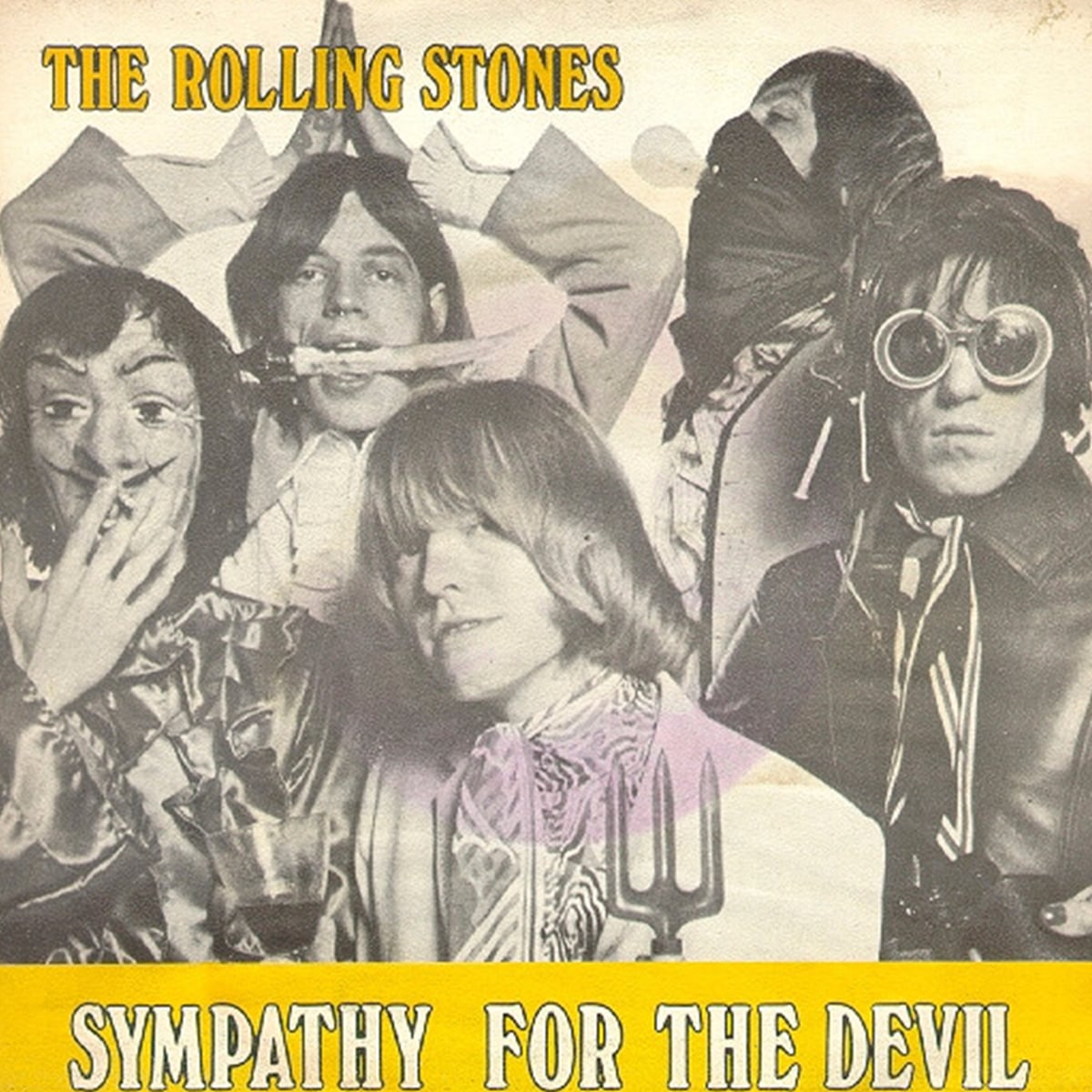
Inspired by Elena S Bulgakova and Mikhail Bulgakov
The Rolling Stones, despite being a band that epitomises the idea of ‘sex, drugs and rock ‘n’ roll’, were more than happy to get political every now and then. One of their most famous tracks where they do this is on the song ‘Sympathy for the Devil’, which is written from the point of view of Satan as he talks about being a witness to all of humankind’s misdeeds.
While a lot of people know this song is political, a lot of them don’t know that it’s actually inspired by a book, and this classic wouldn’t exist without Elena S Bulgakova and Mikhail Bulgakov’s 1967 novel, The Master and Margarita, about the devil paying a visit to the Soviet Union, challenging people’s beliefs in the process.
Japanese Breakfast – ‘Magic Mountain’
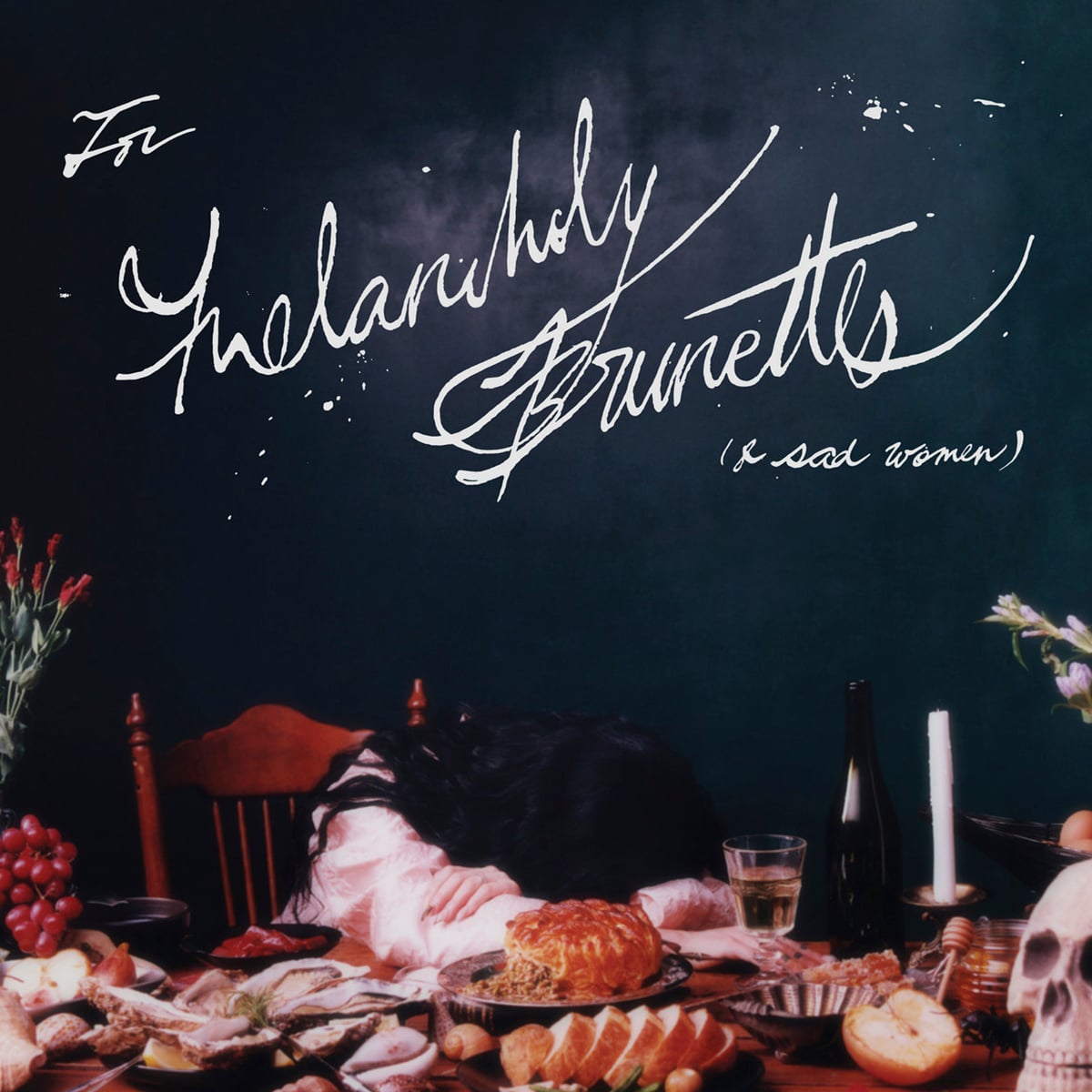
Inspired by Thomas Mann
Japanese Breakfast is no stranger to a good bit of literature, as well as being a best-selling writer herself; her work is laced with influence from other great authors spanning different periods of time. While the work of different literary figures is scattered throughout her discography, very few actually get a song named after one of their books, with the exception of Thomas Mann.
Released in 2025, ‘Magic Mountain’ is named after Mann’s novel, which has themes of depression, the relentless passage of time and how beauty can leave. This harrowing number sees out Japanese Breakfast’s newest album and is one of the standout tracks on the whole thing.
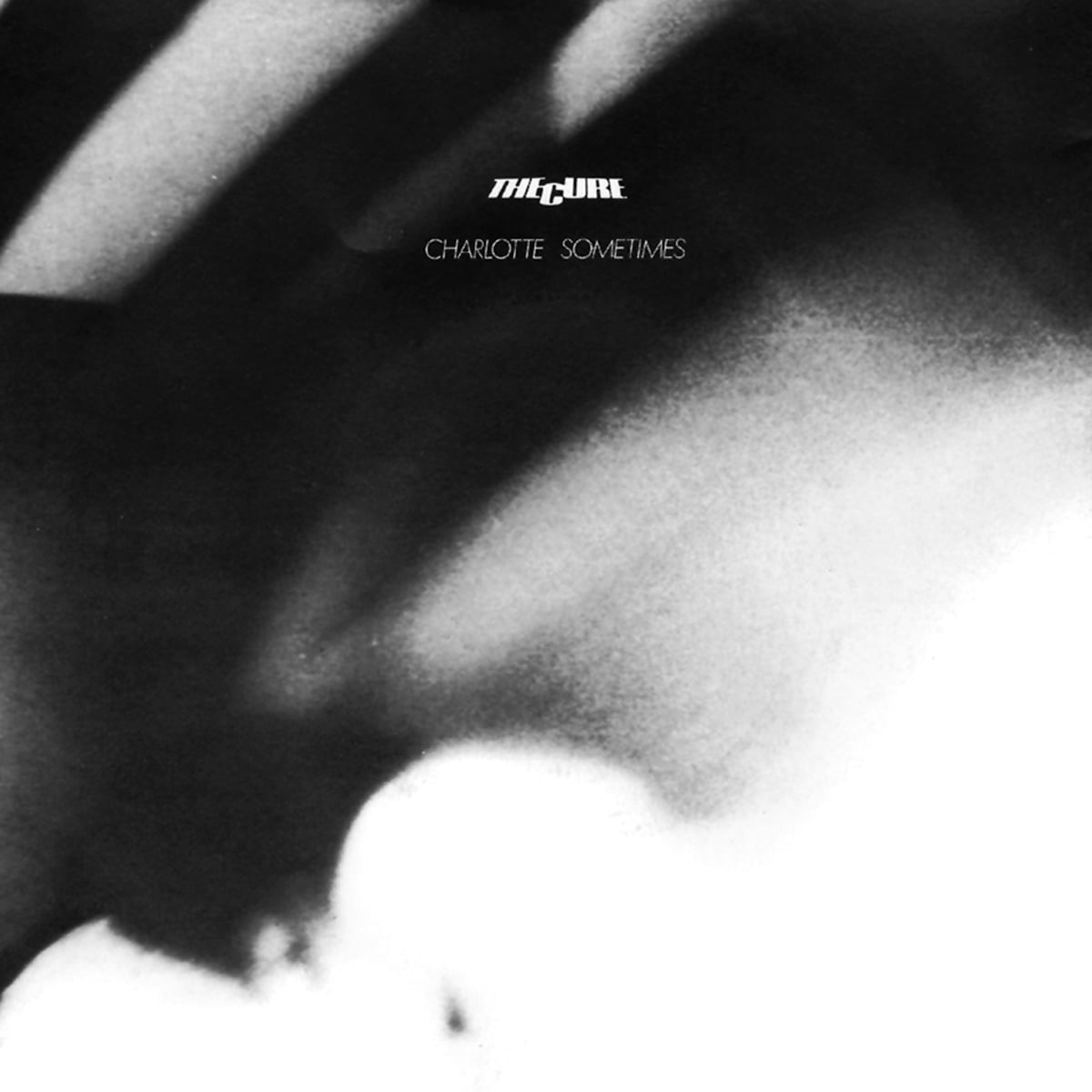
The Cure – ‘Charlotte Sometimes’
Inspired by Penelope Farmer
Inspired by the book of the same name, Robert Smith manages to capture the themes contained within Penelope Farmer’s 1969 children’s novel exceptionally well. In the novel, the title character is transported through time, and Smith writes a song which focuses on adjustment and trying to centre oneself in the midst of passing time.
Robert Smith is evidently obsessed with the novel, as ‘Charlotte Sometimes’ isn’t the only song inspired by it, with The Cure’s 1984 track ‘The Empty World’ is also the byproduct of Farmer, as the themes of her novel seem to haunt the band’s lead singer.
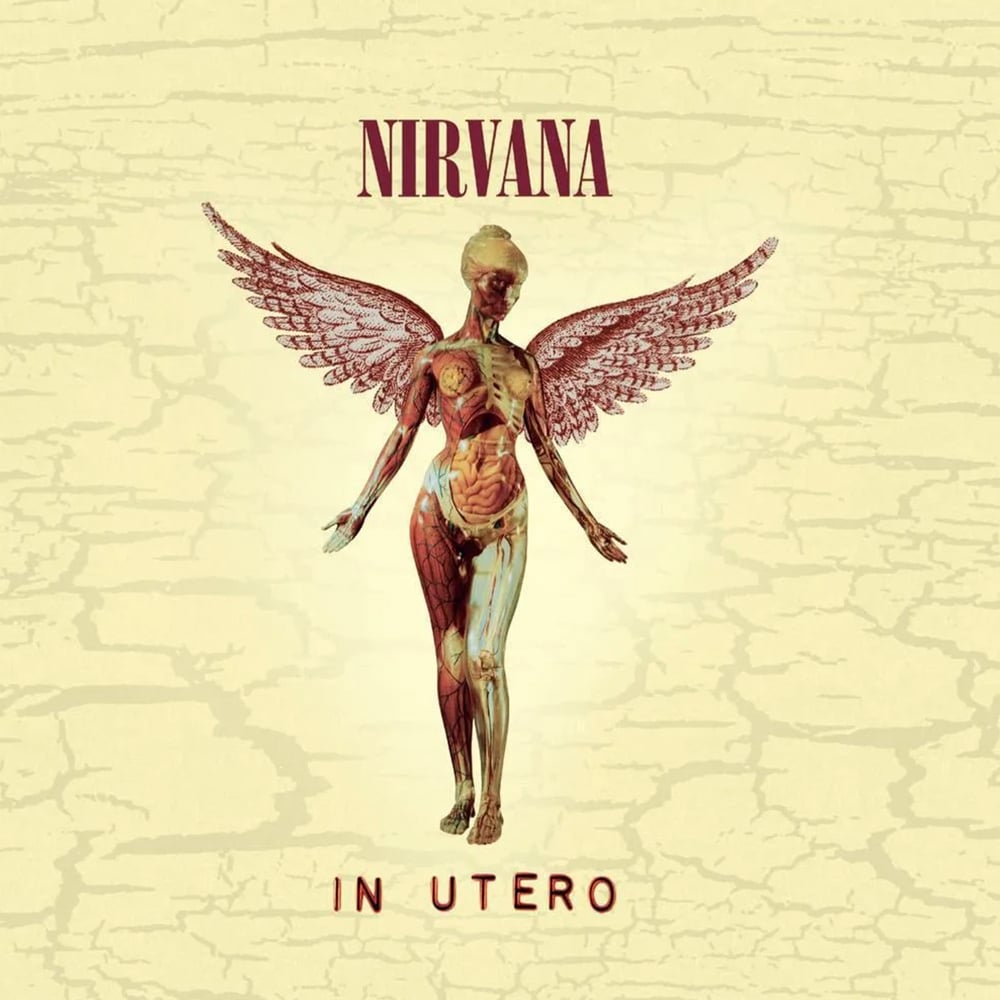
Nirvana – ‘Scentless Apprentice’
Inspired by Patrick Süskind
In Utero is famously a Nirvana album that the band churned out in quick time, as they allowed ‘mistakes’ to be left in the record and wrote the songs for the entire LP over the span of a few days. Themes throughout the record can sometimes come across as random, as a result, such as ‘Scentless Apprentice’, which was inspired by one of Kurt Cobain’s favourite novels, Perfume by Patrick Süskind.
Dave Grohl said he thinks the lyrics are some of Nirvana’s most powerful. “One of my favorite lines in a Nirvana song, which is f–king dark and which I didn’t realise the weight of until I sat in my house in Seattle playing the first mixes of In Utero is the line on ‘Scentless Apprentice’ where Kurt sings, ‘You can’t fire me because I quit’,” he said, “If there’s one line in any song that gives me the chills it’s that one. Maybe all those things that people wrote about him painted him into a corner that he couldn’t get out of.”
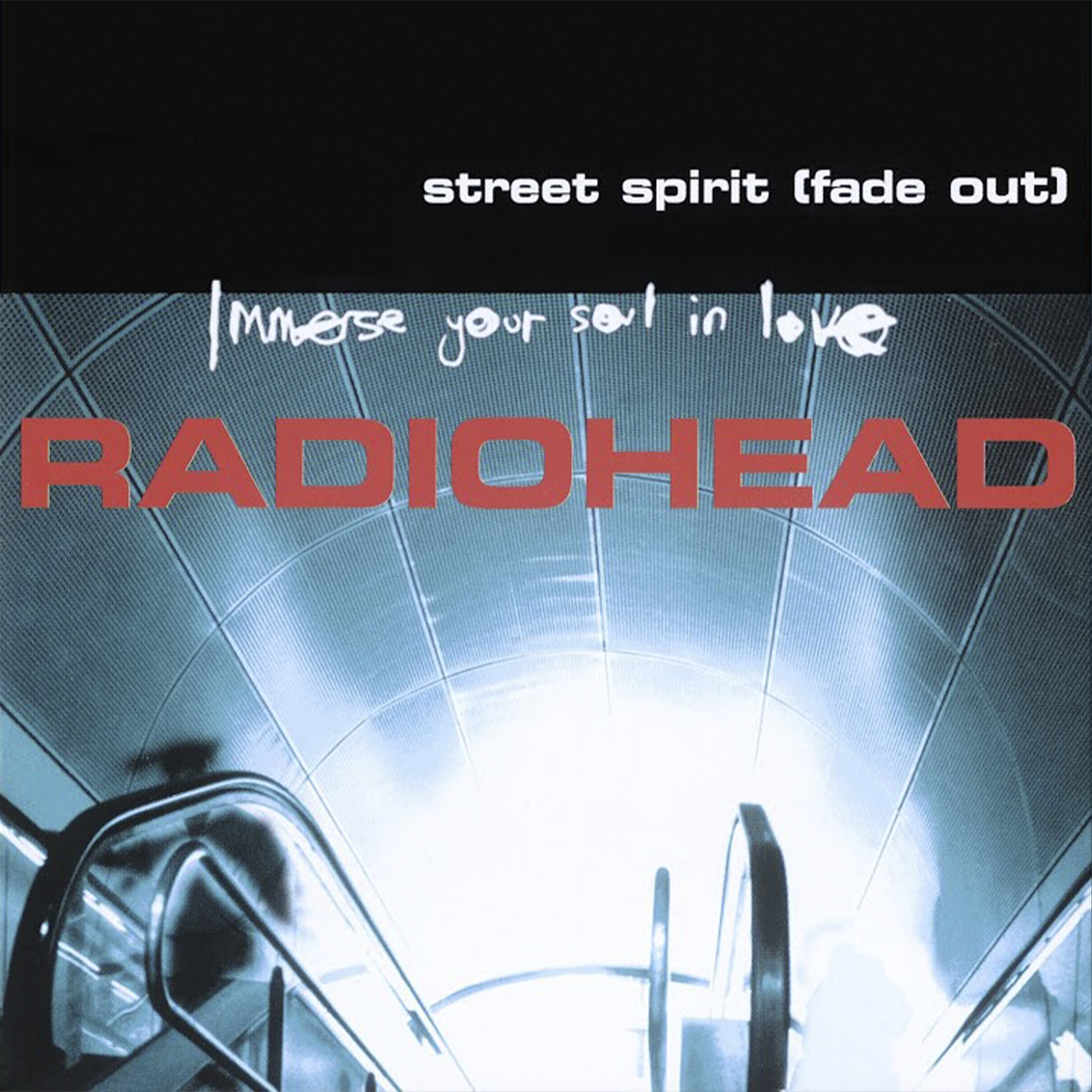
Radiohead – ‘Street Spirit (Fade Out)’
Inspired by Ben Okri
Jack Black once said that he valued how much Radiohead were willing to play around with different themes on their albums, adding that while OK Computer was conceptual, The Bends was pure rock ‘n’ roll. “If you want concept, you go OK Computer,” he said, “but if you wanna rock, if you want straight-up fucking songs, you go The Bends. The first few listens, I was like, ‘I don’t understand…My brain’s not computing…’ Then it clicked in: ‘Ohhhh, I see! It’s the best band in the history of rock!’”
While that might be a fair assessment, Radiohead were still willing to dabble with different concepts on The Bends, as can be seen on the album’s final song ‘Street Spirit (Fade Out)’, inspired by Ben Okri’s novel The Famished Road, which caused the band to write a track which was packed with emotion, and is also quite positive (which is rare for Radiohead).
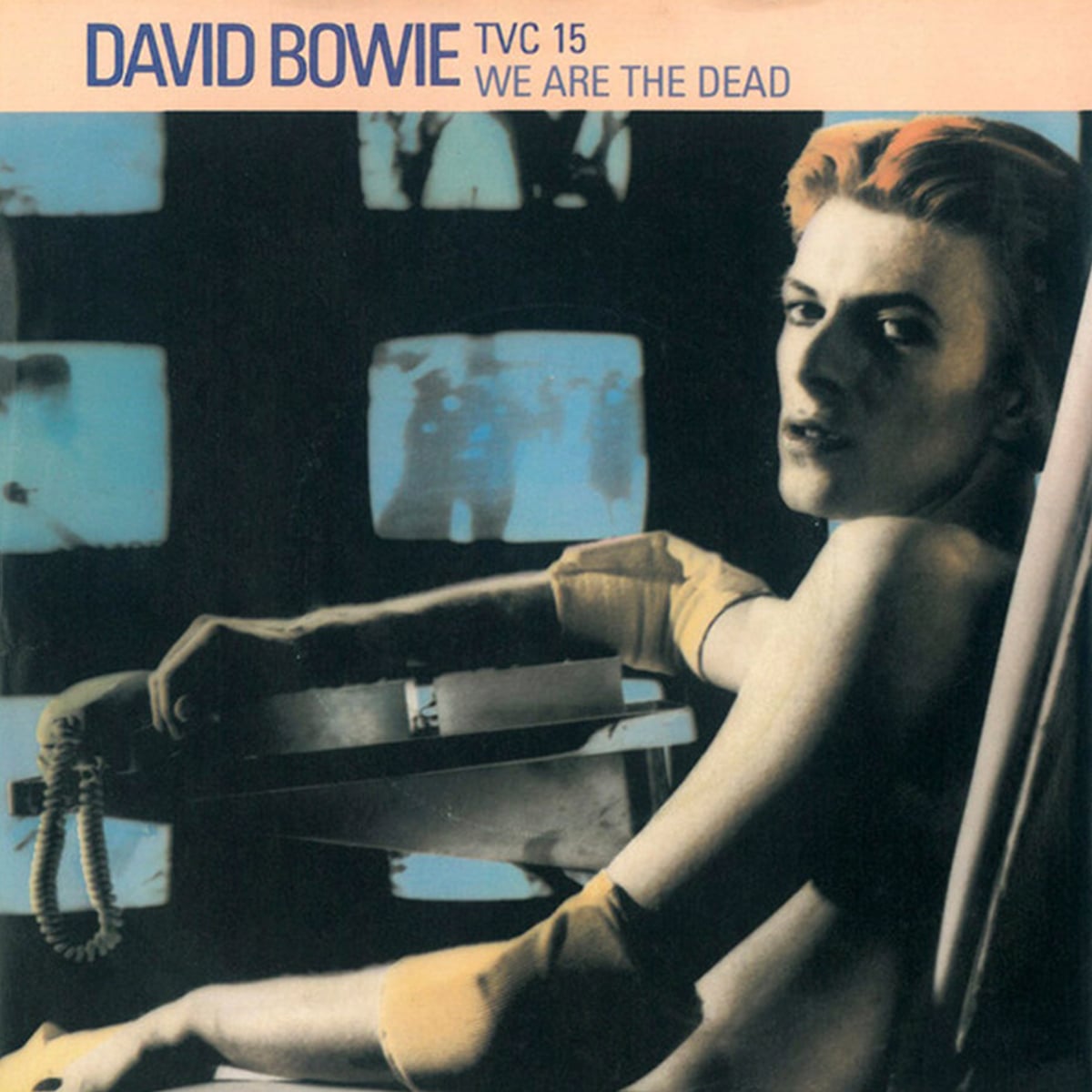
David Bowie – ‘We Are The Dead’
Inspired by George Orwell
David Bowie was always an artist who liked to dabble with different concepts, and that was taken to a new level when he intended to write an entire musical based on 1984 by George Orwell, but despite his acclaim, the writer’s estate refused to let him create as much, and so he had to settle for the occasional song borrowing themes from the dystopian classic.
We can hear this pretty clearly in the track ‘We Are the Dead’, which was released on his record Diamond Dogs. The harrowing atmosphere that envelops the entirety of Orwell’s novel can be heard very clearly on Bowie’s track, as he manages to create a song packed with emotion but that feels equally deprived of it.
Joni Mitchell – ‘Both Sides Now’
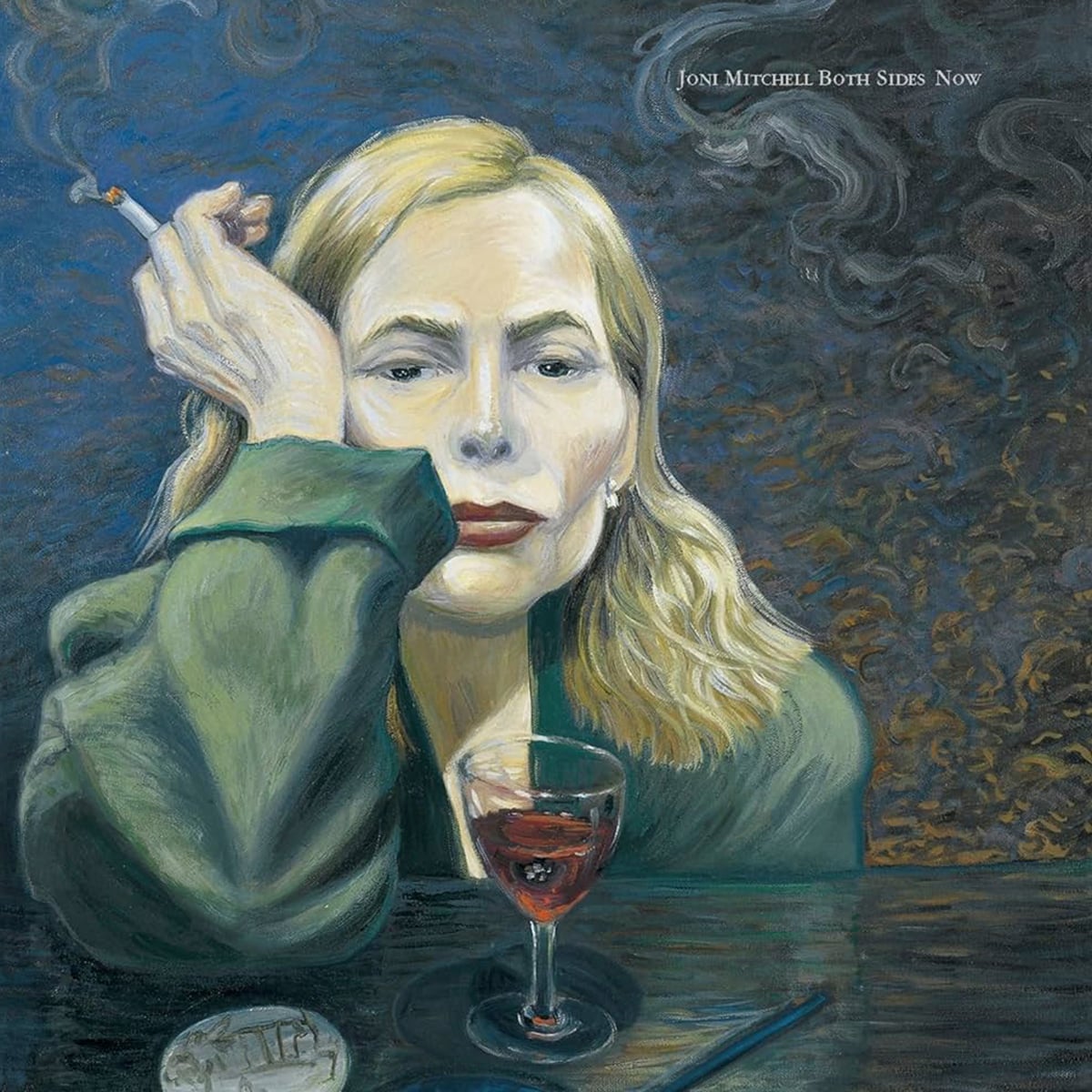
Inspired by Saul Bellow
Joni Mitchell was an artist who was able to take beautiful poetry out of whatever situation she found herself in. She has been credited by many as the greatest wordsmith in musical history. “She’s as good a poet as Bob (Dylan), and she’s ten times the musician and singer than he is,” said David Crosby when discussing her, “I care about him, but the truth is she’s much better as a musician and much better as a singer.”
You can hear how good a lyricist she is in the song ‘Both Sides Now’, as while most of us read a book on a plane to pass the time, Mitchell did the same thing and got one of her best tracks out of it. While on a journey in the sky, reading Henderson the Rain King by Saul Bellow, a combination of the book and the passing clouds out the window helped the singer put together her classic.
The Velvet Underground – ‘Venus in Furs’
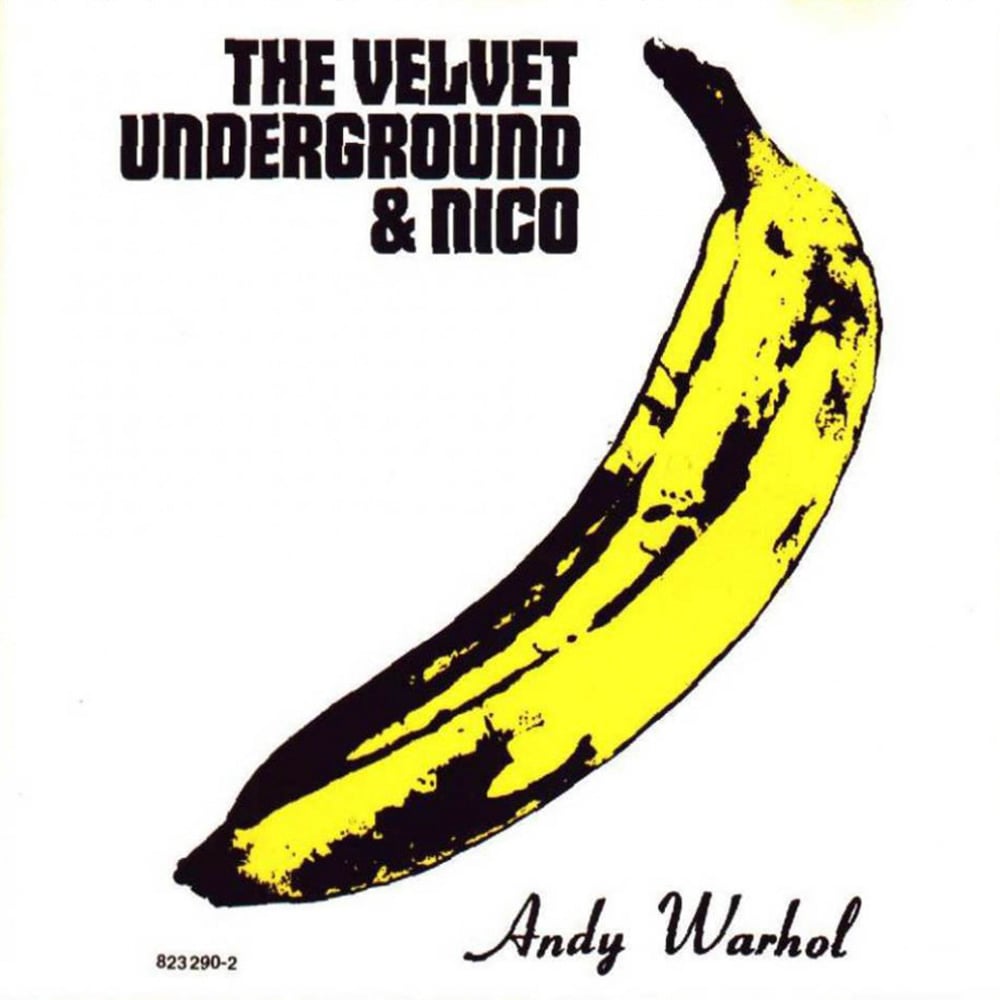
Inspired by Leopold Von Sacher-Masoch
Lou Reed is one of the most prolific poets in all of music, who didn’t just want to write lyrics for the sake of it, but wanted people to feel genuine emotion thanks to his words, and take something away from them that they didn’t know going into the track. His words were borderline literature in and of themselves, so it’s hardly a surprise that Reed was often inspired by his favourite books.
That was the case in his song ‘Venus in Furs’, inspired by Leopold Von Sacher-Masoch’s infamous novel of the same name from 1870, which spoke of submission within male sexuality. You can hear a sense of turmoil in the track, both within the words and also thanks to screeching guitar and cinematic layering.
Jeff Wayne – ‘The Eve of the War’
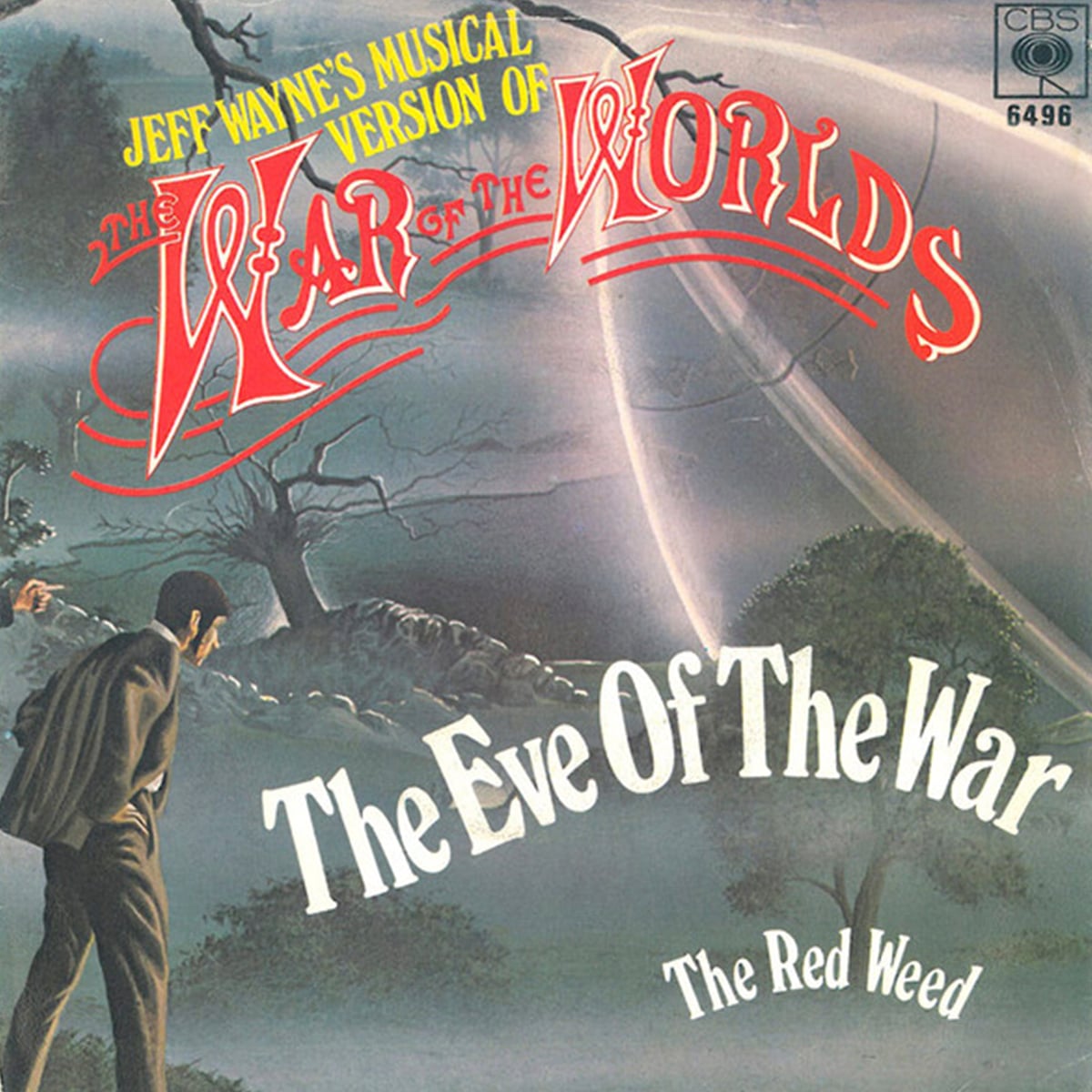
Inspired by HG Wells
OK, it might seem a little bit on the nose, but when your novel has quite literally caused people in the street to run riot because they genuinely believed an alien invasion was happening, it deserves a place on this list. Jeff Wayne didn’t just lay the story down on music; he brought it to life in a way that other tracks on this list weren’t able to do.
The novel, which originally inspired the song ‘The Eve of the War’ and the whole album for War of the Worlds, was the book of the same name by HG Wells, and it saw Wayne take this loose story about martians and make it one of the most epic concept albums of all time.
