


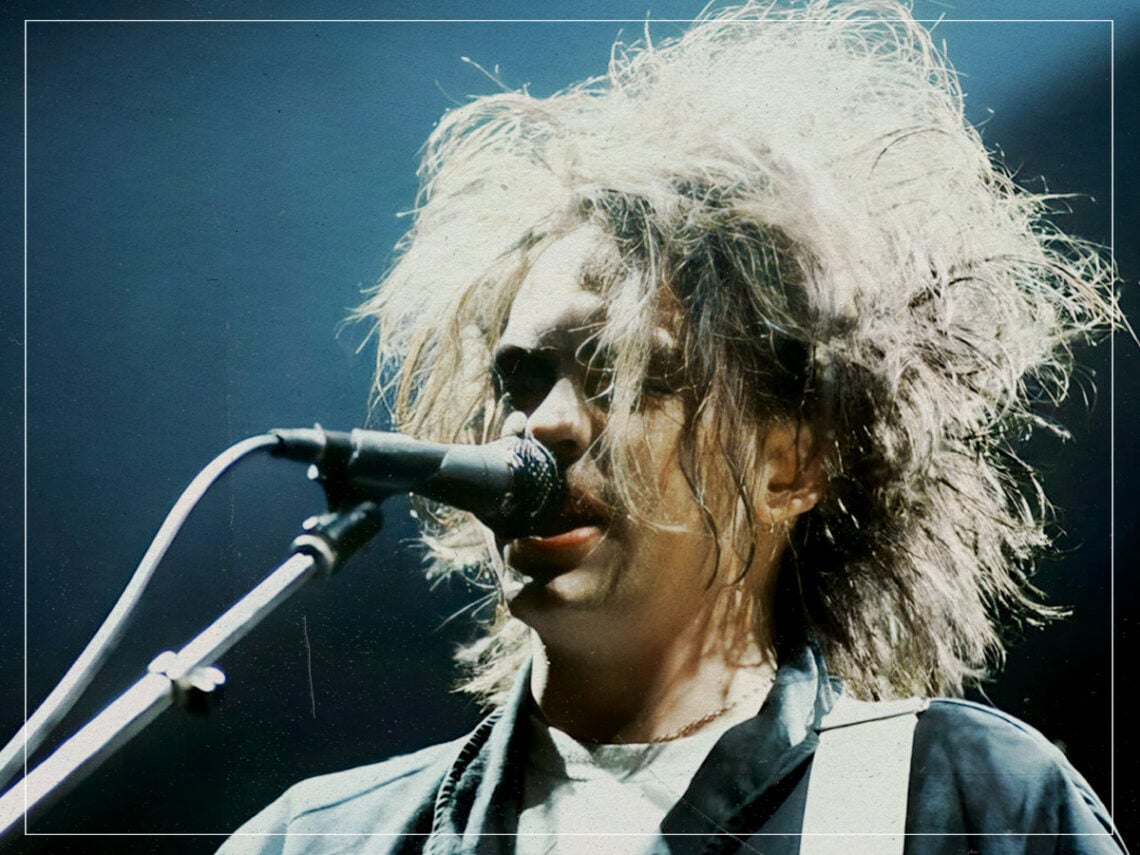
Robert Smith believes “a certain amount of disrespect” was key to The Cure’s success

“In my scheme of things, this record means nothing to me sometimes, and other times it’s the most important thing I’ve ever done,” Robert Smith said in 1989, just ahead of the release of what many still consider The Cure’s magnum opus, Disintegration, adding, “I don’t ever seem to be able to enjoy a happy medium.”
This yo-yo-ing, yin-and-yang aspect of Smith’s personality was nothing new, nor was the way it manifested itself into The Cure’s music from one record to the next, as the band seemed to master the tightrope walk between goth horror and panto comedy in a way only Tim Burton had matched in the 1980s.
The primary difference with the Disintegration era compared to earlier chapters in the band’s career was, not unlike Burton, the number of eyeballs now on them. This album was their Batman ‘89, after all, complete with massive blockbuster audiences in America, and Smith seemed aware of it and ready for it; if not ever entirely at ease with the pop idol responsibilities that came with it.
“I’ve become more aware of that role,” he said, “I can accept it as natural now… When we were doing 17 Seconds and Faith, and even Pornography, it wouldn’t have mattered if it had been released, because we didn’t think anyone would listen to it. If this album wasn’t released, it would matter, because it’s partly been made for people to listen to. I’m really proud of what we’ve done.”
Of course, as has already become a tradition by this point, Smith was once again pondering the possibility of pulling the plug on The Cure after Disintegration, regardless of how the album was received. It was a bit of a “boy cried wolf” situation, as these types of vague threats had been made repeatedly for years, with the frontman openly discussing the anguish of writing new material, the challenges of touring, and the fact that The Cure had never been envisioned with longevity in mind to begin with.
A lot of these points have only come to sound increasingly silly and ironic over subsequent decades, but while he wasted a lot of breath talking about reasons to call it quits, he also sometimes stumbled into explanations for why The Cure had persevered.
Through much of the ‘80s, the band was understandably compared to some of the similarly minded British indie groups of the day, including New Order, The Smiths, Echo & The Bunnymen, and Siouxsie and the Banshees, but after a while, they seemed to separate themselves somehow, extricating the band from a specific scene or any trendy expectations coming from the press or even their own fans.
“The difference between us and these [other] groups is that the only thing The Cure take seriously is what’s brought out on record or when we perform for the two hours we’re onstage,” Smith said, “Everything else is treated with a certain amount of disrespect, even each other. There’ve been several things we’ve done where we’ve looked ridiculous, and people could have thought, ‘Oh God, The Cure, what a desperately unhip group’. In fact, it’s worked the opposite way, and everyone thought, ‘How brilliant that they care so little about what they look like’.”
Almost 40 years later, incredibly, that formula has held up. The Cure, with Smith as their simultaneously bizarre and bizarrely grounded leader, have continued to show a mild, healthy disregard for the usual way of doing things, and it has continued to endear them to new generations of fans, most of whom appreciate the purity of unserious men doing serious work, or vice versa.
