


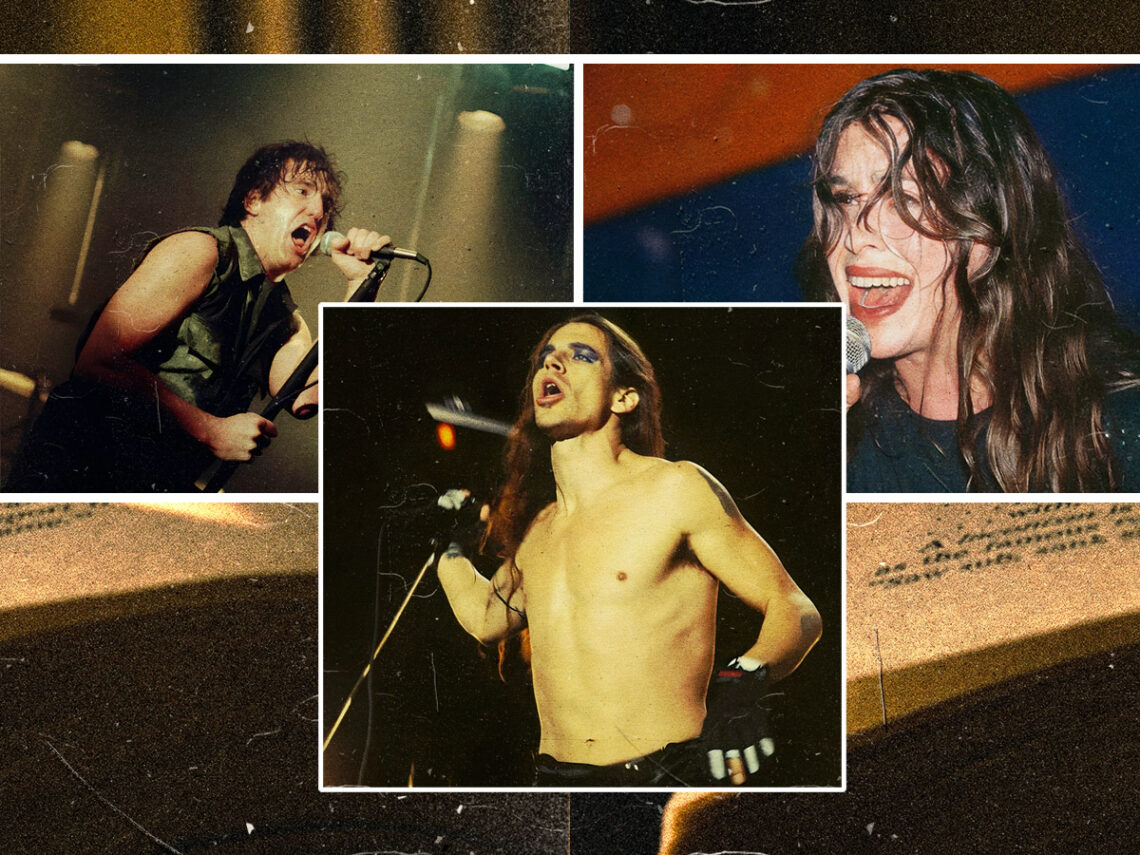
10 classic rock songs that have dark backstories

Every artist’s job is to leave a piece of their soul in their best material. While there’s nothing wrong with having a handful of meaningless tracks on a record, the highlights of any artist’s career arrive when they can reach down into their heart and create a musical form of emotion on the finished product. It’s not always a pretty sight, though, and acts like Black Sabbath and Nirvana have let their fans in on the dark side of life.
During the writing sessions for these tunes, every member wasn’t exactly in the best headspace. Whether going through trouble in their personal lives or having the label breathing down their neck, the songs they wrote to deal with their troubles became the strongest material they would ever put out.
While it may have been hard to put emotions this raw onto vinyl, it may have only worsened once those emotional outlets started climbing the charts. As opposed to just leaving them as art pieces, musicians would often find themselves having to go down that emotional rabbit hole every time they played live.
Any of that lyrical depth usually flew over the listeners’ heads as well, paying attention more to the catchy tune than the demented head-trip going on in the lyrics. There are many layers to every classic tune, but if fans were to take a deep dive, they would also leave the listener with a few emotional scars.
What often goes unspoken is how exhausting that vulnerability can become over time. A song written in a private moment of catharsis can turn into a nightly obligation once it becomes a hit, forcing artists to reopen wounds long after they have tried to move forward. The crowd may experience release and connection, but for the performer, the repetition can feel less like celebration and more like reliving the source of the pain.
Still, those deeply personal tracks are often the ones that endure the longest. Listeners may not always grasp the full weight of the lyrics, but they instinctively recognise honesty when they hear it. The darkness woven into songs by bands like Black Sabbath and Nirvana becomes part of their staying power, proof that music at its most powerful is not escapism, but confrontation.
10 songs with dark backstories:
‘One’ – Metallica

From day one, Metallica prided themselves on never writing about demons. Although half of any heavy metal band’s songbook has to do with demons stampeding across the world and laying waste to everything in their path, James Hetfield was often inspired by the real-life horrors of the world, like the effects that drugs can have on someone in ‘Master of Puppets’. Though there is man-made terror going on every single day, the lyrics to ‘One’ are ripped straight out of a nightmare.
Inspired by the book Johnny Got His Gun, Hetfield tells the tale of a soldier who was the victim of a landmine during World War II. Losing all of his limbs and unable to communicate, all the protagonist feels is pain as he tries desperately to let the doctors know that he wants to die. Although the first section of the track deals with sorrow, the second half is where the panic sets in.
With the guitars simulating the sounds of machine gun fire, Hetfield grows frantic in the final verse, seeing the walls imprisoning him inside his mind. Unable to speak anymore, the man resigns himself to spending the rest of his life trapped inside his head, waiting for someday when the cold embrace of death comes for him. Whereas most metal bands like to have blood on the pages, Metallica’s approach is more in the vein of psychological horror.
‘Rooster’ – Alice in Chains
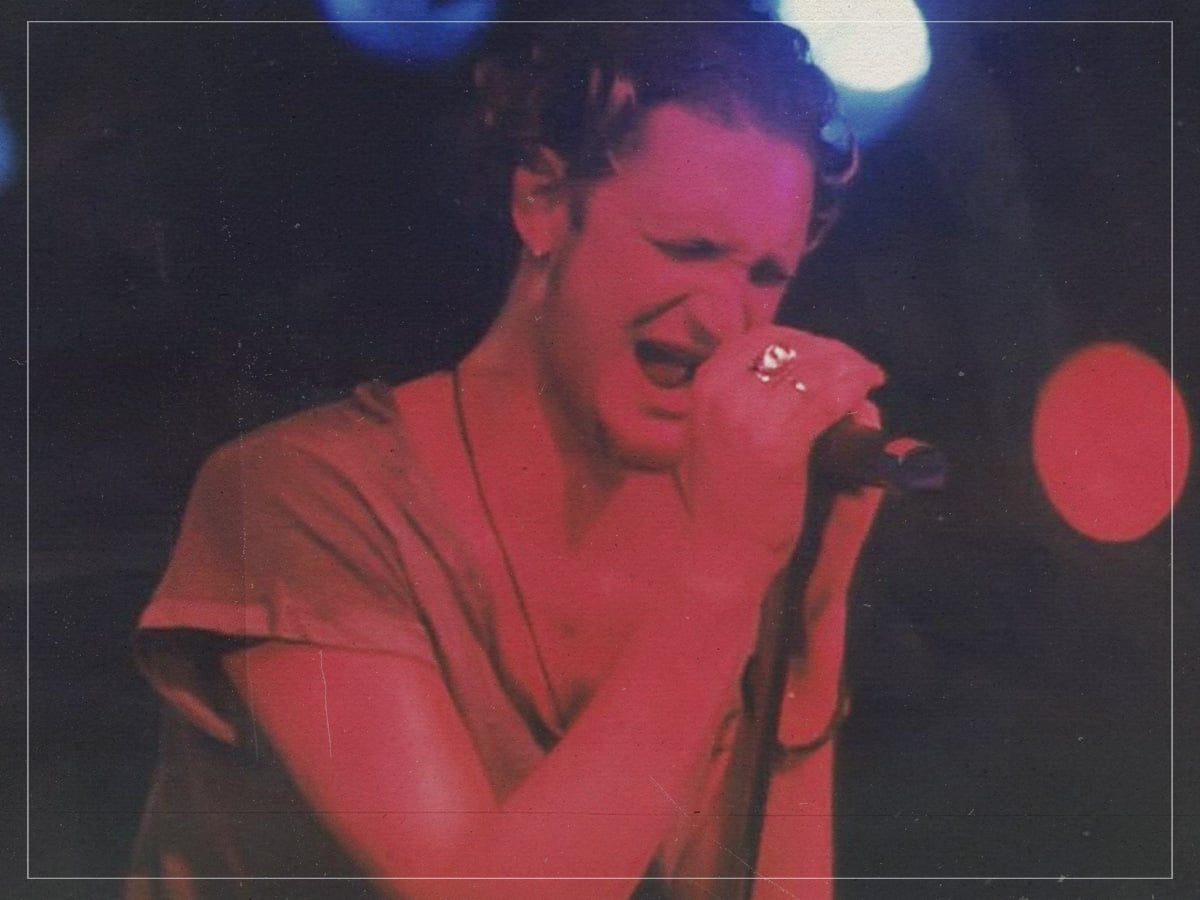
When grunge started, rock and roll was beginning to get in tune with its emotions. Following years of having to cower to what the hair metal bands were singing about, acts like Nirvana and Soundgarden often looked inward to air out their grievances in song. Alice in Chains was no different initially, but a meeting with Jerry Cantrell’s father birthed one of their heaviest tunes.
Serving as a soldier in the Vietnam War, ‘Rooster’ was taken from Cantrell Sr’s nickname when he served in the military. Taking inspiration from the various war stories he was told as a kid, Cantrell paints a grim picture of what life in war is like, as the ‘Rooster’ makes his way through the jungle and sees all of his brothers lying dead behind him.
Although the chorus reminds us that he will not die, it’s unclear if he will survive in one piece as he pleads with God to help him make it through one more day to see his wife and children again. The actual ‘Rooster’ may have returned to the US safely, but there are always emotional scars that will never fully heal.
‘You Learn’ – Alanis Morissette

Everyone cutting their teeth as a rock star tends to go through a breaking-in period. Since the music world knows nothing about them, artists spend years honing their craft for pennies before graduating to the big leagues. While things were finally looking up for Alanis Morissette with the release of Jagged Little Pill, ‘You Learn’ was a reminder of what life was like down at the bottom.
Boasting one of the strongest choruses on the record, Morissette is blunt about her experiences making ends meet, from the physical stresses it put on her to the emotional struggles of not knowing whether her work is good enough. While there’s a sardonic twist to most of the lyrics, hearing Morissette recommend that people get their hearts trampled on also feels like it’s coming from a genuine place.
That was only one facet of what Morissette had to get off her chest on her breakout release, venting in anger about an old flame on ‘You Oughta Know’ and reflecting on the duality of man that she sees every single day on ‘Hand in My Pocket’. Morissette knows that there will probably be far more pop stars like her in the future, but the effort it takes to become the biggest star in the world wasn’t lost on her.
‘Under the Bridge’ – Red Hot Chili Peppers

For most of their early career, Red Hot Chili Peppers couldn’t be considered the most lyrical band in the world. Since most of their songs had to do with absolute nonsense or horny odes to sex, half of Anthony Kiedis’ flow came down to creating a good time for the fans than anything that made them think. After unlocking a songwriting door with ‘Knock Me Down’, Kiedis was finally comfortable enough to air his emotions on their next record.
Working with Rick Rubin to create Blood Sugar Sex Magik, the producer had initially suggested putting music to a poem that Kiedis had written with the same title. Documenting his time living as a junkie, Kiedis never considered it something for the band, preferring that it stay an autobiographical poem until John Frusciante added his signature funk-rock groove behind the lyrics.
While fans might not have been ready for the same band behind ‘Stone Cold Bush’ to write a ballad, ‘Under the Bridge’ would become one of the most essential tracks of the 1990s, capturing a moment in time when Kiedis was living as a dead-end rock star who gave away years of his life to drugs. Despite reminiscing on life in the gutter, Kiedis could practically use this song as a PSA for what the effects of hard drugs can do to a person.
‘Jeremy’ – Pearl Jam

For a genre as introspective as grunge, Pearl Jam was never above writing story-driven material. While most acts out of Seattle were looking to document their pain and torment in every song they wrote, Eddie Vedder was more interested in learning about other people’s lives, from the disowned girl of ‘Daughter’ to the murdering spree in ‘Once’. Midway through the production of Ten, though, Vedder stumbled upon a news story too strong not to put music to.
Written with bassist Jeff Ament, ‘Jeremy’ follows the real-life tale of Jeremy Wade Delle, who had killed himself in front of his classmates years before. Instead of getting into Jeremy’s mind, though, Vedder chooses to be an onlooker, one of the many who picked on Jeremy at school before hearing of that fateful day.
In the chorus, Vedder can’t even bring himself to say what happened, only recalling the vivid image of when “Jeremy spoke in class today”. The song’s intensity was evident when the music video featured an actor playing Jeremy simulating suicide in front of his classmates. While many may have talked about the grunge icons glorifying violence, this was a cry for help from lost kids years before mass shootings became widespread.
‘Daddy’ – Korn
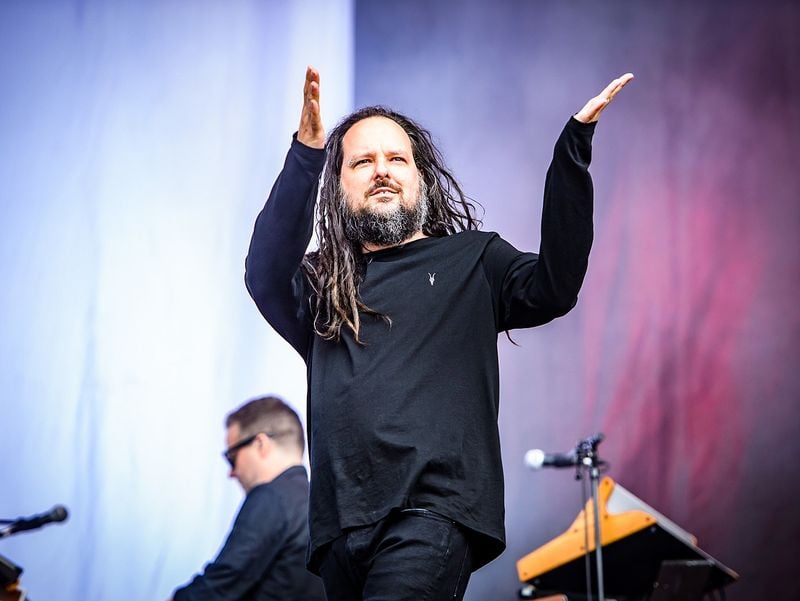
As the first wave of grunge faded, the metal scene started to rear its head again. With hair metal and thrash all but wiped out by the alternative movement, acts like Korn had started to crop up, creating an aggro approach to the genre featuring drop-tuned guitars and tortured lyrics. While the band’s debut featured the strongest material of their early years, ‘Daddy’ is still the one Korn track Jonathan Davis won’t talk about.
During his childhood, Davis had been sexually assaulted by a friend of his family, only for his parents not to believe him when he confessed what happened. Rather than go to the authorities, Davis channelled all of his rage into the song ‘Daddy’, depicting his trauma in graphic detail as the rest of the band creates sonic mayhem around him.
The final take also includes the sound of Davis breaking down in the studio, sobbing during his performance and having to pull himself together to deliver the final screams. Even though they captured the magic once in the studio, Davis has said he never wants to play the song live again.
‘Black Sabbath’ – Black Sabbath

As rock made its way out of the 1960s, bands were just starting to understand the meaning of heavy. Outside of the blues acts like The Rolling Stones, acts like Led Zeppelin were reinventing what rock and roll could sound like, breaking down the barriers between the blues and riff-based rock. While Black Sabbath started playing a similar brand of blues-based rock, things began to turn a corner once Geezer Butler wrote their namesake track.
Before joining Sabbath, Butler was also a fan of the occult and began collecting books about astral planes regarding occult beliefs. After one night of reading, Butler went to bed only to find a dark figure cloaked in black standing at the foot of his bed, pointing at him with glowing red eyes. Though the spirit never harmed Butler, he used the experience as his muse once Tony Iommi brought in one of the scariest riffs of all time.
Documenting his experience, Butler tells the story of the figure in black who eventually will take him down to hell. While Butler’s lyrics may have helped launch Sabbath’s demented streak, the dissonance in Iommi’s guitar riff is enough to conjure images of spirits rising from the underworld.
‘Hurt’ – Nine Inch Nails
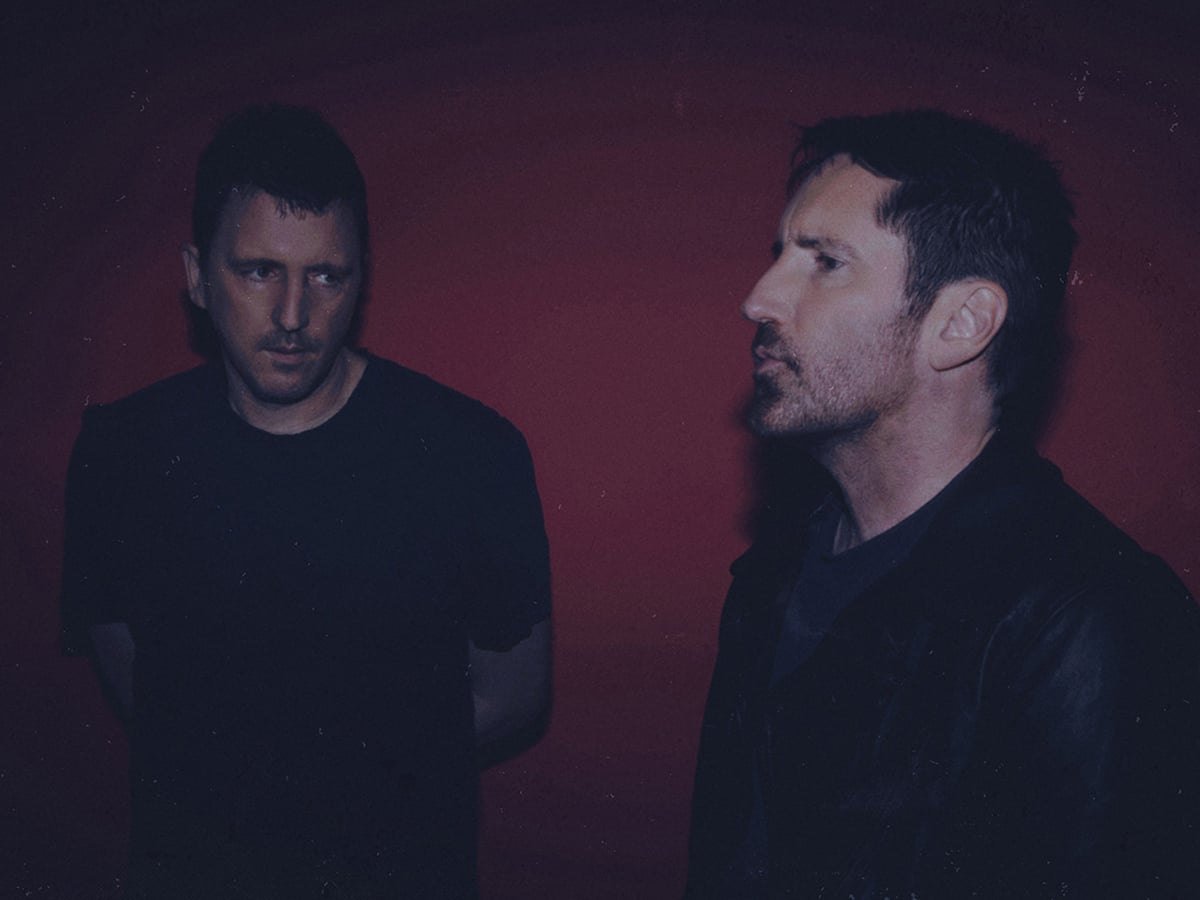
After becoming one of the biggest stars in the world, Trent Reznor still realised that he had nothing. Having indulged his rock star fantasies for most of Nine Inch Nails’ debut, Pretty Hate Machine, Reznor found that all of the hang-ups that he had when he was a kid were still true. Once he returned to the studio for the next record, he sought to make one of the most disturbing album experiences anyone had ever heard on The Downward Spiral.
Telling the story of a man slowly working towards insanity, the album concludes with the protagonist committing suicide, as he makes different allusions to playing with a loaded gun. As the man bleeds out, ‘Hurt’ begins playing as a post-script for his life, as Reznor sings about what he could have done differently and cries over just how far he let himself sink.
Though the cover version by Johnny Cash may have eclipsed Reznor’s version these days, hearing him sing about getting better when he was still broken inside hits a lot harder than ‘The Man In Black’. Cash may have been asking for redemption after a life well-lived, but Reznor is wrestling with himself not to get swept up in his old ways again.
‘Polly’ – Nirvana

Chances are, no one was prepared for what Nirvana did with the release of Nevermind. Even if Kurt Cobain wanted to be one of the biggest rock stars in the world, he probably had no idea what baggage came with that responsibility. Although it may have been hard working through his warped version of fame, Cobain still had his heart in the right place when crafting ‘Polly’.
For years, Cobain had been outspoken about standing up for women’s rights, and reading a news story about a woman being tortured at a show in Seattle struck a nerve with him. Although the woman in question eventually got away, Cobain pens ‘Polly’ from the point of view of the torturer, as he absent-mindedly tries to have his way with this woman he has tied up in the back of his truck.
While all of the lyrics are incredibly dark if looked at closely, the scariest aspect of the song is how Cobain sings it, sounding completely unphased about the fact that he’s about to do unspeakable things to this defenceless woman. Cobain would eventually write further dissections of women’s rights like ‘Sappy’, but nothing captures the disturbing nature of being held against one’s will quite like ‘Polly’.
‘Mother’ – John Lennon

Before The Beatles, John Lennon’s life wasn’t necessarily sunshine and roses. While much has been made of his abusive tendencies as a youngster, ‘The Intellectual Beatle’ came from a troubled home life, which involved both his mother and father abandoning him at an early age. After undergoing primal scream therapy during the end of The Beatles’ career, Lennon had a lot of emotional baggage to unpack on ‘Mother’.
Serving as the mission statement of Plastic Ono Band, Lennon is completely naked on this track, confessing all of his pent-up frustration towards not feeling loved by his parents. Even though there are hardly any lyrics, every single line is a heartbreaking piece of poetry, from Lennon remembering how his father didn’t need him to ask children not to do what he has done to deserve such a fate.
As the song builds in intensity, Lennon finally lets out his anger properly, screaming his head off in the final minutes as he asks for his mother not to leave and his father to come home. For all of the macho posturing that Lennon liked to exude in the past, ‘Mother’ shows the real Lennon behind those wire-rimmed glasses: a sad little boy who never got the love that he deserved.
