


10 classic movies that Pauline Kael hated with a passion

Pauline Kael was one of the most controversial film critics of all time, primarily for consistently slating some widely loved movies, often resorting to pretty harsh means to detail her hatred for certain titles.
When you see the extensive list of movies she detested, it makes you wonder what she did like. Well, her particular favourites included the 1920s silent film Ménilmontant, some Martin Scorsese classics like Mean Streets, and Arthur Penn’s New Hollywood classic Bonnie and Clyde, but even then, her taste was pretty unpredictable, to be honest, and you never knew if you were about to read a glowing review or one that would absolutely tear a movie to shreds.
While this certainly made her an enjoyable critic to read and look forward to, she also made her fair share of cinematic enemies, like George Lucas, who named the villain in Willow, General Kael, after the writer.
She wrote some pretty shocking reviews for some undisputed classics that might have your head spinning, so here are ten such titles catching her bile.
10 classic movies Pauline Kael passionately hated:
‘Vertigo’ (Alfred Hitchcock, 1958)
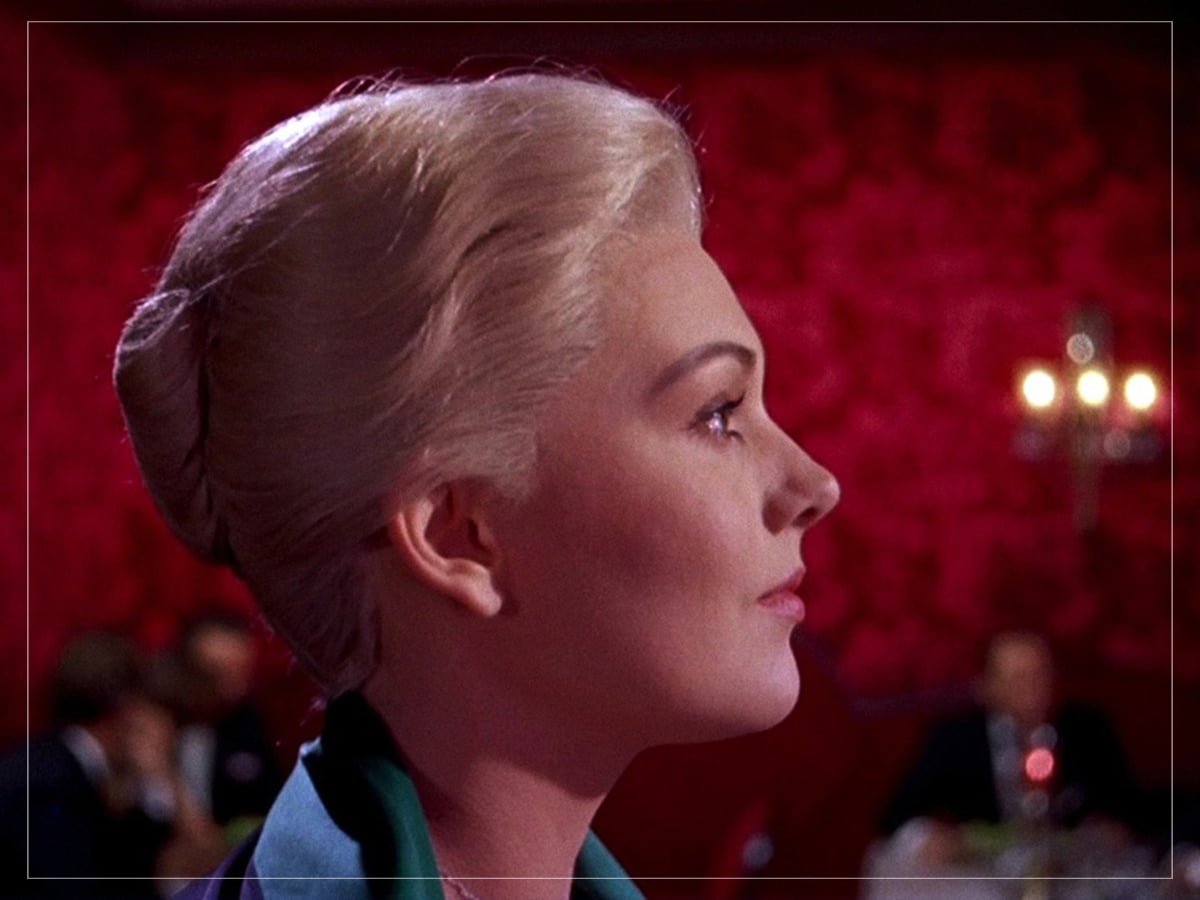
Alfred Hitchcock’s Vertigo is a spectacular film, a masterpiece painted in vivid Technicolor and bursting with terrific performances from Jimmy Stewart and Kim Novak. Exploring themes of obsession, it’s one of the greatest things the filmmaker ever made in the form of a beautiful and psychologically rich journey into a man’s crumbling sense of sanity but Kael didn’t seem to like it.
It’s hard to imagine watching this film and thinking it isn’t anything less than brilliant. Bernard Herrmann’s score is magnificent, while the plot twist truly takes your breath away, as does that bedroom sequence where Novak is illuminated in green; however, to Kael, it was merely a “stupid” film.
‘The Sound of Music’ (Robert Wise, 1965)

Packed to the brim with memorable musical performances like ‘Do-Re-Mi’ and ‘My Favourite Things’, The Sound of Music is a beloved classic that you can hardly dispute as every bit the enduring masterpiece. Well, that’s unless you’re Kael, of course, who really wasn’t keen on the Julie Andrews musical, even if it won ‘Best Picture’ and ‘Best Director’ for Robert Wise at the Academy Awards.
Rather brutally, the critic called the film “the single most repressive influence on artistic freedom in movies”, which I think anyone would argue is a little too harsh, and while this review resulted in Kael being fired from McCall magazine, she soon took her vitriolic rants elsewhere.
‘2001: A Space Odyssey’ (Stanley Kubrick, 1968)
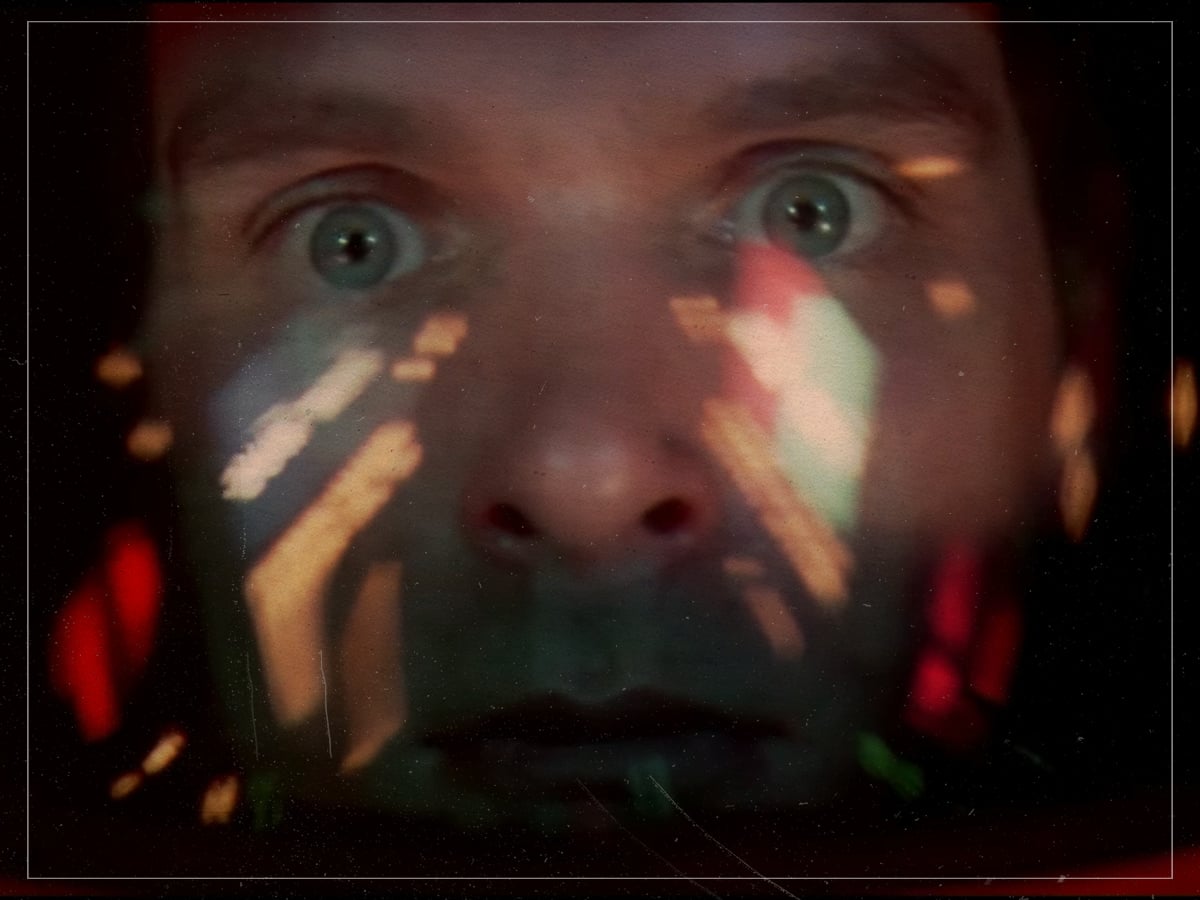
You’d think that a film critic would appreciate the work of Stanley Kubrick, a legendary filmmaker who changed cinema with his innovative creations, but Kael couldn’t stand him, and where 2001: A Space Odyssey is widely regarded as one of the best films ever made, she really didn’t care for the epic sci-fi masterpiece. She found it boring, deeming it confusing that a movie seemingly posing as an art film could be created on such a large scale.
“Is a work of art possible if pseudoscience and the technology of movie-making become more important to the ‘artist’ than man? This is central to the failure of 2001. It’s a monumentally unimaginative movie: Kubrick, with his $750,000 centrifuge, and in love with gigantic hardware and control panels, is the Belasco of science fiction,” she wrote with critical eloquence.
‘La Dolce Vita’ (Federico Fellini, 1960)
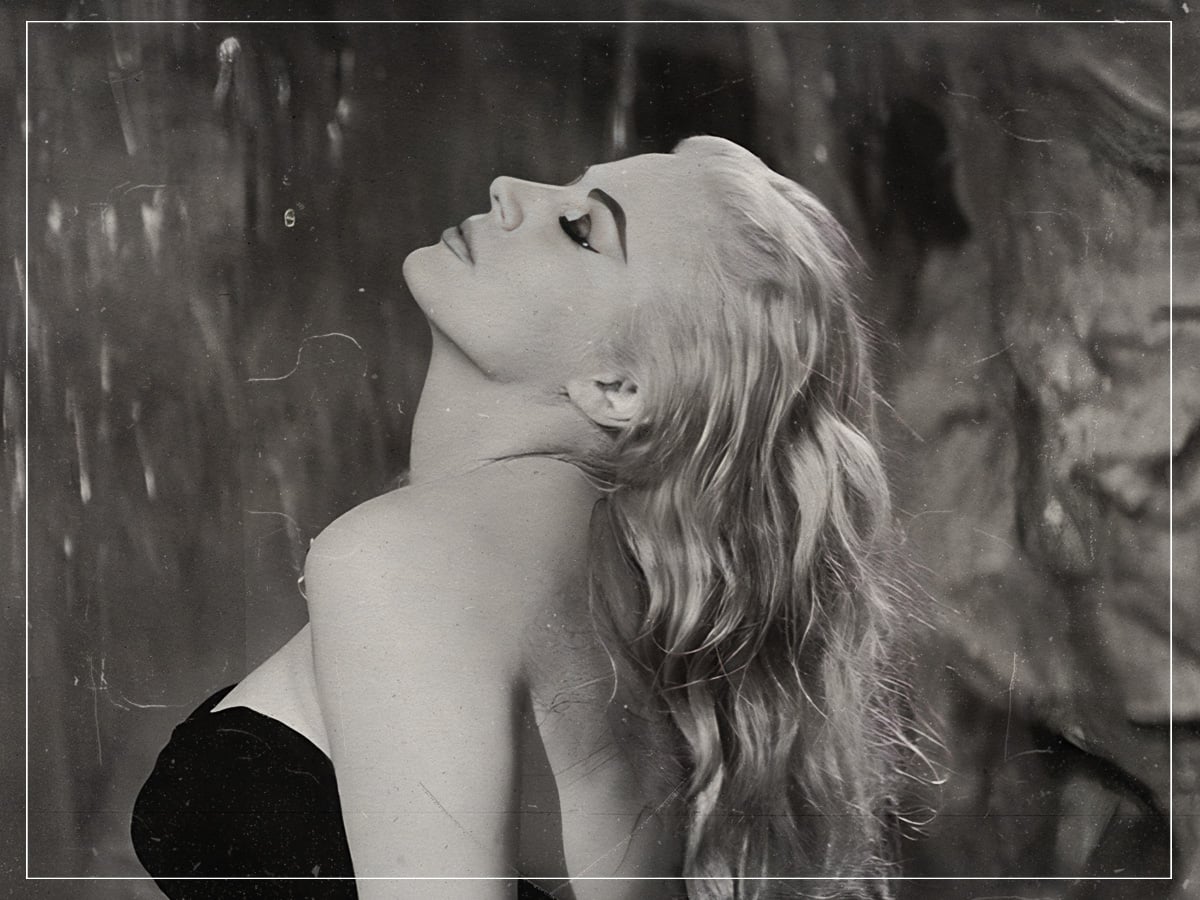
La Dolce Vita is a classic piece of Italian cinema, a must-see if you’re taking a trip to Rome or simply want to immerse yourself in the romance and tireless search for happiness in a glamorous bygone era. Many people call it Federico Fellini’s masterpiece, although you can probably guess what Kael thought of the movie.
I mean, you can probably guess that she hated it, but you might not expect the words she used to explain why. She compared it to “poking your head into a sack of fertiliser and then becoming indignant because you’re covered with excrement”. It seems that Fellini was just too overrated in her opinion, to the point where she wasn’t even fussed about 8 ½.
‘Natural Born Killers’ (Oliver Stone, 1994)
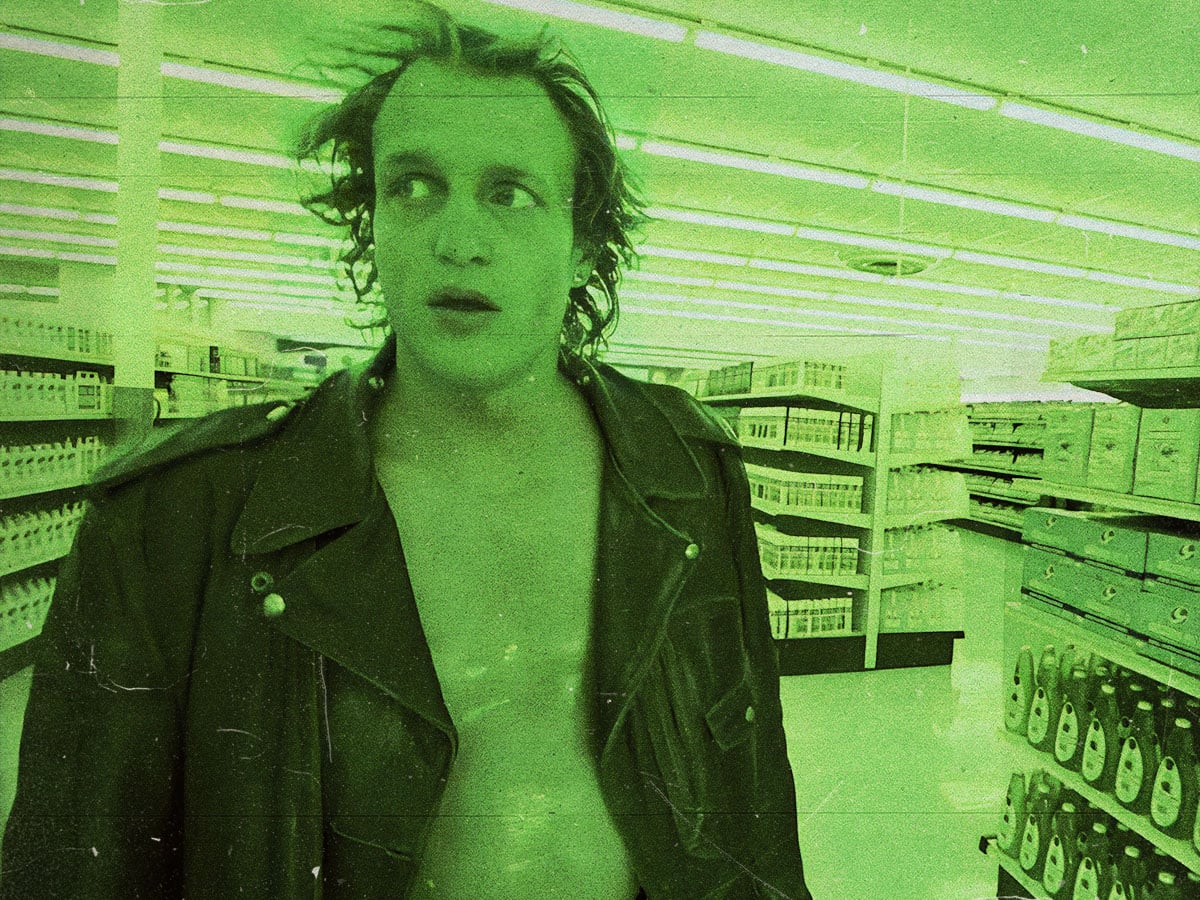
Quentin Tarantino penned the basis for Natural Born Killers, a Bonnie and Clyde-esque 1990s thriller that Oliver Stone decided to direct. The thing is, Kael really didn’t like Stone, and while she detested all of his work, she harboured particular hatred for the Woody Harrelson and Juliette Lewis flick, which she called a “horrible movie”.
“The victims are made ludicrous and pathetic, so you’re supposed to cheer the killers on,” she told Susan Goodman, adding, “I despise his movies. If you care about movie art, there are certain people whom it’s legitimate to despise. JFK and Nixon are historically so dubious and yet accepted by audiences as accurate. All you can do as a critic is point out the distortions.”
‘Dirty Harry’ (Don Siegel, 1971)

Clint Eastwood rose to further prominence when he appeared as the crooked titular cop in Dirty Harry in 1971, and Kael couldn’t stand the message of the movie, which she saw as “fascist”. She wrote, “On the way out, a pink-cheeked little girl was saying ‘That was a good picture’ to her father. Of course; the dragon had been slain. Dirty Harry is obviously just a genre movie, but this action genre has always had a fascist potential, and it has finally surfaced.”
Boldly hitting out against the film, Kael pissed off Eastwood in the process, who told Robert Ward, “People liked to throw around the term ‘fascist’. It didn’t bother me because I knew she was full of shit the whole time. She was writing to be controversial because people expect it of her, that’s how she made her name.” Seems like he was a bit bothered, though.
‘The Shining’ (Stanley Kubrick, 1980)
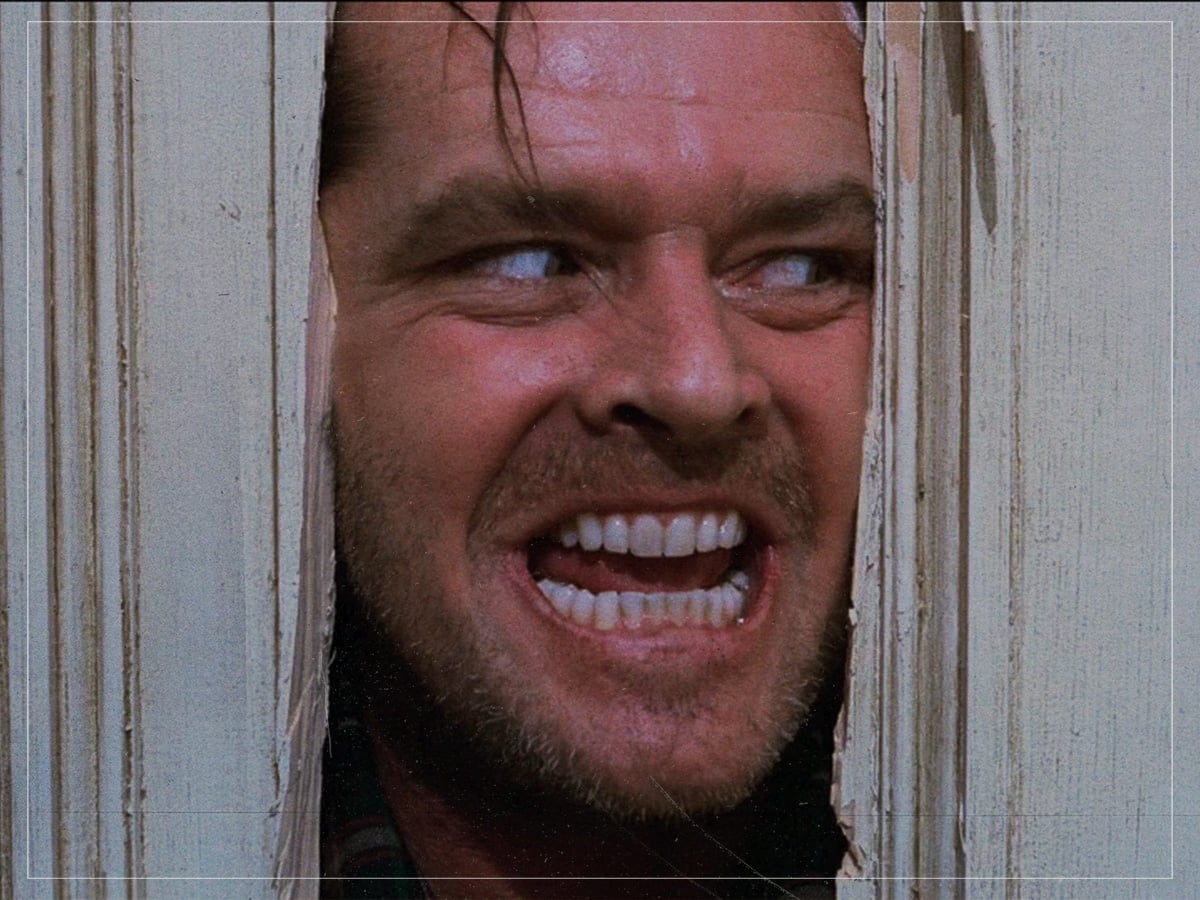
You could put any of Kubrick’s films on this list because Kael really didn’t get the hype, and while she detested 2001, she also hated The Shining, his horror classic, adapted from Stephen King’s eponymous novel. The movie featured a haunting score from Wendy Carlos and a purely unhinged performance from Jack Nicholson, making it a Halloween favourite for many, but Kael particularly hated all the tracking shots.
“What’s increasingly missing from Kubrick’s work is the spontaneity, the instinct, the lightness that would make us respond intuitively. We’re starved for pleasure at this movie; when we finally get a couple of exterior nighttime shots with theatrical lighting, we’re pathetically grateful,” she wrote, concluding, “Well, all work and no play makes Stanley a dull boy, too. He was locked up with this project for more than three years, and if ever there was a movie that expressed cabin fever, this is it.”
‘Star Wars’ (George Lucas, 1977)
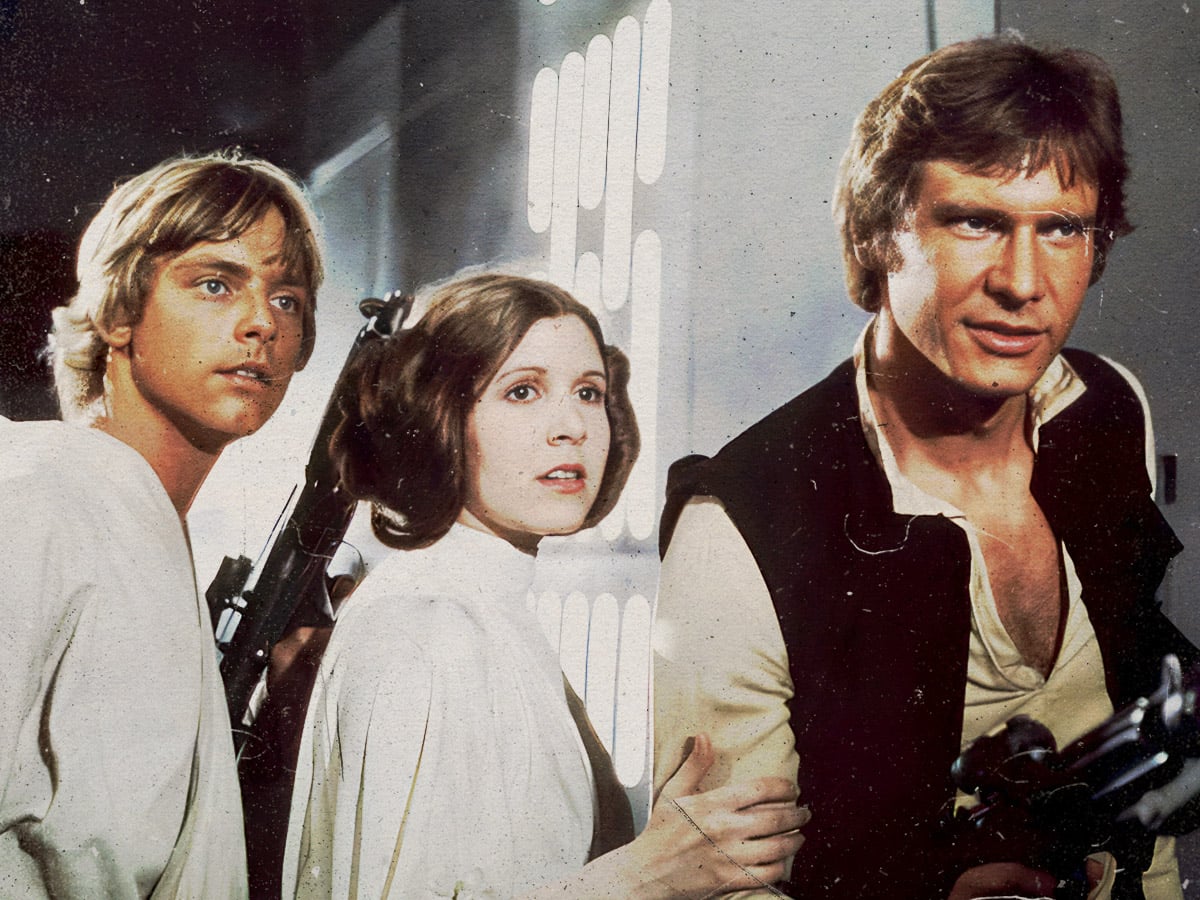
Star Wars was a hugely popular film, of course, but the by-product of its success had a detrimental effect on the way Hollywood operated, ushering in a new era of franchises and blockbusters that have inadvertently given rise to the likes of Marvel slop. It seems like Kael could sense this from a mile off, finding it too overstimulating, stating, “The loudness, the smash-and-grab editing, the relentless pacing drive every idea from your head; for young audiences Star Wars is like getting a box of Cracker Jack which is all prizes.”
While she admitted that the movie was “enjoyable” enough, she also found it “exhausting”, adding, “it’s an assemblage of spare parts, it has no emotional grip”. Star Wars might be popular, but it’s an exercise in pure commercialism, and that’s not what Kael the critic wants from cinema.
‘Jaws’ (Steven Spielberg, 1975)

In 1975, a monstrous beast emerged from the waters, its sharp teeth clamping onto unprepared bodies. That’s what Jaws did to cinema, according to Kael, who saw Steven Spielberg’s shark film as a tragedy to the development of the art form, believing that by popularising the modern blockbuster, the film destroyed Hollywood; so, she didn’t necessarily hate Jaws, but rather everything that it came to represent.
“A good movie brought in terrible consequences. Jaws is really a terrific movie. With Star Wars coming on top of it. That awful Star Wars and its successors, movies have just never been the same. There are hardly any small movies that people go to,” she explained to The Guardian, clearly showing she had no time for movies that have such a negative impact on her beloved medium.
‘A Woman Under the Influence’ (John Cassavetes, 1974)
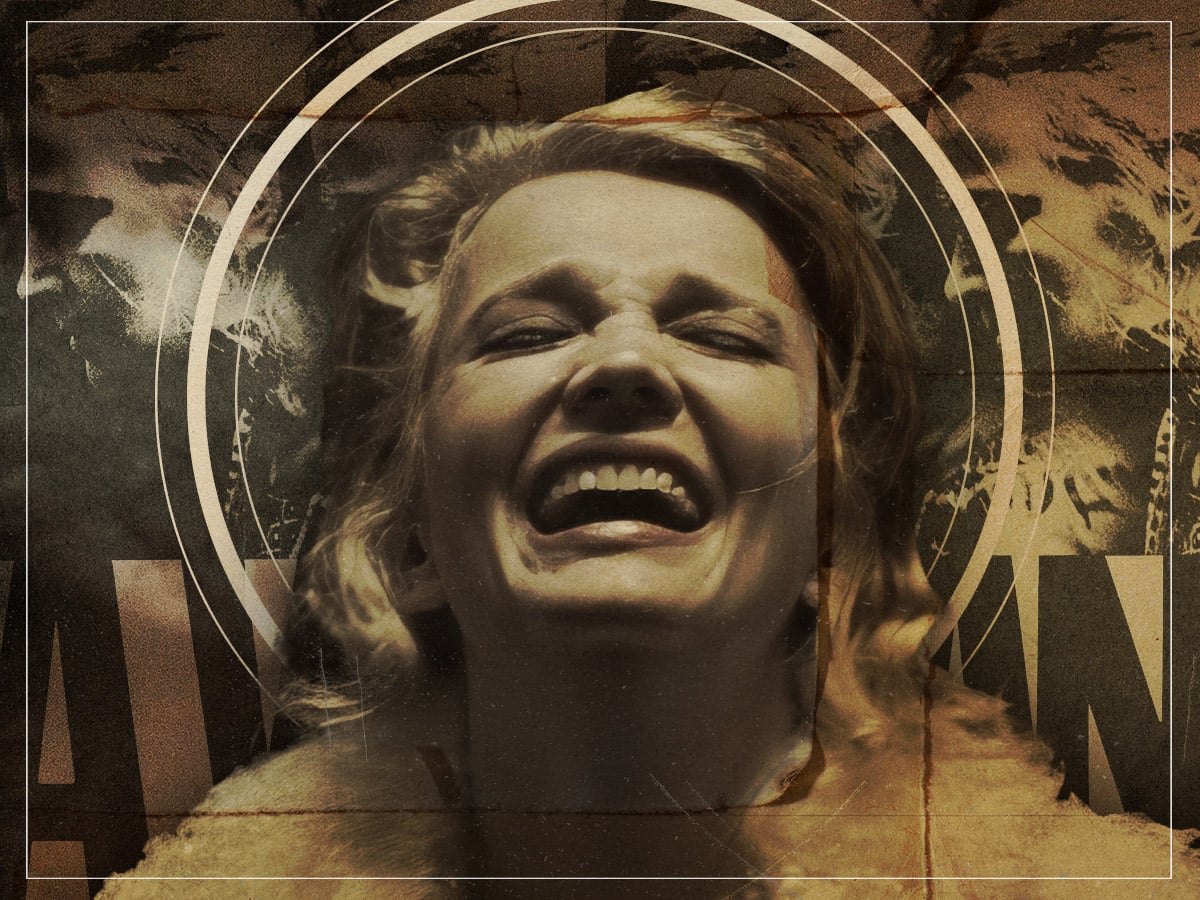
John Cassavetes was an indie pioneer, bursting onto the scene with his experimental jazz-infused tale of race and relationships, Shadows, in 1958, and yet, it was A Woman Under the Influence that has endured like no other, with Gena Rowlands’ performance as Mabel, whose behaviour gets increasingly bizarre, standing as one of the most astounding in cinema history. You’ll nary find cinephiles who dislike the film, apart from Kael, of course, who tore into it.
In her review, she called the film “entirely tendentious: it’s all planned, yet it isn’t thought out”, adding, “The theories of RD Laing, the poet of schizophrenic despair, have such theatrical flash that they must hit John Cassavetes smack in the eye,” calling the movie “the work of a disciple”.

Never Miss A Tale
The Far Out Clint Eastwood Newsletter
All the latest stories about Clint Eastwood from the independent voice of culture.
Straight to your inbox.