


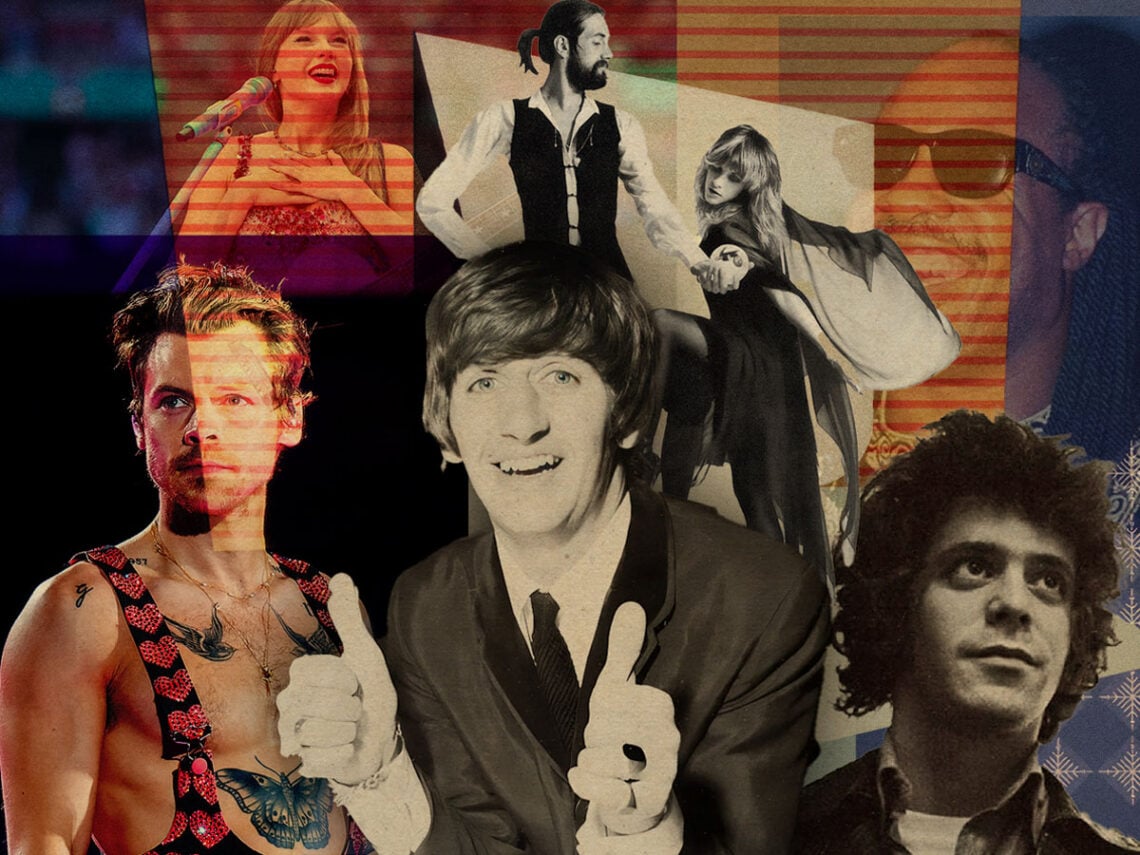
The 10 biggest lies ever told in the history of music

The simple truth is that the music industry is actually full of lies.
Oxymorons aside, it is the reality we all have to face that for every band or artist we have ever loved, we have also somewhat been sold a lie. Images are cultivated, accents are pronounced, and stories are pulled out of thin air – and yet still, we lap up every word as though they are verbatim, even when we are frankly old enough to know better.
You may think this type of fallacy only comes from certain corners or demographics of the music-worshipping world, but don’t be fooled. People genuinely believed that Paul McCartney died and was replaced in The Beatles at the height of their fame, let’s not forget. Whichever poor soul was hired as his body double simply couldn’t have kept up that pretence for 60 years.
And yet, until his actual dying day, you can bet that McCartney will never not be plagued by those vicious untruths, knowing they are bound to get even worse when he does eventually kick the bucket. So, let’s see this as a chance to put some age-old fibs to bed, or at the very least, get some personal realities about the business they call show out in the open.
The 10 biggest lies ever told in the history of music:
Ringo Starr wasn’t the best drummer in The Beatles

We may as well get the Beatle-shaped elephant in the room out of the way first, and address one of the biggest lies ever told about McCartney’s band compatriot, Ringo Starr. A pernicious rumour famously spread that John Lennon once said that Starr “wasn’t even the best drummer in The Beatles”. Tensions were high at the end of the band, of course.
But when digging was done, it turned out that said quote didn’t originate until 1981. The critical flaw in this, the eagle-eyed may have spotted, was that Lennon had already been dead for a year, so not only were the words sinister, but entirely impossible. It transpired that they were said as a joke on a BBC radio programme by comedian Jasper Carrott – so they never went near his lips, but the Beatle was still ripped to shreds.
Hating pop music makes you cool
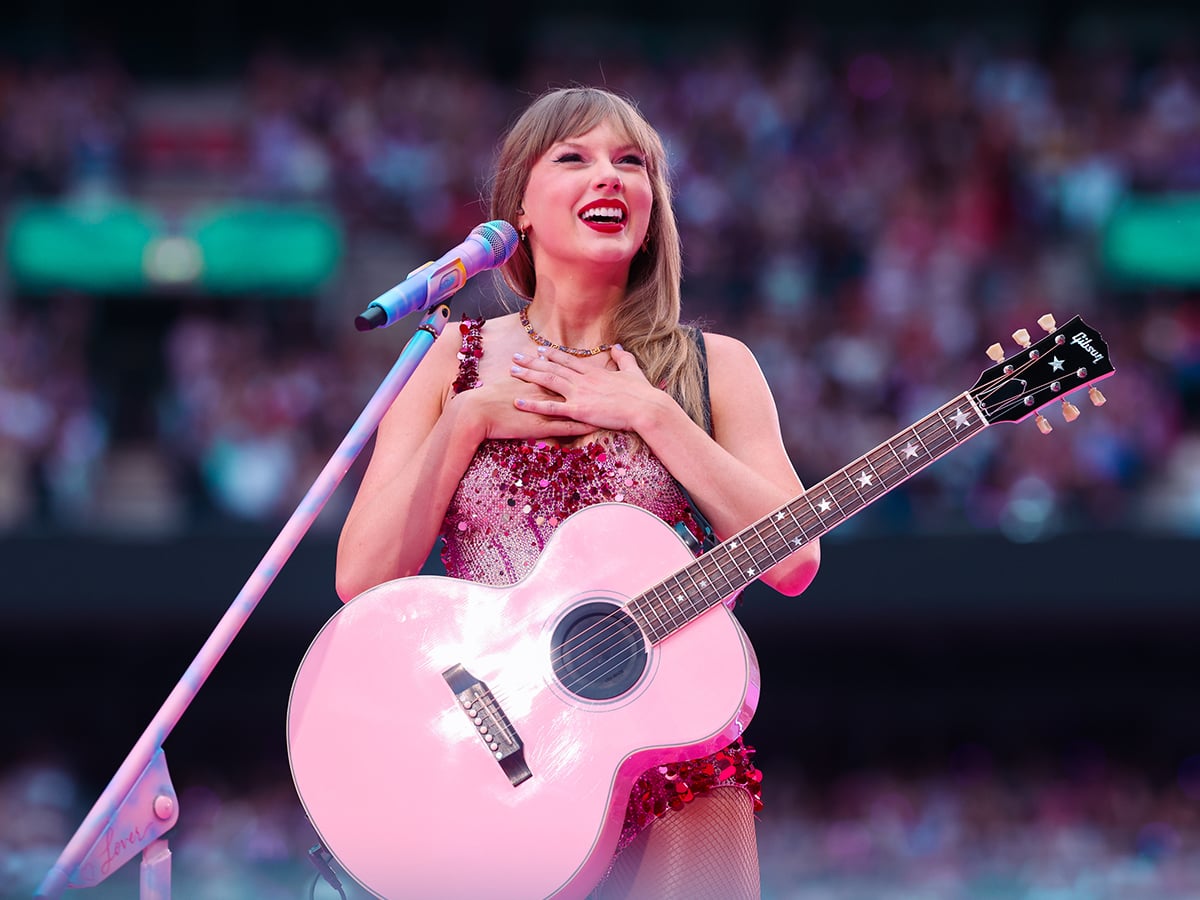
Oh, so you can’t stand the guts of Taylor Swift? How original. What about Sabrina Carpenter, or Zara Larsson, or Olivia Dean? I bet that they’re all in the firing line too, if nothing more than for the sole reason that they fall under the umbrella of current chart pop. Being a sheep on the hate train does make you seem so edgy, after all.
Putting the implications of what this means about society’s attitudes towards women, who dominate the pop landscape, to one side for now, it is simply monotonously boring to hear people’s same excuses for hating the music they create trotted out time and time again. What’s the real truth? Pop gets its name because its sound is popular, meaning the vast majority of the time, it is credibly good. Deal with it.
Woodstock was the greatest festival on Earth
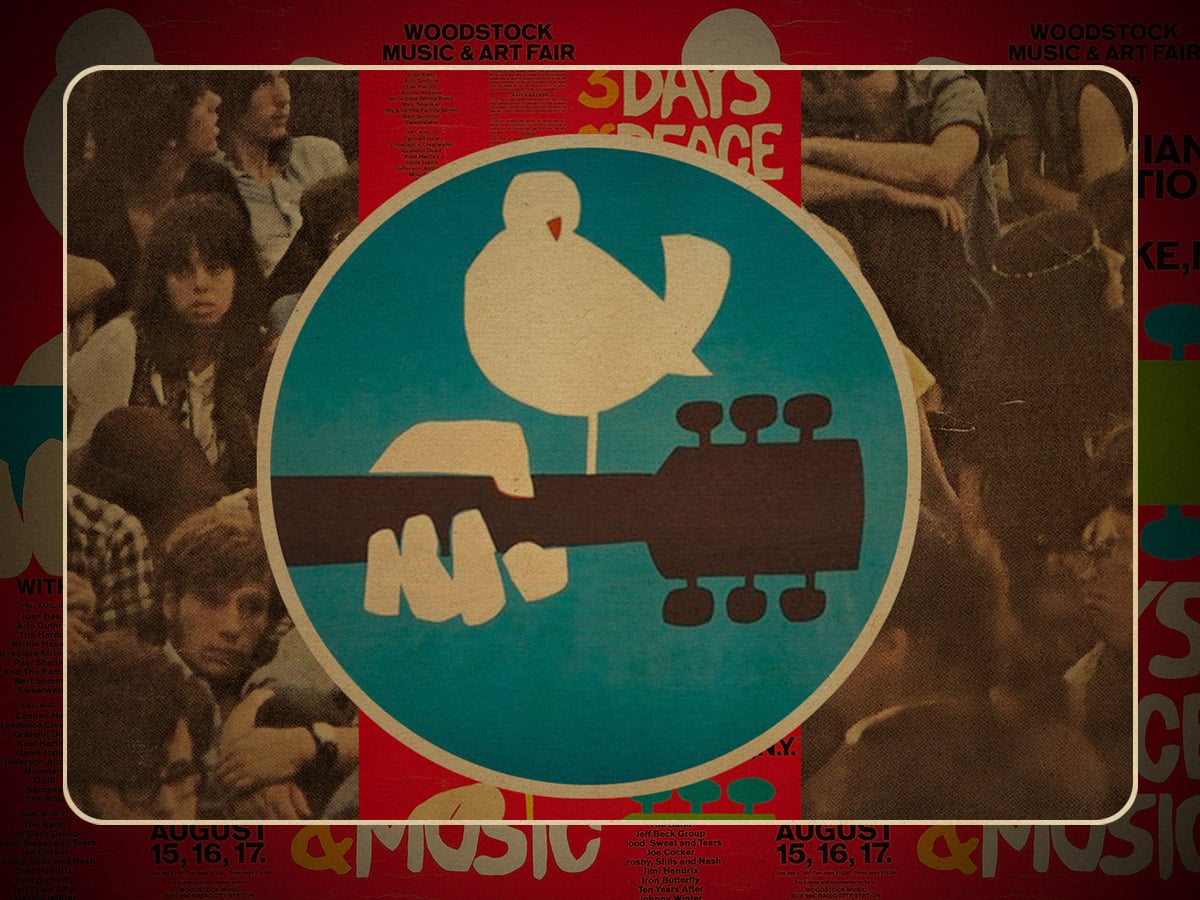
On the other end of the spectrum, many of the pop-hating nostalgia-ites would point towards an event like Woodstock as the rock and roll festival epicentre of the universe. OK, grandad, it’s time to wean you off the LSD again. The harsh truth, whether people are prepared to hear it or not, was that Woodstock was a shitshow, and possibly the closest real life has ever come to recreating the pits of hell.
Between the issues of overcrowding, lack of security, army troops being called in, 742 drug overdoses and three deaths – I’m sorry, I don’t care if Jimi Hendrix gave the greatest performance of his life at the end of it, you could not have paid me to be there. Rules are made to be broken, but if going to a festival turns into a matter of survival, it was never that legendary in the first place.
Industry plants are always bad
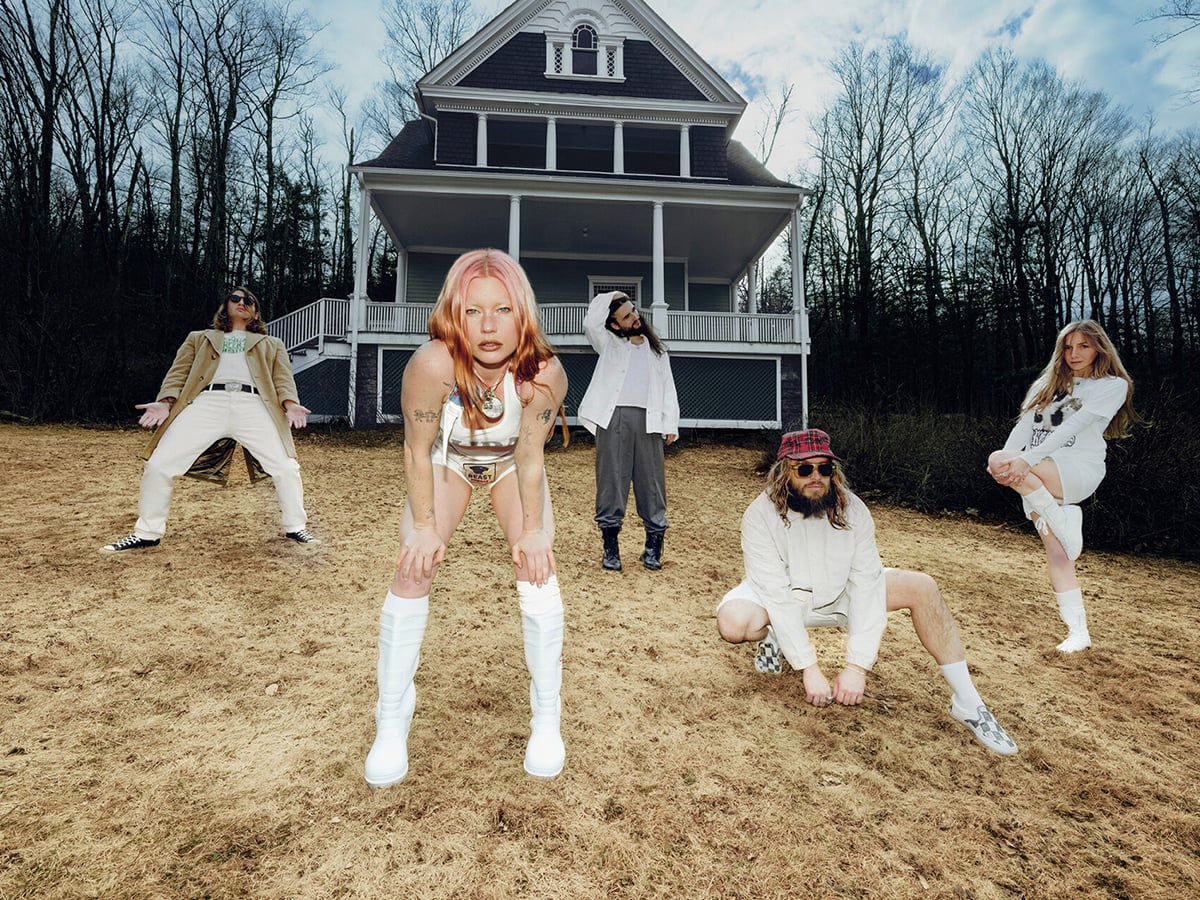
The Last Dinner Party, The Linda Lindas, Wet Leg – what they all have in common is the unforgiving and accusatory label of being an industry plant. Basically, it’s a status you’re bound to have lumped onto you if you come from privilege, maybe with a whiff of nepotism along the way, and happen to pick up a guitar at any point in your life.
While the prevalence of nepotism in itself within the music industry is a whole separate discussion to be had, as well as the accessibility of the arts to working classes, the ultimate fact is this. A band will succeed because they are popular and people like their music, regardless of whether they’re an industry plant or not. Yes, the process is maybe sketchy, but if someone is talented, just give them their flowers.
Geese are a good band

Speaking of industry plants… I’m kidding, of course. While I’m going out on a limb and putting my reputation on the line in front of the legions who worship their every word, I can’t help but think we have been sold a lie in the form of the latest indie darlings that are Geese. They’re not the second coming of Christ – there, I said it.
There’s no denying that there is talent within the ranks of Cameron Winter and Co, but to make out like they’re the greatest rock and roll revolution to happen since The Beatles is slightly overdoing it, in my opinion. With three albums but only 1.8 million monthly Spotify listeners, the statistics unfortunately do the talking. Even their industry plant cronies Wet Leg have more than double that.
Using AI in music is the inevitable way forward

It seems like you can’t have a single conversation about anything in 2026 without AI creeping its ugly wrath into the equation, but the argument bears repeating here for the sake of crystal clarity. Discussions around AI constantly veer from the deluded to the existential without any middle ground in between. But the thing is, none of it is inevitable.
That’s also true in a musical context, as people talk about the use of AI in the industry in the defeatist tones that it’s going to completely decimate every living morsel of original sound and vision. However, that only happens if we stand back and let it. In fact, the most radical thing you can possibly do in the fight against AI? Just keep creating things of your own human accord. I promise you, not all hope is lost.
Lou Reed’s life story

On a slightly lighter note, we return to the character that was Lou Reed, who would absolutely endorse the message of human creativity as it was the bedrock of everything he ever stood for in life, including the storied number of lies he told. No one really ever got to the crux of who the man was, which was probably just the way he liked it.
Eventually, after decades of famous fabrications in interviews, the reality was sidled out of Reed in secret. “Look, why should any of that shit be true?” he ultimately confessed. “I’ve lied so much about the past I can’t even tell myself what is true anymore.” Worrying as it may have been for his psychological state, you’re telling me that he didn’t actually hold a gun to an officer’s head to get expelled from the army? My life is ruined.
Fangirls know nothing about real music

It has the hallmarks of the pop haters’ argument, but it is my honest belief that fangirls perhaps get the most unfair reputation in the whole of the music business. Are they really airheaded, stupid, and uneducated about real music – or are those opinions just rooted in traces of sexism and homophobia?
The simple fact of the matter is that dominant hardcore fans of modern pop stars are young women and LGBTQ+ people. Their dedication to their favourite artist can never be denied – when someone like Harry Styles is playing a stadium, you know it’s those fans who have got him there. But in that case, with the singer introducing all corners of influence from Simon and Garfunkel to Four Tet into his sound, it’s untrue to say that it flies over the top of all his followers’ heads.
‘Rumours’ is Fleetwood Mac’s best album
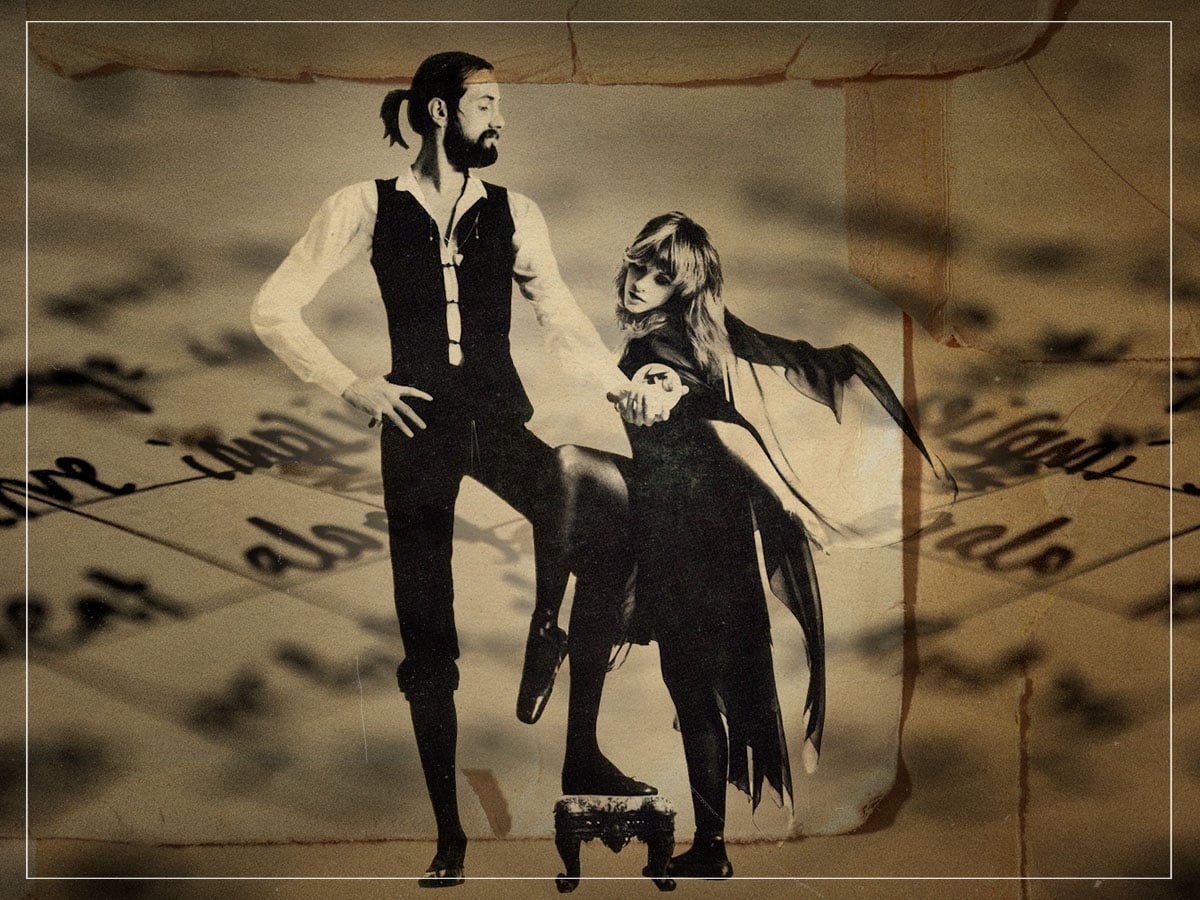
The year was 1977, and when Stevie Nicks started singing about her break-up from Lindsey Buckingham, all while the man in question was standing right beside her on stage, the world was all too rightly grabbing its popcorn. There’s no denying that Fleetwood Mac’s Rumours is the definition of an iconic album. But here’s a bombshell: I don’t think it’s their best.
Take an album like Tusk as a replacement heir to the throne. The recording of the record was no less chaotic than before, but with Buckingham’s insistence that the band make the exact antithesis of Rumours in order to definitively break the mould, it opened Fleetwood Mac up to an expanse of ever-more creative horizons. After all, how else could you get away with playing a Kleenex box as a drum and calling it art?
Stevie Wonder can actually see

Why not go out with a bang in the form of one of the biggest musical conspiracies ever told: that the whole life of Stevie Wonder has hinged on a lie. Allegedly driving a car here, catching a falling microphone stand there – these are all the supposed slip-ups that the scrutinisers catch on to when they try to say that the ‘Superstition’ singer is not actually blind.
Of course, if you fell for every urban legend you ever heard, your life would be as confusing as it is fake. At the end of the day, no one can prove that he genuinely cannot see more than Wonder himself, particularly when he told crowds in Cardiff last year: “You know there have been rumours about me seeing and all that? But seriously, you know the truth.” For once in his life, give the man a break, and let the reality be known.
