


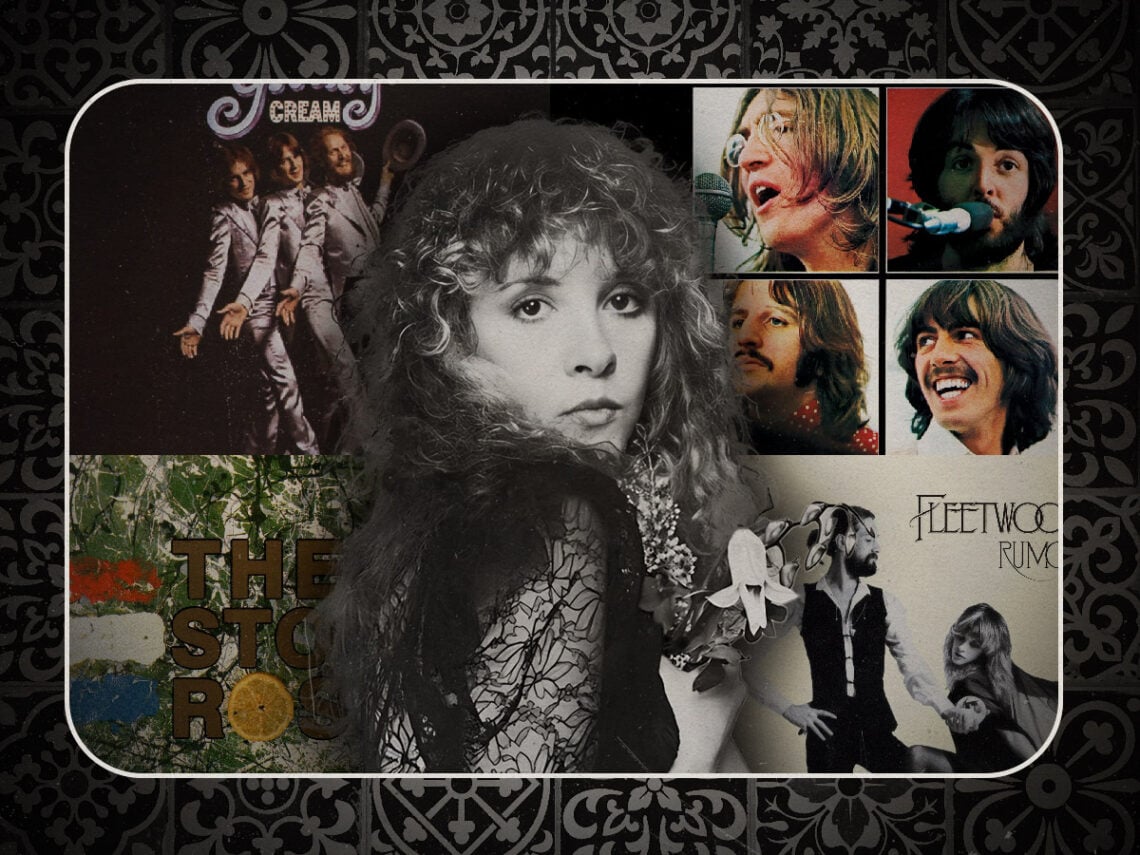
10 albums that cursed the musicians who made them

Success is a funny concept, particularly in the world of the arts.
Whether artists would be willing to admit it or not, it is the quiet driving force that gets them up in the morning and in the studio, hoping to write the next great record. But what is the cost of achieving it?
Obviously, success manifests itself in different ways in music, with the most important undoubtedly being cultural impact, but with that wider cultural impact comes the sort of commercial success that can halt the progress of genuine artistry. Ultimately, that’s why Lou Reed left The Velvet Underground at the very peak of the band’s powers, deterred by the potential poisoning that a commercial presence would have on his artistry.
But then there are other reasons why the highly craved experience of success can grind a much-loved band to a halt. Be it the intra-band tensions that once fuelled the creative success, turning into a sour spat that makes the studio space an untenable musical environment, or maybe it’s the splintering betrayal of a romantic relationship plaguing the future of any musical creation.
Many of the great bands have had a moment where their position as a group has become untenable, and one particular album serves as its soundtrack. Below is a list of the top ten iconic examples of that, which seem to prove the theory that all musical success eventually ends in drama.
10 albums that cursed the musicians who made them:
‘Rumours’ – Fleetwood Mac
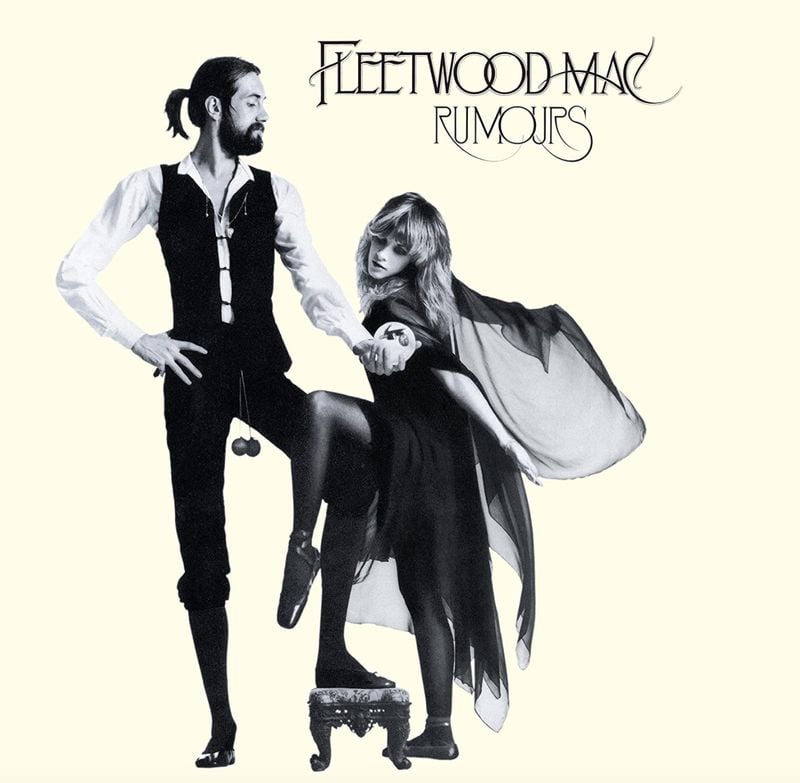
All musicians pour their own sense of self into a record; it’s ultimately what makes art so compelling and uniting. But Fleetwood Mac took that to the next level on Rumours, creating a record that not only referenced their own trauma, but began to mine it.
The disintegrating relationships of all its members were thrown onto the canvas to make an iconic album that is just as salacious as it is musical. Its immediate success meant that for better or worse, the band would be bound together forever, writing music that played over the same instances of love, heartbreak and betrayal until they ceased to exist as a lineup.
Just as much as they couldn’t escape the trauma, they couldn’t escape the success. Tusk was an inflated follow-up to the record in 1979, and as their career turned into the 1980s, things became all the more muddled, with the band turning out a string of underwhelming records that ultimately marked their steady decline.
‘The Stone Roses’ – The Stone Roses
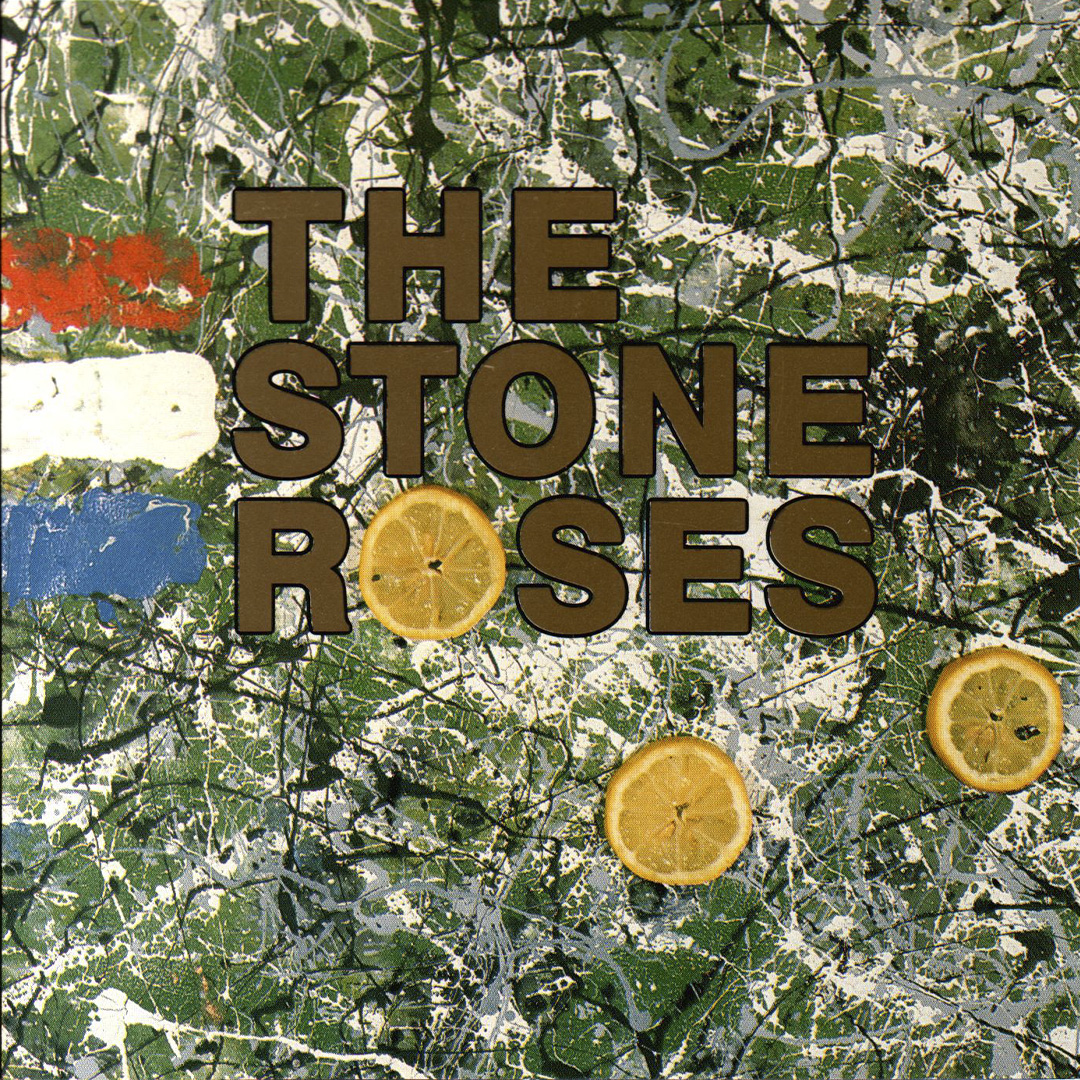
The last note of this record marked the very best and worst moments of The Stone Roses’ career. The triumphant debut was a lightning-in-a-bottle record that captured the sound of the UK music scene in limbo and sparked a new era of genre-fused indie. Nothing sounded like that record, and nothing has sounded like it since, not even their follow-up record.
Five years later and fans were finally treated to their rather underwhelming sophomore record, The Second Coming, which has never been followed up on since. The Stone Roses’ debut became something of an albatross around their neck, and no matter how they tried, they couldn’t escape or top its success.
‘The Wall’ – Pink Floyd

The Dark Side Of The Moon took its toll on a band who were desperately trying to achieve experimental perfection. The albums that preceded it proved that for years, the band had been desperately scratching around at these expansive ideas, in the hope of groundbreaking innovation.
By the time they actually achieved it, the damage was done, and the toll placed on a band so fearlessly pursuing ideas seemed to crumble their foundations. Roger Waters and David Gilmour desperately grew apart, and the resentment couldn’t even be reconciled through the medium of songwriting.
As Waters fearlessly drove on with his personal project, The Wall, the wedge between the pair went deeper and deeper, until they eventually broke up in dramatic fashion. While it wasn’t until a few years after the record, it was ultimately the wall that placed the curse upon them, with Gilmour remembering it as “our worst period. We had lost the meaning of our work.”
‘The Long Run’ – The Eagles

Hiring and firing, fist fights and lawsuits all make up the backstory of one of rock’s most acclaimed bands. This was a group who maximised every ounce of their sonic potential, no matter the cost, and most of the time, the cost was emotional.
While it finally came to a head in Long Beach, 1980, when Glenn Frey and Don Felder engaged in a long overdue fist fight, Don Henley knew the writing was on the wall long before that, and sadly for them, they had the misguided judgment of trying to push through it regardless of the consequences.
Looking back on The Long Run, Henley remembered, “I knew that it wasn’t all going to be smooth sailing, that the various members had certain strengths and weaknesses and that they weren’t always objective about what those strengths and weaknesses were. There was some difference of opinion on the musical direction we would be going in. Variety and contrast are good things if they can be harnessed into a coherent whole. I could see that there were going to be real problems with ‘division of labour’. Too many chiefs.”
‘Stangeways Here We Come’ – The Smiths
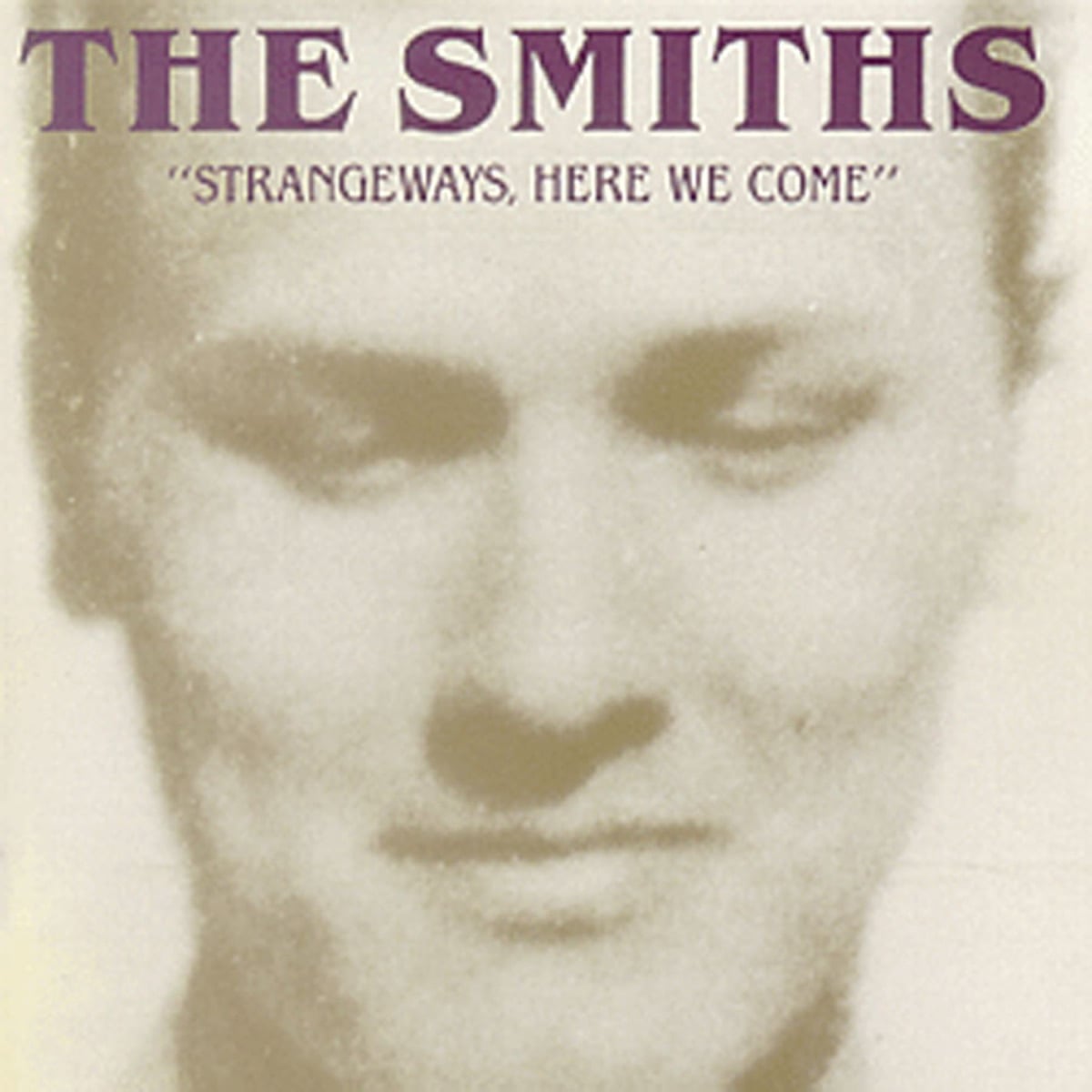
Four albums in four years is enough to tire most bands, let alone the ones who don’t get along. On their rapid rise to the very top of the pops, as nothing more than a late adolescent indie band, the subtle creative tensions that made Johnny Marr and Morrissey’s songwriting such a dynamic force turned into deep cracks of resentment.
The weight of expectation was weighing heavily on Marr’s shoulders, who wasn’t only tasked with crafting a large part of the songwriting but also managing the band through endless bureaucratic turmoil, as well as simply having to put up with Morrissey from day to day.
As good as Strangeways Here We Come was, and as big as the potential was for the band, Marr viewed the situation as simply untenable. “We were deemed unmanageable. When we fired managers, I always had to deal with it. I wasn’t prepared to do it, and so it became untenable. There was no way forward.”
‘Loaded’ – The Velvet Underground
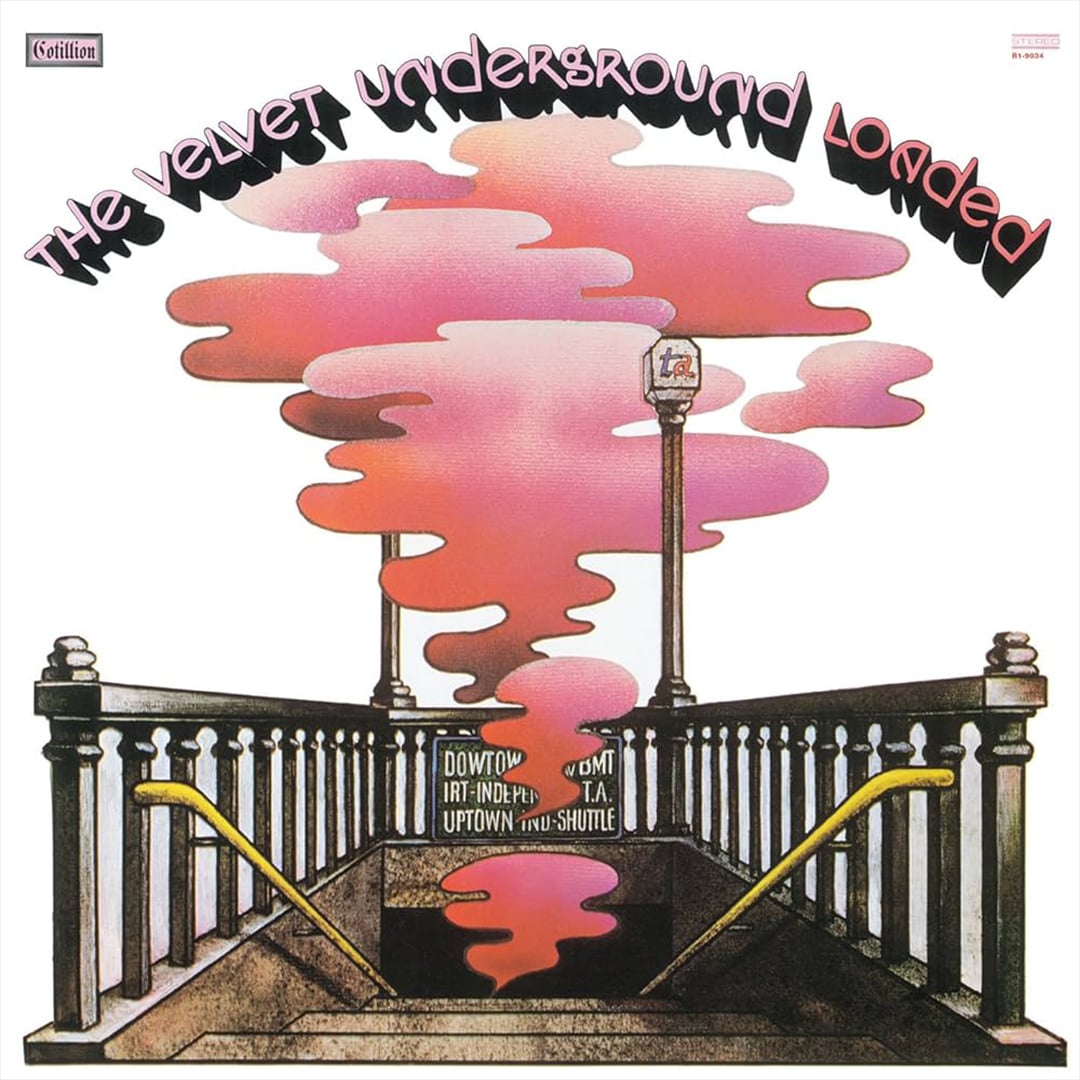
Commercial success is a tricky concept for someone as singular as Lou Reed. Ultimately, it was the antithesis of his motivation, as he sought to speak to the underground subcultures of fans otherwise ignored in mainstream art.
But in doing so, he garnered widespread popularity and accidentally slipped out of the shadows and into the limelight. Suddenly, the music felt as though it had less of a cutting edge, and the purpose of his own songwriting felt lost. Despite its obvious brilliance, Loaded served as a mainstream version of his band and in realising that, the prospect of The Velvet Underground as a musical act soon turned sour.
“I didn’t belong there,” Reed would later claim, justifying his departure. “I didn’t want to be in a mass pop national hit group with followers.”
‘Cut The Crap’ – The Clash
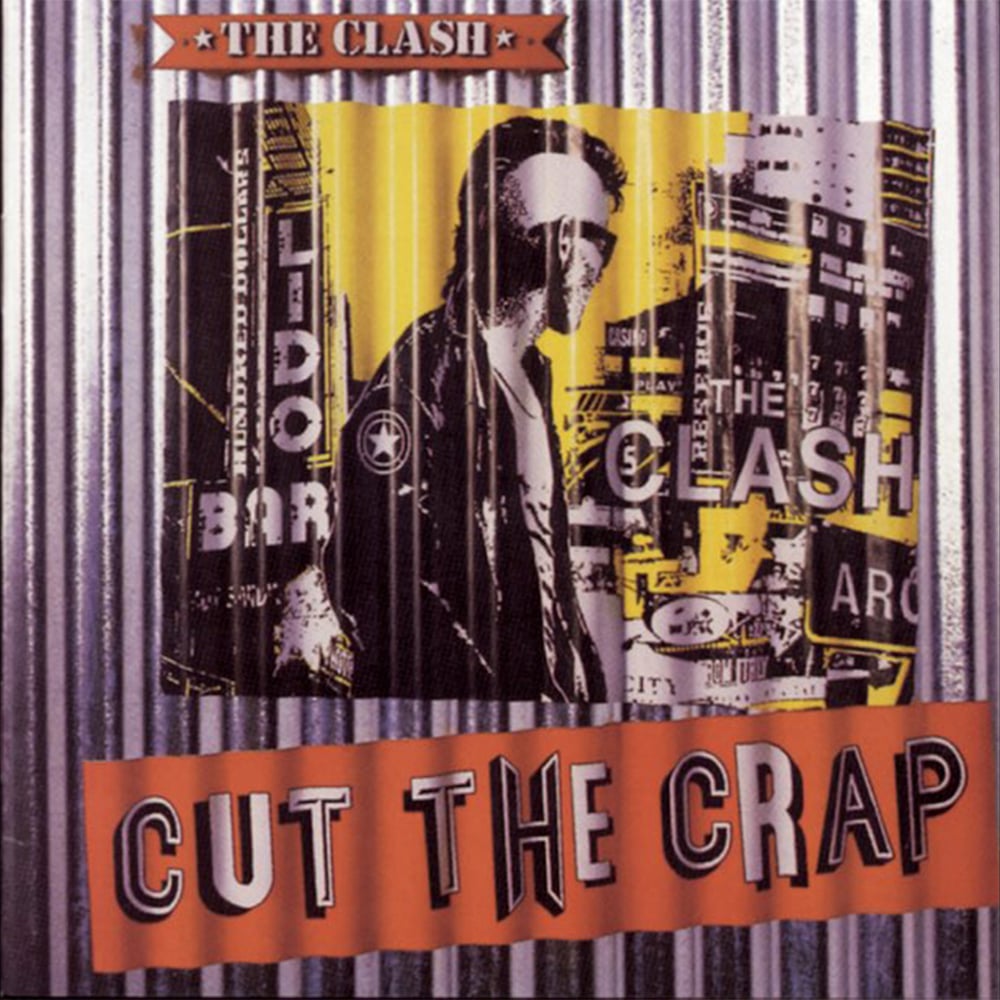
Nearly ten years on from their self-titled debut album, The Clash were facing a very different world, both internally and externally. The solid foundations upon which the punk band had built had dwindled away with the changing decade, and within the safe walls of their musical brotherhood, the trust was similarly beginning to fray.
The end result was an album that Joe Strummer painstakingly eeked out, with very little left in the tank and even less in the way of collaborative support. “When the Clash collapsed, we were tired,” Strummer affirmed, years later.
“There had been a lot of intense activity in five years. Secondly, I felt we’d run out of idea gasoline. And thirdly, I wanted to shut up and let someone else have a go at it.”
‘Goodbye’ – Cream
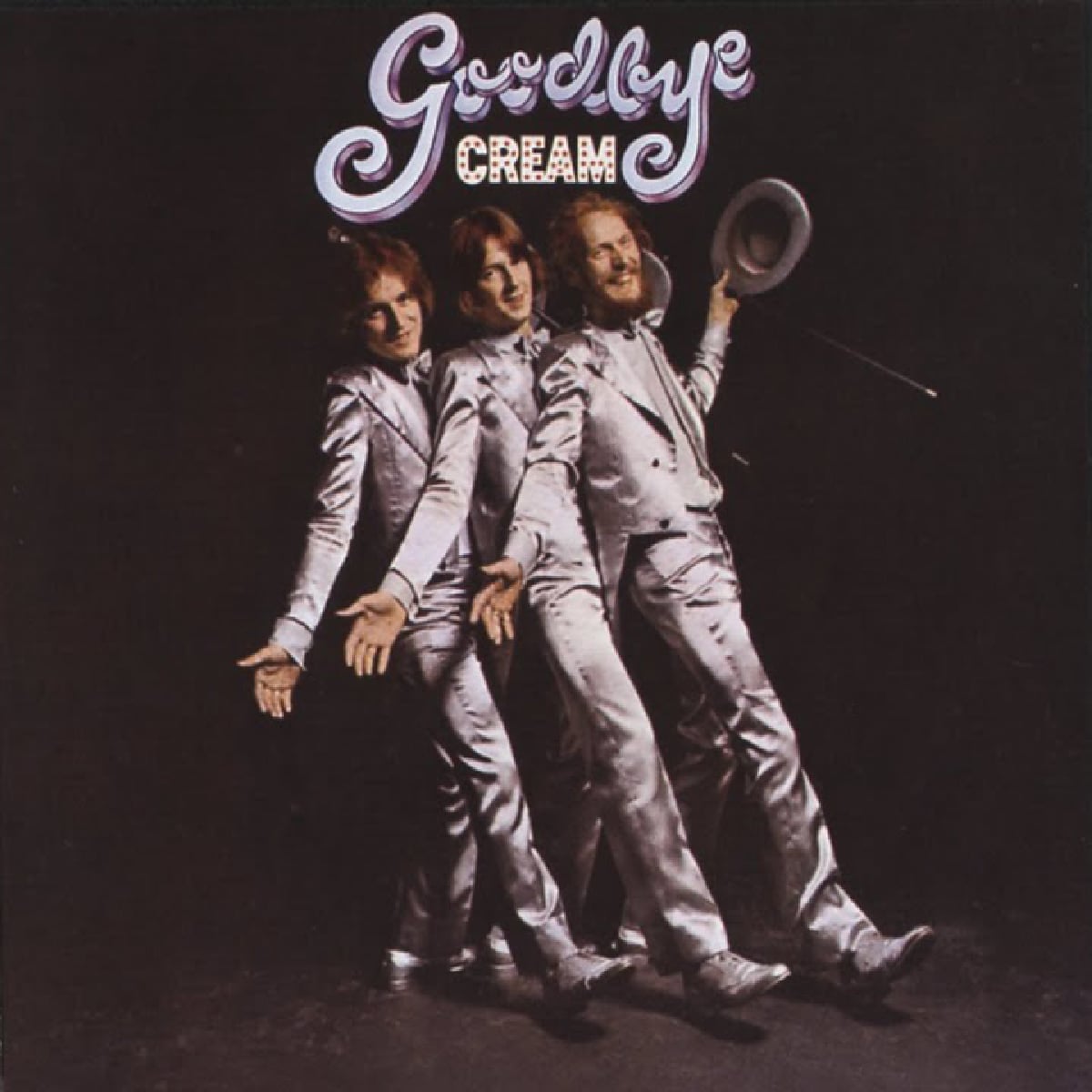
This supergroup was never destined to last in the long run, such is the fraught nature of banding together musical icons in one tight-knit group. Ginger Baker and Jack Bruce were at loggerheads from the very start, which at the time formed a rhythmic tension that made the band utterly compelling.
But then they flew close to the sun, and the tension began to leak out of the songs, and the direction was becoming somewhat muddled. Music was changing fast in the late 1960s, and as an immovable artistic force, the band weren’t quick enough to adapt.
While Goodbye was their aptly titled last album, you could argue it was another that haunted them. Because Eric Clapton remembered that The Band’s Music from Big Pink drove the final nail into the coffin.
“I couldn’t help but compare them to us,” he said.
Adding, “Which was stupid and futile, but I was frantically looking for a yardstick, and here it was. Listening to that album, as great as it was, just made me feel that we were stuck and I wanted out.”
‘Naked’ – Talking Heads
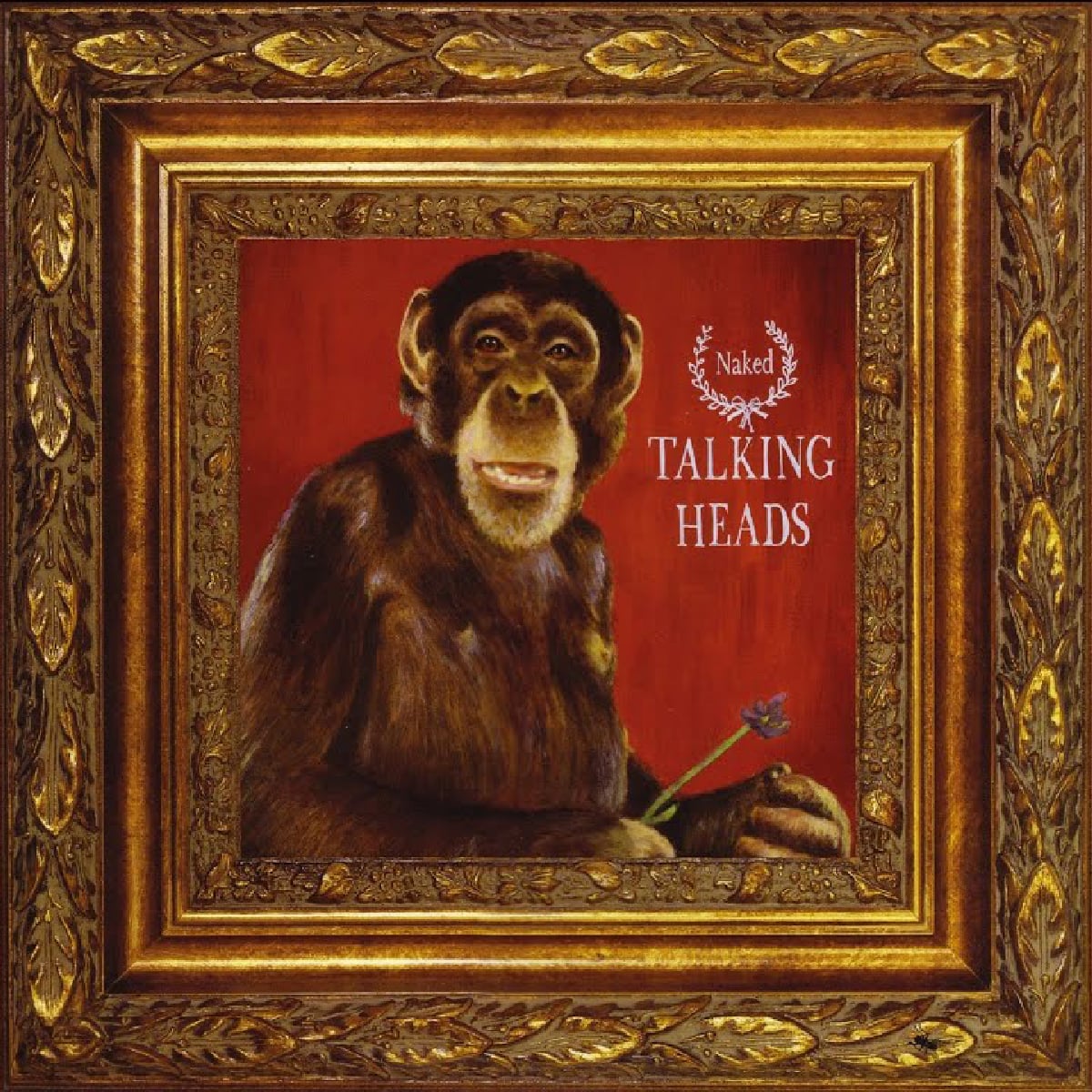
Watching the Talking Heads film Stop Making Sense is to watch a band operating at something of a creative peak. Performatively captivating and musically in tune with one another, they rattled through a string of their greatest hits with such innovation that you thought the world was theirs for the taking.
But rather than capitalise on the hype as a group, David Byrne felt more compelled to do so as a solo artist. After Stop Making Sense and the album that followed, Naked, the band no longer toured or got in the studio, with Byrne feeling as though a higher path awaited him in a more individual future.
Despite it sonically being somewhat of a return to form, the recording sessions had a string of guest musicians rolling in and out, and so the core members often found themselves leaving the studio in conflict.
‘Let It Be’ – The Beatles
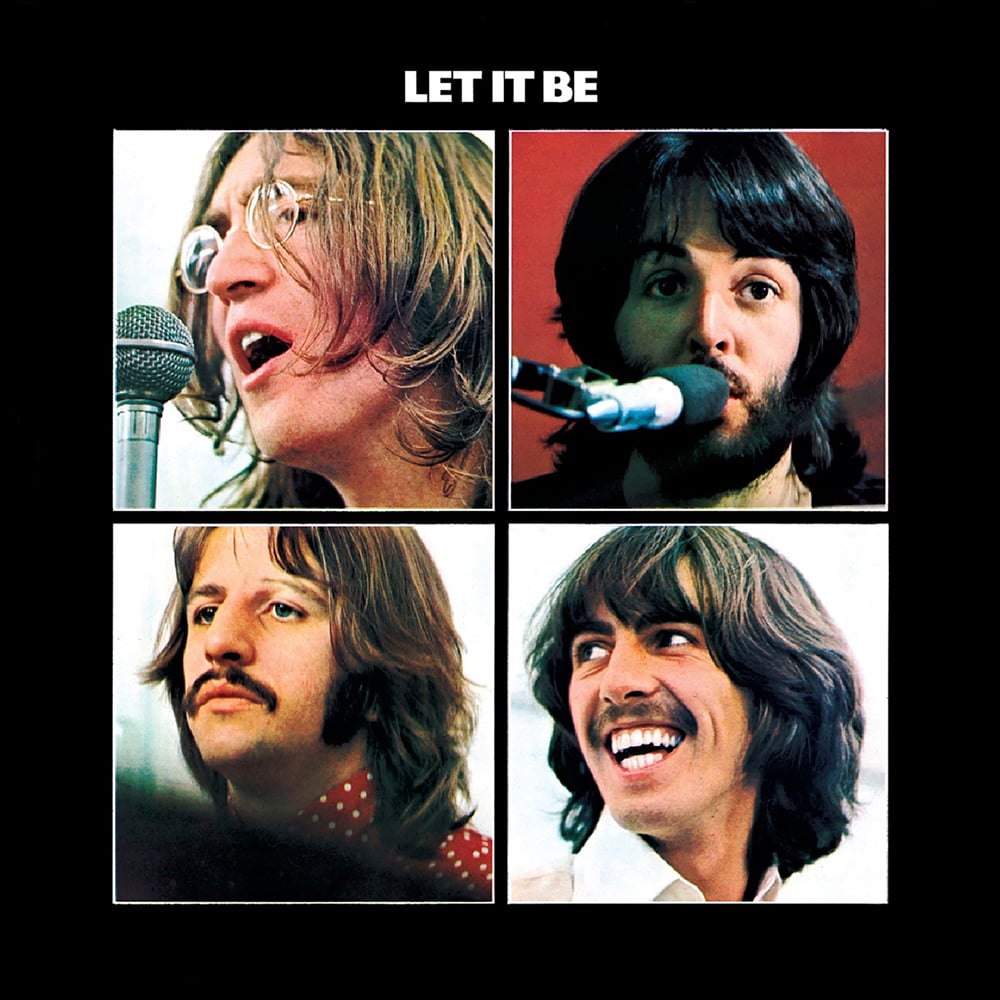
There’s a reason we music fans consider Abbey Road as the de facto curtain call of The Beatles’ glittering 1960s career, because it’s the end we want to convince ourselves they were truly worthy of. One that didn’t reflect the fraying tensions of this once beloved group, as well as the dwindling powers of their collaborative sounds.
The pot of tension was put on to boil in 1968 with The White Album, and Abbey Road was the sound of it just simmering at the edge of the pot. Unfortunately for the boys, they failed to remove themselves from the heat at the very right time, and so Let It Be was the sound of them boiling over.
“It was a disaster,” biographer Barry Miles wrote of this period, “Paul bossed George around; George was moody and resentful. John would not even go to the bathroom without Yoko at his side … The tension was palpable.”

Never Miss A Beat
The Far Out Beatles Newsletter
All the latest stories about The Beatles from the independent voice of culture.
Straight to your inbox.