


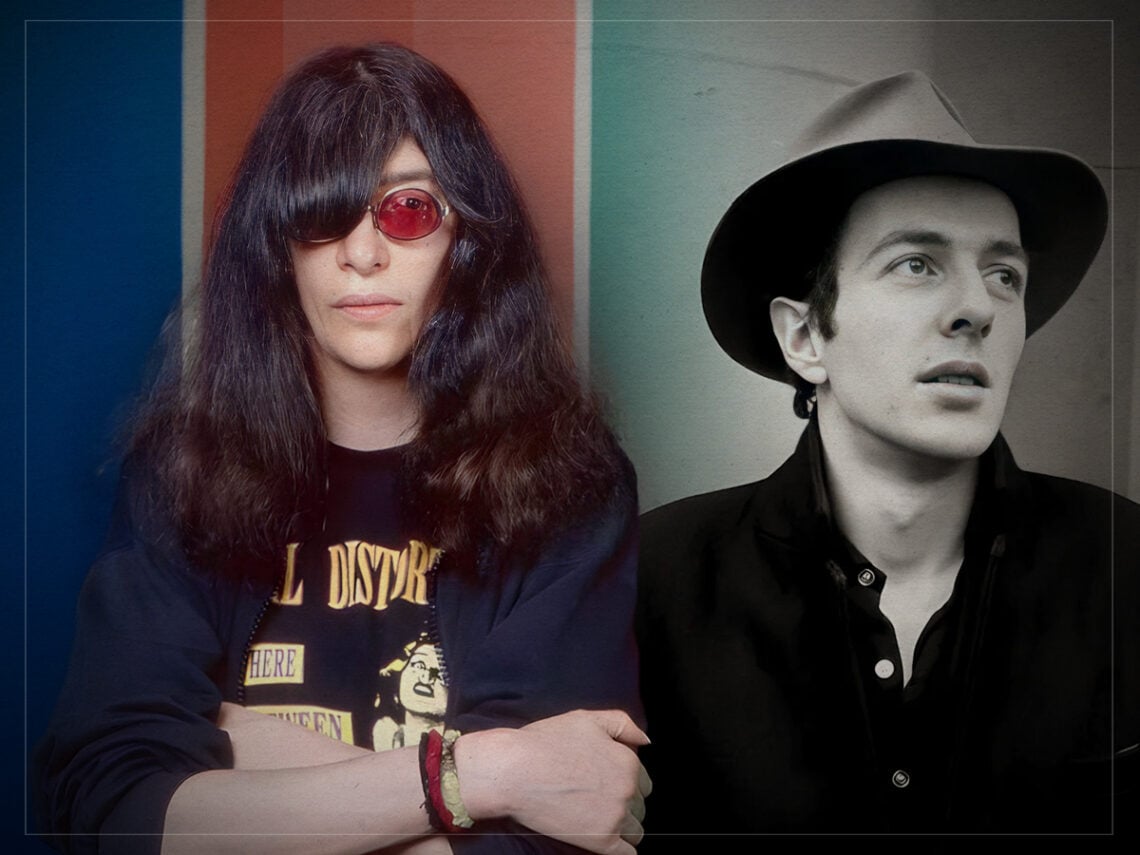
When punk worlds collide: The day the Ramones met The Clash

Ever since that fateful day back in 1776, when the Declaration of Independence was signed, and the American colonies ceased to be colonies, there has always been a health sense of rivalry shared across the Atlantic Ocean, incorporating everything from the world of sport to the glue-sniffing, safety-pin-wearing, early days of the punk rock revolution.
Punk’s origin story is far too extensive and endlessly disputed to be captured succinctly here, but it is fair to say that those abrasive sounds first emerged from the United States, whether in the shock-rock stylings of Screamin’ Jay Hawkins or the grassroots rebellion of the garage rock years.
By the time the 1970s rolled around, though, the grimy surroundings of New York’s CBGB club became the definitive ground zero of the punk age, and the Ramones were among the first of its alumni to translate their blitzkrieg rock and roll onto tape, unleashing their self-titled debut in 1976 and making a colossal mark on the timeline of punk’s emergence.
With that album, the Queens pseudo-sibling outfit established the attitude, energy, and look of the punk rock revolution, no matter what those on the other side of the Atlantic might have declared.
Around that same time, of course, outfits like the Sex Pistols and The Damned were emerging from London’s Roxy Club, playing the kind of punk sounds that distinguished themselves from the Ramones yet followed the same sonic patterns. Before too long, the debate erupted over whether London or New York had landed upon punk rock first and, of course, which city did it best.
Whatever the conclusion of that argument, it must be remembered that the two scenes boasted some degree of overlap, particularly after the Ramones visited British shores for the first time in 1976. On the bicentenary of American independence, the band emerged onto the stage of London’s Roundhouse, bedecked in their blue jeans, leather jackets, and moody haircuts.
Just before the show, though, the Ramones encountered their then-unknown punk comrades, The Clash. When Joe Strummer’s outfit were still finding their feet, prior to both the recruitment of Topper Headon and the release of their debut album, the group arrived at the Roundhouse eager to see what all the fuss was about, and they were rewarded by having the Ramones sneak them into the gig.
“You’re going to see us for the first time,” Johnny Ramone reportedly told Paul Simonon at the time. “We suck, we can’t play. But don’t worry about it, just do it.” In hindsight, it is easy to see just what an impact that statement had on The Clash in the months and years that followed.
After all, Simonon couldn’t play the bass when he joined the ranks of The Clash, and neither Mick Jones nor Joe Strummer were exactly classically trained, either. Like the Ramones before them, the band established themselves based on attitude and a defiant DIY ethos rather than any tangible degree of musical skill.
Not only, then, was that first meeting between The Clash and the Ramones a momentous occasion within the history of punk rock, but it could certainly be argued that it gave The Clash the push they needed to go from a hopeful young pub rock outfit to the punk heroes they became soon thereafter.
By the time the Ramones returned to old blighty again, in 1977, The Clash were at the forefront of the nation’s blossoming punk movement and, unlike some of their contemporaries, Joe Strummer was never dismissive of the American contributions to the scene – perhaps the hatchet of 1776 was buried in the backstage of the Roundhouse.
