


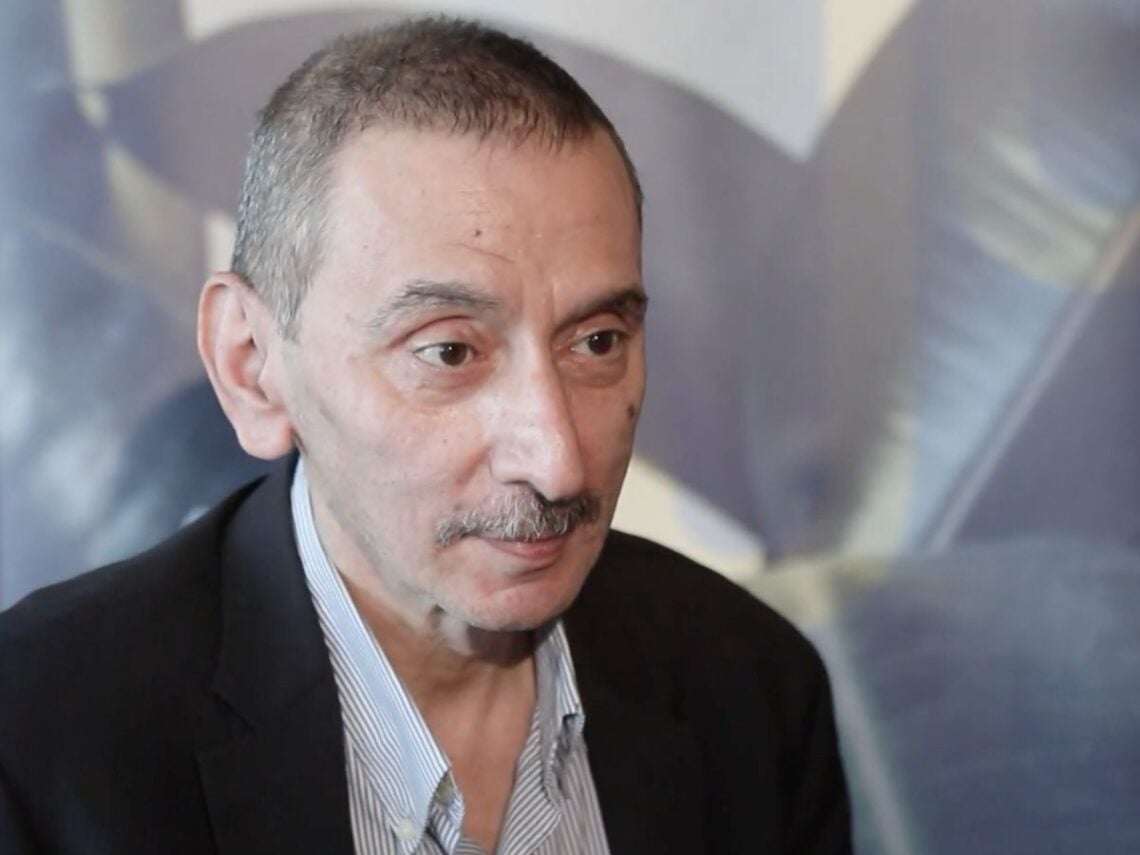
Ziad Rahbani, Lebanese composer and son of iconic singer Fayrouz, dead at 69

The National News Agency reports that Ziad Rahbani, a prodigy, composer, pianist, and playwright from Lebanon, has passed away at the age of 69.
Ziad was the eldest son of legendary Lebanese singer Fayrouz and late composer Assi Rahbani, one half of the famed Rahbani Brothers. Fayrouz is considered to be one of the most famous and esteemed performers in the Arab world.
Rahbani’s death was confirmed by a person close to the composer and political provocateur, on condition of anonymity. No cause of death has been announced.
The Lebanese President Joseph Aoun has already mourned Rahbani’s death, claiming it a national loss. Aoun stated that Rahbani was “a living conscience, a rebellious voice against injustice, and an honest mirror reflecting the suffering and marginalised.” He added to this glowing praise that Rahbani was “not just an artist, but a complete intellectual and cultural phenomenon.”
Rahbani was known for expanding Lebanese cultural expression with his satire and political critique, as well as jazz-inflected scores that mirrored the country’s political turmoil. He took inspiration from many places, once stating, “I admire the music of composers like Charlie Parker, Stan Getz and Dizzy Gillespie. But my music is not Western, it’s Lebanese, with a different way of expression.”
His breakout play, Nazl el-Sourour (Happiness Hotel), premiered in 1974 when he was only 17. Additionally, he composed his first musical work at 17. His mother went on to perform his compositions at her huge concerts.
Among many other things, Rahbani is known for the famous line from his political play Bennesbeh Labokra Chou? (What About Tomorrow?), “They say tomorrow will be better, but what about today?”
His efforts to bridge the gap between Western and Arab culture did not go unnoticed by Arab traditionalists, who made life difficult for the composer. In recent years, he opted to stay away from the public eye but continued creating and writing.
In a previous exploration of his work and career, Far Out wrote, “Indeed, the composer remains a pretty prominent part of the Arabic music world to this day, having helped to establish the sound of 20th-century Lebanon through his countless records, film soundtracks and even stage performances. Both the sounds and, depressingly, the political content of Rahbani’s music remain an essential part of the cultural fabric of the Middle East.”
Rahbani is survived by his mother, his sister Reema and brother Hali.

Never Miss A Beat
The Far Out Music Newsletter
All the latest music news from the independent voice of culture.
Straight to your inbox.