


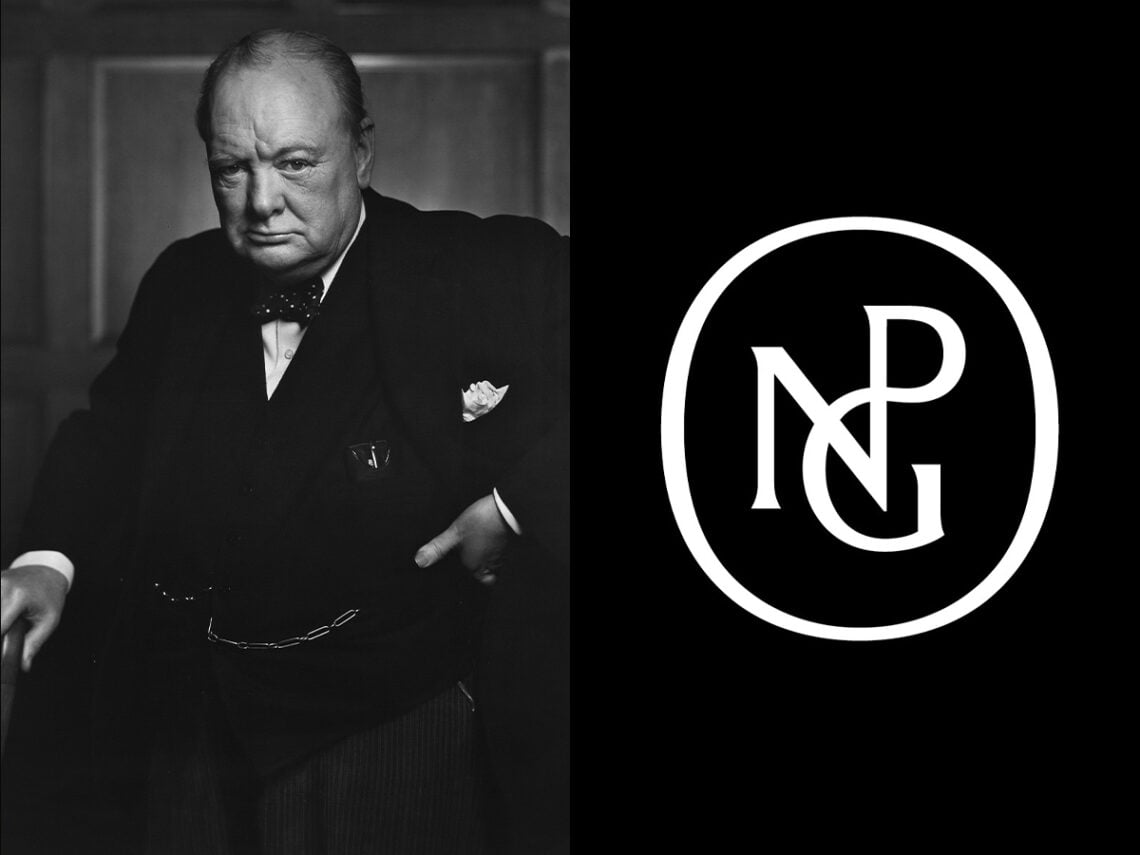
Winston Churchill display removed from National Portrait Gallery after controversy

A display of Winston Churchill has been removed from the National Portrait Gallery in London following controversy around its depiction of the former UK Prime Minister.
The row centres on Churchill’s role in the Bengal famine, with a video installation from artist Helen Cammock referring to the 1943 famine as the “wilful starvation of the Indian population by Winston Churchill.”
However, according to BBC News, this has prompted backlash from figures associated with the wartime Prime Minister, with an open letter being sent to the gallery from Lord Roberts of Belgravia, a biographer of Churchill.
It has amassed more than 50 signatories, including that of Churchill’s grandson, Sir Nicholas Soames, claiming that the display is factually inaccurate.
Subsequently, the National Portrait Gallery has now removed the 40-minute video from public view, with Cammock saying that the display was not intended as a documentary, but that people should see the message and “hear it out”.
The Turner Prize-winning artist then released a statement on June 22nd, in which she said: “There is an incredible pressure on artists and arts institutions to bend to external pressure; to be benign at best and silent at worst.”
Cammock added, “I do not accept this pressure. To question, challenge and explore ideas and histories is vital to a healthy society and art is intrinsic to this.”
The video, titled Persistence and which had formed part of the gallery’s Artists First: Contemporary Perspectives on Portraiture exhibition, had already been on display for 10 months and was due to close in August.
Cammock, who narrates the video, had compared Churchill to Oliver Cromwell insofar as she said that the 17th century figure’s campaign in Ireland, where he “starved people, en masse” was “a little like” Churchill’s actions in the Bengal famine.
However, the former Prime Minister’s role in the famine is one that is widely contested, with a wide range of views being held about the part he had to play and the blame that could be apportioned among multiple political actors.
