


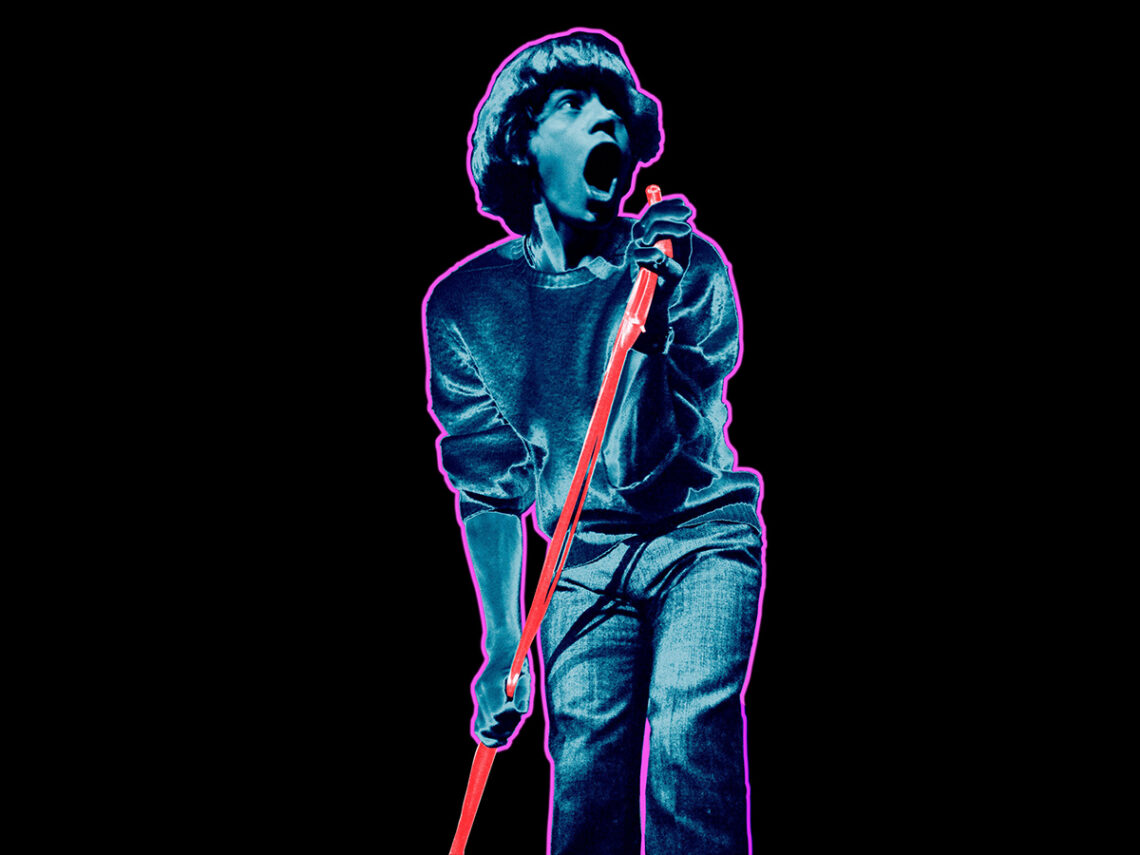
Will The Rolling Stones still be playing gigs in 30 years?

Yes, I know, Mick Jagger is 82 years old, and Keith Richards, improbably, has reached the same milestone, and barring an imminent medical breakthrough of unprecedented proportions, even pondering the possibility of a Rolling Stones concert in 2056 seems ludicrously absurd.
Of course, people probably would have felt the same way reading that headline 30 years ago, when the lads were in their 50s, but here we are. “There’s part of you that feels like the Stones will be here forever,” Richards told a reporter way back in 1994, “but you know that can’t be”.
Or can it? To clarify, we’re not really positing a scenario in which the Glimmer Twins themselves are still touring and chicken-dancing well into their centaurian years. This is more about the future of The Rolling Stones as an entity, the ongoing business of the world’s most recognisable rock and roll IP.
Traditionally, while countless minted rock bands have carried on playing live long after the majority of their original members have either departed the band or shuffled off this mortal coil, it’s been a rarer thing for a group to essentially regenerate, Doctor Who style, with zero connections to its original or most famous line-up. In an odd way, devoted fans usually require some sort of ‘last man standing’; one wrinkly, grey-haired fella from the good old days who can authenticate the worthiness of the other strangers now playing their favourite band’s songs. That’s what still seems to separate an expensive ticket to see a ‘real’ band from a much cheaper experience at a widely available ‘tribute’ show.
It’s a slightly different story in the worlds of soul and R&B, however, where celebrated 1950s and ‘60s groups like The Platters, The Four Tops, and The Spinners have carried on into the present day, populated mostly by singers who weren’t even born during their groups’ heydays. In these cases, either the original artists or their management teams had the foresight to legally protect their brands; one example being The Four Tops LLC, a company formed for the primary purpose of controlling the legacy of the legendary Motown group against the unfair use of its identity by tribute acts or copycats.
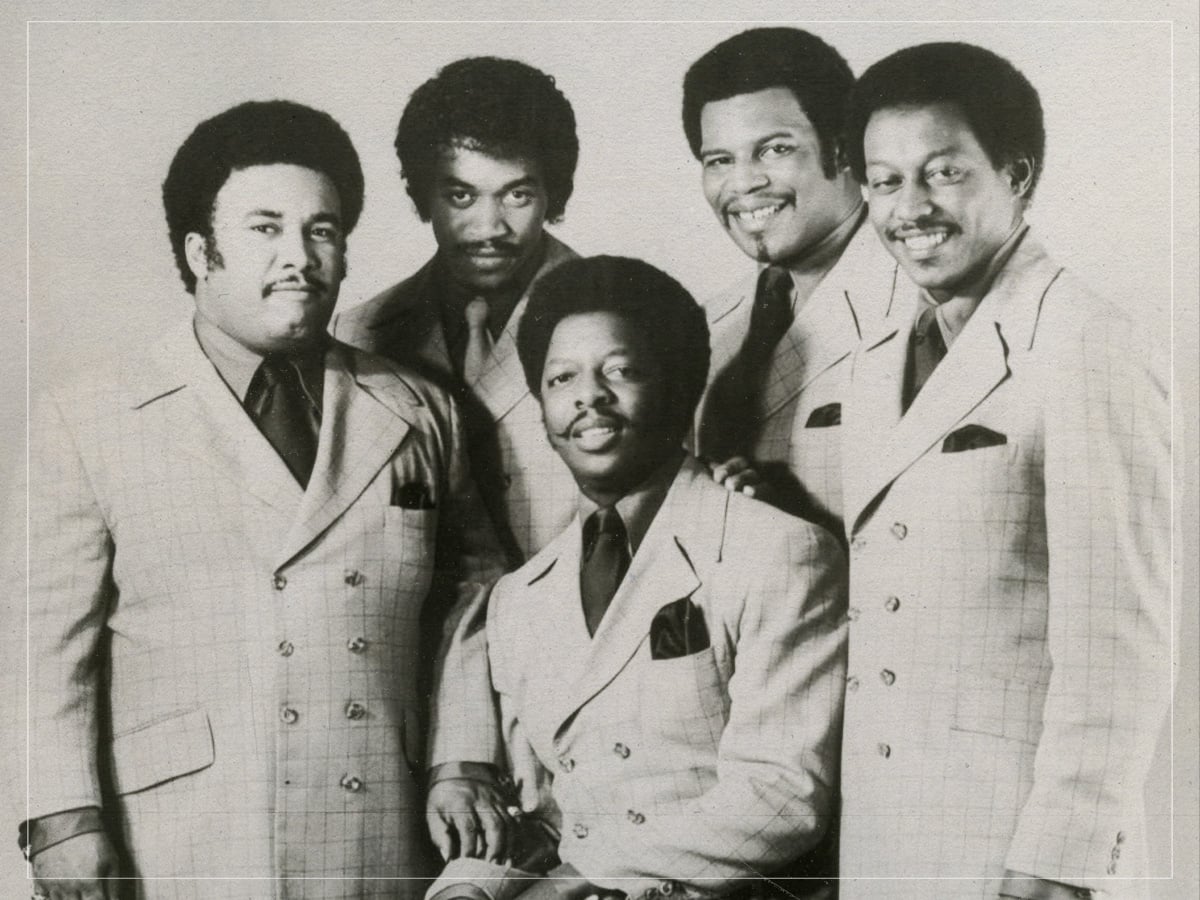
These LLCs don’t usually have any litigation power when it comes to song catalogues, since those are typically owned by record companies, so it’s really all about an IP, a brand name, and on the oldies doo-wop circuit, that seems to matter more than the presence of any specific musicians or singers.
The landscape is much rockier, pardon the pun, in the rock and roll universe, where the individual personalities of each band member have always been a much more essential part of the obsessive fan’s relationship with a group. Sometimes, even if the most important personality is removed from that formula, the business of the band can still continue successfully with the other blokes carrying the torch, see Queen with Paul Rodgers or AC/DC with Brian Johnson. In more extreme cases, like the current incarnation of Lynyrd Skynyrd, the last man standing principle is in effect by the thinnest of qualifications, as Rickey Medlocke, who only played with the original Skynyrd for one year in the early ‘70s, currently represents the sole tie to the glory days of the Van Zant era.
What is inevitably going to become more and more common in the years ahead, especially as ageing, successful bands find themselves increasingly under threat from tribute acts, is the Ship of Theseus paradox, where, with most bands unable or uninterested in launching a kitschy holographic version of themselves, à la ABBA’s Voyage, many may decide to get out ahead of their own demise and recruit younger musicians to take their place and keep the business of their life’s work going.
It’s not hard to imagine a version of The Rolling Stones with just a 90-year-old Mick Jagger and four 20-something hired guns backing him up; maybe Mick has had an understudy for a while, and that understudy sings a few songs that Jagger himself can’t quite tackle anymore, and then, one day, The Rolling Stones are on tour, and there’s no Mick either.
We can philosophise for ages about whether the ship known as The Rolling Stones is still The Rolling Stones after every plank, mast, and nail from its original construction has been replaced, but philosophy is far less important in a capitalist system than registered trademarks. And whether a future version of the band includes AI musicians, holograms, clones, robots, or hand-picked human beings, the only thing that will matter is whether the banner features that iconic tongue logo and the merch stand is stocked with officially licensed t-shirts.
Maybe it seems ridiculous to think that the name and branding of a band would be this important; it’s the songs, after all, that ought to matter most, but history suggests otherwise.
Before the massive Oasis reunion last year, fans of the Gallagher brothers’ songs had ample opportunity to hear those tunes, not just performed by dozens of quality tribute acts all over the UK, but by Liam and Noel themselves, who were booking mid-size venues with their own separate touring groups, always Trojan-horsing plenty of the old classics into each gig. But that wasn’t good enough to generate any headlines or fill any stadiums.
Yes, people wanted the feel-good reunion of the two big personalities, but they also wanted the distinct feeling of over-paying for an Oasis ticket; of seeing Oasis live and absorbing all the familiar visual aids that come with the experience, including that comforting Oasis logo shining on a jumbotron like the golden arches of Britpop, blinding the crowd with its nostalgic ‘90s connotations.
“People in stadiums are not happy with the new and unfamiliar,” Mick Jagger said himself in 1997, “They just stare, which is an awful thing”.
Considering that fans of bands like Lynyrd Skynyrd, Yes, and Judas Priest have already accepted glorified tribute line-ups as the genuine article for years, thanks to official licensing, there’s no reason to think this won’t become the new normal by the 2030s. The live music market is already saturated with nostalgia, as tribute acts represent the majority of gigs in dozens of venues that used to focus on new artists. The people in the position to make money in the future off the backs of rock’s current royalty, specifically the account managers and children of the members of the Stones, the Who, The Cure, U2, and more, won’t be content to let a bunch of regional tribute bands divide up the value of those musical legacies for themselves. It would be more in their interests, particularly as the days of physical media reach an end, to keep a live, breathing, official version of those bands going indefinitely.
It’s hard to say if it would work, but an interesting path forward might be presenting itself in an unexpected way, thanks to the Hollywood actor/part-time musician Michael Shannon.

In 2023, Shannon and guitarist Jason Narducy decided to pay tribute to one of their favourite bands by performing REM’s debut album Murmur in its entirety, on its 40th anniversary, at the Metro club in Chicago. They didn’t dress up like REM or give themselves a punny band name, they just played the songs in a way that communicated their obvious love and respect for the material, and it generated a big response from the audience. This soon led to a wider American tour of “Michael Shannon and Jason Narducy Play Murmur,” followed by a logical 2025 follow-up world tour, in which Shannon and Narducy tackled the REM record Fables of the Reconstruction, along with various other choice picks from the complete band catalogue.
Along the way, certainly aided by Shannon’s established fame, the actual members of REM caught wind of the project, and in a strange but sort of heartwarming way, they embraced it, even jamming with Shannon and Narducy at one of their tribute shows in Athens, Georgia.
Just last week, REM bassist Mike Mills wrote in an Instagram post that “One of the ironies about being in REM is that I could never see my band play. I could never truly know the effect our music had on our fans, or what it might have felt like to see us at any point in our musical journey, especially the early days.” By seeing Shannon’s show in person, Mills said he finally got a sense of that audience perspective. “This band not only reinforced what I thought we sounded like,” he wrote, “but gave me an idea of the power, and the joy, of an REM show.”
Would Mills and his former bandmates ever consider bestowing Shannon and his crew with the official title of “the new REM”, like heirs to a throne? I’m sure neither party has discussed or likely pondered anything of the sort. In the same way Hollywood no longer baulks at rebooting and recasting the actors in its big tentpole properties, though, it might make sense for the executives at REM, Inc, or Rolling Stones, Inc, to start looking at all those silly tribute acts as serious contestants for a grand prize. Those who truly understand and embody the source material, who help the original artists remember what inspired them about music in the first place; perhaps those tribute bands could become something more, earning a promotion from the novelty ranks to the big leagues.
People who go and see the re-booted but still totally official Rolling Stones in 2056 might not feel a direct connection to history in the way that people do today seeing Mick and Keith, but by then, the blues rock of the 1960s will be equivalent to our current view of ragtime jazz: a relic that can only be imitated, never tapped direct from the source. The myth and the legends could carry on, right along with the IP, if the suits at Rolling Stones Ltd want it to. Who knows, maybe the future Stones could even continue to write new songs, keeping the Glimmer Twins’ ethos alive and the audience a little bit on their toes.
“I’m ambitious, I want everything to progress,” Mick Jagger said 30 years ago, as a sprightly young chap in his 50s, “I hate nostalgia”.
