


Why top talent can’t obscure the creative bankruptcy of turning toys into movies

It was inevitable that Barbie would cause a collective lightbulb to go off in the heads of studio executives all across Hollywood, but it’s starting to look as though the wrong lessons have been learned, which is admittedly par for the course anytime an inadvertent bandwagon-started comes along.
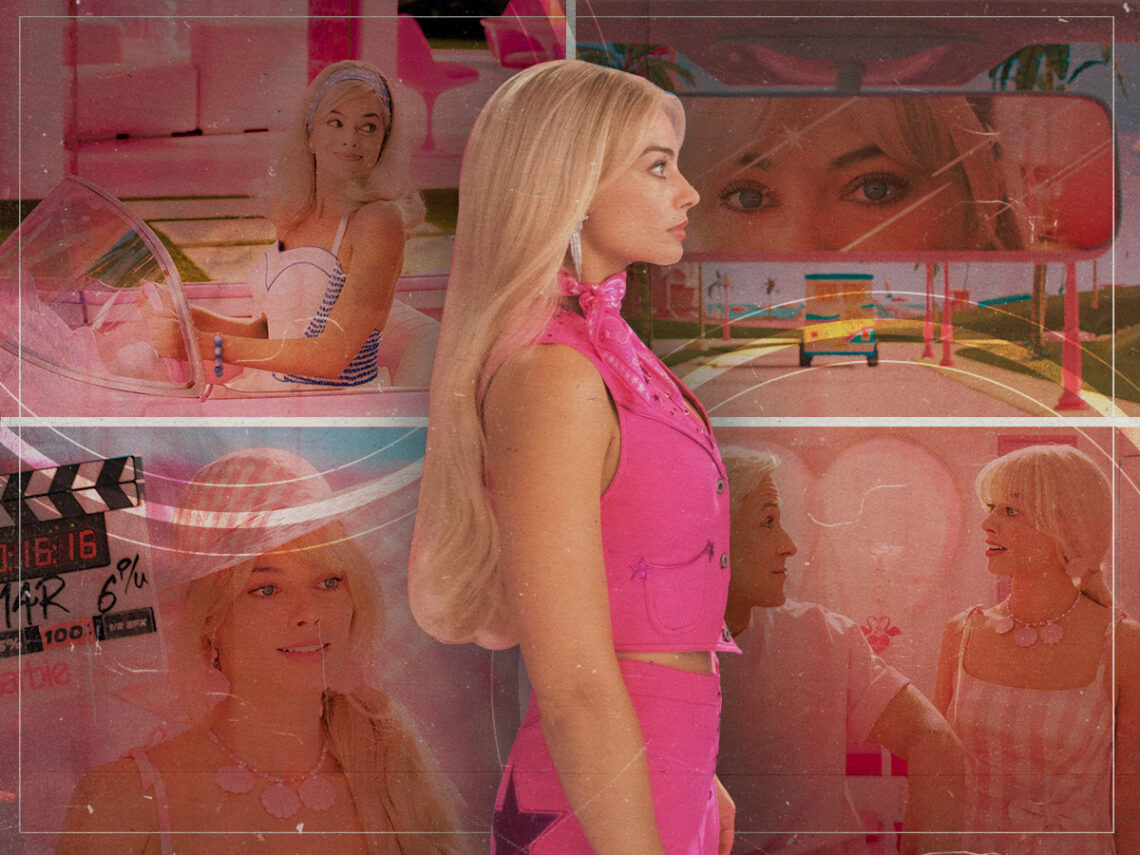
Greta Gerwig and Margot Robbie took the core concept of a bestselling doll and pop culture staple but transformed it into a blockbuster-sized comedy with mass-market appeal that didn’t lose sight of the message at its core. It was lightning in a bottle, and it’s impossible to imagine the same thing happening were it to be spearheaded by any other duo.
As always tends to be the case in Tinseltown, because Barbie approached a well-known brand from a fresh perspective, countless hats ended up being tossed into a very small ring that are all seeking to do much the same thing. However, from the outside looking in, the calibre of talent attached can’t overcome the fact that, in the majority of cases, the stench of creative bankruptcy can be whiffed from a mile out.
Remakes, reboots, franchises, and adaptations tend to make the most money, but with that well running drier than ever in the IP-focused era, a wider net has been cast. As a result, toys are being eyed up as the next big money-maker, specifically because Barbie was a monster hit. Not because of the way it was made or its thematic undertones, though, but because it’s based on a merchandising goldmine.
Even Robbie is hoping to repeat the trick by boarding Hasbro’s Monopoly movie as a producer, which previously had knight of the realm Ridley Scott attached to direct. Not that it needs pointing out, but the brain trust steering that particular project have been responsible for the nauseating Transformers and G.I. Joe franchises, the colossal flop that was Battleship, and forgotten bomb Jem and the Holograms. Hardly stellar stuff.
Mattel’s Magic 8 Ball is a spherical object that people shake, and then it throws up a vague answer to whatever question it’s been posed. Hardly brimming with cinematic potential, but for whatever reason Cocaine Bear writer Jimmy Warden has been tasked to turn it into the basis for a horror comedy the toy company has confirmed won’t be R-rated. Why? Not a clue, but selling more units is probably it.
Sticking with Mattel, producer J.J. Abrams revealed that an adaptation he was working on would be “something emotional and grounded and gritty.” Any guesses as to what he’s talking about? The answer, obviously, is Hot Wheels, the scale model cars that don’t do anything except exist as scale model cars and occasionally fly around a plastic track.
Sticking with not only Mattel again but also scale model cars, Sam Hargrave – heralded as one of action cinema’s brightest new talents after helming Chris Hemsworth’s bone-crunching Extraction duology on Netflix – signed on to direct a film based on the die-cast Matchbox line. Does that scream ‘high-octane chase thriller’ to anyone other than the people who own the brand? Again, most definitely not.
It was claimed that Daniel Kaluuya’s Barney the Dinosaur flick – which is a strange phrase if ever there was one – was going to be “surrealistic” and inspired by Charlie Kaufman and Spike Jonze. That’s at least so bonkers that it piques the interest, or at least it did until Mattel boss Ynon Kreiz clarified with Senafor that “it will not be an odd movie,” which sucked the fun right out of it.
There’s really no need for any of them to exist, but the downside of Barbie is that the industry has become emboldened to mine its back catalogue in the off-chance that maybe even one of them has a chance to match even a fraction of that success.
There’s a very high chance none of them will, but the endless cycle of selling toys and then making movies about those toys to sell more toys and then make even more toys to sell based on the movie based on the toy might be one of the worst nascent crazes yet.
