


“The brains of the operation”: why ‘The Monkees’ almost never made it past the pilot

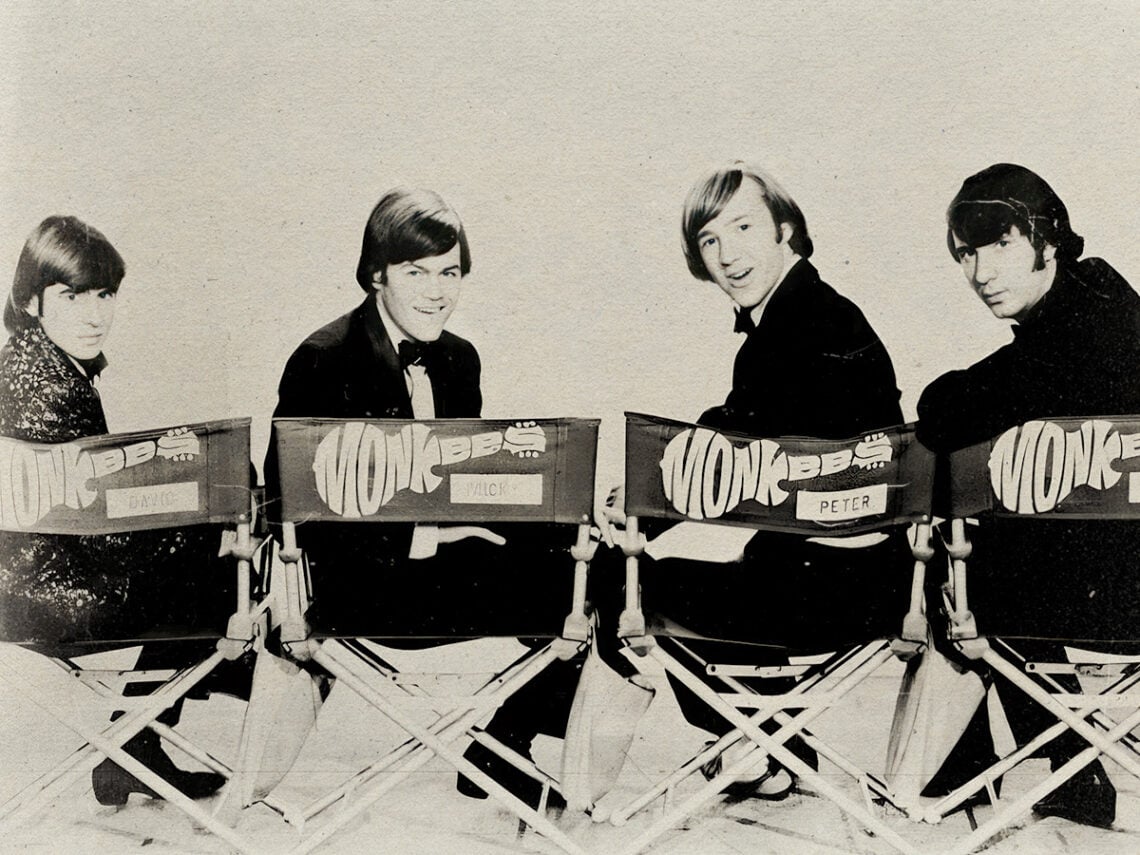
Although The Monkees remain a significant part of pop and rock culture, there’s no denying the artificiality that initially gained them traction following the success of The Beatles. In the early 1960s, the band emerged as a mirror of the exact appeal championed by the Fab Four, supercharged by a television show that reinstated the parameters of visual intrigue and musical expression.
Perhaps one of the most endearing aspects of The Monkees today is that they aren’t really regarded with much criticism, save for those who outwardly dislike their unfiltered, happy-go-lucky pop sound. However, that’s relatively by the by, especially considering how their emergence coalesced with and revolutionised what it meant to place a band on screen.
In the same years, the rise and popularity of films like A Hard Day’s Night and Help! would establish solid touchpoints for what such a convergence could look like. However, before those came into play, the concept for The Monkees had already been borne in 1962 out of Bob Rafelson’s desire to bring together a handful of talented figures for a television series that would blend the musical energy and humour of the new rock ‘n’ roll era.
At the time, Rafelson’s idea failed to captivate Universal Pictures division Revue Productions, likely because the team misunderstood why it would resonate with modern audiences. A couple of years later, Rafelson revisited the idea with Bert Schneider, still not initially forming a well-rounded idea that would impress Screen Gems Television, which Schneider’s father headed up, but planting the seeds for what would eventually become The Monkees.
In 1964 and 1965, The Beatles’ efforts proved some legitimacy to Rafelson’s idea, but according to Micky Dolenz, he had to readjust some aspects to give it more of a mainstream appeal. Had he not made the necessary tweaks, The Monkees would have likely never been sold. “That is, until Bob and Bert, the brains of the operation, rejiggered it,” Dolenz recalled to Variety. “Made it looser.”
He also recalled the dynamics between Rafelson and Schneider, describing the former as “the creative part of the partnership” and the latter as “the business guy”. While it also “helped” that Schneider’s father held such a high position at Columbia, the joint collaborations of Rafelson and James Frawley also shaped the “tone” of the show to make it work. “Between the two of them, they crafted the tone and the shape of the show and all of the innovations,” he said.
With all of the necessary adjusting, The Monkees transformed what it meant to blend music with television, setting the standard for almost everything, from variety shows to modern music-driven series. It might not have been manufactured to everybody’s tastes, but with acts like The Beatles leading the way, it gave way to another kind of accessibility that appeased audiences’ appetites, presenting catchy songs with winning personalities.
